
Reviewed · WWII HISTORY TOURS
World War 2 in Warsaw walking tour in English
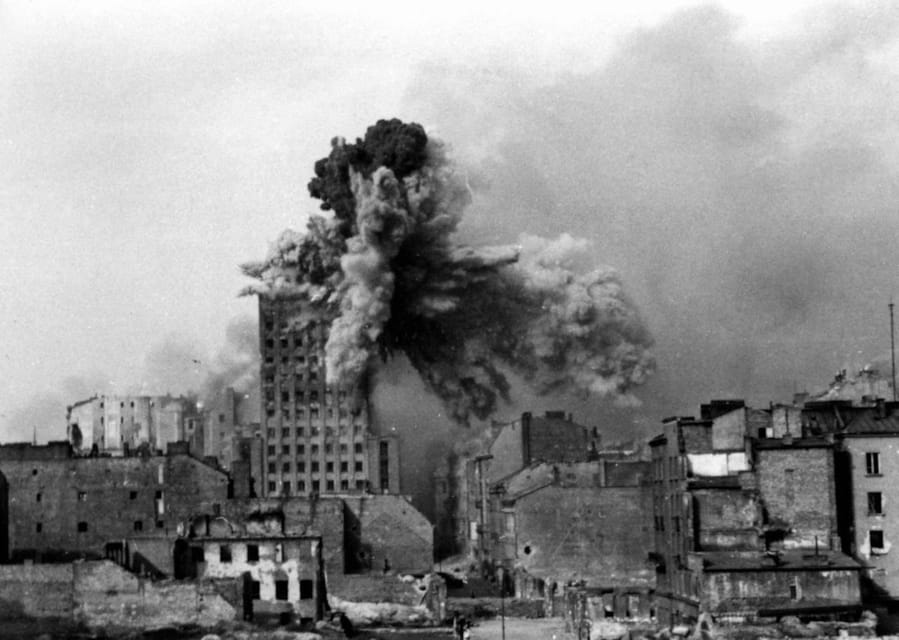
Warsaw in World War 2 was not a far-off tale. It was a city getting hit, hiding, and fighting back, all while Nazi power loomed over everyday life. This walk makes you look at key sites through that lens, using war photographs and the kind of personal, family-linked stories that do not show up in a typical textbook.
I really like that the guides are Poles born and raised in Warsaw, and you can feel how they connect the facts to what the city means now. I also like the tour format: small groups with an English-speaking guide, so it stays human instead of turning into a lecture.
One thing to consider is that this is a heavy subject, and the pacing can feel brisk when you are dealing with cold weather or if you prefer a slower walk. Also, you will be joining other tourists, so it is not a private, tailored experience.
The Most Worthwhile Parts of This Warsaw WWII Walk
- Local Warsaw guides who bring lived-in context to bombings, occupation, and resistance
- War photos and personal family stories that add detail beyond what monuments alone can tell you
- Small groups that keep the walk interactive and easier to follow in the real streets
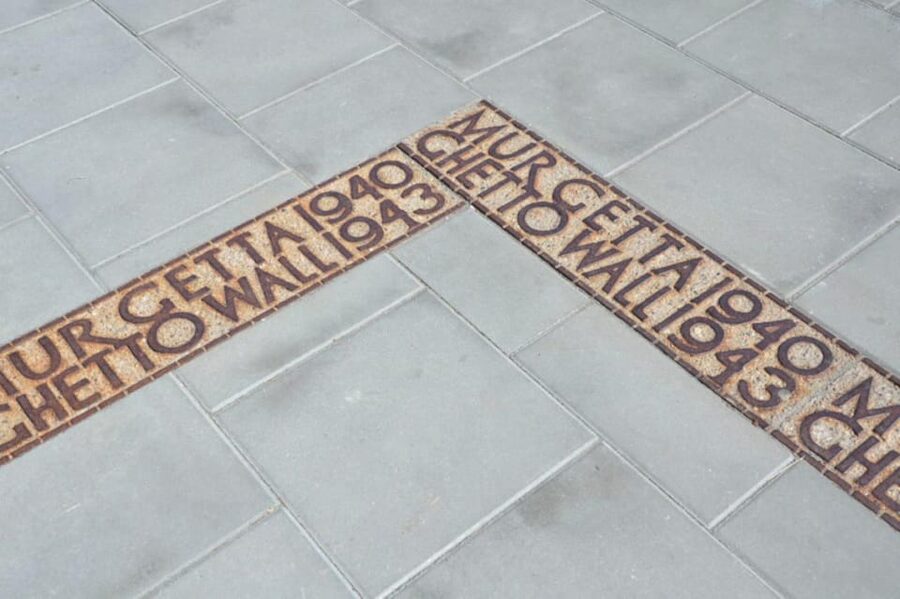
- Stops tied to two uprisings, including the 1943 Jewish Ghetto Uprising and the 1944 Warsaw Uprising
- Key occupation-era locations, including the former Nazi German District and the former Adolf Hitler Square
- Time on the ground at execution sites and 1944 resistance strongholds where you can really sense the stakes
Warsaw WWII in Real Streets, Not Just in Photos
Warsaw took a beating in World War 2 more intense than most visitors expect. The city faced bombings, brutal occupation, and daily life watched closely under the SS. Then the story turns from survival to resistance, including two major uprisings, the 1943 Jewish Ghetto Uprising and the 1944 Warsaw Uprising.
What makes this tour stand out is that it does not treat history like a list. It uses specific places as anchors, then connects them to what happened there, and how people tried to hold on. The guide’s family stories and the war photographs help you picture what the streets looked like before so much was destroyed. And because the guides are from Warsaw themselves, the tone stays grounded, not theatrical.
This is the kind of tour that changes how you see the city. You start noticing what the architecture hides, what the street layout suggests, and what the absence of certain buildings implies. You are still learning facts, but you are also learning how to read a modern city with a wartime past layered underneath.
More Walking Tours in Warsaw
- Warsaw: Old Town Highlights Walking Tour in English
★ 4.7 · 1,516 reviews - Warsaw: Old Town Guided Walking Tour
★ 4.9 · 599 reviews - Half-Day Polish Food Walking Tour with Guide and Dinner
★ 4.5 · 381 reviews
Finding the Orange Umbrella at the 20-Meter Column
Your main job is easy: show up at the meeting point and spot the guide. Look for someone holding an orange umbrella, standing close to the 20-meter-high column with a statue on top of it.
This is not a tour where you want to be wandering around early, second-guessing landmarks, or checking three different apps at once. If you want a smooth start, give yourself a few extra minutes, especially if it is windy or icy. The tour is 150 minutes, and you do not want to lose even part of that time to confusion.
The 150-Minute Flow: What You Actually Get for $20
At $20 per person for a 150-minute English walk, the value is in three areas. First, you get a professional local guide, not a generic audio track. Second, the guide brings materials like old photographs and personal stories, which is usually what costs extra in museums or private tours. Third, you get time in the streets at the exact kind of locations that help the story stick.
The “small group” part matters here. A WWII subject like this can easily become one-way. In a smaller group, the guide can keep attention up, answer questions, and adjust the pace so you do not feel lost while staying respectful of the topic.
Also, the tour is wheelchair accessible, which is a practical detail you will care about if mobility is a factor. Since the information you get in advance is limited to that headline, you should still expect a real walking tour, just designed to be doable for wheelchairs.
The Former Nazi German District: Occupation Seen from the Street
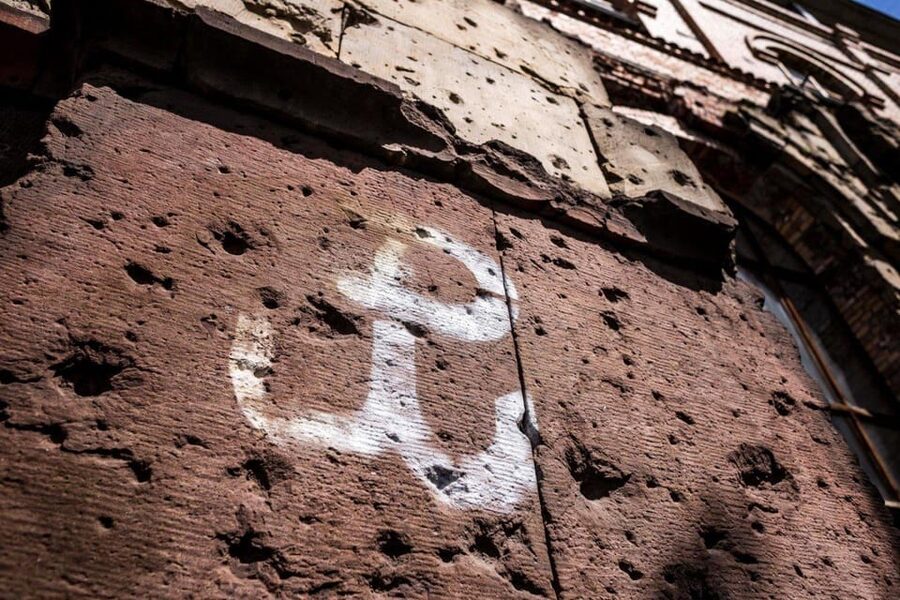
One of the tour’s core goals is to show you places where big WWII moments unfolded. It starts with the occupation-era geography: the former Nazi German District. You will learn how the Nazi regime shaped the city’s power structure, and how that influence showed up in daily life.
This is where a guided walk beats reading alone. In a book, you get dates and names. On a street, you get scale. You see how close things were, how far people might have had to travel, and why certain locations became unavoidable hubs for control.
The guide also uses war photographs to reinforce what the city looked like at the time. I like this approach because it turns an abstract topic into something you can almost map in your head. You are not just hearing what happened, you are seeing the “before” and the “during” layered over the “now.”
More WWII History Tours in Warsaw:
- Warsaw for WWII Buffs – private tour with hotel pickup
★ 5.0 · 166 reviews - Warsaw in World War 2 Walking Tour
★ 5.0 · 26 reviews - Warsaw Uprising and WWII Old Town Walking Tour with Museum
★ 4.7 · 15 reviews - World War Two in Krakow: Jewish Quarter & Ghetto Tour
★ 5.0 · 228 reviews
Former Adolf Hitler Square: When Architecture Is Part of the Story
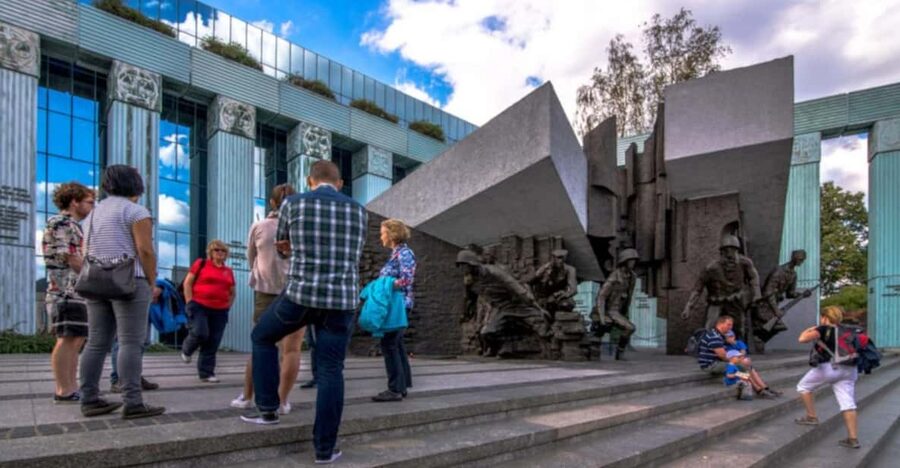
Next comes the former Adolf Hitler Square. This stop matters for two reasons. One, it helps you understand how Nazi propaganda and power were built into the urban landscape. Two, it shows how symbols were used to control people, not only armies.
It is easy for modern visitors to look at big squares and assume the story is only about events. A good guide reminds you it was also about fear, intimidation, and public messaging. The square becomes a stage, but not in a fun-tour way. The point is to understand how physical space supported political control.
In reviews, guides like Magda, Goska, and Peter get praised for explaining difficult questions clearly and for bringing in details you might not get from a museum label. That fits what a stop like this needs: someone who can connect a place to what ordinary people were experiencing in the moment.
The Jewish Ghetto Stop: 1943, Survival, and Resistance
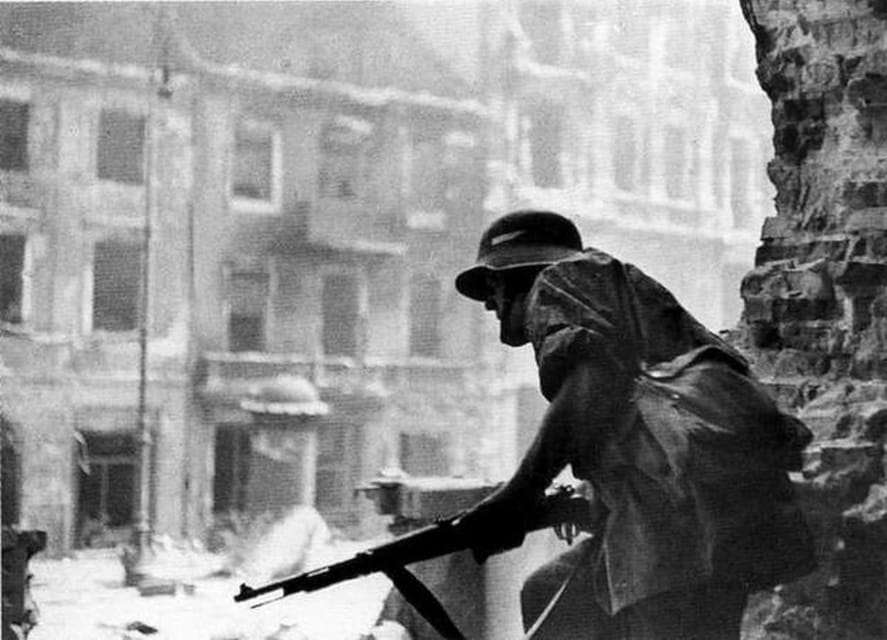
Then you reach the former Jewish Ghetto. This is one of the most emotionally intense elements of the tour, because it directly ties the city’s suffering to the 1943 uprising. The guide connects the location to what was happening in the ghetto period, and why people resisted even when the odds were grim.
Here is what I think you should watch for: the guide is likely to balance brutal facts with human stories, including how families navigated impossible conditions. That balance is important. If the tour went only for horror, it would flatten the people into victims. If it went only for inspiration, it would soften the truth. The best guides keep both in view.
Also, keep your expectations realistic. This is not a quick “see the site and move on” moment. You are meant to slow down mentally. You are learning why the uprising happened and what it meant inside a city under extreme pressure.
Execution Sites and Resistance Strongholds in 1944 Warsaw Uprising
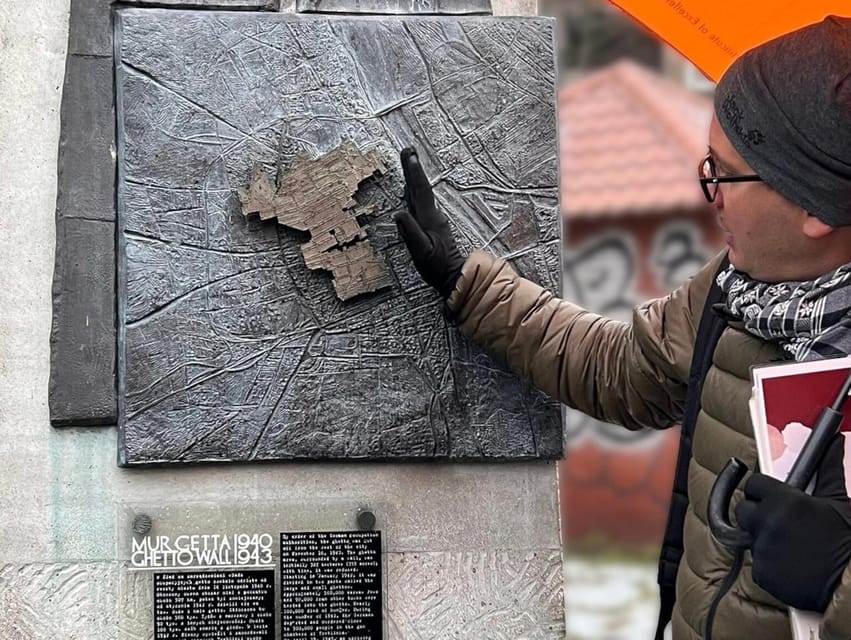
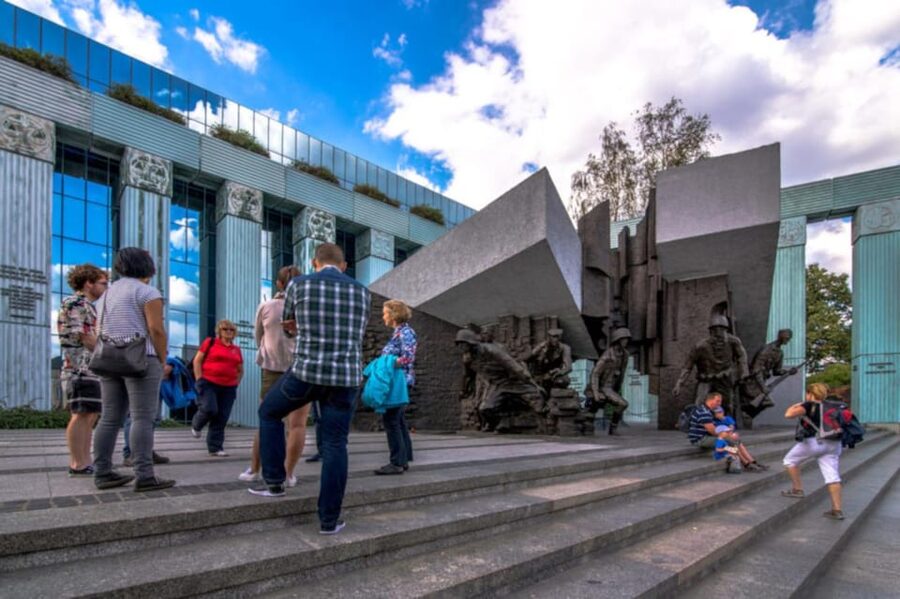
The tour then turns to the 1944 Warsaw Uprising, including execution sites and strongholds of Polish Resistance. This is where the walk feels most intense, because you are not only learning about battles. You are learning about what the occupation did to break resistance, and where people tried to hold on anyway.
Execution sites are heavy by nature. Strongholds help you understand strategy and courage. Together, they show that resistance was not just a slogan. It involved geography, coordination, and daily risk for people who knew they might not survive.
In several accounts of this tour, guides are praised for sensitivity, compassion, and the ability to answer questions without getting cold or robotic. For example, Iga and Eliza are described as engaging and as making the walk feel serious without draining all the energy out of the group. That matters here. If you feel like the guide is rushing, that can make the content harder to process.
One practical thought: since you are on foot, your attention can wander from exhaustion. Bring water, wear warm layers, and stay mentally present. This is not the kind of walk where it pays to half-check your phone.
War Photographs and Personal Family Stories: Why They Work
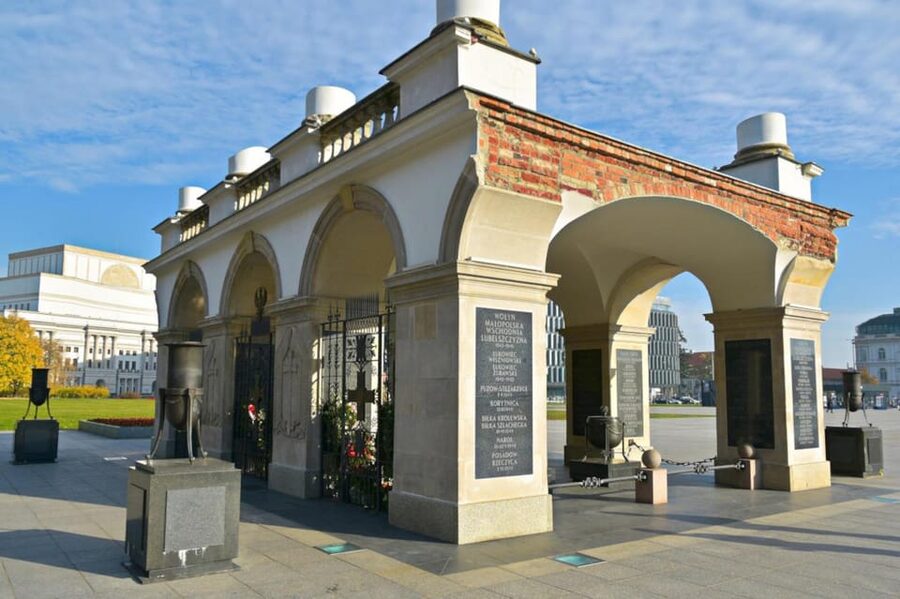
The tour’s “secret weapon” is how it uses war photographs plus personal family stories. Facts alone are necessary, but they do not always create understanding. Photographs give you context. Family stories give you perspective.
When guides share family-linked memories, the WWII story turns from history into something like inherited knowledge. You start recognizing why certain streets are emotionally loaded, why certain events are remembered in specific ways, and why the story is told with care.
In reviews, guests mention that guides made the horror understandable without downplaying it, and that the pace felt respectful. Guides such as Piotr, Andrew, Albert, and Goska come up often in this role, described as passionate, clear, and thoughtful. That kind of guiding style is exactly what you want for a tour that could otherwise become too dark too fast.
Small Groups and English Guidance: The Comfort Factor
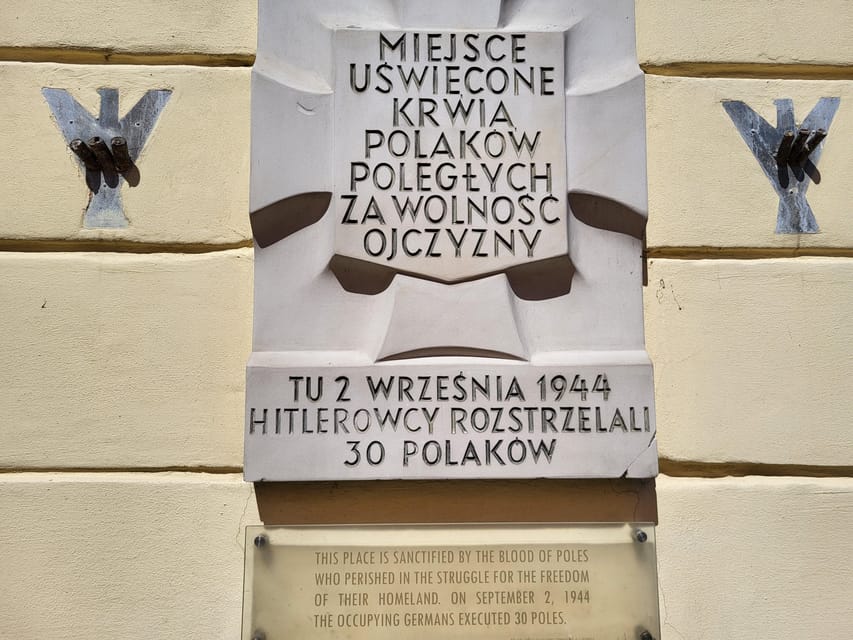
This is an English live tour guide experience, and the small-group size helps keep it readable and personal. I like that because WWII history has lots of moving parts, and English explanations can get technical if a guide loses their flow.
You also get the benefit of a local viewpoint. When the guide is from Warsaw, they can connect the wartime narrative to what the city looks like now. That connection is not a gimmick. It helps you understand why the city’s recovery and memory matter.
One caution: you will join a group of other tourists. If you need total quiet or private pace control, you may prefer a private tour format. But if you can handle a shared learning moment, the group structure is part of why the tour feels lively, not like a silent march.
Cold Weather Reality Check, and How to Keep Your Focus
This tour is outdoors. Reviews include instances of extreme cold, including days around -17 Celsius and even colder windchill. If your travel dates line up with winter, dress for real conditions, not mild ones.
The best advice is simple: layer up, cover your ears, and bring gloves you can still use. If you struggle with pace, keep an eye on it early. One review noted a situation where cold made the group cut the walk short, and another pointed out that the tour pace could feel like it moves faster than expected. In other words, go prepared so your mood does not depend on the weather.
If traffic noise interferes at times, you might miss bits of the story. That is not the guide’s fault every time, but it is still a good reason to stay close to the leader, so you can hear clearly during busier moments.
Respect, Tipping, and the Real Economics of Small Tours
The tour information includes a specific note about tipping. If you feel the guide did a great job, consider tipping, since broker, agency commission, and taxes can take up a large portion of what you pay. It is a fair reminder that small-tour economics are not magic. Your tip directly supports the person doing the work.
This is also a good mindset for tours like this. The best guiding is emotional labor, plus research and preparation. A little extra at the end helps keep that kind of guiding sustainable.
Should You Pair This With Other Warsaw WWII Stops?
You will not need to stack this with a dozen other WWII activities. In fact, the tour already covers a lot of the most central wartime threads: the Nazi German District, Hitler Square, the Jewish Ghetto, and then execution sites and resistance strongholds tied to the 1944 Warsaw Uprising.
If you still want more after this, pair it with a lighter activity later in the day. A memorial or museum can be a good follow-up, but give yourself time to absorb the emotional weight. This walk is not an appetizer. It is a full main course.
Who This Tour Fits Best
This is a strong fit if you want a guided, place-based WWII story, in English, with small-group pacing. It works especially well if you like:
- historical walking tours with direct site context
- human-scale stories alongside major events
- guides who can explain complex history in plain language
It is also a good choice for mixed ages, including families. One review specifically mentioned a father and teenage son learning a lot and feeling like the time flew by.
If you are the type who wants only broad, light overview content, or if you know you need a totally casual pace, you might find it too heavy. But if you can handle serious history with care, it is a solid use of time.
Practical Booking Tips (Without the Paperwork Headache)
You can reserve with pay later, which helps if Warsaw weather or your overall schedule is still changing. The tour also offers free cancellation up to 24 hours in advance for a full refund, which gives you flexibility.
And because the meeting point uses an identifiable guide marker, the orange umbrella matters. Arrive on time, find the umbrella fast, and start warm and ready. Your best experience starts before you even begin walking.
Final Verdict: Book It If You Want WWII Warsaw Explained in Human Terms
I recommend this tour if you want WWII Warsaw in a way that feels specific, grounded, and guided by people who know the city. The best part is the combination of local guides, small-group attention, and the mix of war photographs with personal family stories. That combination is what helps history land in your head and stick in your memory.
Skip or rethink it only if you strongly dislike serious topics, you cannot handle outdoor walking in cold conditions, or you want a totally private experience. Otherwise, this is a high-value way to understand why Warsaw’s WWII story still matters.
FAQ
How long is the World War 2 in Warsaw walking tour in English?
The tour lasts 150 minutes.
What is the price per person?
The price is $20 per person.
What language is the tour conducted in?
The tour is conducted in English with a live guide.
Where do we meet for the tour?
Meet a guide holding an orange umbrella, standing close to the 20-meter-high column with a statue on top of it.
Is the tour wheelchair accessible?
Yes, the tour is listed as wheelchair accessible.
Is this tour private or will I join other people?
You will join a group of other tourists, and the tour is described as small group.
Is there a cancellation option if my plans change?
Yes. You can cancel up to 24 hours in advance for a full refund.
Fresh Warsaw reviews
- Warsaw Off The Beaten Path Self-Drive Tour★ 5.0 · 18 reviews
- Private Warsaw Chopin Airport One Way Transfer★ 5.0 · 18 reviews
- Zelazowa Wola: Frederic Chopin Half-Day Private Tour★ 4.7 · 18 reviews
- Warsaw: 2-Hour Chopin’s Life Walking Tour★ 5.0 · 19 reviews
- Warsaw: melt museum Entry Ticket★ 3.5 · 19 reviews
- Deluxe Polish Food Tour Experience in Warsaw★ 5.0 · 19 reviews
- FSO Gunrange, Shooting Package US ARMY★ 5.0 · 19 reviews
- Gdansk and Malbork Castle Small Group Tour from Warsaw with Lunch★ 4.5 · 20 reviews
WWII History Tours, compared.
World War Two in Krakow: Jewish Quarter & Ghetto Tour
Read our review →
Warsaw for WWII Buffs – private tour with hotel pickup
Read our review →
III Reich & WW2 in Wroclaw. Monday, Wendsday, Friday regular tour
Read our review →
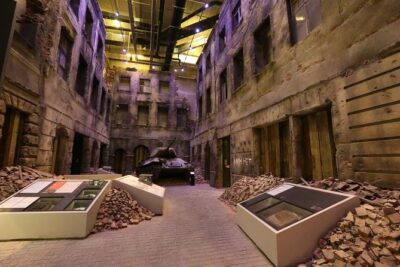
Museum of the Second World War Gdansk Private Tour & Tickets
Read our review →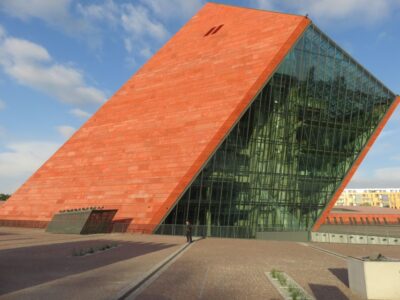
Gdansk Private WWII Tour with Museum of the Second World War
Read our review →Browse the lists this tour appears in