
Reviewed · WWII HISTORY TOURS
Wroclaw: WW2 Tour to Project Riese & Gross-Rosen Museum
This is one of those Wroclaw day trips where the scenery and the subject matter both hit hard, in the best, most educational way. You start with a 1.5 hour drive through mountains and countryside to Project Riese, then you move underground and see how Nazi Germany planned a huge wartime construction in Lower Silesia.
I especially like that everything runs on included audioguides, so you can focus on what you are seeing without having to hunt down extra info. One real consideration: the Riese tunnels sit at about 8 to 10°C, and the experience is not a good fit if you have claustrophobia.
Key things to know before you go
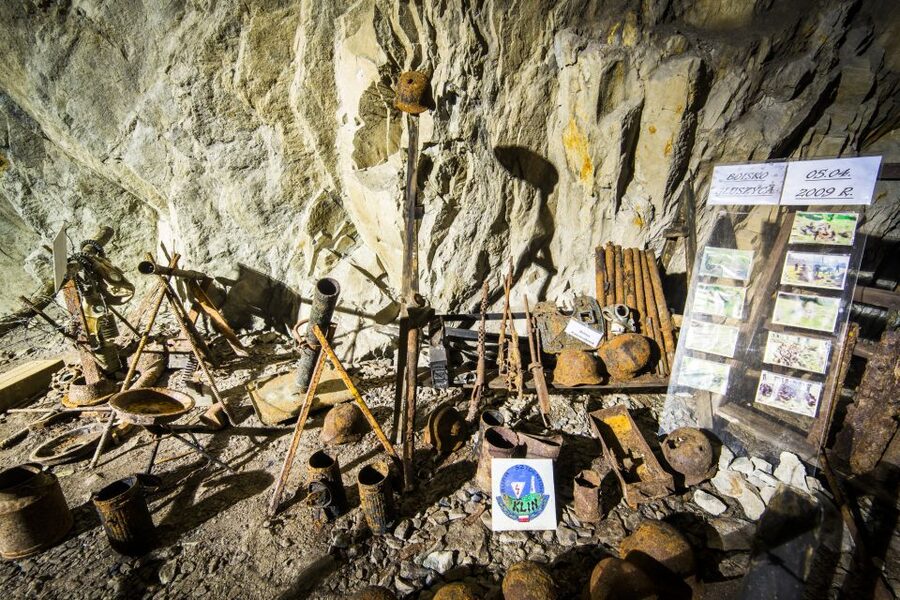
- Project Riese sites across the Owl Mountains and near Książ Castle, including Osówka, called the Underground City
- A full-circuit WWII story focused on Lower Silesia, with Nazi construction plans followed by a concentration camp visit
- Gross-Rosen museum pacing, with a short film and up to 2 hours for indoor and outdoor exhibitions
- Comfort matters, since Project Riese is cold (around 8 to 10°C) and you will need comfortable walking shoes
- English-speaking driver plus multilingual audioguides, including English, German, French, Spanish, and Italian
Getting from Wroclaw to the mountains: why the ride is part of the day
You get picked up from your hotel in Wroclaw (or nearby accommodation), then you head out in an air-conditioned minivan. The transfer to Project Riese takes about 1.5 hours, and it is not just dead time on the clock. The drive through mountains and countryside helps you shift from city mode into the Lower Silesia setting where these sites sit.
For an 8-hour outing, this kind of guided transportation is a big value. You do not have to figure out schedules, parking, or public transport connections, and you can keep your attention on the sites instead of the logistics.
One practical note for your comfort: plan on a long day and wear layers. You start outdoors and in the vehicle, then you go to places where the air feels colder fast once you are underground.
Project Riese underground city: what you will actually walk through
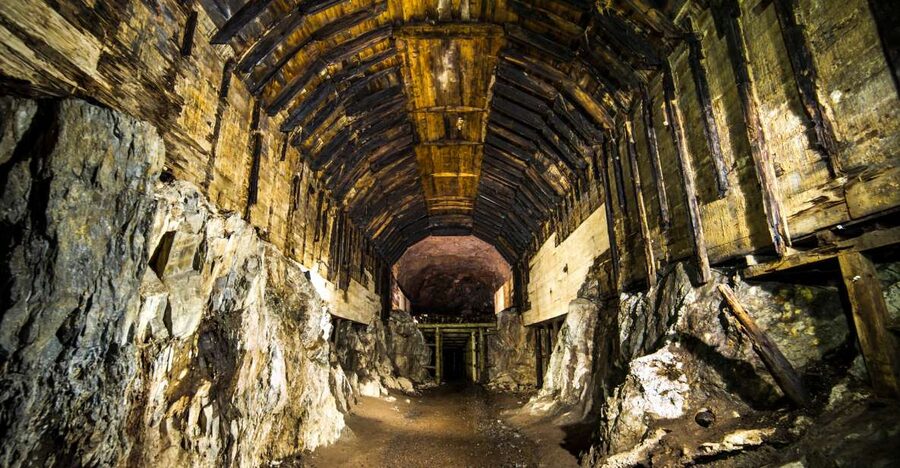
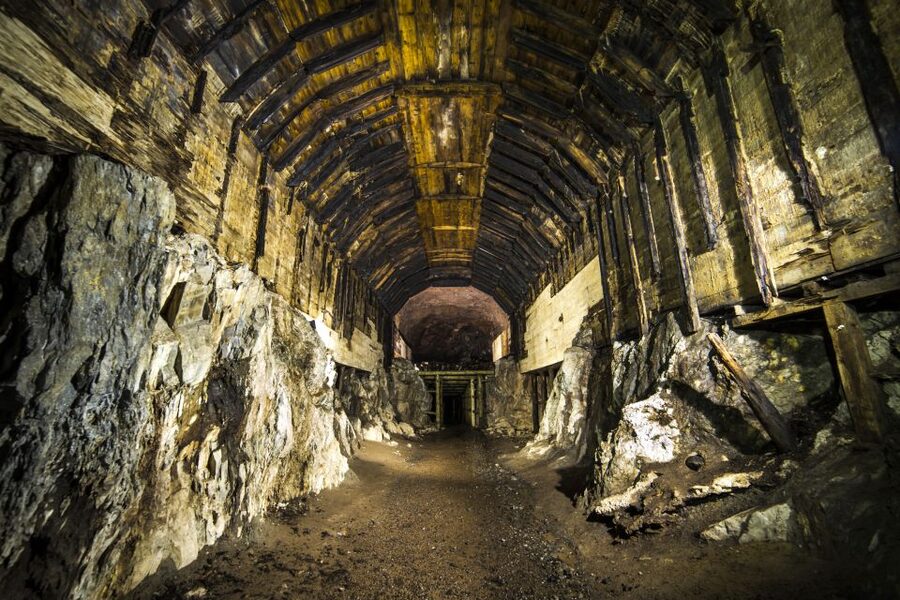
Project Riese was the codename for an impressive Nazi Germany construction program initiated between 1943 and 1945. The plan included seven underground structures located in the Owl Mountains and linked with Książ Castle. In practical terms, that means you are not looking at one single tunnel. You are seeing an entire network, with areas in different stages of completion.
At the site, you explore the underground caverns and learn what was being built and why it mattered in the wartime context. What I find useful is that the narration is tied to what you can see on the ground. You are not just watching a slideshow. You are moving from space to space, picking up context as each area changes.
Osówka, the Underground City
Osówka is specifically highlighted as the Underground City. That name matters because it frames what you are looking at: the sense of a larger hidden complex rather than a single room or passage.
Your audioguide is there to help you connect the dots, and it is available at the Riese Complex. The included languages are English, German, French, Spanish, and Italian, so if your group includes multiple language preferences, you can usually match the audio to the person.
The cold reality check (8 to 10°C)
Project Riese runs around 8 to 10°C underground. That is not a guess. It is a temperature range you should plan for. Even if you pack a light jacket for Wroclaw, you will likely want a warmer layer once you are inside.
Bring a jacket or sweater, and wear comfortable shoes with good grip. The day includes walking outdoors to reach viewpoints and then time inside the structures, so you want footwear that feels steady.
How to think about the Nazi construction plan without turning away
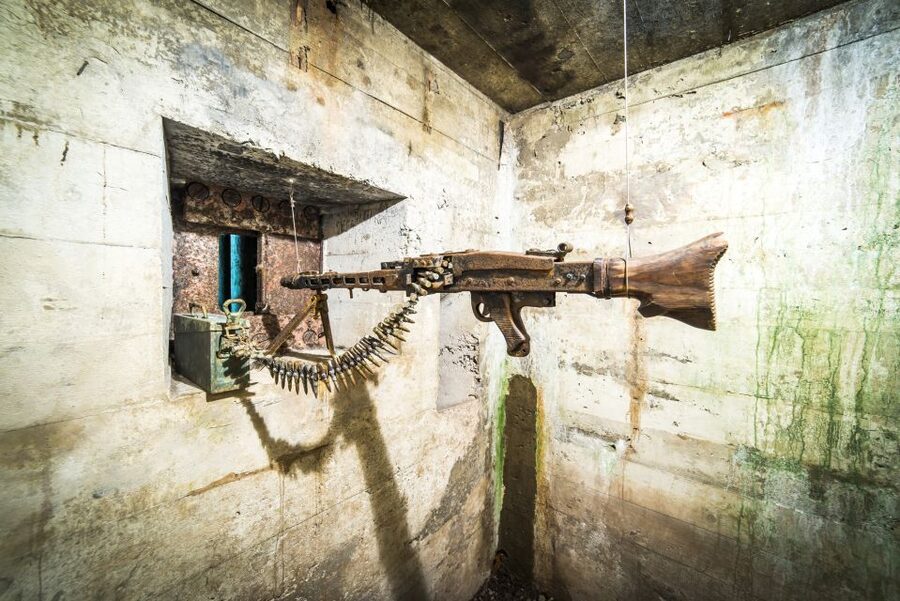
It is easy for WWII sites to become either too abstract or too graphic. This tour keeps you grounded in the physical locations: the underground construction network and what was intended during 1943 to 1945.
You will also notice that the underground structures are in different states of completion. That detail is important for understanding why Project Riese feels unfinished in places. It gives you a sense of urgency and disruption late in the war, rather than presenting it as a clean, fully realized project.
If you are the type who likes to understand the logic behind the buildings, you will appreciate how the experience connects code names, location, and the underground layout. If you prefer your WWII history more focused on dates and commands, you might still find the project sections helpful because they show how planning and secrecy worked on a large scale in the region.
One caution to keep in mind: the tour is not suitable for wheelchair users and can be challenging for anyone who dislikes tight spaces. Project Riese is an underground experience, and the description specifically flags claustrophobia as a no-go.
Lunch timing: a simple choice that affects the whole pacing
You have two options for the time between the Riese stop and the Gross-Rosen stop. You can pause for lunch, or your driver can take you straight to the Gross-Rosen concentration camp.
Both choices can make sense depending on your style:
- If you want a slower, more comfortable rhythm, taking lunch time can help you recharge before a heavy museum visit.
- If you want to maximize time with exhibits and keep the schedule tight, going directly to Gross-Rosen keeps momentum.
Since food and drinks are not included, you will need to plan where lunch fits. If you are booking because you want a clean, controlled schedule, going straight may feel easier. If you prefer a break, build in time to eat properly so you do not feel rushed later.
Either way, the day is built to move you from one site’s physical remnants to the museum interpretation that follows.
Gross-Rosen Concentration Camp Museum: film first, then up to two hours of exhibits
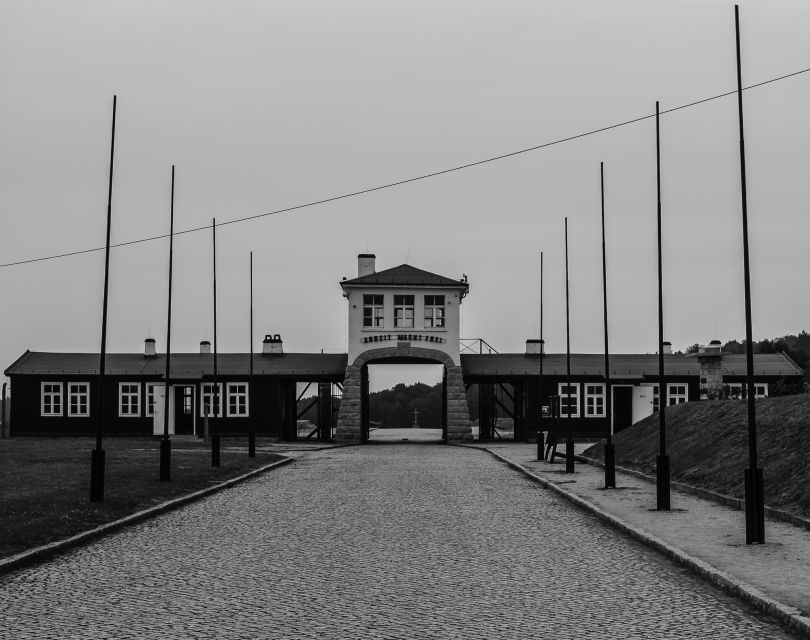
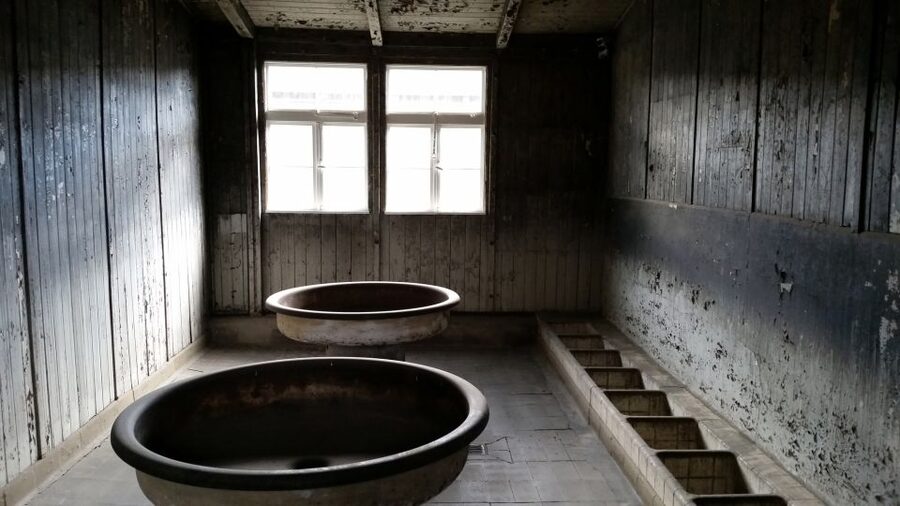
Gross-Rosen was part of a German network of Nazi concentration camps built and operated during World War II. The main camp was in the German village of Gross-Rosen. By 1944, the complex included up to 100 sub-camps across eastern Germany, Czechoslovakia, and occupied Poland.
It helps to know the scale before you step into the museum. At its peak, Gross-Rosen accounted for about 11% of inmates in the Nazi concentration camp system. That percentage gives you a quick mental framework for how significant this camp network was, not just as a local site but as part of something larger.
The short film and why it matters
In the museum, you watch a short film about the camp’s history. For many people, the film is the best way to get immediate context before you start reading exhibits or walking outside.
You then get up to 2 hours to explore the indoor and outdoor exhibitions. That time window is long enough to take notes, read key panels, and step outside to see how the museum grounds present the story in physical space.
What you should do with that 2-hour block
Use the film as your anchor, then treat the museum time like two passes. First, focus on the indoor exhibitions so you absorb the timeline and main themes. Then, once you head outdoors, you can connect the physical layout and locations to what you just learned indoors.
This is the part of the day where pacing really counts. The tour does not try to rush you through everything at once. It gives you time to actually look, not just pass by.
Price and value: what your $171 includes, and what it does not
At about $171 per person for an 8-hour private tour, the value comes from what is bundled. You get hotel pickup and drop-off, round-trip private transfer, and transport in an air-conditioned minivan. Entrance fees are included, as is use of audioguides at both Project Riese and the Gross-Rosen Museum.
You also get fuel surcharge and GST covered, plus bottled water during the day. For many travelers, that is the difference between a smooth day and a stressful scramble for tickets and transport.
What you will likely pay separately
Food and drinks are not included. The only other likely add-on is personal spending once you are away from Wroclaw options, since you will be on a fixed schedule.
Also, a local guide is not included. Instead, the tour uses a driver/guide model for the day, plus audioguides for interpretation at the sites. If you love live commentary all day, that is something to consider, but audioguides cover interpretation inside the key spaces.
Overall, if your group wants one-day transportation with site entry and multilingual audio support, this price is easier to justify.
Who this WW2 tour suits best, and who should skip it
This tour makes the most sense if you want:
- A structured WWII day trip from Wroclaw without handling transport
- A clear pairing of Project Riese with the Gross-Rosen museum
- Included audioguides in multiple languages, useful if you travel with mixed-language companions
- A full day with time to actually explore, including up to 2 hours at Gross-Rosen
It is not suitable for certain needs and preferences. It is not wheelchair accessible. It is not appropriate for people with claustrophobia, since Project Riese is an underground setting. Children below 5 cannot enter Project Riese, and kids must be accompanied by an adult.
If you are traveling with kids, plan carefully around that age rule. It can change what your day looks like more than you expect, because Project Riese is the first big site on the schedule.
Book or pass: my quick decision guide
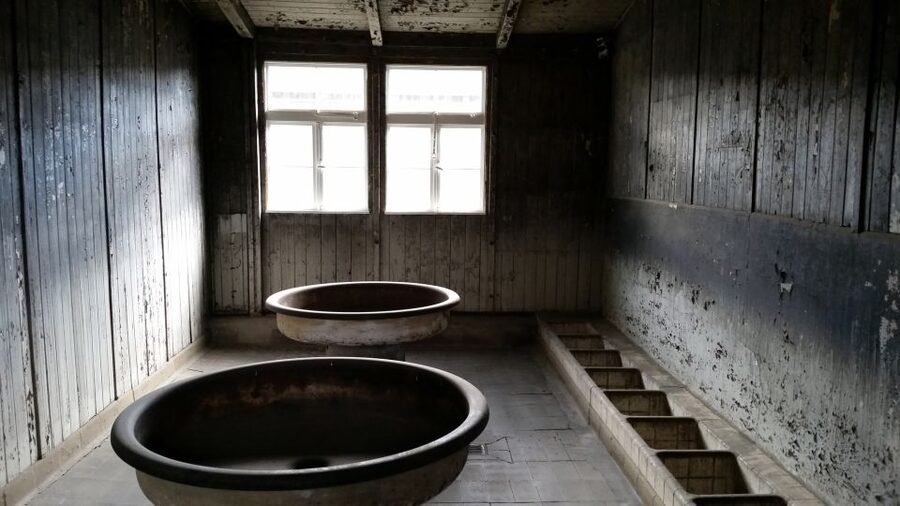
I would book this tour if you want a well-paced WWII-focused day from Wroclaw that combines a physical underground construction complex with a serious concentration camp museum visit. The included transfers, entrance fees, and audioguides make it feel complete, and the timing gives you real time at Gross-Rosen instead of treating it like a quick stop.
I would pause before booking if you cannot handle cold, tight spaces, or you need wheelchair accessibility. If you are sensitive to claustrophobia, Project Riese is a deal-breaker. And if your idea of a day trip depends on live local guiding all the way through, you may prefer a format that includes more in-person commentary.
If you match the needs, this is a strong choice for learning how Lower Silesia fits into late-war Nazi planning and the broader concentration camp system, with enough time to look and think.
More Museums in Gross Rosen Concentration Camp
- Auschwitz-Birkenau Museum and Memorial Guided Tour from Krakow
★ 4.5 · 1,510 reviews - Warsaw: POLIN Museum of the History of Polish Jews Ticket
★ 4.7 · 1,142 reviews - Krakow: Rynek Underground Museum Guided Tour
★ 4.6 · 1,122 reviews - Warsaw: Polish Vodka Museum Tour with Tasting
★ 4.6 · 788 reviews
More WWII History Tours in Gross Rosen Concentration Camp
- World War 2 in Warsaw walking tour in English
★ 4.7 · 237 reviews - World War Two in Krakow: Jewish Quarter & Ghetto Tour
★ 5.0 · 228 reviews - Warsaw for WWII Buffs – private tour with hotel pickup
★ 5.0 · 166 reviews - Wroclaw: Third Reich and World War Two Historical Tour
★ 4.9 · 43 reviews
Just reviewed across Poland
- Czestochowa Black Madonna Private Day Tour from Krakow★ 5.0 · 18 reviews
- Zakopane PRIVATE TOUR from Krakow★ 5.0 · 18 reviews
- Warsaw Off The Beaten Path Self-Drive Tour★ 5.0 · 18 reviews
- Private Warsaw Chopin Airport One Way Transfer★ 5.0 · 18 reviews
- Chopin Candlelight Concert with Wine in Krakow★ 5.0 · 18 reviews
- Krakow City Pass – Museums, Atractions & City Transport★ 4.0 · 18 reviews
- Krakow: Garden of Lights Pinocchio Entry Ticket★ 4.7 · 18 reviews
- Zelazowa Wola: Frederic Chopin Half-Day Private Tour★ 4.7 · 18 reviews
WWII History Tours, compared.
World War Two in Krakow: Jewish Quarter & Ghetto Tour
Read our review →
Warsaw for WWII Buffs – private tour with hotel pickup
Read our review →
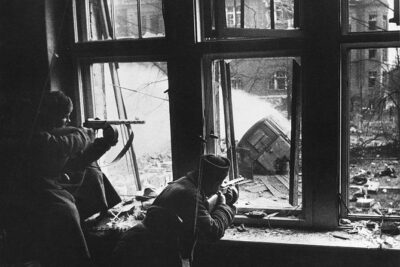
III Reich & WW2 in Wroclaw. Monday, Wendsday, Friday regular tour
Read our review →
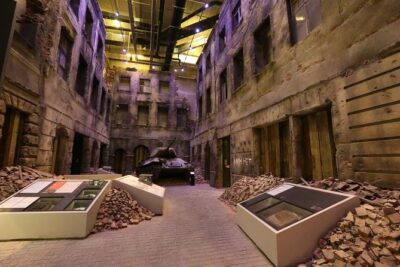
Museum of the Second World War Gdansk Private Tour & Tickets
Read our review →
Gdansk Private WWII Tour with Museum of the Second World War
Read our review →Browse the lists this tour appears in