
Reviewed · WWII HISTORY TOURS
Wroclaw: Third Reich and World War Two Historical Tour
This tour is gripping because Wroclaw’s streets sit right on top of World War Two memories. In just two hours, you get a clear picture of how the city moved from German rule to a postwar rebuild after the siege in early 1945, with lessons that make the past feel painfully close. I like the way the guide turns history into something you can picture, not just dates you can recite.
I especially like the expert guide part. Guides such as Michael, with spellings you might see as Mihael or Michal, communicate well and keep the story moving while still answering questions.
My second favorite thing is the lineup of landmarks. You’ll see major stops across the Old Town and beyond, including the former Gestapo building, the White Stork Synagogue, and the Dietrich Benchoffer Memorial. The possible drawback is simple: it’s a walk with a fair bit of steady moving, and it runs rain or shine.
Key highlights worth circling
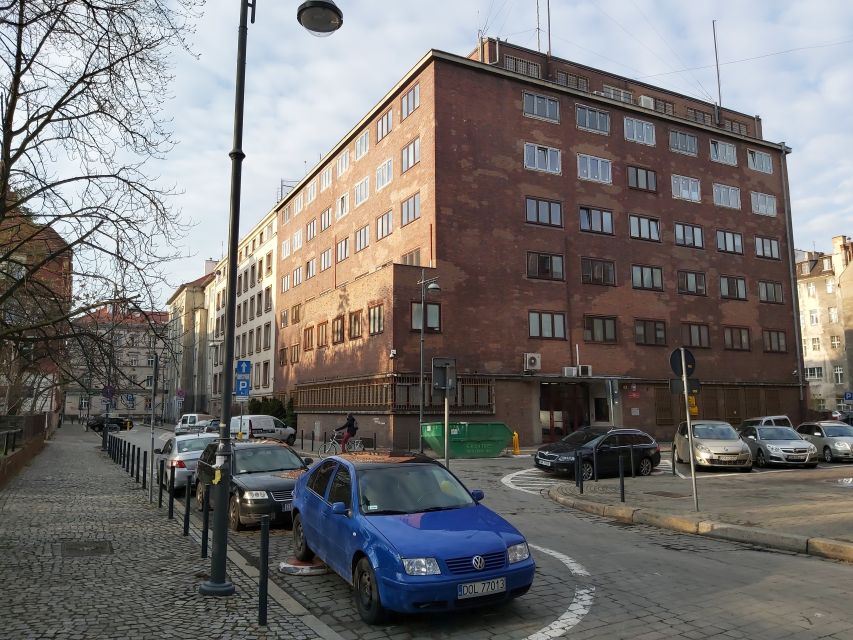
- Former Gestapo building: a heavy, unmistakable focal point in the story of wartime control.
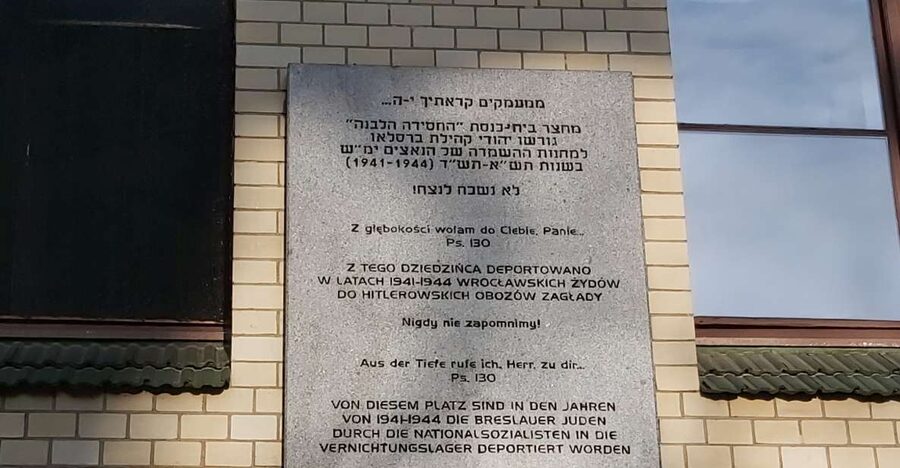
- Jewish heritage and Holocaust storytelling: guided context tied to real places, including the White Stork Synagogue.
- Wolności Square and the Old Town route: a practical way to connect the city’s landmarks to what happened during the war.
- Dietrich Benchoffer Memorial: a moment on the walk that shifts the tone from events to remembrance.
- Natural break in the terrain: Sand Island and Cathedral Island give you a different feel as the route ends.
- Two-hour format: enough time for meaning, not so long that you’re stuck in the same topic all day.
Meeting at Hotel Monopol, then getting your bearings in Wroclaw
Start at Hotel Monopol. Meet your guide outside the main entrance, and look for the sign that says World War Two Tour. The route is set up for an easy flow through the central areas, and the starting point helps you avoid the stress of figuring out where to begin.
Right away, you get a framing talk. The guide explains how Wroclaw belonged to Germany until the end of World War Two. That matters, because it changes how you read what you see today. The city you walk through now is partly the product of what survived, what was damaged, and what was rebuilt.
This is also a tour where your guide is doing more than narration. You’ll be asked to imagine what daily life might have felt like here during the war. That mental exercise is not fluff. It makes the later stops, especially the sites tied to wartime authority and persecution, hit with more clarity.
More Historical Tours in Wroclaw
- Best of Wroclaw 3-Hour History and Culture Walking Tour
★ 4.9 · 49 reviews - Wroclaw: Private Tour by smal Historic Tram 1,5h 13-16 seats
★ 4.9 · 24 reviews - UNESCO World Heritage-listed Church of Peace Day Tour from Wroclaw
★ 4.5 · 14 reviews
How the 1945 siege shaped what you see today
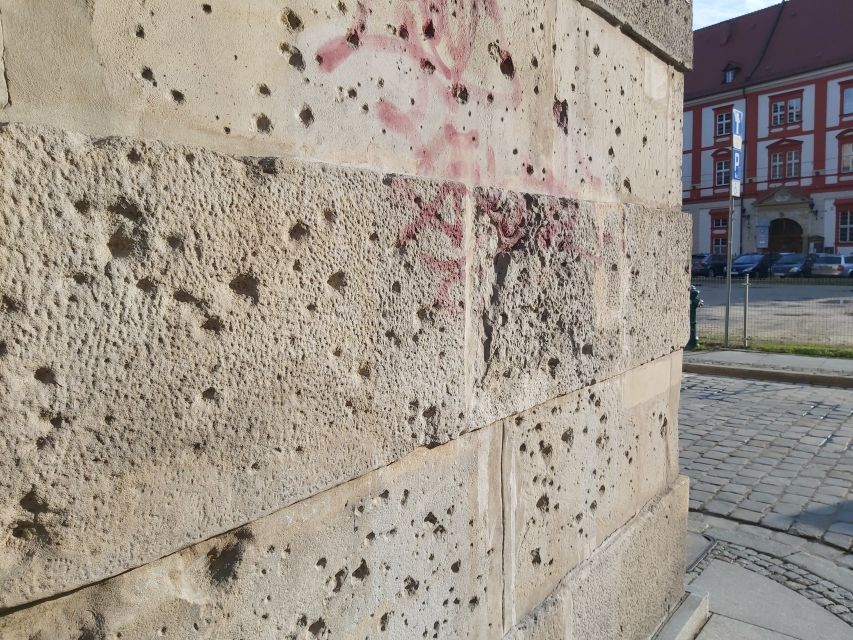
The backbone of the tour is the siege between February and May 1945. You’ll hear that most of the city’s buildings were damaged or destroyed, and only partially rebuilt infrastructure remains in the form you recognize now.
That’s a key point for your expectations. When a city is heavily destroyed and rebuilt, it changes what physical evidence you can rely on. So instead of hunting for intact wartime structures, you focus on landmarks that still anchor the story, plus the spatial logic of where things were positioned in the city.
You’ll walk through the Old Town district, and the guide helps you connect the dots. You’re not just seeing pretty facades or scenic corners. You’re tracing how a place can be transformed, and how memory can outlast the original buildings.
If you’re the kind of traveler who wants proof on every corner, this part might feel emotionally complicated. The tradeoff is that the tour explains why the city looks the way it does, which is often more useful than staring at ruins you cannot fully interpret on your own.
Wolności Square, and the power of a guided route
As you move through the Old Town, you’ll reach Wolności Square. Squares are good for tours like this because they act like hubs. Even if you are not staring at a single dramatic structure, you can feel the city’s layout and how movement works.
Your guide uses the square and surrounding streets as a way to talk about wartime life and the city’s shifting control. This is where you start to understand the tour’s main goal: not just naming sites, but connecting them into one coherent narrative.
One practical tip for you here: wear shoes you can walk in without thinking about it. You will be on your feet for most of the two hours. The walking pace is manageable, but it is not a sit-down, picture-only stroll.
Also, keep an eye on the weather. The tour runs rain or shine, and Wroclaw can be cold enough that your attention will drift toward staying comfortable. Bring a jacket you can actually move in, so you stay focused on the story instead of the cold.
The former Gestapo building, a turning point in tone
At the former Gestapo building, the tour turns heavier. This stop is included for a reason: it puts you close to the machinery of wartime power. Standing there as you learn the local context helps you understand why the guide spends time setting up the city’s rule under Germany.
I like that the guide does not treat this as a quick photo stop. The point is to connect what happened to the specific location, and to explain the wartime setting that made institutions like this part of everyday life.
If you get uncomfortable with dark topics, that doesn’t mean you should skip the tour. It means you should plan for it. I recommend taking a minute, looking around, and letting the setting settle before you move on. You get more out of the explanation when your brain is not rushing through the emotions.
More WWII History Tours in Wroclaw:
- III Reich & WW2 in Wroclaw. Monday, Wendsday, Friday regular tour
★ 4.5 · 32 reviews - World War 2 in Warsaw walking tour in English
★ 4.7 · 237 reviews - World War Two in Krakow: Jewish Quarter & Ghetto Tour
★ 5.0 · 228 reviews - Warsaw for WWII Buffs – private tour with hotel pickup
★ 5.0 · 166 reviews
White Stork Synagogue, Jewish heritage, and Holocaust remembrance
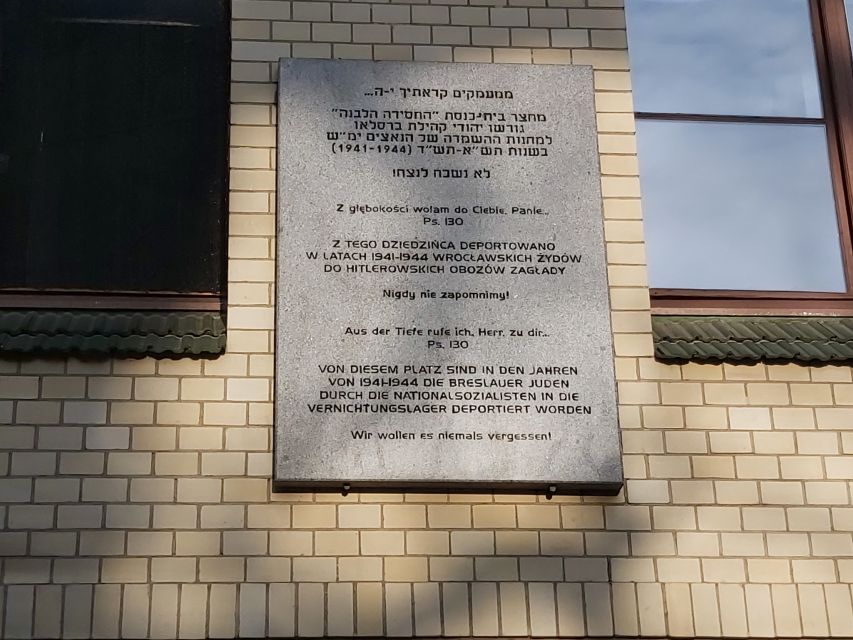
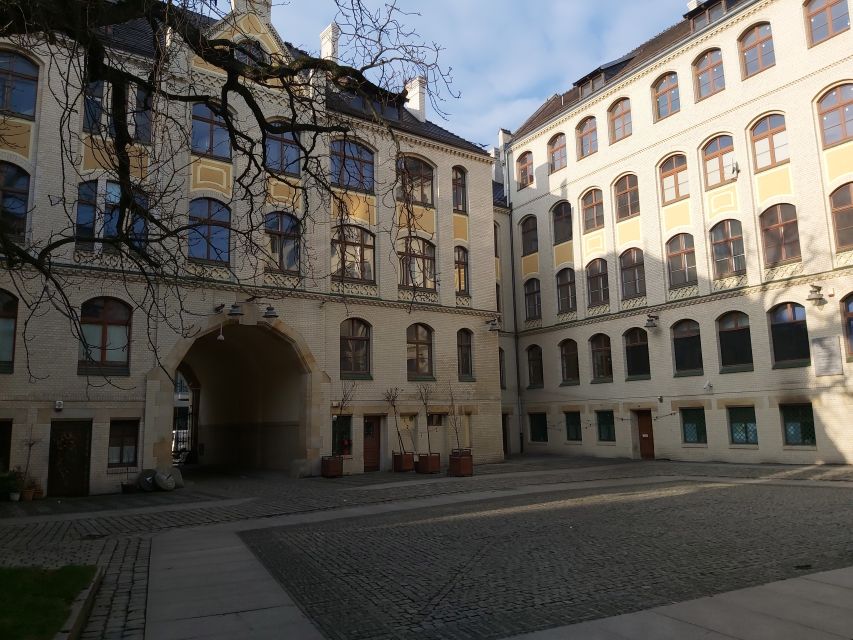
The White Stork Synagogue is one of the most important stops on the route. Along the way, you’ll hear stories about local Jewish heritage and the Holocaust. This is not presented as a separate, random theme. It is woven into the story of what the city was under wartime rule and how the community experienced persecution.
I like that the guide ties remembrance to a real place. It makes the topic feel grounded and specific, instead of floating in broad textbook terms. Even if you do not know local history going in, you will come out with a clearer understanding of why these sites matter.
For practical comfort, be ready for a different pace of conversation at this stop. Topics like this often need pauses, and a good guide gives you room to process what you’re hearing without cutting it short.
If you care about respectful context, this is also where you should keep your phone away until you’re ready. You’ll get the best experience by listening first, then photographing if the moment feels appropriate.
Dietrich Benchoffer Memorial: remembering people, not just events
Next you’ll reach the Dietrich Benchoffer Memorial. Memorial stops on walking tours are tricky because they can turn into background noise if you rush. Here, the guide helps keep the focus on what remembrance means in a place shaped by conflict.
I find memorials like this useful because they shift your attention from systems and dates to the reality that individuals mattered. The stories stay connected to the wider WWII narrative you’ve been building since the tour started.
Also, memorials work well on a guided walk because you can move to them with context already in your head. You’re not just dropped into the “sad part” of the tour. You arrive already knowing the wartime setting, the siege period, and the postwar transformation.
University Church, Ossolineum Garden, and the texture of daily city life
You’ll also pass through stops like the University Church and the Ossolineum Garden. These locations give the tour a wider angle. They remind you that a city is not only its darkest chapters. It has institutions, routines, and spaces that shaped ordinary life.
In tours focused purely on battle or politics, you can miss that everyday texture. Here, you get just enough variety to make the wartime story feel grounded in a real environment.
Gardens and church spaces also tend to slow your feet down naturally. That can be a relief, especially if you’re not used to walking for long stretches. Take advantage of that moment, breathe, and let the guide’s points land.
Sand Island and Cathedral Island: where the route lands
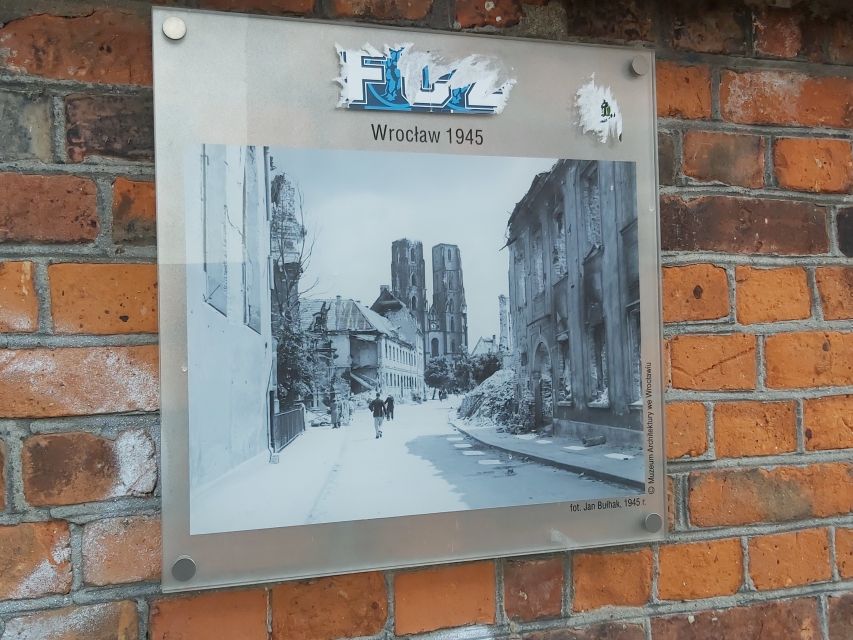
Near the end of the tour, you move toward Sand Island and then finish on Cathedral Island. The route ending at Cathedral Island is a good choice because it gives you a satisfying spatial conclusion. You’re not trapped in the densest streets forever.
This part also helps you connect the theme of transformation. The siege and postwar rebuilding explained early on now make more sense in your body. You’ve walked through a story, and the ending gives you time to look around with fresh eyes.
I like that the tour doesn’t end on a single grim note. It ends in a place where you can step back and reframe what you learned. Even if the subject matter is difficult, the ending helps you process it.
Price and time: does $31 feel fair for a WWII walk?
At $31 per person for a 2-hour guided tour, this is fairly priced for what you’re getting. You receive a licensed tour guide, plus access to multiple major landmarks tied to WWII and the city’s wartime context.
The real value is not just the number of stops. It’s the way the guide connects them. A self-guided stroll through Wroclaw can be lovely, but you would miss the narrative thread: German rule, the siege in early 1945, the damage and rebuilding, and the Jewish heritage and Holocaust context tied to specific sites.
Two hours is also a good length for this topic. You get enough time to understand the sequence of events and what changed, without feeling like you have to commit your whole day to one theme.
One tradeoff to keep in mind is that you do not get a car tour or a quick hop from place to place. It’s a walking experience. If you have limited mobility or you hate cold weather, plan for extra layers and break time after.
Who this tour suits best, and who might want a different option
This tour fits you if you want a clear, guided interpretation of Wroclaw’s WWII-era story and you care about respectful context for Jewish heritage and Holocaust remembrance. It also works well if you enjoy walking tours that are more about meaning than only photos.
It might be less ideal if you want lots of intact WWII structures to physically point at. With the siege causing widespread destruction, the tour focuses on landmarks that anchor the story and the city’s layout, not on pristine ruins. The guide helps you work around that reality, but your expectations should still match the premise.
It’s also a good choice for history-minded travelers who like asking questions. Some guides are particularly strong at explaining details and answering inquiries, and you’ll benefit more if you bring curiosities.
Practical notes so you stay comfortable and engaged
This tour happens rain or shine, so dress like you expect real weather. Since there is walking involved, bring supportive shoes. Also, monuments and sites may have operating hour changes, which can affect what you see up close.
It’s in English, and it is wheelchair accessible. The tour requires at least 4 participants to operate, so if you’re traveling in a quiet season, it’s worth checking that your selected time is confirmed.
Group dynamics matter on any walking tour. If you prefer a quieter experience, consider choosing a day with fewer crowds. The good news is the tour format is designed around an ongoing guided route, so the experience remains cohesive even with different group sizes.
Should you book this Wroclaw Third Reich and World War Two tour?
I think you should book it if you want a focused, two-hour walk that connects wartime German rule, the 1945 siege and destruction, and the human stories tied to Jewish heritage and the Holocaust. The inclusion of sites like the former Gestapo building and the White Stork Synagogue gives the tour real weight.
Book it especially if you like guides who explain clearly and answer questions, and if you are comfortable with a theme that is serious and emotional. The walking is not extreme, but it is steady, so wear good shoes.
Skip it only if you want a lighter, purely sightseeing style tour. This one is about history with consequences, and your best experience comes from showing up ready to listen.
FAQ
Where does the tour start?
The tour meets outside the main entrance of Hotel Monopol in Wroclaw. The guide will be holding a sign that says World War Two Tour.
How long is the Wroclaw WWII tour?
The tour lasts 2 hours.
Where does the tour finish?
The tour finishes on Cathedral Island in Wroclaw, Poland.
Is the tour offered in English?
Yes, the live tour guide provides the tour in English.
Does the tour run in bad weather?
Yes. The tour takes place rain or shine.
Is the tour wheelchair accessible?
Yes, the tour is wheelchair accessible.
What do I need to know about group size and operation?
The tour requires at least 4 participants to operate, so availability can depend on that.
How much does it cost?
The price is $31 per person.
Fresh Wroclaw reviews
- Wrocław: city walk with a professional guide and cruise★ 4.8 · 19 reviews
- Legends of Old Town 1 Hour Walking Tour in Wroclaw (English)★ 4.9 · 20 reviews
- Wroclaw: NO LIMIT BEER City Tour Sightseeing By Golf Cart★ 4.8 · 21 reviews
- Jewels of Lower Silesia★ 5.0 · 22 reviews
- Wrocław: Guided City Tour with a Local★ 5.0 · 22 reviews
- Wroclaw: Private Tour to Project Riese★ 4.6 · 22 reviews
- #1 Bestseller Gun Shooting Package with Hotel Transfers Wroclaw★ 4.5 · 23 reviews
- The Classic E-Scooter (3 wheeler) Tour of Wroclaw – everyday tour at 6:00 pm★ 5.0 · 24 reviews
WWII History Tours, compared.
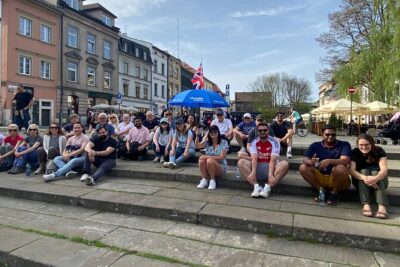
World War Two in Krakow: Jewish Quarter & Ghetto Tour
Read our review →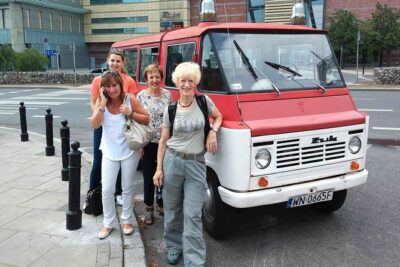
Warsaw for WWII Buffs – private tour with hotel pickup
Read our review →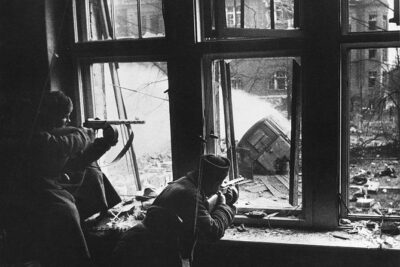
III Reich & WW2 in Wroclaw. Monday, Wendsday, Friday regular tour
Read our review →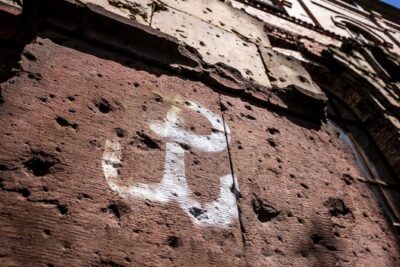
Museum of the Second World War Gdansk Private Tour & Tickets
Read our review →
Gdansk Private WWII Tour with Museum of the Second World War
Read our review →Browse the lists this tour appears in