
Reviewed · WWII HISTORY TOURS
Warsaw: WWII Private Tour by Retro Minibus with Hotel Pickup
Warsaw’s WWII story is usually told with a few “must-see” stops. This tour changes the feel by turning the city into a timeline, starting from the clash of empires in 1939 and ending with the destruction of 1944. The retro Żuk minibus adds atmosphere, but the real hook is how your guide connects places, policies, and human choices, with names like Konrad and Lucas showing up in past groups.
What I like most is the way you’ll get context before the horrors. You also compare archival photographs with what’s still on the street today, which makes the losses feel less abstract. One thing to think about: the minibus is vintage, so it can be warm or chilly (no guarantee of air conditioning), and you’ll be doing short walks between stops.
Key points to know before you go
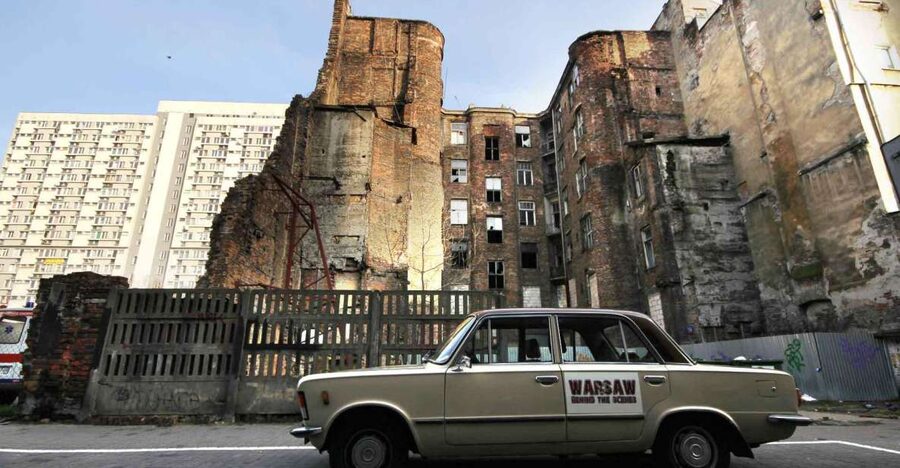
- Retro Żuk minibus rides between multiple WWII locations, so you cover more ground without rushing.
- Archival photo comparisons help you see what disappeared, what survived, and what the city chose to keep visible.
- Ghetto history on the ground, including a preserved Ghetto Wall fragment and the story around the Chłodna Street wooden bridge.
- Wartime neighborhoods as witnesses, with Muranów described as being built on wartime rubble.
- Two-sided occupation story, from Nazi persecution of Warsaw’s Jewish population to Soviet repression and Katyń.
- A tight 3-hour arc that moves from 1939 to the Warsaw Uprising of 1944 and the ruin that followed.
Why a Retro Żuk Minibus Makes Warsaw WWII Feel More Real
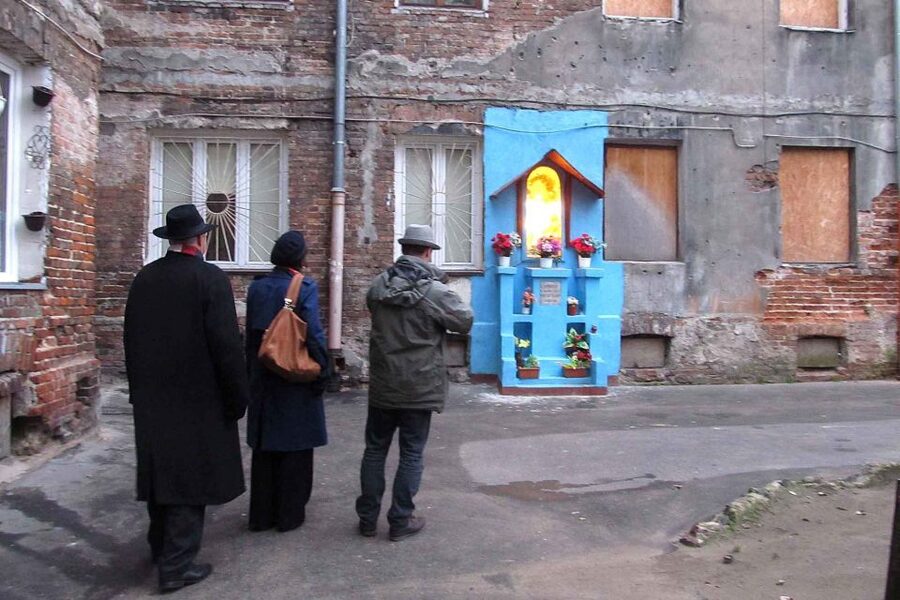
Warsaw is a modern city with old scars in plain sight. What makes this tour work is the pacing. You ride in a vintage communist-era minibus, then you step out to look closely at specific buildings and memorials before you move on.
The retro vehicle matters more than it sounds. It forces a slower rhythm than you get on a fast bus. You also spend time in a small group setting, so your guide can slow down when a question lands, or when a story needs careful wording.
The other big benefit is comfort in a practical sense. Even with walking segments, you are not doing a full-day march. For a three-hour experience, that balance is the difference between “I saw things” and “I understood the pattern.”
More WWII History Tours in Warsaw:
- World War 2 in Warsaw walking tour in English
★ 4.7 · 237 reviews - Warsaw for WWII Buffs – private tour with hotel pickup
★ 5.0 · 166 reviews - Warsaw in World War 2 Walking Tour
★ 5.0 · 26 reviews
The Pre-War Setup: Germany and Soviet Occupation, Explained in Plain Terms
Most WWII tours start at the invasion and race forward. Here, you’re taken through the international situation before 1939, so the catastrophe in Poland reads like something that was set in motion, not only a sudden twist of fate.
Your guide frames the German invasion of Poland and the simultaneous Soviet occupation of eastern territories. That matters because it prevents the story from becoming a single-track narrative. Warsaw, like much of Poland, was squeezed by competing powers, and daily life was shaped by the policies of whoever held control.
In your experience, this part is not just dates. It’s the “why” behind the next stops. When you later hear about mass imprisonment, forced displacement, and resistance, you’ll see how quickly occupation turned into an everyday system.
Inside the Ghetto Story: Wall Fragments, Waliców Street, and the Chłodna Bridge
This tour’s emotional center is Warsaw’s Jewish experience under Nazi rule, and it doesn’t treat it like a side chapter. Before the war, the city held around 300,000 Jews, and the guide explains how Nazi authorities created the Warsaw Ghetto in 1940, trapping hundreds of thousands in inhuman conditions.
One of the most powerful moments is visiting a preserved fragment of the former Ghetto Wall. Standing near an original boundary is different from reading about one. The wall becomes a physical reminder that segregation was not an abstract idea, it was architecture with consequences.
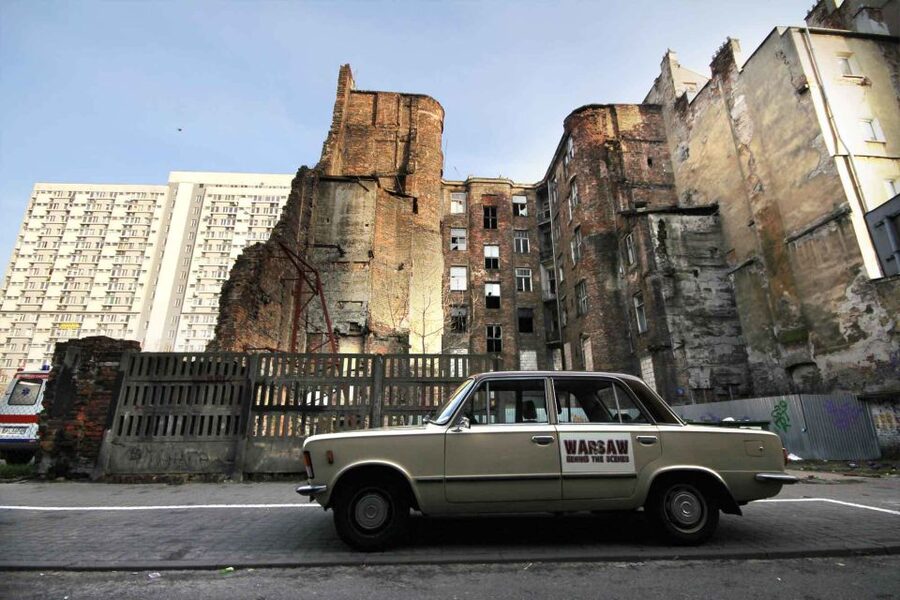
Next you move toward Waliców Street, where you’ll see one of the last ruined tenement houses left intentionally unrestored. That decision not to repair everything is part of the lesson. You’re looking at destruction that was made visible on purpose, so the present can’t pretend the past was tidy.
Then comes the wooden bridge over Chłodna Street. The guide explains why it was built high above street traffic, connecting two sealed sections. It’s the kind of detail you might miss on a standard sightseeing route, but it lands because it shows how even movement could be engineered under confinement.
Muranów and Remembrance: Ghetto Heroes, POLIN Area, and the 1943 Uprising
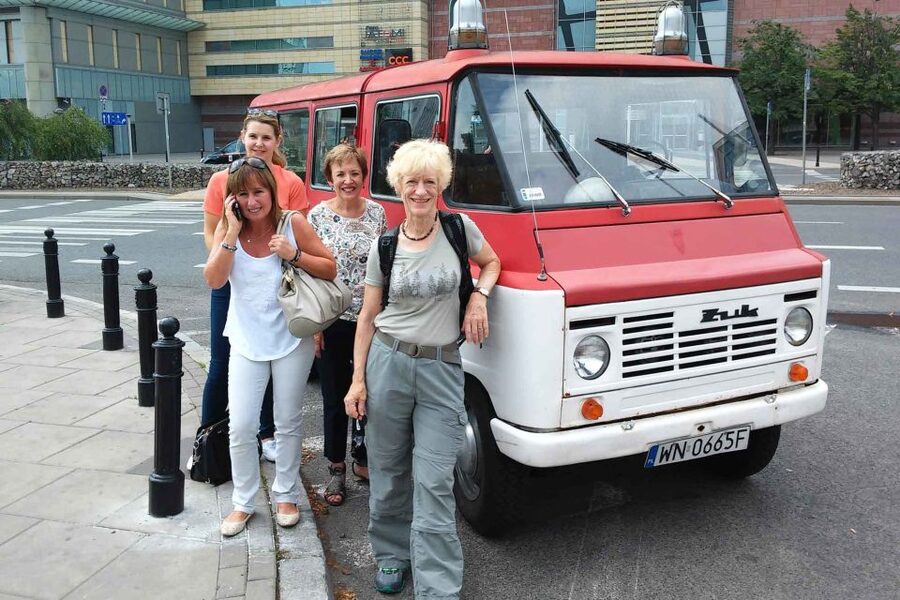
After the ghetto’s boundaries, you shift to the Muranów district, an area constructed entirely on wartime rubble. The symbolism is strong, but the practical takeaway is stronger. You’re shown how Warsaw literally rebuilt neighborhoods from destruction, while trying to hold onto memory.
You’ll visit around the Monument to the Ghetto Heroes and reach the area near the POLIN Museum of the History of Polish Jews. This is also close to where the first armed clashes of the 1943 Ghetto Uprising took place.
This part is valuable because it connects despair to action. The ghetto story here is not only about confinement. It’s about resistance, with specific emphasis on the 1943 uprising, and the way remembrance now exists as a place for dialogue.
One small note: with memorial areas and museum-adjacent streets, it helps to stay mentally flexible. You’ll likely stand and look for a while, then shift to another block. Wear comfortable shoes, and don’t plan a heavy follow-up immediately after if you’re the kind of person who needs a pause to absorb what you just learned.
More to book in Warsaw:
- Warsaw: Chopin Concert in the Old Town
★ 4.8 · 2,287 reviews - Warsaw: Traditional Galar Cruise on The Vistula River
★ 4.6 · 1,640 reviews - Warsaw: Old Town Highlights Walking Tour in English
★ 4.7 · 1,516 reviews - Warsaw Concert: Chopin – Painted by Candlelights with Wine
★ 4.8 · 1,442 reviews
Soviet Repression in Poland: Siberia, Katyń, and the East
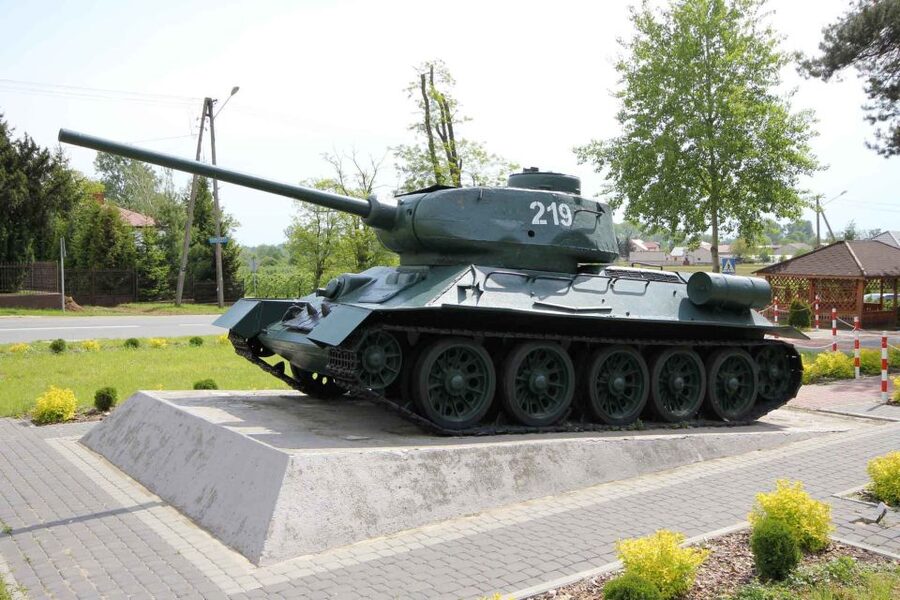
Warsaw’s WWII story in this tour includes Soviet crimes against Polish citizens, not as a footnote. You’ll hear about mass deportations to Siberia and the Katyń massacres.
The tour incorporates the Monument to the Fallen and Murdered in the East. This stop changes the emotional tone of the day in an important way. You start to see occupation as a two-way engine of suffering, with different uniforms and slogans but a shared pattern of cruelty toward civilians.
If your travel style leans toward “context first,” you’ll appreciate how this segment fits into the broader timeline. It doesn’t feel like the guide is switching topics. It feels like the guide is completing the picture of how Poland was treated by powerful neighbors during the war years.
The Warsaw Uprising of 1944: The Last Attempt Before Red Army Arrival
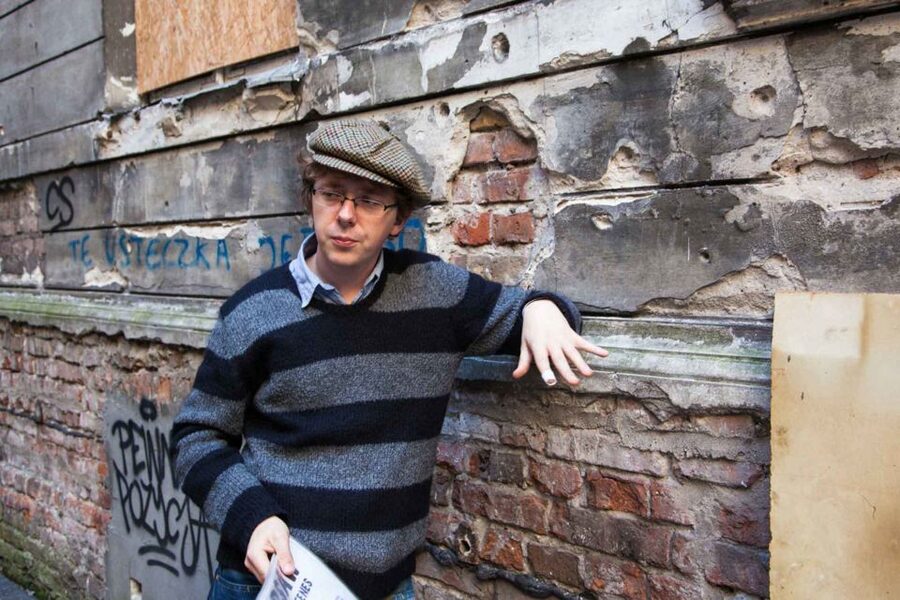
The final chapter focuses on the Warsaw Uprising of 1944, described as the city’s last attempt to regain independence before the arrival of the Red Army.
Your guide explains what happened after the uprising failed, including the deliberate destruction of most of Warsaw by Nazi forces. Then you also learn about the Soviet entry into the ruins in January 1945, which begins a new political era.
This is often where history tours can feel like a list of events. Here, the storytelling is organized like a narrative arc. You end with an understanding of why the city’s physical landscape looks the way it does, and why remembrance in Warsaw often feels both historical and political at the same time.
Time on the Ground vs. Driving: How the 3-Hour Format Really Works
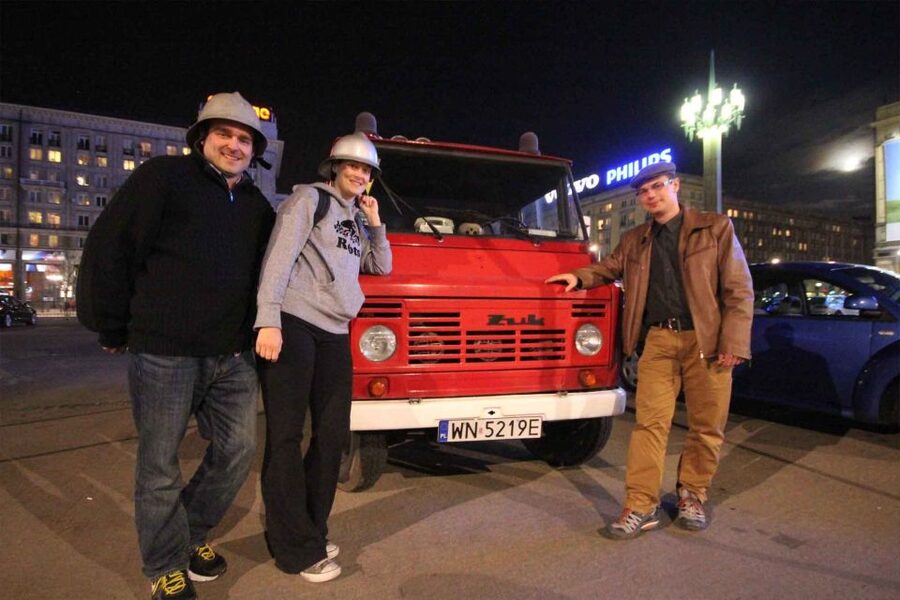
A three-hour private tour can either feel rushed or strangely effective. This one tends to feel effective because the driving is meant to link specific short walks, not replace them.
You’re picked up and dropped off within a 3 km radius of the city center, then you move between key spots. One practical tip the operator highlights is that hotel transfers can eat into your total tour time. If your hotel is near the pickup limit, you might do well meeting in the center to avoid losing minutes to traffic and walking with luggage.
The vehicles can seat up to 8 passengers, and there are multiple minibuses available. In plain terms, that means your private group is likely to feel manageable rather than like an overcrowded shuttle. It also helps the guide keep the tone controlled, which matters for heavy subject matter.
Because the minibus is mainly for transfers between locations, you’ll want comfortable footwear. The walking segments are not described as long, but you still need to be ready for uneven sidewalks and standing pauses.
Price and Value: What $165 Gets You in Real Terms
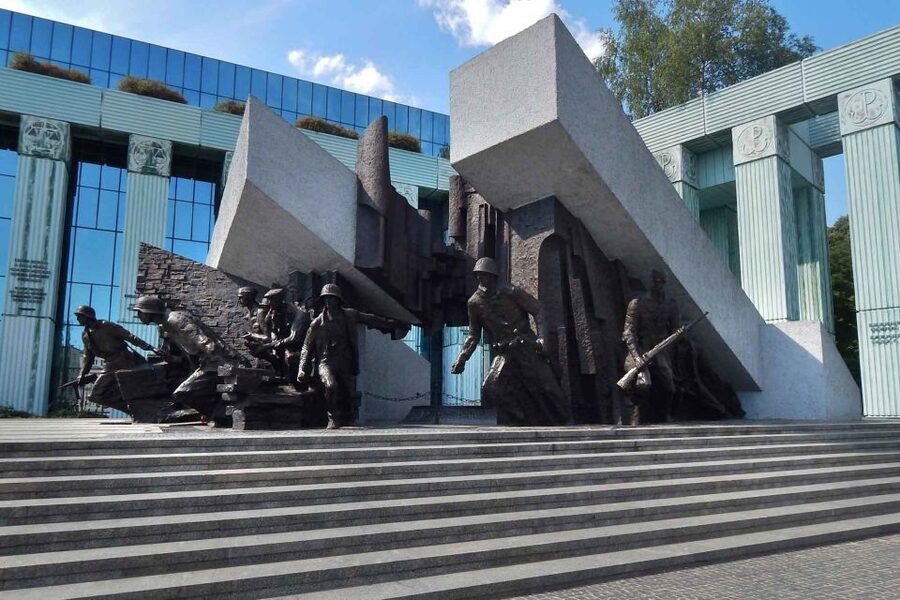
At $165 per person for a 3-hour private tour with hotel pickup, the price is not “cheap,” but it’s not random either. You’re paying for three things that are hard to get on general group tours: a dedicated guide, a route built around meaningful WWII sites, and transport that gets you between them without turning the day into a long commute.
Hotel pickup within 3 km of the center is also part of the value. You eliminate the friction of figuring out transit while also staying on schedule. And the retro minibus is more than decor. It keeps the trip unified, like you are traveling through the story rather than popping in and out.
Finally, you’re getting a guided interpretation, not only sightseeing. The guide’s storytelling style is repeatedly praised, with Konrad described as funny, kind, and able to connect even with a silent teenager by bringing in everyday topics like soccer. Lucas is noted as engaging and historically focused. That kind of delivery matters because WWII sites can become overwhelming if the guide can’t steer you.
Practical Stuff: Pickup Limits, Comfort, and What to Wear
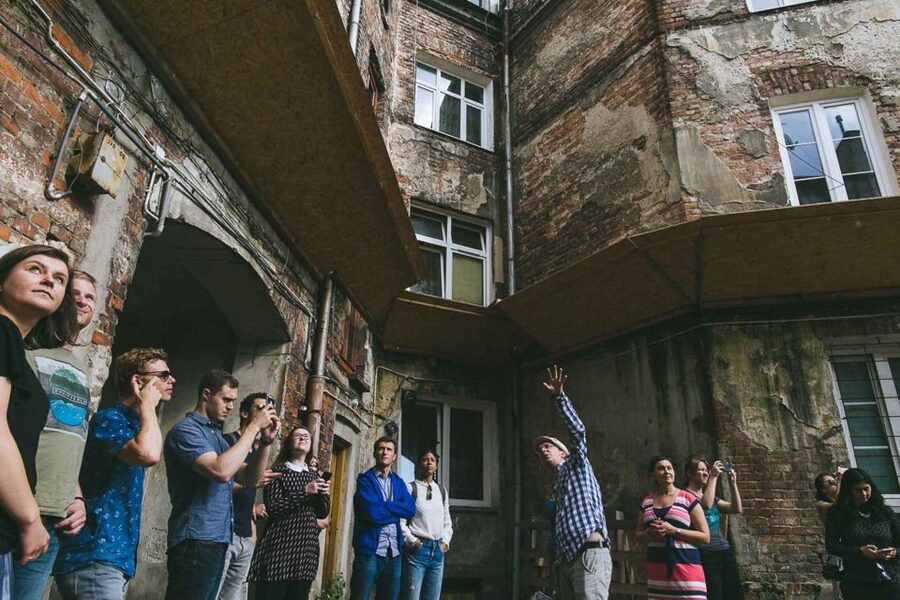
Plan for weather-appropriate clothing. The tour uses classic vintage minibuses, and some are not equipped with air conditioning. Heating is mentioned for winter season, so temperature can still be handled, just not in the modern “set it and forget it” way.
Seat belts can be missing on some vehicles because they are historic. That’s worth noting if you’re used to always wearing one. The guide and operator follow the rules for historic vehicles, but you should still dress and sit comfortably and keep an eye on the small details before you ride.
A couple more practical rules: no luggage or large bags, and unaccompanied minors are not allowed. Also, the tour is not suitable for children under 15. If you’re traveling with younger kids, this is a key filter to confirm early, because the requirements for seat boosters apply only in certain cases and are subject to availability.
Who This Tour Suits Best (and Who Should Skip It)
This is a strong fit if you want a guided, emotional, and contextual look at Warsaw in WWII, not a checklist of plaques. You’ll enjoy it if you like history that connects big decisions to street-level reality, especially through built remnants like wall fragments, unrestored buildings, and monuments.
It’s also a good choice if you appreciate practical storytelling tools like the archival photo comparisons. That technique turns “past vs present” into something you can actually see with your own eyes.
You might skip this tour if you are looking only for light, casual sightseeing. The topic is heavy, and the format is designed to land the message, not soften it.
Should You Book This Warsaw WWII Private Tour with Hotel Pickup?
Book it if you want the kind of Warsaw WWII experience that feels structured and meaningful in just three hours. You’ll leave with a clearer timeline, a deeper understanding of occupation from both Nazi and Soviet actions, and a sense of why the city’s present-day layout carries wartime decisions.
I’d especially recommend it if you value a good guide and want more than surface-level stops. The repeated high praise for guides like Konrad and Lucas points to storytelling that holds attention and explains the big picture without losing the human stakes.
If you’re sensitive to heavy history, plan a low-key rest of the day afterward. And if you travel with kids under 15, or you need to bring large bags, this tour is probably not the best match.
FAQ
FAQ
What is the duration of the Warsaw WWII private tour?
The tour lasts 3 hours.
Is hotel pickup included?
Yes. Pickup and drop-off are included within a 3 km radius of the city center.
How long do transfers take into the tour time?
Transfers from and to your hotel are counted into the total tour time, so meeting in the city center can sometimes save minutes if your hotel is farther from the center.
What language is the guide?
The tour includes a live English-speaking local guide.
What transportation is used?
You travel by a retro communist minibus (Żuk).
How many people are in each minibus?
Each minibus accommodates up to 8 passengers.
Are air conditioning and seat belts guaranteed?
Classic vintage minibuses are not equipped with air conditioning, and some do not have seat belts (historic vehicles are permitted to operate under these conditions). Heating is available for winter season.
What should I bring?
Bring weather-appropriate clothing and wear comfortable clothing and suitable footwear for walking segments.
Is there a minimum age?
Yes. The tour is not suitable for children under 15 years. It can be booked for adults and children over 150 cm, and for children under 150 cm you must contact the operator in advance about seat boosters required by Polish law.
Is luggage allowed?
No. Luggage or large bags are not allowed.
Fresh Warsaw reviews
- Warsaw: Wolf’s Lair & Swieta Lipka Small-Group Tour + Lunch★ 5.0 · 3 reviews
- World War II Warsaw Old Town, Military Cemetery Walking Tour★ 4.7 · 3 reviews
- Warsaw: Old Town Walking Tour, Hidden Gems & Hot Chocolate★ 4.3 · 3 reviews
- Warsaw: Explore the Vistula on Its Longest Speedboat Route★ 4.6 · 3 reviews
- 5-hour: Royal Castle, Old Town and POLIN Museum/inc.Pick-up/★ 5.0 · 3 reviews
- Majdanek – German camp from II World War – Private Tour – 1 DAY TRIP FROM WARSAW★ 5.0 · 3 reviews
- Museum of Modern Art in Warsaw★ 5.0 · 3 reviews
- Warsaw Outdoor Paintball with Transfers (all year round)★ 5.0 · 3 reviews
WWII History Tours, compared.
World War Two in Krakow: Jewish Quarter & Ghetto Tour
Read our review →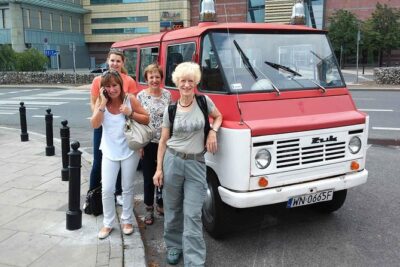
Warsaw for WWII Buffs – private tour with hotel pickup
Read our review →
III Reich & WW2 in Wroclaw. Monday, Wendsday, Friday regular tour
Read our review →
Museum of the Second World War Gdansk Private Tour & Tickets
Read our review →Browse the lists this tour appears in