
Reviewed · WWII HISTORY TOURS
World War II in Krakow Walking Tour in English
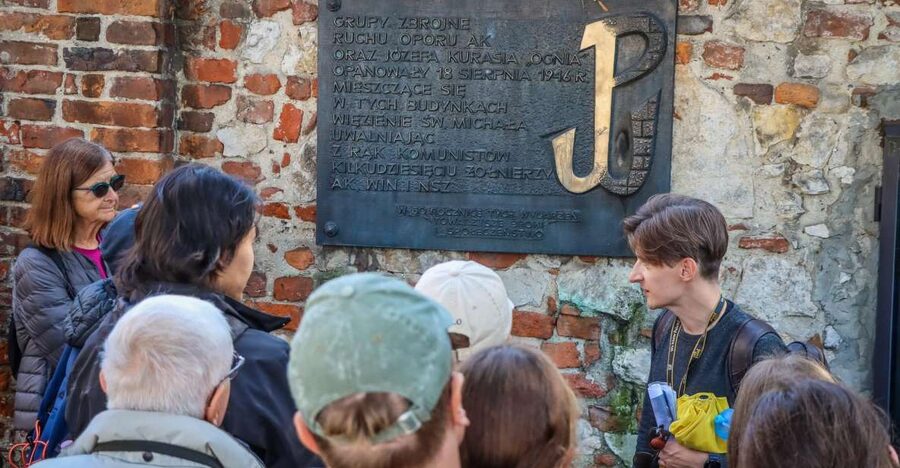
What makes this tour interesting is how it uses real Krakow streets and buildings to explain Nazi occupation as something that reshaped everyday life. I like the 150-minute structure and the chance to see Nazi prison cells and the inscriptions left by victims. One drawback: the content is emotionally heavy, so it is not a casual stroll.
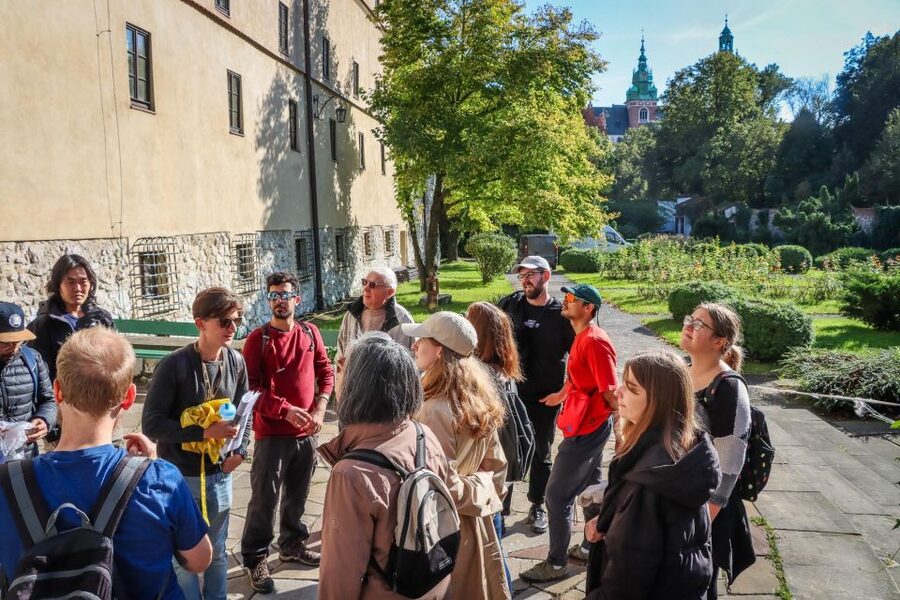
You meet near Wawel Hill and walk with a live English guide through key places tied to repression and resistance. The tour is wheelchair accessible, but it still follows a walking route, so bring a mindset for hearing hard stories, not just sightseeing.
Key highlights that make this tour worth it
- Traces of occupation you can see in the cityscape, not just read about
- Nazi prison cells and victim inscriptions, direct and unforgettable
- Gestapo headquarters, where terror operated as a system
- Bomb shelters in Park Krakowski, showing how the city prepared to survive
- Resistance stories of courage and small acts of defiance, told in a narrative way
- A guide with local knowledge and human warmth, including good humour from Big Tomasz
WWII in Krakow, told by the streets you can still walk
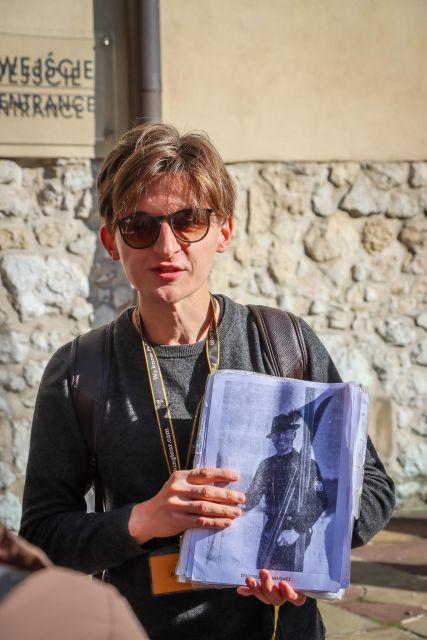
Krakow has a postcard reputation, but this tour is built around the fact that the city also carries scars from the Second World War. You are not just watching history happen from behind glass. You walk through areas where occupation changed how people lived, moved, and feared, and the guide connects those physical traces to personal decisions.
What I like about this approach is that it forces you to think past dates. The tour frames WWII as a pressure cooker where even small choices could lead to grave consequences. That is a heavier theme, yes, but it makes the story feel real, because it is about people, not just events.
More Walking Tours in Krakow
- Old Town Krakow & Wawel Castle Walking Tour
★ 5.0 · 1,508 reviews - Creepy Krakow: 2-Hour City Walking Tour
★ 4.7 · 1,131 reviews - Krakow: The Old Town Walking Tour
★ 4.8 · 794 reviews
Price and time: is $26 actually good value?
At $26 per person for a 150-minute live tour, you are paying for a focused, guided narrative that covers multiple major sites. The inclusion list is straightforward: you get an expert local guide and a thoroughly constructed narrative. That matters, because WWII tours can easily become a set of disconnected stops. Here, the emphasis is on how the occupation transformed Krakow and how resistance emerged in the same streets.
Two practical notes help you judge the value. First, there is no hotel pickup or drop-off, so you are responsible for getting yourself to the meeting point. Second, snacks are not included, so if you know you get hungry, plan to eat before you go or bring something simple on your own.
This is also a good length for a first WWII overview. You get time for context and site visits without turning it into a half-day marathon.
Where you start near Wawel Hill, and how to avoid stress
The meeting point is the triangle square next to Wawel Hill, at the end of Grodzka street. It is an easy landmark if you are already orienting yourself around the Wawel area, but you still want buffer time.
Arrive 10 minutes before the activity starts. That is not a small request. When you arrive late, you lose the opening context the guide sets up, and the tour’s narrative is what ties the stops together.
Stop 1: the Katyń wooden cross, and why it sets the tone
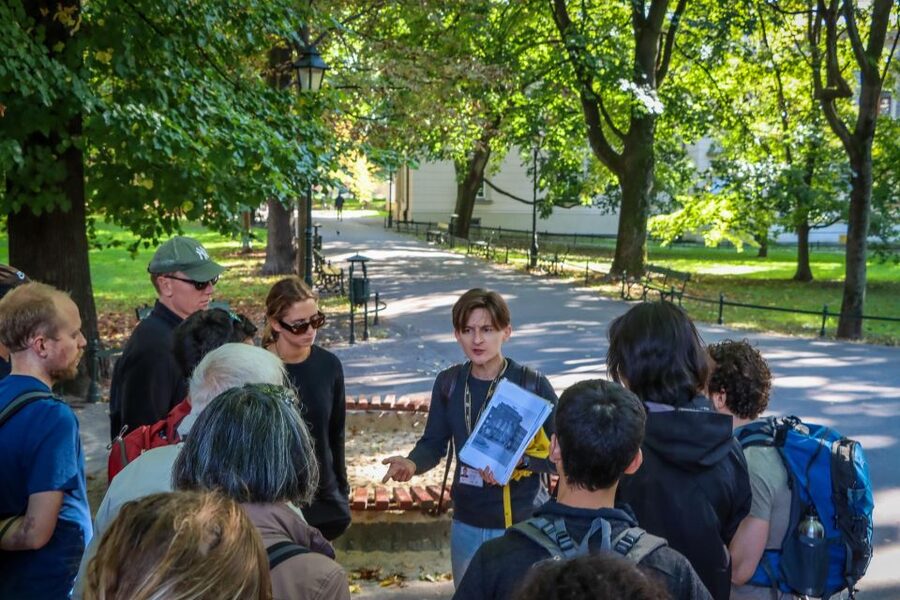
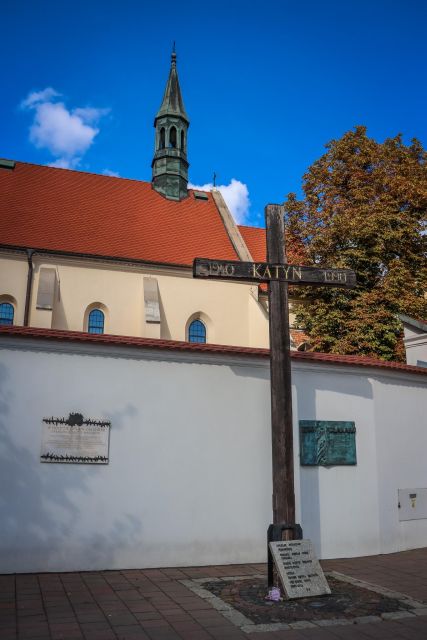
One of the first tangible moments in the tour is the Katyń wooden cross. Even if you already know the name, seeing it in place gives you a different kind of understanding. Memorials like this do not just point to tragedy. They also show how communities choose to remember.
On a tour like this, that opening cue matters. It signals that the stories you will hear are not abstract. They are anchored to real losses, and the guide uses that anchor to talk about courage, fear, and sacrifice as part of the same wartime reality.
More WWII History Tours in Krakow:
- World War Two in Krakow: Jewish Quarter & Ghetto Tour
★ 5.0 · 228 reviews - Krakow World War II Private Tour
★ 5.0 · 16 reviews - Krakow: 2h World War II, visiting the Ghetto walking tour
★ 4.2 · 7 reviews - World War 2 in Warsaw walking tour in English
★ 4.7 · 237 reviews
Stop 2: St. Michael’s prison, Nazi cells, and inscriptions on walls
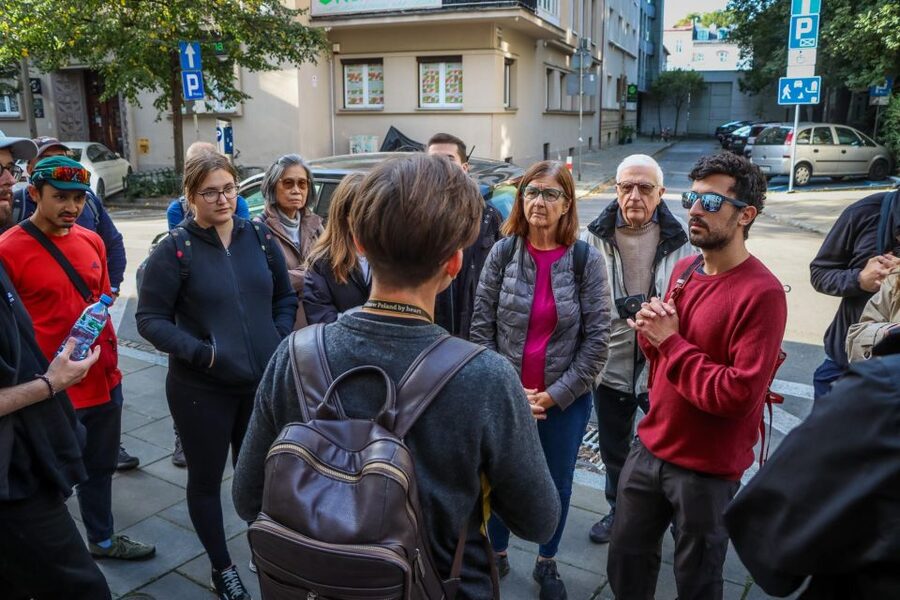
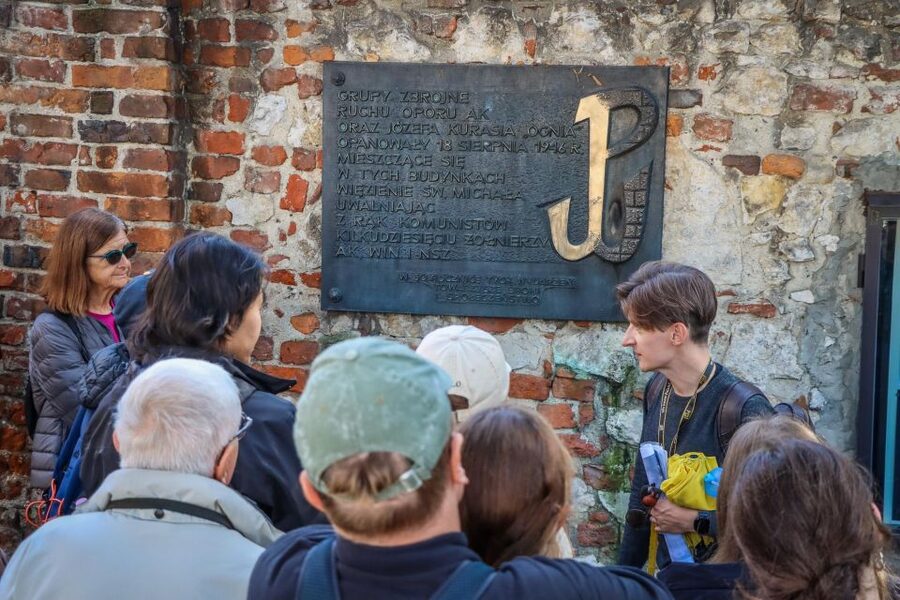
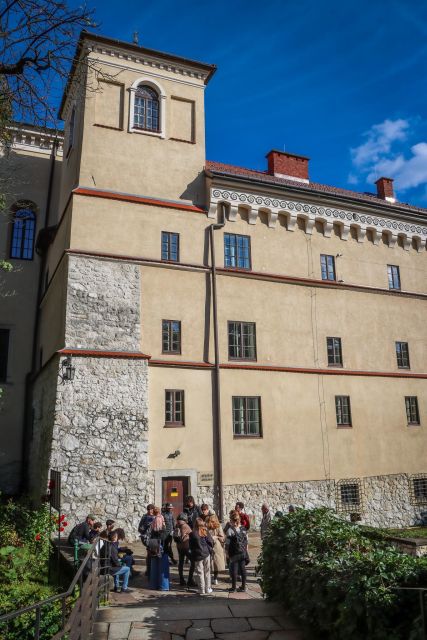
A major highlight is St. Michael’s prison, including the Nazi prison cells. This is the kind of stop where the setting does most of the talking. You can sense how confinement was designed to break people, and the guide adds the human layer so it is not just a gloomy building.
What makes this especially powerful is that you read inscriptions left on walls by the victims. That turns the space into something different. It becomes evidence of voices that survived long enough to leave a mark, even when the system tried to erase individuals.
Tip: give yourself a moment here. If you rush through, you miss what makes the stop so affecting. This is also where the tour earns its promise that you will see the city differently after hearing these stories.
Stop 3: Gestapo headquarters, understanding terror as a machine
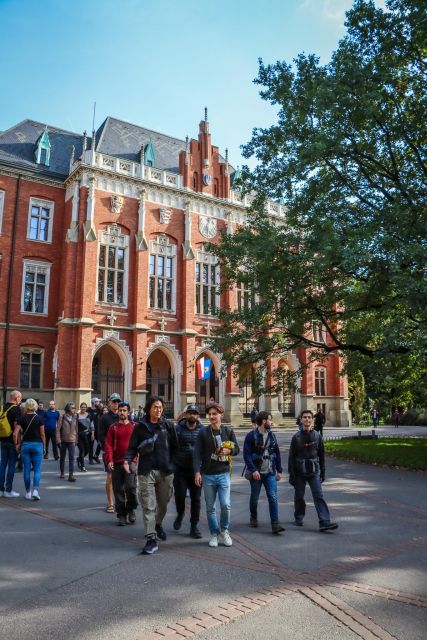
Next comes the Gestapo headquarters. This stop is valuable because it helps you understand occupation beyond slogans. Instead of treating the Nazis as a single villainous cloud, the guide frames them as an organized system that used fear, control, and brutal officers to repress victims.
That is the tour’s core skill, and it is why the narrative structure matters. You connect the dots between what you see at one location and what it meant at another. You start to recognize how intimidation worked, not only as a punishment, but as a method to force silence.
You also hear about ordinary people confronting the Nazi regime. The tour focuses on how some responded with courage and others with treason, which is a hard but important distinction. You are pushed to think about the difficult decisions people had to make, then asked to consider what you would do in similar conditions.
Stop 4: Park Krakowski bomb shelters, survival behind the normal city
The tour also includes bomb shelters in Park Krakowski. This stop shifts the lens from occupied control to the everyday reality of living under threat. When you look at shelter spaces, you start thinking about timing, fear, and the constant expectation that something could strike at any moment.
It is a useful counterweight to the darker repression sites. It reminds you that WWII impacted the body and the nervous system, not just the political world. The guide uses the shelter stop to show how the city adapted to deadly uncertainty, even as other parts of Krakow worked under occupation.
The story thread: courage, fear, treason, and the question that lingers
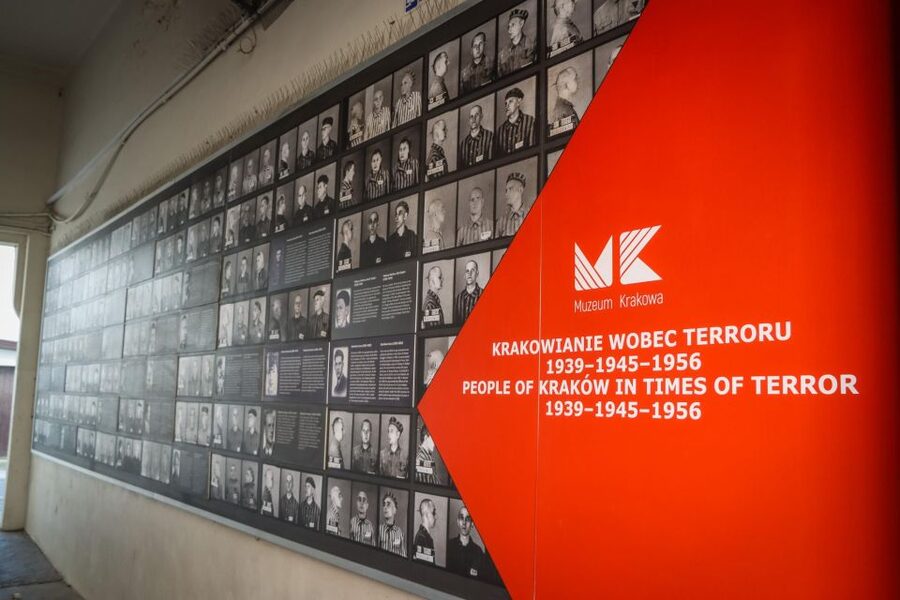
One of the most distinctive parts of this experience is the way it links location to moral complexity. The tour explicitly sets up WWII as a moment that brought out the best in some and the worst in others. You hear about people who opposed and fought, and you also hear about silent heroes among ordinary citizens.
Then the guide turns the volume up on reflection. You do not just learn what happened. You are asked to confront tough questions about human nature and personal responsibility. Some of those questions feel uncomfortable because they are not locked in the past.
If you go into this thinking it will be only informative, you will still learn a lot. But the better way is to accept that you may leave with thoughts that do not switch off easily.
How the guide style affects the whole tour
The quality of a WWII tour depends heavily on how the guide balances facts, tone, and pacing. In this case, the English live guide brings a style that is both engaging and human. Big Tomasz, for example, is called out for being warm, passionate, and insightful, with good humour that keeps the group steady.
That matters because humour is not the point of the story, but a light touch helps you keep listening. When a guide can explain difficult topics clearly and still connect with you as a person, you get a tour that feels more like guided understanding than a lecture.
Practical tips so you can enjoy it and still take it in
This is a 150-minute walk with meaningful stops. You will want to come ready to listen and stand still at times.
Bring or plan for:
- Water and a quick snack beforehand, since snacks are not included
- Comfortable shoes, because you are moving through multiple locations
- A calm pace for the prison cell and inscriptions segment, because that part can hit hard
Also, since the tour is live and in English, it helps to be ready for the guide’s storytelling rhythm rather than expecting a quick highlight list.
Who should book this WWII walking tour in English
I think this tour is a strong fit if you want WWII in Krakow with direction. It is ideal for people who like walking tours that feel like a storyline, where every stop connects to the bigger theme of occupation and resistance.
You will probably enjoy it most if:
- You want to see multiple major wartime sites in one outing
- You like expert, local guidance that explains why places matter
- You are comfortable with serious subject matter and want context for it
You might want a different option if you are looking for something light and casual. The tour deals with repression, prison cells, and victim inscriptions, so it is not designed as feel-good history.
Should you book it?
Yes, if your main goal is a guided, English-language understanding of how WWII changed Krakow, this tour is a good bet. For $26, you get an expert local guide plus a coherent narrative that brings together occupation traces, prison sites, Gestapo locations, and bomb shelter survival.
Book with confidence if timing is flexible too. You can reserve and pay later, and cancellation is free up to 24 hours in advance for a full refund. If you are in the Wawel area, the meeting point is clear, and arriving 10 minutes early will help everything run smoothly.
If you handle heavy topics well, you will likely walk away with the kind of memory that changes how you see the city’s walls, not just its views.
FAQ
How long is the World War II in Krakow Walking Tour?
The tour lasts 150 minutes.
Where is the meeting point for the tour?
You meet at triangle square next to Wawel Hill, at the end of Grodzka street.
Is the tour in English?
Yes, it is a live tour with an English-speaking guide.
How much does the tour cost?
The price is $26 per person.
What stops will we see during the tour?
You will see a Katyń wooden cross, St. Michael’s prison (including Nazi prison cells), Gestapo headquarters, and bomb shelters in Park Krakowski.
Is hotel pickup or drop-off included?
No, hotel pickup and drop-off are not included.
Is the tour wheelchair accessible?
Yes, the tour is wheelchair accessible.
Fresh Krakow reviews
- Krakow Zakopane Cable Car Vodka Cheese and Hot Springs Tour★ 3.5 · 3 reviews
- Krakow Skip The Line Wawel Castle & Old Town Guided Tour★ 5.0 · 3 reviews
- Krakow: Zakopane and Thermal Pools Tour with Hotel Pickup★ 5.0 · 3 reviews
- Museo Czartorisky : Visita in Lingua Italiana salta fila…★ 3.5 · 3 reviews
- Half-Day John Paul II Route Tour from Krakow★ 5.0 · 3 reviews
- Krakow: John Paul II Home & Black Madonna Sanctuary – Guided Tour★ 5.0 · 3 reviews
- 1-Hour Tour to Krakow’s Old Town by Electric Golf Cart★ 5.0 · 3 reviews
- Auschwitz and Birkenau WITHOUT GUIDE private transport from Kraków★ 5.0 · 3 reviews
WWII History Tours, compared.
World War Two in Krakow: Jewish Quarter & Ghetto Tour
Read our review →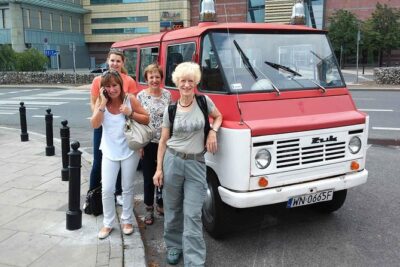
Warsaw for WWII Buffs – private tour with hotel pickup
Read our review →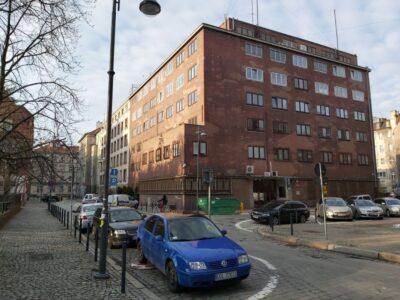
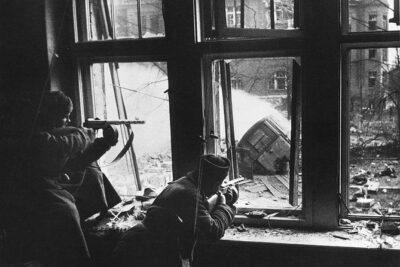
III Reich & WW2 in Wroclaw. Monday, Wendsday, Friday regular tour
Read our review →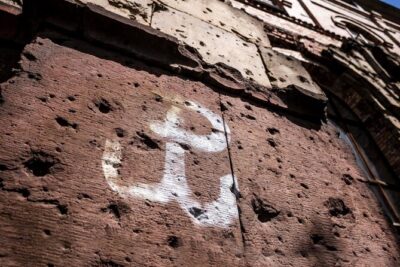
Museum of the Second World War Gdansk Private Tour & Tickets
Read our review →Browse the lists this tour appears in