
Reviewed · WWII HISTORY TOURS
Private WW2 Tour of Westerplatte,Gdansk and Stutthof Including Lunch
World War II in Gdansk is one of those stories that feels complicated until you see the places in the right order. This private tour connects WW2 sites that shaped the start of the war and the later occupation, with an English-speaking guide who keeps the timeline understandable.
I like the private, English-guided pace, especially at Stutthof where you get a serious, structured visit with a certified museum guide. I also love the reset built into the day, lunch by the Baltic Sea at Plaza Stegna, so you can keep going without burning out.
The one drawback is that it is a long day, and Stutthof is emotionally heavy. If you prefer lighter sightseeing or short visits, the 6 to 7 hour format and long transfers may feel like a lot.
Key things you will really care about
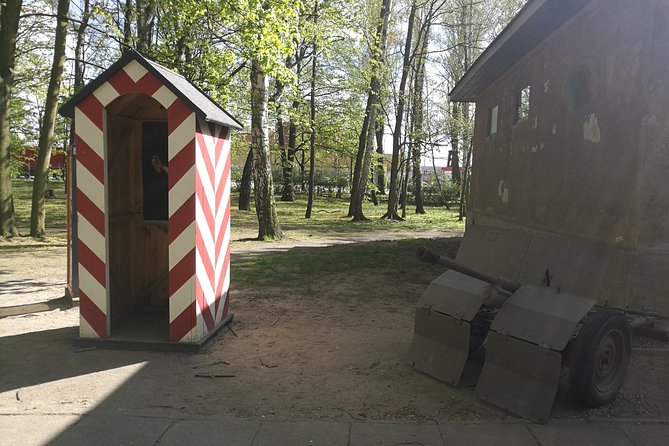
- Stutthof with a certified English museum guide, plus built-in context about the interwar setup that made the area vulnerable
- Lunch at Plaza Stegna on the Baltic Sea, a practical break during a heavy subject day
- Westerplatte, the site where WWII fighting begins in this region, with clear explanation of what happened on 1 September 1939
- Gdansk wartime stops including the Polish Post Office building and visible traces from the 1940s
- Private minibus transfers with hotel pickup, so you are not timing buses and walking between far-flung sites
- Admissions handled for you, with Stutthof included and other key stops listed as free
Putting Gdansk, Westerplatte, and Stutthof into one clear WWII story
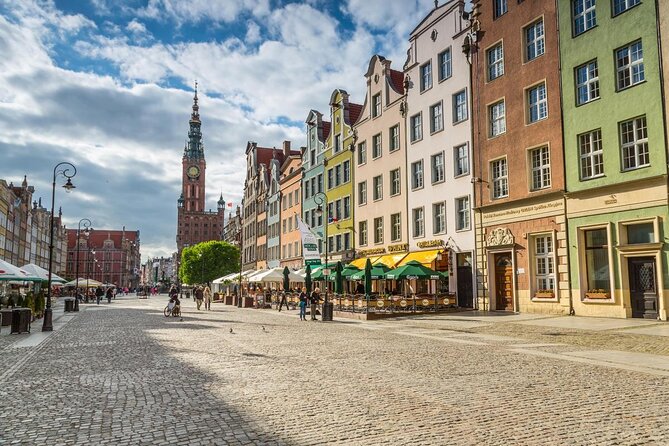
If you only visit one place, World War II in this corner of Poland can feel like separate scenes. What makes this tour work is that it moves from the machinery of terror at Stutthof, back to the early war ignition point at Westerplatte, then into Gdansk’s Old Town wartime traces and key Polish symbols.
Your guide helps you connect the dots across different phases: the interwar political tension around the Free City of Danzig, the sudden attack in early September 1939, and then the later reality of Nazi occupation and persecution. That order matters, because it turns a pile of facts into an actual timeline you can follow.
More WWII History Tours in Gdansk:
- Museum of the Second World War Gdansk Private Tour & Tickets
★ 5.0 · 24 reviews - Gdansk Private WWII Tour with Museum of the Second World War
★ 4.9 · 22 reviews - Gdańsk: World War II Tour
★ 5.0 · 10 reviews
The rhythm of a private 6 to 7 hour day (and why pickup matters)
This is built as a private day trip, meaning you travel with just your group. You get pickup from hotels across Gdansk and from the Port of Gdansk, which is a big deal here because Stutthof is far enough out that taxi-hopping can quickly turn into a time sink.
The schedule also keeps the day from feeling random:
- You start with the longer museum-focused part at Stutthof.
- You then switch to a lighter break by the sea for lunch.
- Then you continue with Westerplatte and the important wartime reminders inside Gdansk.
You should expect moderate walking and standing, especially at memorial sites and while exploring the Old Town areas. Wear comfortable shoes. Bring layers too, because Baltic weather can change fast, even when the day plan is steady.
One more practical touch: you will have a mobile ticket, and the tour is offered in English. That combination is usually the sweet spot for a smooth start when you are trying to focus on the sites, not the logistics.
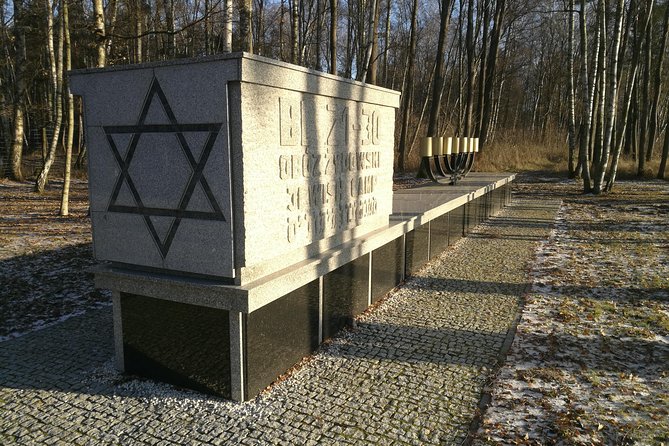
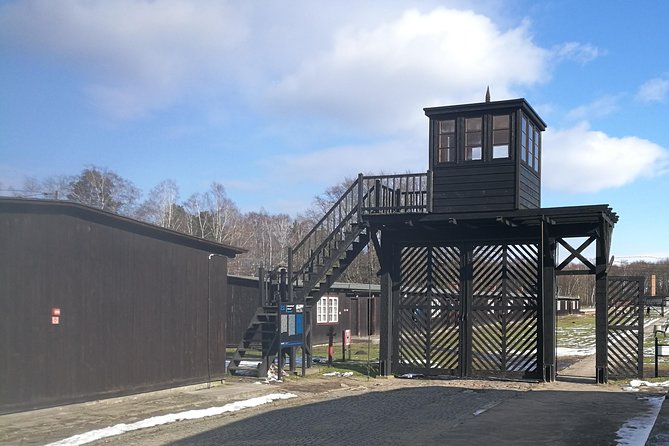
Stutthof Concentration Camp Museum: where the guide makes the timeline make sense
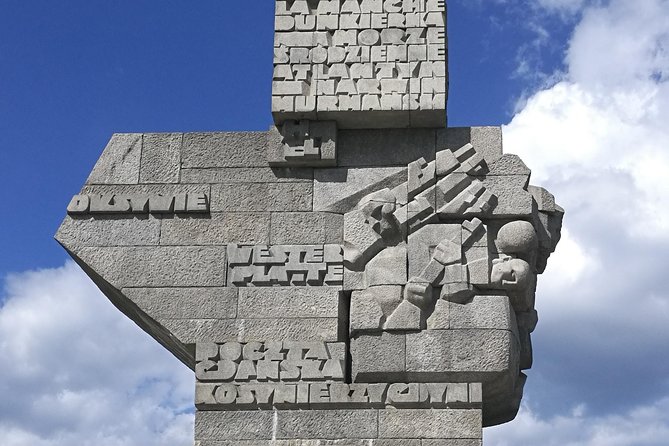
Stutthof is not a quick photo stop. The experience starts with about an hour transfer by private minibus or minicoach. During the ride, your guide explains the complicated relationships between the Republic of Poland, Nazi Germany, and the Free City of Gdansk during the interwar period.
That pre-loading is valuable. Without it, many visitors leave Stutthof thinking mainly about horror, which is right and necessary, but incomplete. With context, you also understand how the area’s politics and border situation helped create the conditions for what came next.
At the museum, you get about two hours of guided time with an English-speaking certified guide. Admission is included, which saves you from managing ticket lines or entry rules on the spot.
What to expect inside:
- You will move through memorial areas with guidance that stays tied to what you are seeing.
- The visit has a structured feel, not a wandering lecture.
- Questions are welcome, and you can usually ask for clarification when something feels confusing.
It is emotionally intense. If you are sensitive to heavy topics, plan for that reality and give yourself permission to go slower in your own head even when the group keeps moving.
Plaza Stegna lunch by the Baltic Sea: a real break, not just a stop
After Stutthof, the day wisely shifts to the coast. Plaza Stegna is where you get lunch and time to look at the Baltic Sea. The listing describes this lunch break as a chance to see the water and enjoy your meal by the shore.
Why this matters: a tour like this can otherwise turn into a nonstop list of grim places. With the sea break, you get a psychological reset. Even a short pause can help you absorb what you just learned, then come back with clearer attention for Westerplatte and the Gdansk walking portion.
The tour includes the lunch experience here, and the admission time for this stop is listed with free admission. You return to Gdansk by private minibus afterward, so you are not stuck figuring out transportation after a beach-side break.
Tip for your comfort: if the weather is windy, you might feel it more along the shoreline than you expect. A light jacket is usually a good idea, even in warmer months.
More Gdansk bookings to weigh
- Malbork Castle and Westerplatte Tour with Lunch
★ 5.0 · 27 reviews - Gdansk: Malbork Castle & Westerplatte Tour with Local Lunch
★ 5.0 · 12 reviews - Krakow: Auschwitz-Birkenau Guided Tour with Pickup & Lunch
★ 4.5 · 9,800 reviews - Krakow: Auschwitz Guided Tour with Pickup and Optional Lunch
★ 4.4 · 2,649 reviews
Westerplatte: understanding 1 September 1939 without drowning in details
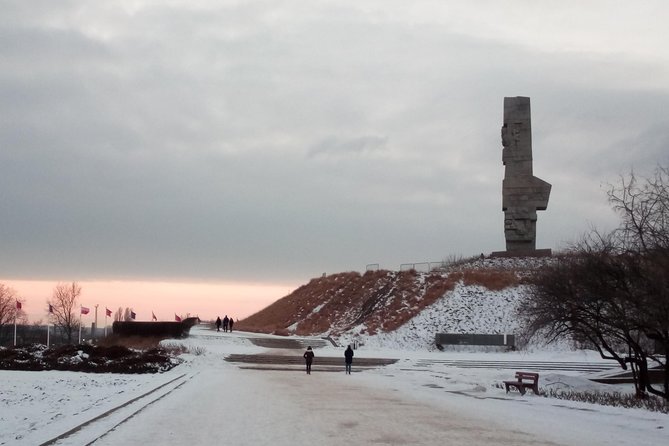
Next comes Westerplatte, the peninsula tied to the early fighting in this region during WWII. This stop is short compared to Stutthof, about one hour, but it is designed to hit the key story beats.
Here is the anchor moment you will hear explained clearly: from 1926 to 1939, Westerplatte housed a Polish Military Transit Depot, within the territory of the Free City of Danzig. Then, on 1 September 1939, the battleship Schleswig-Holstein opened fire on the Polish garrison without warning.
Seven days later, Major Henryk Sucharski made the decision to surrender because of lack of ammunition and supplies. That combination, bravery plus limited resources, is one of the most human and understandable aspects of the early campaign.
What you should look for during the visit:
- Focus on how the location connects to the attack narrative, not just the general WWII theme.
- Ask your guide how the political status of the Free City affected what was happening on the ground.
- Listen for the way your guide explains why Westerplatte became a symbol, not only a battle site.
This is one of those places where a short, well guided visit beats a long self-guided walk. The guide helps you avoid common confusion about dates and jurisdiction.
The Polish Post Office Museum and Gdansk Old Town WWII traces
Back in Gdansk, the tour shifts from big events to visible, local reminders you can actually stand near.
Museum of the Polish Post Office in Gdansk
You will visit the Museum of the Polish Post Office. The story here is famous because the Defense of the Polish Post Office in Danzig was among the first acts of World War II in Europe, tied to the Invasion of Poland.
You will take a look at the historical building and the defenders monument. The stop is about 30 minutes, which means it is focused. You will not get a long, exhaustive museum experience here, but you will leave with a clear sense of what this site represents and why it mattered so early.
Old Town: Victoria Schulle, bunkers, and 1940s remains
Then comes the Old Town portion. The tour highlights visible WWII remains in Gdansk’s Old Town, including Victoria Schulle, bunkers, and ruins from the 1940s.
This part is valuable because it helps you see war as something that physically shaped the city you are walking through now. The point is not just to memorize dates, it is to recognize what survived, what was rebuilt, and what the war left behind.
If you enjoy guided walking, this is where it really clicks. Your guide can point out details you would otherwise miss, and also explain what those details mean in the broader WWII story.
A note on variety: one reason people feel this tour is memorable is that the guide often weaves in other relevant Gdansk landmarks in the walk, like sites connected to the wider WWII-era story. Depending on route and timing, you might also pass areas such as monuments tied to the Kinder Transport story, or other notable Old Town locations.
Price and value: what $255.18 buys you in real terms
At $255.18 per person, this is not a budget throw-together tour. But it can represent strong value because you are paying for several things that add up fast on your own:
- Private guide time with an English-speaking certified guide at Stutthof
- Private transfers by minibus or minicoach between distant sites
- Pickup from hotels and the Port of Gdansk, which saves time and hassle
- Lunch included by the Baltic Sea at Plaza Stegna
- Stutthof admission included, with other listed stops as free admission
The big value is not just that it is private. It is that the day is structured so you do not burn your energy on transportation friction. You spend your effort on the sites and the explanation, which is exactly where you want your attention.
A realistic expectation: you are paying for guided interpretation of difficult material, not just entry to monuments.
Who this tour fits best (and who might want a different format)
This experience fits best if you:
- Want a guided WWII day rather than piecing it together yourself
- Care about how the history connects across locations, not only isolated stops
- Prefer a private format so you can ask questions and move at a thoughtful pace
- Are planning a Gdansk visit and want the most important surrounding WWII sites covered in one go
It might feel less perfect if you:
- Do not want emotionally heavy content
- Prefer long stays at museums over a faster sequence of key places
- Are traveling with very limited mobility, since the day includes standing and walking across multiple sites
How to prepare so the day feels smooth
Here are practical things that help:
- Wear comfortable walking shoes for Stutthof and the Old Town areas.
- Bring a light layer for the coast at Plaza Stegna, as Baltic weather can be cooler and windier than you expect.
- Keep your phone charged. You may receive a mobile ticket, and it is handy when you want quick access.
- If you have questions about interwar politics or WWII timeline specifics, jot them down before you go. A private guide is a good setup for asking.
Also, go in with the right mindset. This is a history-focused day. The emotional weight is part of the point, and the guide’s job is to help you understand what you are seeing.
Should you book this private WWII day trip from Gdansk?
I think this is a strong booking if you want a clear, guided WWII route that actually makes sense in sequence. The combination of Stutthof with certified museum guidance, Westerplatte as the early fighting symbol, and Gdansk’s wartime landmarks gives you a balanced arc across the war’s phases.
The lunch stop on the Baltic Sea is more than a perk. It is a practical rhythm change that makes the heavy parts easier to process. And with pickup included, you avoid the most annoying part of day trips in this region.
If you can handle an intense memorial site and you are okay with a full day, this is the kind of tour that leaves you feeling informed, not overwhelmed. If you want a lighter day, or you are short on stamina, you might prefer a shorter Gdansk-focused option instead.
FAQ
How long is the Private WW2 Tour of Westerplatte, Gdansk and Stutthof?
The tour lasts about 6 to 7 hours.
Is lunch included?
Yes. Lunch is included at Plaza Stegna, a golden sand beach area on the Baltic Sea.
Are admission tickets included?
Stutthof admission is included. The other listed stops on the schedule are listed as free admission.
Do you offer pickup in Gdansk?
Yes. Pickup is available from all hotels in Gdansk and from the Port of Gdansk.
Is this tour private?
Yes. It is a private tour/activity, and only your group participates.
What language is the tour guide?
The tour is offered in English.
What fitness level is required?
The tour notes a moderate physical fitness level is recommended.
What is the cancellation policy?
You can cancel for free up to 24 hours in advance for a full refund. If you cancel less than 24 hours before the start time, the amount paid is not refunded.
Fresh Gdansk reviews
- Gdansk: Hansa Electric Golf Cart City Tour with Local Guide★ 5.0 · 3 reviews
- Aiport Gdansk Transfer to Malbork Castle or Stutthof★ 5.0 · 3 reviews
- 6 Hours Teutonic Castle Tour in Malbork★ 3.5 · 3 reviews
- Sopot Sunset Cruise with Welcome Drink★ 3.5 · 3 reviews
- Slowinski National Park Private Tour★ 5.0 · 3 reviews
- Lions & Unicorns of Gdańsk: Self-Guided Fantasy Puzzle Walk★ 3.5 · 3 reviews
- Segway Tour Gdańsk: Shipyard Tour – 1,5-Hour of Magic!★ 5.0 · 3 reviews
- Culinary Cruises Pierogi Tasting Motława★ 5.0 · 3 reviews
WWII History Tours, compared.
World War Two in Krakow: Jewish Quarter & Ghetto Tour
Read our review →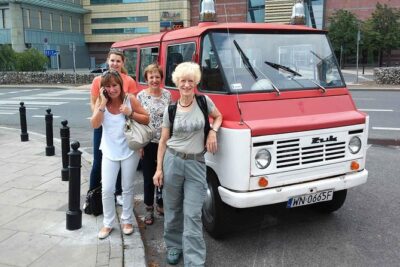
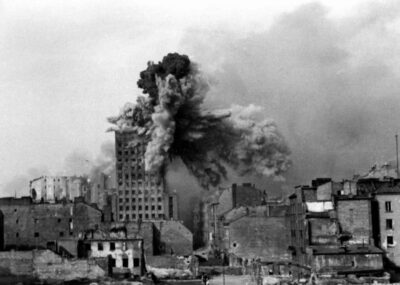
Warsaw for WWII Buffs – private tour with hotel pickup
Read our review →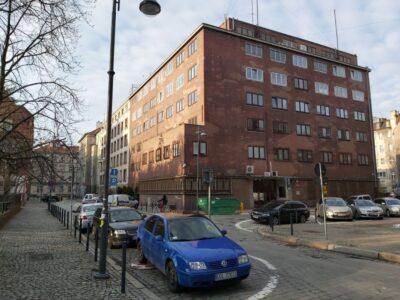
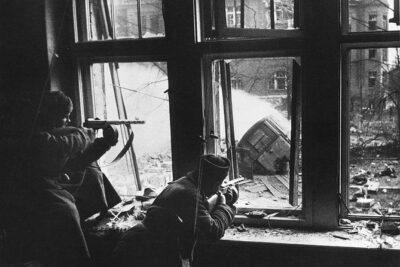
III Reich & WW2 in Wroclaw. Monday, Wendsday, Friday regular tour
Read our review →
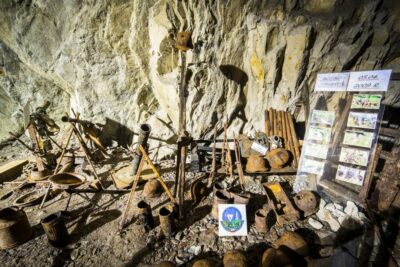
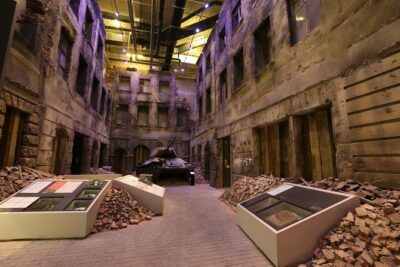
Museum of the Second World War Gdansk Private Tour & Tickets
Read our review →Browse the lists this tour appears in