
Reviewed · WWII HISTORY TOURS
Wrocław: World War II and the non-existent city of Breslau
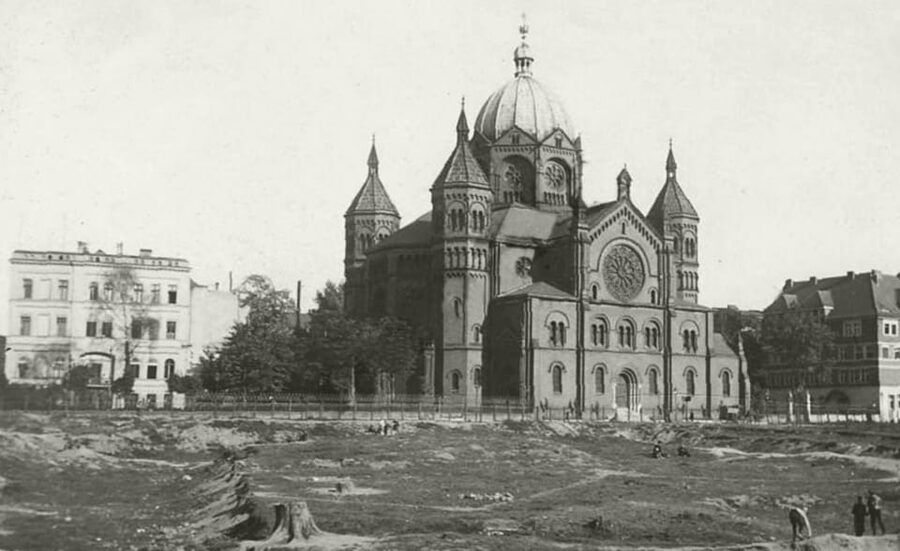
Wrocław, the former Breslau, has a way of pulling you into the 1930s and 1945 all at once. This tour focuses on the places tied to Nazi power and the city’s wartime collapse, then shows you what still survives today.
I really like how the route is built around specific, real-world stops you can stand inside of, from the war-battered Market Square to the underground bunkers at Partisan Hill. You also get something unusual, photographs of the city from 1933 to 1945, which helps you see how radical the change was.
One thing to consider: the theme is heavy. If you are not comfortable with WWII-focused subject matter, or if you want everything explained in a language other than Polish or German, this might feel less fun than a standard city stroll.
Key things I’d plan around
- A WWII walking tour that follows the city’s power centers, not a generic museum script
- Partisan Hill bunkers that still remain, while the area now feels like a café-and-beer-garden hangout
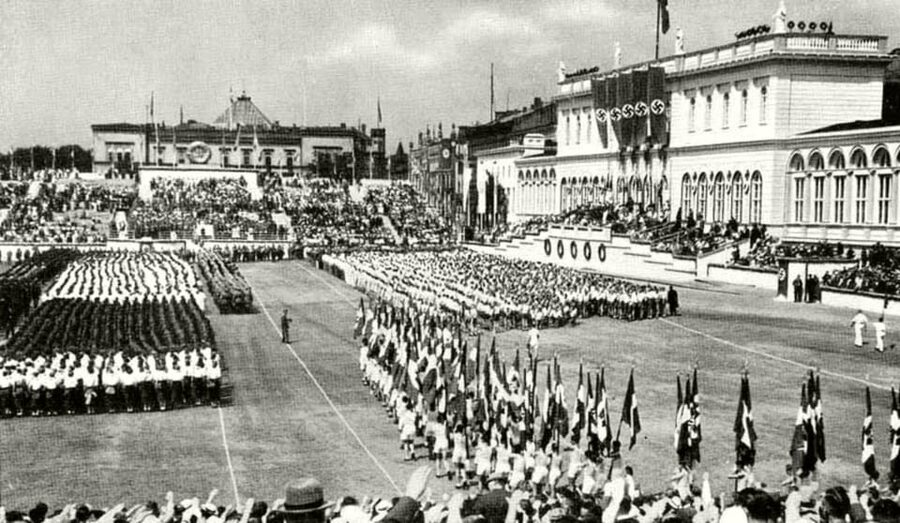
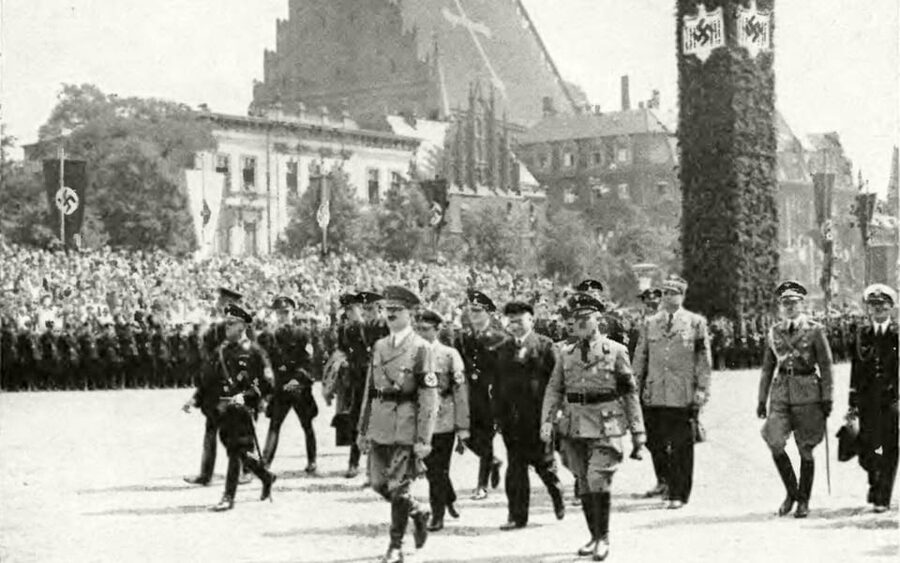
- Nazi-era parade settings and Hitler-related viewpoints, including where he greeted supporters
- Ostrów Tumski as the 1945 battle zone, with restored sights and big river views
- 1933-1945 photo viewing, so you can compare what the city looked like before the destruction
- Private group format for your pace, guided by a licensed professional
Breslau, not just Wrocław, and why this tour hits different
This is not a vague “war history” route. It is a guided walk through Wrocław’s WWII-era identity as Breslau, shaped by Nazi power in Eastern Germany and the fighting that followed once Breslau became a fortress in 1945.
I like that the tour explains how everyday life looked before the end. You learn how Breslau was ideologically connected with the NSDAP movement and how the city’s fate during the war unfolded from there.
You’ll also feel the contrast. Some spots survived the destruction, others were tied to events that helped lead the city into catastrophe, and the final stretch brings you to a place where the fighting was especially fierce.
More City Tours in Wroclaw
- Group city tour (walking tour) through Wroclaw in German
★ 4.9 · 203 reviews - Wroclaw: City Tour Sightseeing By Golf Cart Shared Or Privat
★ 4.8 · 189 reviews - Wroclaw: 3-Hour City WalkingTour with University & Cathedral
★ 4.9 · 96 reviews
Where it starts at Piwnica Świdnicka and Rynek’s surviving heart
You meet at the entrance to Restauracja Piwnica Świdnicka. That matters because Rynek is where most first-time visitors naturally orient themselves, and it sets the tone for the rest of the walk.
The tour’s first major stop is Rynek, by the Old Town Hall. What I find smart is that the guide uses this “miraculously survived” landmark to anchor the story in something you can still see clearly. You get a real before-and-after lesson, rather than only hearing about the past.
At Rynek, you’re also close to the kind of details that make a city feel alive again. Even in a short 2-hour tour, the guide can point out how Wrocław’s present-day layout relates to its earlier identity, including the way major public spaces carried political meaning.
Solny Square and the first bunkers: fear made practical
Next comes Plac Solny (Solny Square). This is where the tour shifts from ideology to survival, introducing the first bunkers built to protect the local population.
I like this stop because it takes the war story down to concrete needs: people needed shelter, and the city responded by carving out protection close to everyday life. Even if you’ve read about WWII before, the bunker angle changes how you picture Breslau.
You’ll likely pause long enough to let the guide explain whether remnants remain today. Since the tour specifically highlights that question, it’s worth listening carefully here and asking the guide to point out what you can still find on the ground.
Plac Wolności and the parade logic of Nazi power
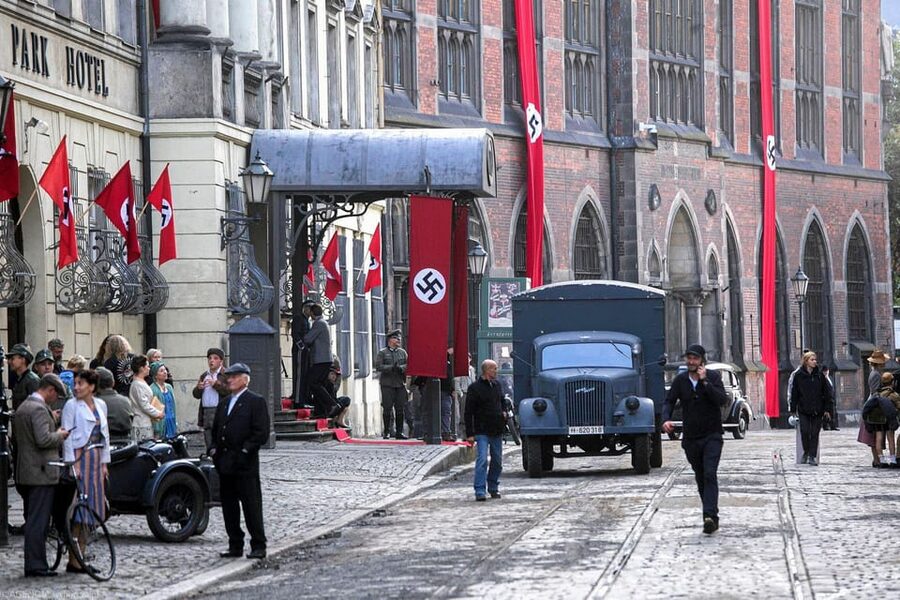
The tour then moves through plac Wolności. Even though it is a brief pass-by, it helps the route feel like one continuous story instead of a string of unrelated landmarks.
From a value perspective, this is where walking tours can either feel like a checklist or like a narrative. Here, plac Wolności acts like connective tissue, helping you understand how public space and political display overlapped.
If you like history that explains how authority staged itself in public, this part helps you follow the logic. You’re building toward the more intense named sites, like the Hotel Monopol area and the route tied to major gatherings.
More WWII History Tours in Wroclaw:
- Wroclaw: Third Reich and World War Two Historical Tour
★ 4.9 · 43 reviews - III Reich & WW2 in Wroclaw. Monday, Wendsday, Friday regular tour
★ 4.5 · 32 reviews - The secrets of World War II
★ 5.0 · 18 reviews - Wroclaw: Day of WW2: Riese, Gross-Rosen, Ksiaz Castle
★ 4.8 · 16 reviews
The Hotel Monopol balcony and Świdnicka Street, the city as a stage
One of the most dramatic parts of the tour is the segment tied to Hotel Monopol. The guide explains that this was linked to Nazi parades and Fackelzüge (torchlight processions), and that Hitler greeted supporters from the balcony of this hotel.
What makes this practical for you is the “stand where it happened” effect. A balcony viewpoint is visual, and it forces your brain to place the political moment in a specific urban setting, not an abstract historical scene.
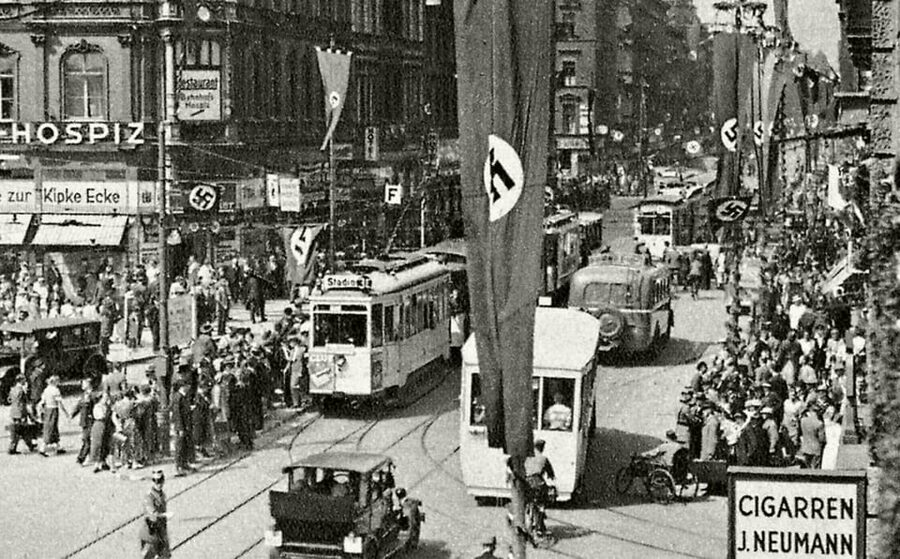
After Hotel Monopol, you walk along Świdnicka Street (Schweidnitzer-Strasse), a representative street of the city. This is also described as the place where local inhabitants greeted the leader during visits. Then the story flips again, because it is also where the victorious Soviet Army entered the city in 1945.
I like that contrast. It turns the street into a time machine: the same corridor in the city holds contradictory meanings depending on the year.
Partisan Hill (Lieblichs Höhe): underground bunkers under today’s cafés
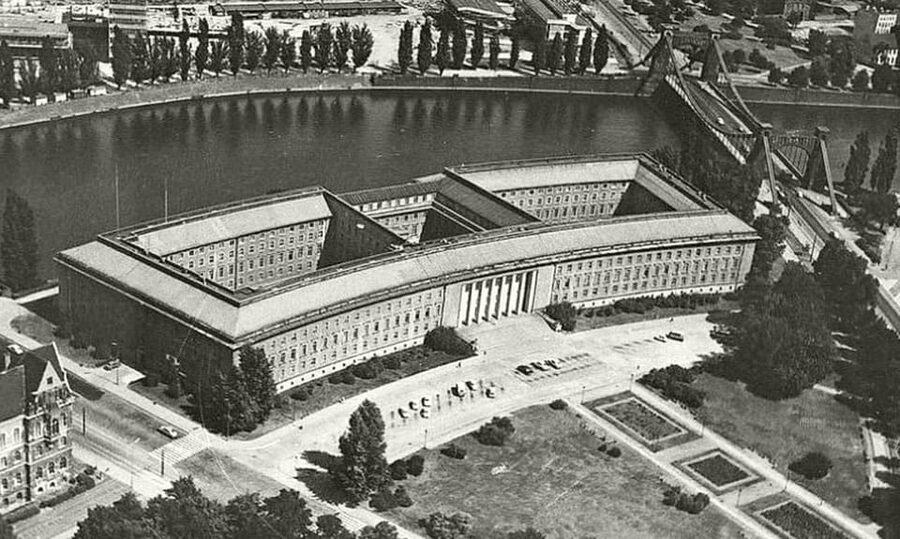
Now you reach Wzgórze Partyzantów (Partisan Hill, Lieblichs Höhe). This stop is more than a photo moment. The guide ties it to the command of the Breslau Fortress and to underground bunkers used during the fighting.
Today, the hill is described as a beautiful place to relax, with lots of cafés and beer gardens, plus a view over the city. That modern atmosphere is exactly why this stop works. You get to see how a wartime command point and refuge system exists under a present-day leisure space.
The tour also highlights that underground bunkers remain to this day. That means you are not just hearing about what might have existed. You’re given a tangible link to how the fortress period changed the city’s physical structure.
A good way to enjoy this segment: slow down and actually look for the bunker-related details the guide points out. If you only listen and keep moving, you miss the most grounded part of the experience.
Bulwar Xawerego Dunikowskiego and the walk to Ostrów Tumski
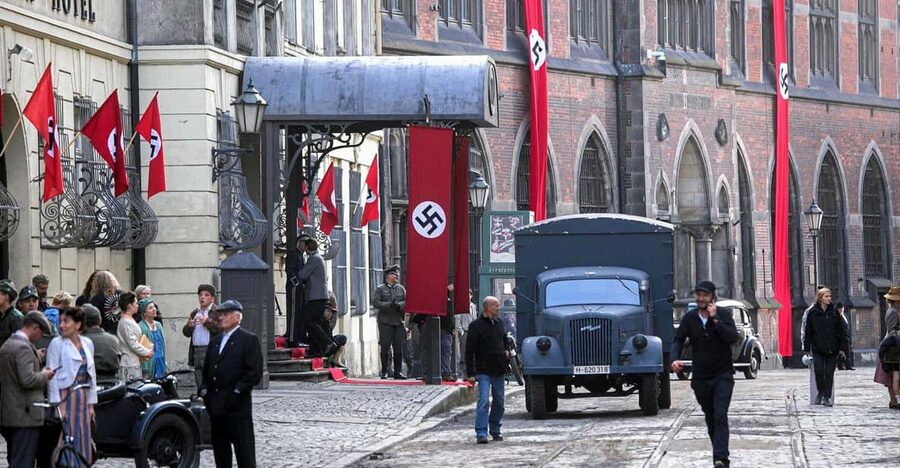
As you continue along bulwar Xawerego Dunikowskiego, the tour keeps your pace moving while the story transitions from fortress command to the most intense final battles.
Then comes Ostrów Tumski (Dominsel), where the tour calls out that the fiercest battles in 1945 took place. The key here is that the tour doesn’t end in a generic “and then it was over” moment. It guides you toward the city’s older core so you can see what survived and what was rebuilt.
You’ll have a photo stop in Ostrów Tumski, and the guide frames it around the restored feel of the oldest part of the city. The highlight is the restored Cathedral area and the overall sense of scale when you look across the river.
Ceglarskie Hill views and finishing at the NSDAP headquarters site
The last part adds a viewpoint element. From Ceglarskie Hill (Holtei-Hoehe), you admire the view of the oldest part of Wrocław. For me, this viewpoint step is what helps you “file away” the experience. After so much focused WWII narrative, the city view lets you process the transformation.
The tour ends in front of the former building that served as the headquarters of the NSDAP authorities in Breslau. Even if you don’t know the names of every office and department from that era, you can still understand the purpose of the place by how the guide frames it.
From there, you’re also positioned to explore Ostrów Tumski and its monuments on your own. Since the tour ends at Ostrów Tumski, you can stay nearby and keep your momentum without needing transport.
Price and timing: is $209 per group worth it?
The price is $209 per group, for a group size up to 14, and the tour lasts 2 hours. That structure can be a real value if you’re traveling with friends or family.
Here’s the simple math way to think about it: a private, licensed guide in a focused WWII theme costs less per person as your group grows. If you’re only two people, it may feel more expensive than a standard group tour. If you’re a small group, it can become a smart deal because you get tailored pacing and a guide who stays with your group the whole time.
The 2-hour duration is also a fit test. This tour is not trying to cover everything about WWII in Poland. It’s trying to explain why Breslau looked the way it did, how Nazi ideology took root, and how the 1945 fortress period played out in recognizable locations.
If you want a short, intense route that connects landmarks to events, 2 hours is about right. If you want a slower, deeper lecture on every aspect of WWII in Silesia, you might want to pair it with another stop later.
Languages, guide style, and what to expect from the storytelling
The tour is guided by a professionally licensed guide and is offered in Polish and German. That’s important because this theme is detail-heavy. You’ll get more out of it if you are comfortable following the guide’s explanations in one of the provided languages.
One specific guide name you might hear is Norbert, who has been described as sensationell for being especially effective. Even if you do not get the same guide, the key takeaway is that the tour is designed to be led by someone who can make the city’s political story understandable while pointing out what you can actually see.
Because it’s a private group experience, the guide can adjust pace to your group’s questions. In a theme like this, that flexibility matters. The more you ask, the more the walk becomes a conversation instead of a script.
Who this tour is best for, and who might skip it
This experience is best for you if you:
- want WWII and Breslau history tied directly to on-the-ground locations in Wrocław
- like seeing how Nazi-era public space connects to what happened in 1945
- enjoy photo comparisons, especially the 1933 to 1945 perspective mentioned in the tour
- are traveling with others, since the price is per group up to 14
You might skip it if you:
- want a lighter, more casual city introduction
- are not comfortable with WWII themes and the ideological context tied to NSDAP history
- need explanations in a language other than Polish or German (since those are the listed tour languages)
Should you book this WWII Wrocław tour?
I think you should book it if you want your Wrocław time to feel focused and meaningful. The route is built around places you can actually stand in, and the story moves in clear steps from Nazi influence to fortress-era survival to the 1945 fighting concentrated around Ostrów Tumski.
It’s also a good call for small groups because $209 per group up to 14 makes private guiding more reachable than you might expect. Just go in prepared for a heavy subject, and bring curiosity, not a checklist mindset.
If that sounds like you, this tour is a strong use of a 2-hour window in Wrocław.
FAQ
How long is the tour?
The tour lasts 2 hours.
Where do I meet the guide?
You meet at the entrance to Restauracja Piwnica Świdnicka Wrocław.
Where does the tour finish?
The tour finishes at Ostrów Tumski, Wrocław.
How much does it cost?
It costs $209 per group, for groups up to 14 people.
What languages is the tour offered in?
The live guide offers the tour in Polish and German.
Is the tour wheelchair accessible?
Yes, the tour is wheelchair accessible.
What is included with the tour?
You get a professionally licensed guide for your private group, plus the guided stops and photo moments as part of the walk.
What will I see during the tour?
You’ll see war-related locations in Wrocław connected to WWII, including places tied to Nazi parades and leadership visits, bunker-related stops at Partisan Hill, and the WWII battle area around Ostrów Tumski. The tour also mentions photographs from 1933 to 1945.
Can I cancel, and is there a pay later option?
Yes. You can cancel up to 24 hours in advance for a full refund, and you can reserve now & pay later.
Fresh Wroclaw reviews
- Wrocław: Long City Walk and Luxury Ship Cruise (for groups)★ 1.9 · 3 reviews
- Wroclaw to Rock City in Adsprach and Church of Peace in Świdnica Private Tour★ 5.0 · 3 reviews
- Wroclaw: Skip the Line Panorama Raclawicka and Ostrow Tumski Guided Tour★ 4.5 · 3 reviews
- Private Transfer from Wroclaw (WRO) Airport to Wroclaw city centre★ 5.0 · 3 reviews
- Wrocław: 2-Hour Guided Tour for Children★ 4.9 · 3 reviews
- Wrocław: Following the dwarfs’. See the city differently! 2h★ 4.4 · 3 reviews
- Wroclaw : Walking Custom Tour with a Local Guide★ 4.8 · 3 reviews
- Wrocław: Polish Craft Beer Walking Tour with Tastings★ 4.1 · 3 reviews
WWII History Tours, compared.
World War Two in Krakow: Jewish Quarter & Ghetto Tour
Read our review →
Warsaw for WWII Buffs – private tour with hotel pickup
Read our review →
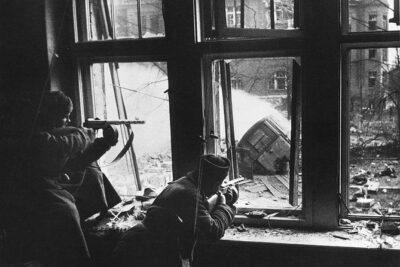
III Reich & WW2 in Wroclaw. Monday, Wendsday, Friday regular tour
Read our review →
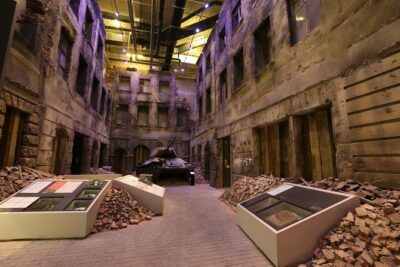
Museum of the Second World War Gdansk Private Tour & Tickets
Read our review →Browse the lists this tour appears in