Reviewed · JEWISH HERITAGE TOURS
Warsaw: Jewish Heritage & Holocaust Walking Tour
This is one of those Warsaw walks that feels like a timeline you can touch. You start at Castle Square and end up with the Big Ghetto and the uprising mapped onto real street corners, plus wartime change compared to pre-war life.
I love two things most. First, the guide traces a full 600-year arc of Warsaw’s Jewish community, from medieval roots through expulsions and the 18th-century world of jurydki and Haskalah. Second, the tour spends more than half its time on the Holocaust, including the creation of the ghetto, day-to-day conditions behind the wall, and deportations toward Treblinka. Guides such as Magda, Gawel, Martin, Albert, and Goska are repeatedly praised for being energetic, clear, and genuinely compassionate.
One consideration: it is a heavy subject, and the walk stays outdoors. Also, group sizes can run from very small (around 6 people) to quite large (up to about 30), and the later parts can be cold in winter.
Key things that make this tour worth your time
- A 600-year Warsaw timeline on foot, not a quick slideshow
- Old photographs and maps used to show what changed before and after the war
- More than half the tour on the Holocaust, with ghetto creation, life behind the wall, and deportations toward Treblinka
- Big Ghetto and Uprising focus, putting the conflict in the right place
- English live guide with time for questions, led by people like Magda, Martin, Albert, and Goska
- Practical comfort tips, including bringing water and being ready for winter cold
Starting at Sigismund’s Column, then turning the city into a history lesson
Your tour begins in Castle Square, by Sigismund’s Column. It is a striking landmark, about 20 meters high with a statue on top, and it makes a great “meet here” point when you are arriving from somewhere else in town. Plan to show up a few minutes early, then look for a guide holding an orange umbrella with a British flag.
From the first minutes, you will feel the format: the guide explains, you walk, you stop, and you look again. This is the key difference between reading about history and actually seeing how it sits in a modern city. Warsaw can look smooth and rebuilt, but this tour forces your eyes to catch what is missing.
Expect about 150 minutes total. It is long enough to build context, but short enough that you stay focused. You can also choose from different start times based on availability, which matters if you want daylight for the colder, darker parts of a winter walk.
More Historical Tours in Warsaw
- Warsaw: POLIN Museum of the History of Polish Jews Ticket
★ 4.7 · 1,142 reviews - Warsaw: Chopin Concert at Historical Venue in Old Town
★ 4.7 · 445 reviews - Small-Group Historical Guided Tour of Warsaw with pick up/drop off. Public Tour.
★ 4.5 · 343 reviews
The 600-year Warsaw Jewish story, from medieval roots to Haskalah
One reason this tour works so well is that it refuses to treat Warsaw’s Jewish history as a single chapter. You get the long view first, starting in the Middle Ages and moving forward step by step.
The guide covers the origins of Polish Jews and how medieval Jewish life formed in the city. Then you hear about the first expulsions, which is important because it shows that Jewish presence in Warsaw was not just one stable era. It was shaped by policy, conflict, and shifting power.
Next comes the 18th century, including Jewish settlements in jurydki. These were areas under the jurisdiction of the Warsaw magnates, and this detail helps you understand how cities can be patchworks of authority. When you later compare pre-war neighborhoods with wartime layouts, this earlier structure makes more sense.
You also learn about the Haskalah, the Jewish Enlightenment. Instead of treating it as a buzzword, the tour frames it as part of a changing social and intellectual world. I like that it gives you a reason to look for continuity, not just tragedy.
If you do not want to spend your entire day indoors, this works nicely. It is still walking, still outdoors, but the history is delivered as a clear sequence, so your brain stays organized instead of swimming in facts.
Jurydki and the Jewish quarter you can almost picture from old maps

Later on, the tour zooms closer to what you can imagine as everyday Warsaw. The guides use old photographs and likely maps to show how the city looked in the 19th-century and in the years before WWII.
Even if you have never studied Warsaw’s Jewish district, you will start forming a mental overlay. The point is not that you memorize street-by-street details. The point is that you learn to see the city with historical “glasses” on.
This is where the jurydki concept pays off again. When a city has semi-autonomous zones tied to powerful families, the borders of daily life matter. You begin to understand why communities could cluster, prosper, and also face pressures that outsiders sometimes underestimate.
You might notice the way the guide keeps it factual and objective, even when the subject is emotionally hard. That tone helps you stay present. You are there to learn and to remember, not to be pushed around by melodrama.
Pre-war photographs to war damage, seeing change instead of just hearing it
A standout feature of this tour is how often it contrasts the modern streets with pre-war photographs. That contrast does something subtle but powerful. It prevents the war from becoming an abstract event that happened somewhere else.
You will walk through places that were reshaped by the war, then compare them with images from before. This gives you a sense of what was destroyed, what survived, and what the city chose to rebuild differently.
I also like that the guide tends to handle complexity carefully. One guide example highlighted how they explained what is documented versus what is possible in terms of certainty. Even when details are limited, you learn how historians think about evidence. That helps you trust the story instead of guessing.
If you are someone who likes context, this section is where you start connecting the dots. You see why the next part, the ghetto, was not random. It was part of a larger pattern of escalating persecution.
More Jewish Heritage Tours in Warsaw
- Warsaw: Warsaw Ghetto Private Walking Tour with Hotel Pickup
★ 4.9 · 369 reviews - Warsaw: Jewish History Guided Walking Tour in English
★ 4.7 · 324 reviews - Private Tour: Warsaw’s Jewish Heritage by Retro Fiat
★ 5.0 · 208 reviews - Warsaw: Ghetto, Jewish Cemetery & POLIN Museum Private Tour
★ 4.8 · 132 reviews
The Warsaw Ghetto, conditions behind the wall, and deportations toward Treblinka
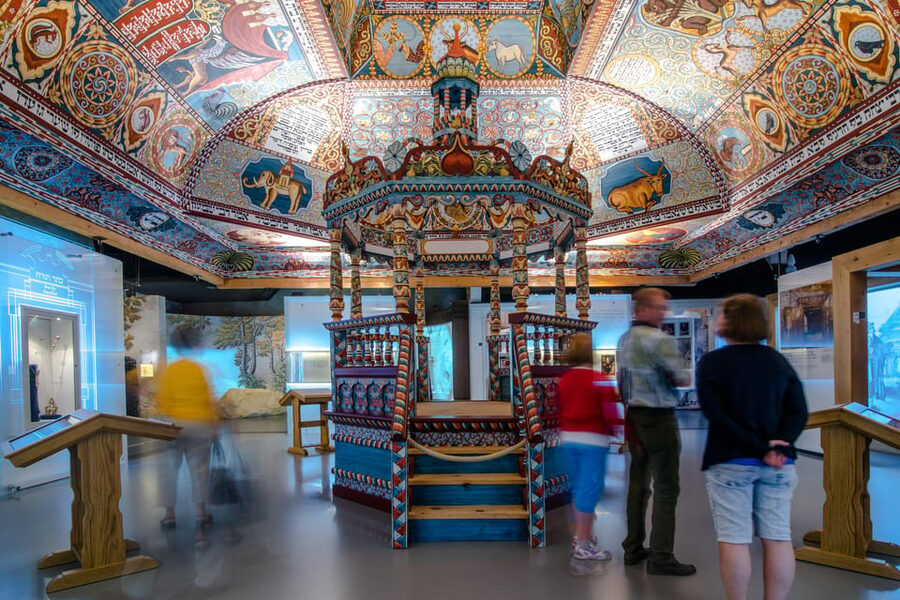
More than half the tour is dedicated to the Holocaust of Warsaw’s Jews, and this is the heart of the experience. The guide explains how the Warsaw Ghetto was created and how daily life worked under extreme restrictions.
You get the conditions behind the wall, then the focus shifts to deportations. The tour includes the path toward Treblinka death camp, which is a crucial piece of the story because it explains what happened to people after they were trapped in the ghetto system.
This is the part that hits hardest, so pace matters. Because it is a walking tour, you can take short mental breaks while you move between stops. If you get overwhelmed, you can also step back during a pause and let the guide’s explanation land without forcing it.
Also, I recommend keeping water handy. You bring it anyway, but during emotionally heavy sections it is easy to forget basics. A small sip can reset you.
If you are the type who needs clarity, you are likely to appreciate how the guide keeps the narrative structured. You are not just told that something terrible happened. You are taught how policies were implemented, and what that meant for real people.
The Big Ghetto and the uprising sites, putting the fighting on the map
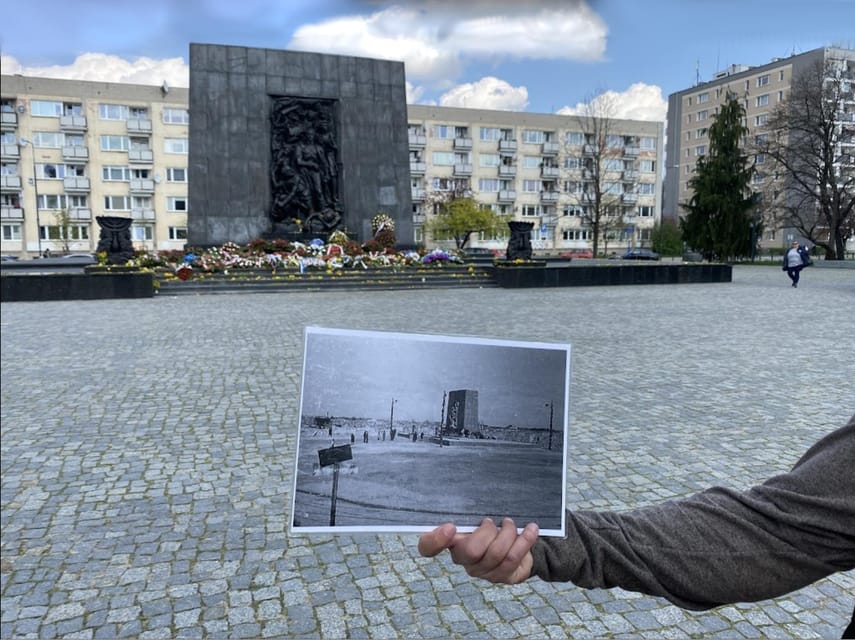
Once the tour moves fully into the WWII period, it becomes more spatial. You go to the Big Ghetto area, the place tied to the fights of the Ghetto Uprising.
This matters because it turns the uprising from a headline into a place-based story. The guide then takes you through the major sites related to the uprising within the ghetto area. Even without getting overly technical, that route helps you understand how resistance unfolded in a specific urban environment.
As you walk, pay attention to how the guide frames the geography. Warsaw’s layout, even after rebuilding, helps you grasp why certain forms of resistance were possible, and why the fighting became so brutal and so hard to contain.
I also like that the tour’s earlier timeline supports this segment. By the time you reach the uprising, you know what people were facing, and you understand why the uprising was both a desperate gamble and an expression of agency.
Logistics you can actually plan for, like cold feet and head coverings
This is a practical tour, and the details matter because you will be on foot for 150 minutes.
Bring comfortable shoes. The tour is wheelchair accessible, so the route is planned with accessibility in mind, but comfort still wins because history walking is still walking.
Bring a head covering or kippah. It is listed as what to bring, and it signals respect for the cultural setting. If you forget, you might not have a workaround, so pack it with your other basics.
Bring water. Even on colder days, it helps. A few guides may also build in a short pause for a hot drink, especially if the group is freezing. You cannot count on it every time, but it is the kind of humane detail that makes the tour easier to bear.
No smoking is allowed during the experience.
Price-wise, it is $20 per person for a 150-minute, guided walking tour. That is strong value for a topic this deep, because you are paying for expert storytelling and interpretation, not just a route on a map. Entrance fees are not included, but since this is a walking tour, you usually do not need ticketed sites to get the story.
Finally, if you enjoyed it, tip your guide. The tour notes that broker and agency commission plus taxes consume 60 percent of your payment. That means your direct tip helps support the person doing the teaching.
Who should book this tour, and who might want to choose another option
This tour fits best if you want a serious history walk with context, not a casual drive-by of monuments. If you like when guides use photos and maps to explain what you are seeing, you are going to feel like you are learning with your eyes open.
It also fits well if you are a solo traveler or a couple who wants a shared, structured narrative. Group size can vary, from small to around 30, so if crowds make you tense, you should factor that in.
One clear limitation: it is not suitable for children under 10. Given the topic, that makes sense. Older teens and adults usually handle it well, especially with an empathetic guide.
Accessibility is listed as wheelchair accessible, so it is a realistic option for mobility needs. Still, it is outdoors, so you should dress for the weather.
Should you book Warsaw Jewish Heritage & Holocaust Walking Tour?
Yes, I think you should book it if your goal is to understand Warsaw’s Jewish story as a timeline, not a single tragic moment. The combination of a 600-year overview, the use of pre-war photographs, and then the sustained focus on the Holocaust, including the ghetto’s creation, life behind the wall, deportations toward Treblinka, and the Uprising sites, is what makes this more than a standard sightseeing walk.
Book it especially if you value a guide who handles hard material with clarity and compassion. The tour has repeatedly been led by guides such as Magda, Martin, Gawel, Albert, Goska, and Peter Hardy, and the consistent theme is patient explanation and real care for the moment.
Skip it or reconsider if you know you cannot handle heavy WWII content, or if you cannot manage a cold outdoor walk for 150 minutes. You can still find lighter options in Warsaw, but for this topic, this tour is a focused way to pay attention.
FAQ
How long is the Warsaw Jewish Heritage & Holocaust Walking Tour?
It lasts 150 minutes.
Where do I meet the guide?
Meet in Castle Square by Sigismund’s Column, and look for a guide holding an orange umbrella with a British flag.
What language is the tour in?
The live tour guide speaks English.
Is the tour wheelchair accessible and is it suitable for kids?
Yes, it is wheelchair accessible. It is not suitable for children under 10 years old.
What should I bring?
Bring comfortable shoes, a head covering or kippah, and water.
What is the cancellation policy?
You can cancel up to 24 hours in advance for a full refund.
More Walking Tours in Warsaw
- Warsaw: Old Town Highlights Walking Tour in English
★ 4.7 · 1,516 reviews - Warsaw: Old Town Guided Walking Tour
★ 4.9 · 599 reviews - Half-Day Polish Food Walking Tour with Guide and Dinner
★ 4.5 · 381 reviews - Old Town Warsaw Walking Tour
★ 4.5 · 333 reviews
Fresh Warsaw reviews
- Warsaw Off The Beaten Path Self-Drive Tour★ 5.0 · 18 reviews
- Private Warsaw Chopin Airport One Way Transfer★ 5.0 · 18 reviews
- Zelazowa Wola: Frederic Chopin Half-Day Private Tour★ 4.7 · 18 reviews
- Warsaw: 2-Hour Chopin’s Life Walking Tour★ 5.0 · 19 reviews
- Warsaw: melt museum Entry Ticket★ 3.5 · 19 reviews
- Deluxe Polish Food Tour Experience in Warsaw★ 5.0 · 19 reviews
- FSO Gunrange, Shooting Package US ARMY★ 5.0 · 19 reviews
- Gdansk and Malbork Castle Small Group Tour from Warsaw with Lunch★ 4.5 · 20 reviews
Jewish Heritage Tours, compared.
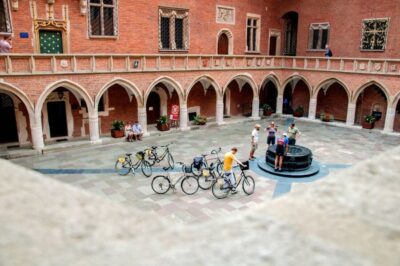
Bike Tour of Old Town, Jewish Quarter and the Ghetto
Read our review →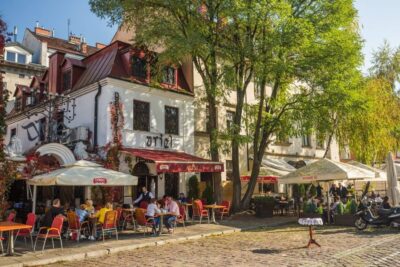
Kazimierz, Schindler’s Factory & Ghetto Guided Tour
Read our review →
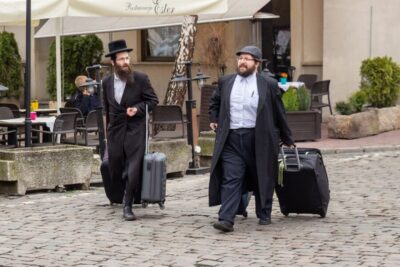
Full Bike Tour – the Old Town, Jewish Qtr & the Ghetto NEW BIKES
Read our review →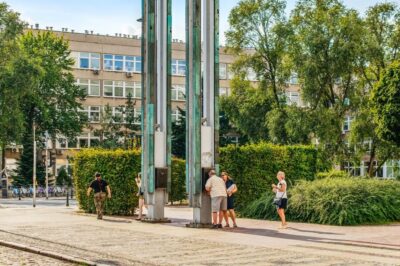
Warsaw Ghetto Private Walking Tour with Hotel Pickup
Read our review →