
Reviewed · JEWISH HERITAGE TOURS
A unique walking tour of Jewish Warsaw — past and present
If you want Warsaw to make sense, this walk is one of the best ways in. You move through Jewish Warsaw as it was, then as it was brutally erased, and then as it quietly comes back into view. It is a compact route that links major wartime sites with today’s city streets.
Two things I especially like are the stop at the Nożyk Synagogue, the only Warsaw synagogue that survived the war and still stands, and the ending at Pomnik Umschlagplatz, tied to the transports that sent 300,000 Jews toward Treblinka. One possible drawback: this is still a long 4.5 to 5 km walk in about 3 hours, so if your legs are a problem, you may find it tiring.
Key highlights worth planning around
- Nożyk Synagogue: the surviving Warsaw synagogue, still there today
- A rare ghetto wall remnant, one of the few parts left to see
- Umschlagplatz and the Treblinka transports, anchored by a major memorial
- Ringelblum Archive memorial, focused on what was recorded and preserved
- POLIN Museum stop for context, even if you do not go inside
- Small-group format (max 10), so questions stay easy to ask
Jewish Warsaw on foot, from surviving buildings to raw memorials
This is the kind of walking tour that does not just point at plaques. It connects places to a story you can actually follow. You cover the arc of Jewish life in Poland and Warsaw, then you focus hard on the destruction of the Second World War and the heroic resistance in the Warsaw Ghetto, including why the 1943 uprising mattered even when defeat was almost certain.
You also get a practical route. It is about 3 hours and roughly 4.5 to 5 km. That means you get real walking time, but you are not stuck on a full-day slog. The small group size, limited to 10 people, helps the guide keep things clear and conversational, not like a crowded history lecture.
One more thing that helps, especially if this is your first time tackling this subject: you start with a brief orientation and then you keep stepping through specific sites. You will not be left trying to match names to locations in your head.
More Jewish Heritage Tours in Warsaw
- Warsaw: Warsaw Ghetto Private Walking Tour with Hotel Pickup
★ 4.9 · 369 reviews - Warsaw: Jewish History Guided Walking Tour in English
★ 4.7 · 324 reviews - Private Tour: Warsaw’s Jewish Heritage by Retro Fiat
★ 5.0 · 208 reviews
Meeting at Sienna 53, then settling into a tight route
You meet at the Baguette Mi restaurant area and look for a guide holding a white and green umbrella. Your tour starting location is Sienna 53, and from there the route is set for efficient sight-by-sight movement.
Expect a steady pace with short guided stops. The guided portions range from about 10 to 30 minutes each. That structure is part of the value. You get enough time at each place to understand what you are looking at, but you still keep moving so the tour stays cohesive rather than turning into a series of unrelated stops.
Because it is a guided walking tour, the timing matters. If you have a tight schedule for your day in Warsaw, this is the kind of activity that fits cleanly into the middle of a morning or afternoon. And since it is an English-language live guide, you are not relying on audio alone to make meaning out of the sites.
Nożyk Synagogue, the survivor you can still enter
Your tour begins with the Nożyk Synagogue stop, with a guided visit of about 15 minutes. The big reason this place hits is simple: it is the only Warsaw synagogue that survived the war and remains standing today.
That survival changes how you experience the building. Many sites you will see later are memorials, fragments, and reminders. Here, you are looking at a synagogue that lived through the catastrophe and still exists in the present. Even if you do not go inside during the tour, you can still feel the difference between a place preserved for worship and a place preserved mainly for remembrance.
Practical note: the entry fee to the Nożyk Synagogue is not included. So if you want to go beyond the guided viewing, plan for an additional ticket cost. If you are trying to keep things simple, the guided stop still gives you the core context.
Hala Mirowska, a modern landmark on a historic route
Next you stop at Hala Mirowska for about 10 minutes of guided explanation. This is one of those spots where a landmark helps you read the city. Warsaw did not rebuild in one clean reset. It layered new life over older neighborhoods and streets.
I like including stops like this because they keep the tour grounded. You are not only dealing with “museum Warsaw.” You are walking through a working city, where the historical story sits right next to daily life.
If you are hoping for every stop to be a single, heavy monument, you might find Hala Mirowska feels a bit lighter than the memorial-driven moments. But that contrast is useful. It helps you understand how Jewish history fits into the city fabric, not just into a sad chapter in isolation.
More Walking Tours in Warsaw
- Warsaw: Old Town Highlights Walking Tour in English
★ 4.7 · 1,516 reviews - Warsaw: Old Town Guided Walking Tour
★ 4.9 · 599 reviews - Half-Day Polish Food Walking Tour with Guide and Dinner
★ 4.5 · 381 reviews - Old Town Warsaw Walking Tour
★ 4.5 · 333 reviews
Muranów, where the ghetto story takes physical form
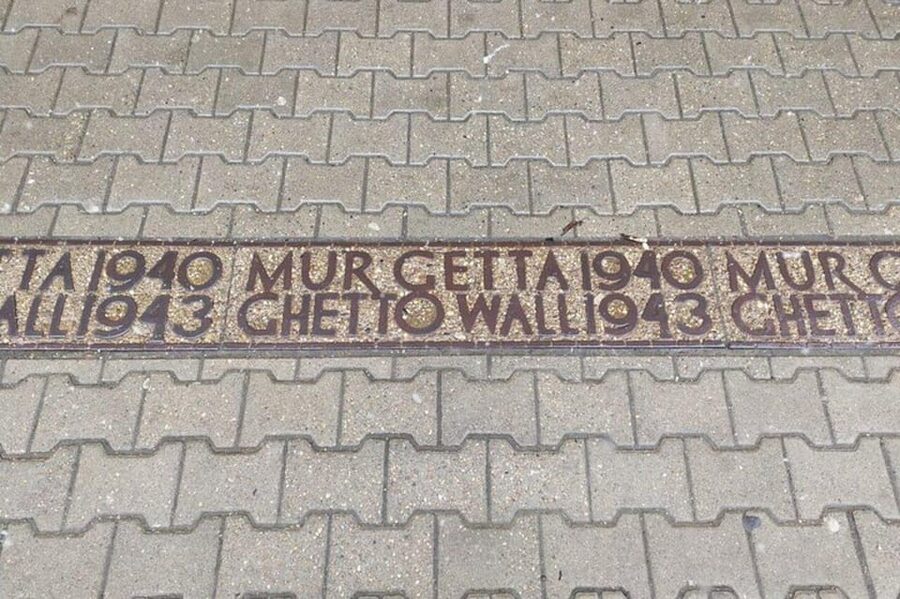
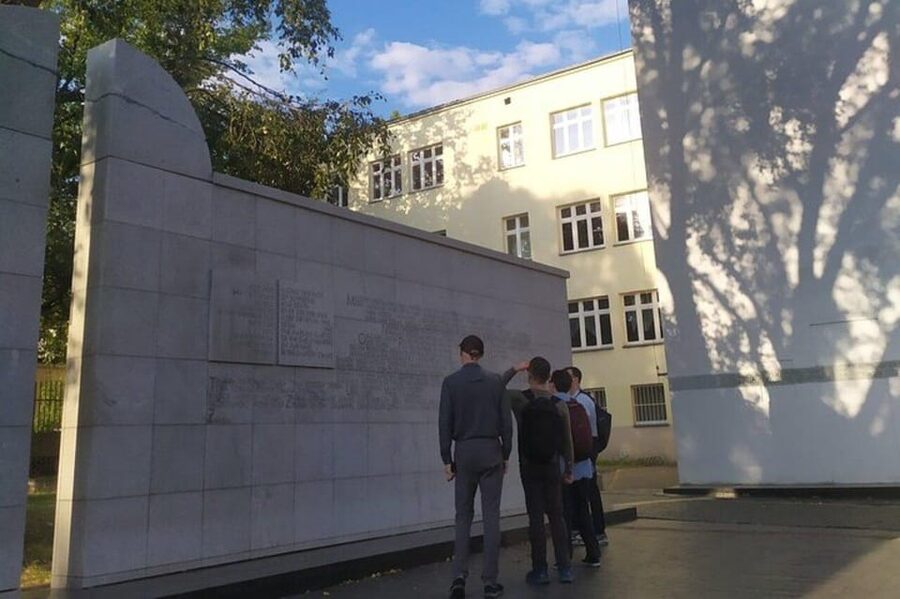
Then you head to Muranów for a longer guided stop of about 30 minutes. This is where the walk starts to feel more focused on the wartime reality, including the idea of the ghetto as a lived, cramped, controlled space and not just an abstract term from a book.
One of the tour’s standout promises is that you will see one of the few remaining parts of the ghetto wall. That is the kind of detail that makes history stop being theoretical. A wall fragment is not an idea. It is a material object. It helps you visualize what it meant to be enclosed.
At this stage of the walk, you are also starting to move through the neighborhoods and city edges where the ghetto narrative becomes easier to “see” in your mind. It is not perfect for instant understanding, because no single building explains everything. But the guide’s job is to connect the dots. You get that connection in the way they build from place to place.
Ringelblum Archive memorial, focused on what was saved
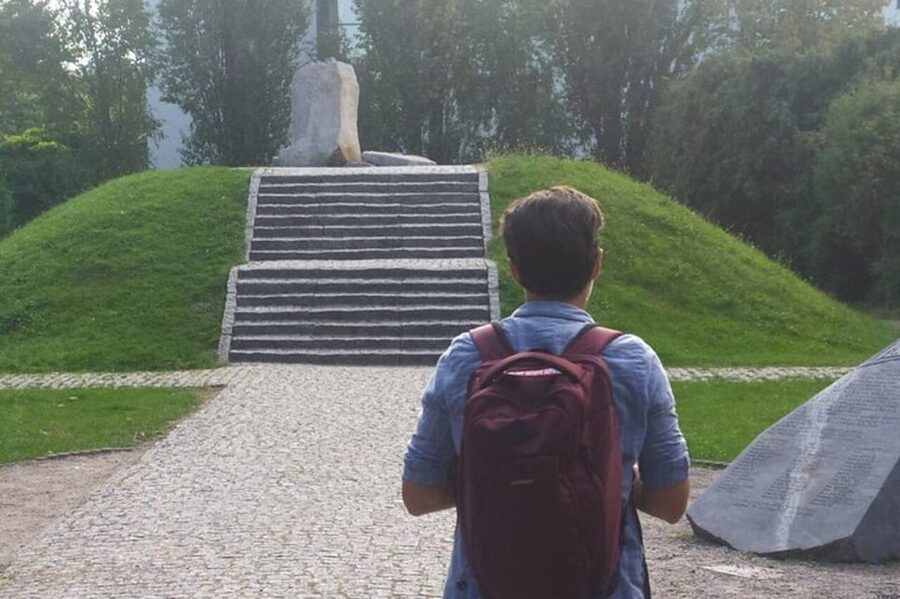
After Muranów, you visit the Upamiętnienie Archiwum Ringelbluma for about 10 minutes. This stop keeps attention on something that many people forget when they think about wartime tragedy: documentation.
The guide’s talk here is meant to bring home how survivors tried to record what was happening. It is the opposite of despair without meaning. It is people refusing to let the truth vanish. Even in a short guided segment, this kind of memorial tends to land.
I like this stop because it gives you emotional pacing. You still learn hard facts, but you also hear about preservation and responsibility. It is the kind of moment where you may find yourself quiet, then looking around differently.
POLIN Museum stop for context, not a replacement
Next is a stop at POLIN Museum of the History of Polish Jews for about 10 minutes. Important detail: the entry fee to the POLIN Museum is not included. That means you are not doing a full museum visit in this tour. Think of it as an orientation stop, a way to connect what you see outside with the deeper story the museum tells inside.
This is still valuable. When you later decide whether to buy museum tickets on your own, you will go in with a clearer sense of what you are looking for. You will know which themes matter most and which names and places the tour helped highlight.
If you want the best value out of the tour, treat the 10 minutes here as a preview. Then decide if you want to spend more time in the museum yourself.
Miła 18, a specific address that anchors the story
You also make a stop at Miła 18 for about 10 minutes guided. Addresses matter in history, because they stop the story from becoming foggy. A street address is where decisions were made, where suffering happened, and where people lived their final chapters.
In this kind of walking tour, I find that shorter address stops are often where the guide does the most careful work. They take a place you might walk past without a second glance and give it meaning in a way that sticks.
Even if you only spend a brief time here, you will likely remember it because it is specific. It is harder to forget a name like Miła 18 than a vague description of a neighborhood.
Ending at Pomnik Umschlagplatz, the Treblinka departure point
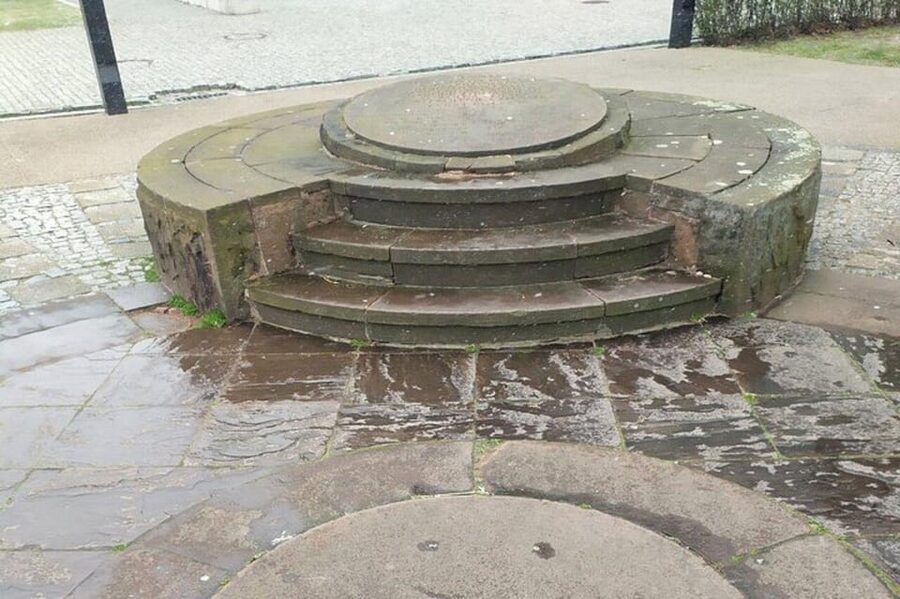
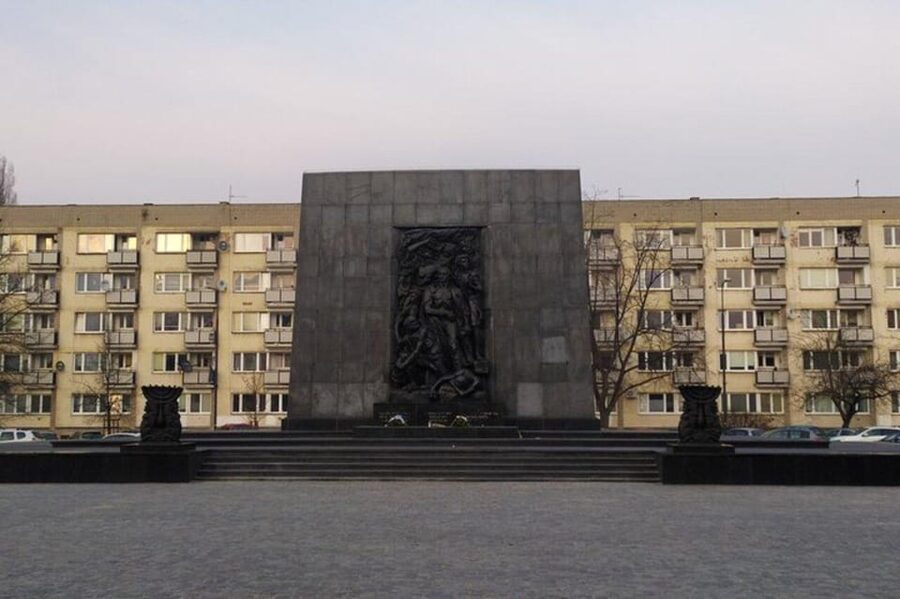
The walk finishes at Pomnik Umschlagplatz. This stop is one of the emotional anchors of the route because it is tied to where 300,000 Jews were transported to Treblinka.
This is not just a memorial to death. It is a memorial to a system: people gathered, processed, and moved as part of the Holocaust machinery. Seeing a place like this after you have already learned about the ghetto’s reality gives the ending real weight. You feel the sequence more clearly.
The tour also includes several monuments that remind you of the Jews’ heroic struggle in the Ghetto. So by the time you reach Umschlagplatz, you have not only absorbed the tragedy. You have also seen that resistance and courage were part of the story, not an afterthought.
I also appreciate how the tour closes on a clear destination. You do not finish wandering. You finish with a place designed for reflection, and you can decide what to do next with the rest of your day in Warsaw.
Price and value: $32 is fair, but plan for entry fees
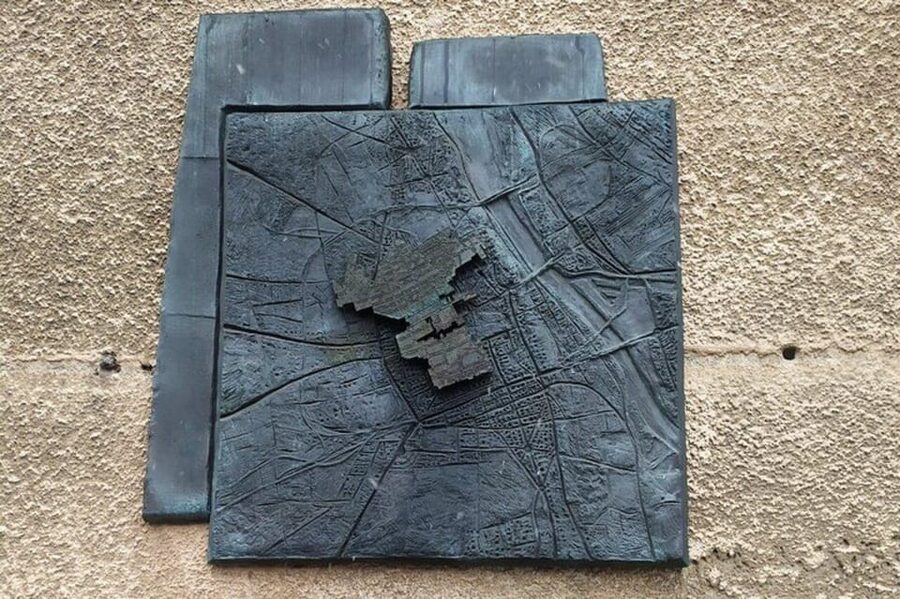
At $32 per person for about 3 hours, this is solid value for a guided Jewish Warsaw walking route. You are paying for structure, context, and the ability to visit multiple significant locations in one afternoon.
But there are two add-on costs to be aware of. Entry fees are not included for the Nożyk Synagogue and the POLIN Museum. If you want to go inside either place, budget extra. If you are traveling with a tight budget, you can still get a lot from the guided stops, because the walk is designed to deliver meaning even when you do not fully enter those sites.
The included info pack also adds practical value. You get a full pack with a FAQ, useful links, and additional recommendations about where to eat and drink. That kind of extra homework saves you time later, especially after a heavy history day when you just want a good nearby meal.
Who this tour fits best, and who might skip it
This is a strong choice if you:
- want a focused introduction to Jewish Warsaw past and present
- like guided storytelling that connects buildings, streets, and memorials
- prefer small groups and a clear, human pace
- want to understand the Warsaw Ghetto resistance, including the 1943 uprising, in a way that makes sense on the ground
- plan to visit or reconsider major sites like POLIN later
It may not be your best match if you:
- have trouble with longer walking days
- need a lighter, more relaxed sightseeing style
- want a full museum experience, since POLIN is only a guided stop and entry is extra
Should you book this Jewish Warsaw walking tour?
Book it if you want one afternoon that links the big story you read about in books to the exact places you can stand in. The route is efficient, the group stays small, and the guided explanations are central to the experience.
Skip it or consider another format if you cannot comfortably walk 4.5 to 5 km in about 3 hours. Also, if you are expecting a complete museum day, know that the POLIN Museum stop is brief and entry is not included.
If you are up for a serious, well-paced walk that takes you from a surviving synagogue to the ghetto’s remaining traces and then to the departure point memorial at Umschlagplatz, this is a very good way to discover Warsaw instead of just passing through it.
Fresh Warsaw reviews
- Warsaw Off The Beaten Path Self-Drive Tour★ 5.0 · 18 reviews
- Private Warsaw Chopin Airport One Way Transfer★ 5.0 · 18 reviews
- Zelazowa Wola: Frederic Chopin Half-Day Private Tour★ 4.7 · 18 reviews
- Warsaw: 2-Hour Chopin’s Life Walking Tour★ 5.0 · 19 reviews
- Warsaw: melt museum Entry Ticket★ 3.5 · 19 reviews
- Deluxe Polish Food Tour Experience in Warsaw★ 5.0 · 19 reviews
- FSO Gunrange, Shooting Package US ARMY★ 5.0 · 19 reviews
- Gdansk and Malbork Castle Small Group Tour from Warsaw with Lunch★ 4.5 · 20 reviews
Jewish Heritage Tours, compared.
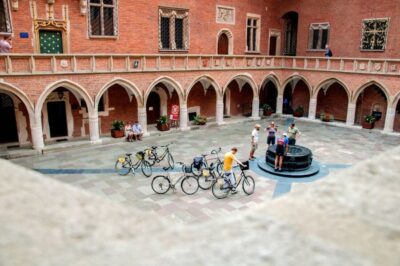
Bike Tour of Old Town, Jewish Quarter and the Ghetto
Read our review →
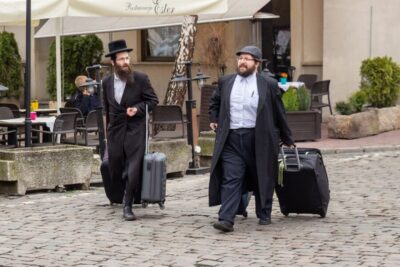
Kazimierz, Schindler’s Factory & Ghetto Guided Tour
Read our review →
Full Bike Tour – the Old Town, Jewish Qtr & the Ghetto NEW BIKES
Read our review →
Warsaw Ghetto Private Walking Tour with Hotel Pickup
Read our review →
Browse the lists this tour appears in