
Reviewed · JEWISH HERITAGE TOURS
Warsaw: 2-Hour Tour of Daily Life in the Ghetto Warsaw
What makes this Warsaw Ghetto tour interesting is that it stays focused on daily life in the heart of Warsaw, not just the big dates. I really love the last preserved street of the ghetto and the ghetto wall remnants you can still find in the modern city. One possible drawback is that it covers very dark material, and the tour is not suitable for children under 12.
I also love the Oneg Shabbat and Underground Archive story, including how secret documentation survived in metal cases and milk cans and was recognized in the UNESCO Memory of the World register.
Key things that make this tour hit hard (in a good way)
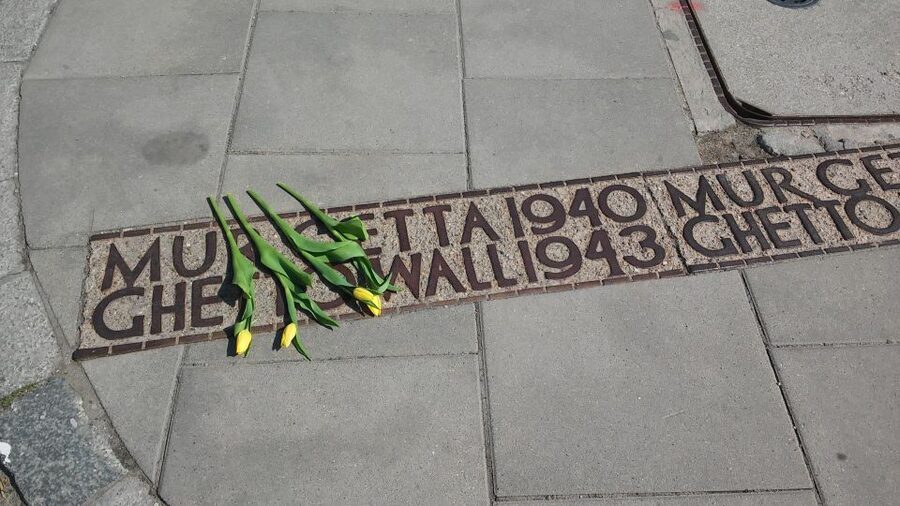
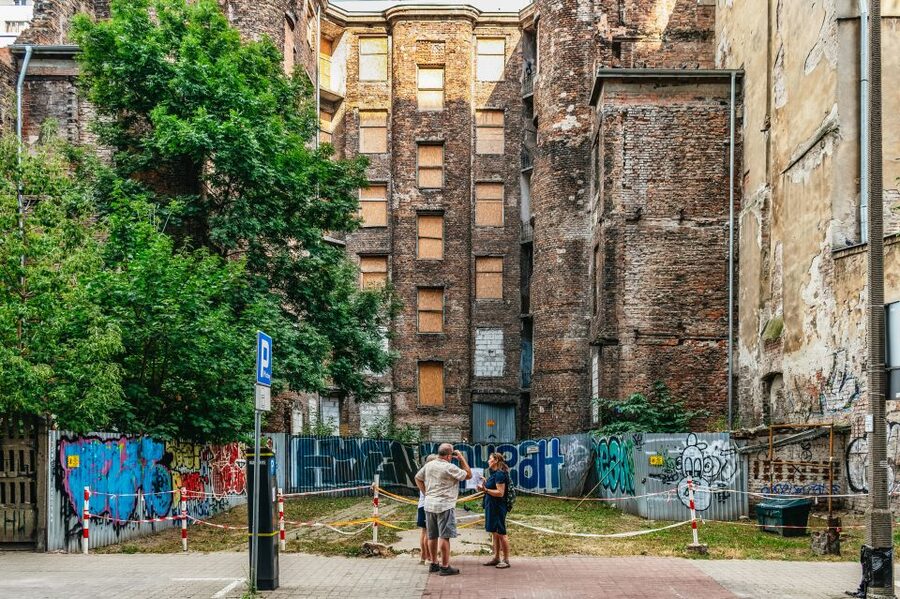
- Last preserved ghetto street and ghetto wall remnants, so you are not just reading about the past
- Mila 18 at 18 Miła Street, plus the story of why the uprising erupted in 1943
- The Footbridge over Chłodna Street former location, tied to everyday movement and fear
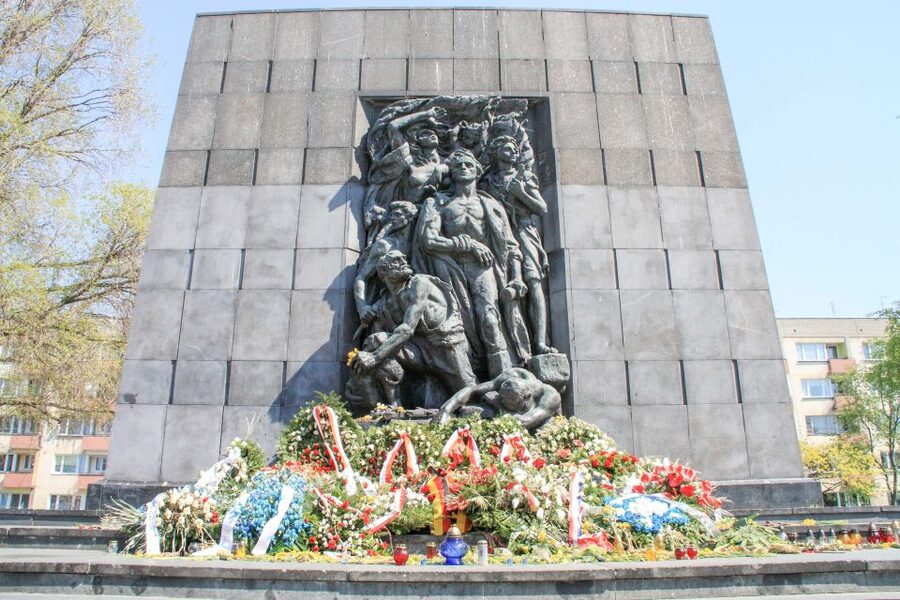
- Umschlagplatz and the Monument to the Ghetto Heroes, where the story turns toward deportations
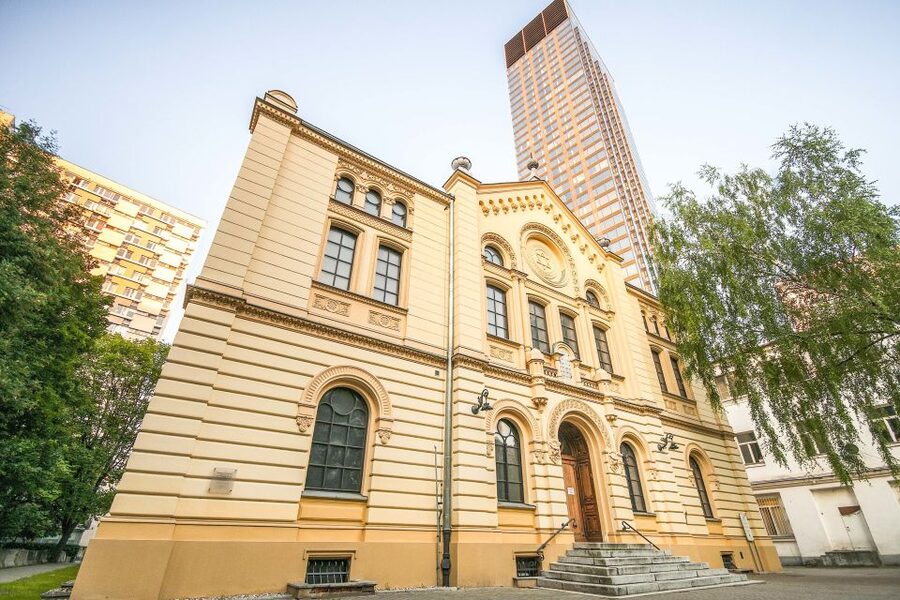
- The surviving synagogue stop, a rare physical thread back to community life
- Roman Polanski’s The Pianist connections, used to anchor the human story to real places
Warsaw Ghetto daily life in 2 hours, what you should actually expect
This is a tight, focused tour built around real surviving pieces of the Warsaw Ghetto area, plus guided storytelling about what daily life was like under Nazi rule. You will hear how the ghetto was created in 1940 in central Warsaw, squeezing about 460,000 Jews into roughly four square kilometers. You will also learn the grim outcomes, including the deaths from hunger, exhaustion, and disease, and the large-scale deportations to Treblinka.
You should expect a tour that explains systems, not just suffering. It talks about how people tried to solve daily life problems, and it also covers harsh realities like indifference, blackmail, and resistance. In two hours, you will not leave with a complete encyclopedia, but you will leave with a clear sense of how daily life worked inside a cage.
More Jewish Heritage Tours in Warsaw
- Warsaw: Warsaw Ghetto Private Walking Tour with Hotel Pickup
★ 4.9 · 369 reviews - Warsaw: Jewish History Guided Walking Tour in English
★ 4.7 · 324 reviews - Private Tour: Warsaw’s Jewish Heritage by Retro Fiat
★ 5.0 · 208 reviews
Meeting at PolinTours, and how the walking plus public transport feels
The guide meets you with a PolinTours sign, and the tour is conducted on foot plus public transport. That matters because it changes the pacing: you are moving through the city, not standing in one museum room, and you will get brief windows to orient yourself before the next stop.
Head sets are included for groups up to 20 people, which helps a lot in busy outdoor spaces. The tour is available in English and German, and it is run by a licensed guide, so you are not dealing with a rushed slideshow without context.
Plan to travel light. Large bags or luggage are not allowed, and smoking and alcohol or drugs are also off limits.
The ghetto wall remnants and the last preserved street, seeing scale in real space
One of your best gifts on this tour is the chance to stand near evidence that still exists. You will explore the last preserved street of the ghetto and the remains of the ghetto wall. Even if the setting looks different today, these remnants help you understand how extreme the confinement was.
The story the guide gives you is rooted in numbers, but the street-level experience is what makes it stick. When you hear that the ghetto held around 460,000 people in about four square kilometers, it is easy for that to become abstract. Seeing physical traces nearby turns it into something your brain can measure with your own eyes.
A small consideration: these preserved sections are limited. So your guide’s explanations become the map. If you like asking questions, this is exactly the moment to do it, because the locations can feel subtle until someone points out what you are looking at.
The surviving synagogue stop, why it matters to the story
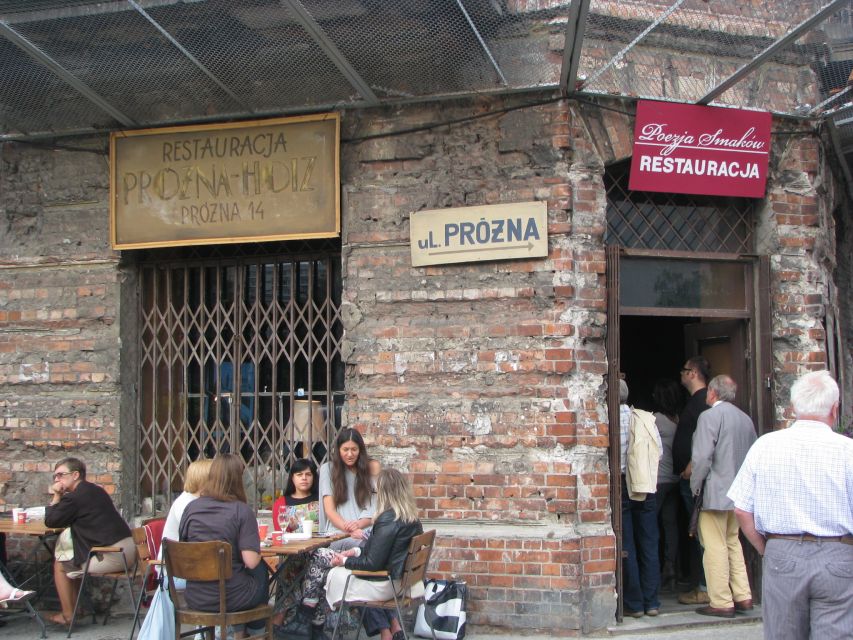
This tour includes a stop at the only surviving synagogue. That detail is important because it shifts the conversation from only destruction to the fact that Jewish community life was real, structured, and ongoing until it was violently interrupted.
In a two-hour format, it is tempting to treat each stop as a quick photo stop. The synagogue makes you pause and think about continuity, not just rupture. You get a sense that daily life was not only hunger and fear, even though that is what history forces us to confront.
Another way through a Warsaw day:
- Warsaw: Chopin Concert in the Old Town
★ 4.8 · 2,287 reviews - Warsaw: Traditional Galar Cruise on The Vistula River
★ 4.6 · 1,640 reviews - Warsaw: Old Town Highlights Walking Tour in English
★ 4.7 · 1,516 reviews - Warsaw Concert: Chopin – Painted by Candlelights with Wine
★ 4.8 · 1,442 reviews
Mila 18 at 18 Miła Street, the uprising’s pressure point
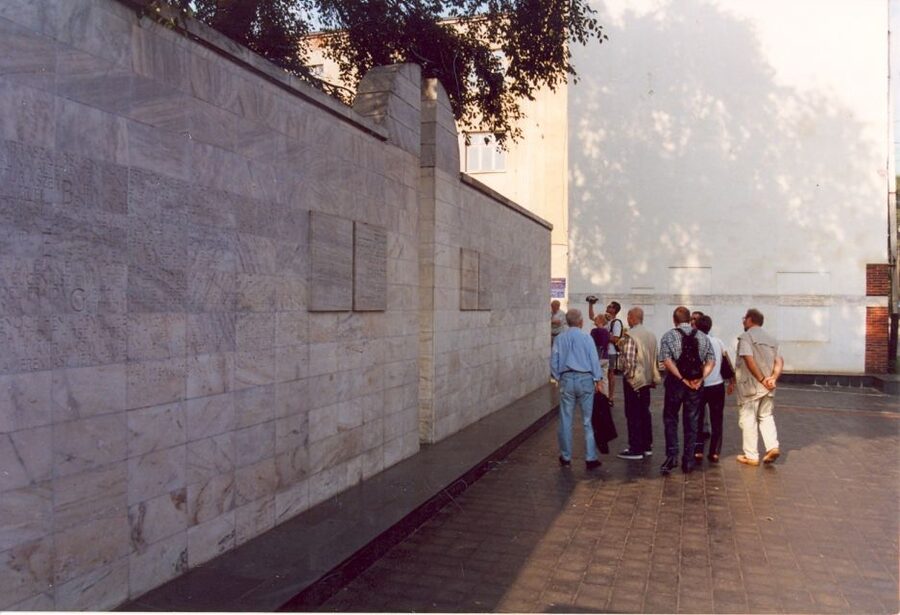
You will visit the location of Mila 18, including the bunker at 18 Miła Street. This is one of the most emotionally charged stops on the route, because it is connected to the 1943 uprising in the ghetto.
The guide frames it around cause and consequence. You learn that an uprising broke out in response to the Nazis’ attempt to totally liquidate the ghetto, and then the Nazis carried out revenge by laying waste to the area. Standing at a place linked to that resistance helps you understand that uprising was not a random impulse. It was driven by a sense that the situation had become unbearable and that action was the only remaining option.
Practical tip for yourself: give this stop your attention, not your phone. Photos are optional. Your best take away will come from listening and letting the story land.
Chłodna Street footbridge location, how everyday movement gets interrupted
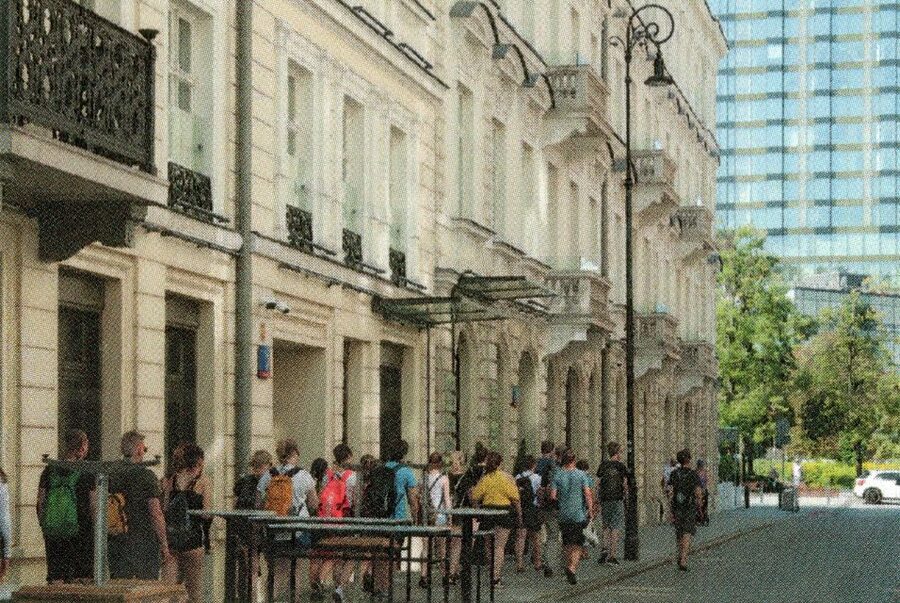
Another standout stop is the former location of the Footbridge over Chłodna Street. The word former is key. You are not viewing a preserved bridge, so you have to rely on your guide’s description to picture how movement and separation worked in practice.
This is where you start to understand daily life as logistics under pressure. When you hear how people tried to solve everyday problems, the footbridge becomes a symbol of how small infrastructure details could carry huge meaning in a forced boundary system. It is also a way to see the ghetto as part of the real city fabric, not a sealed-off bubble.
If you are a visual thinker, this stop is worth slow concentration. Ask your guide to clarify what changed and what still exists now.
Umschlagplatz and the Monument to the Ghetto Heroes, where the story turns
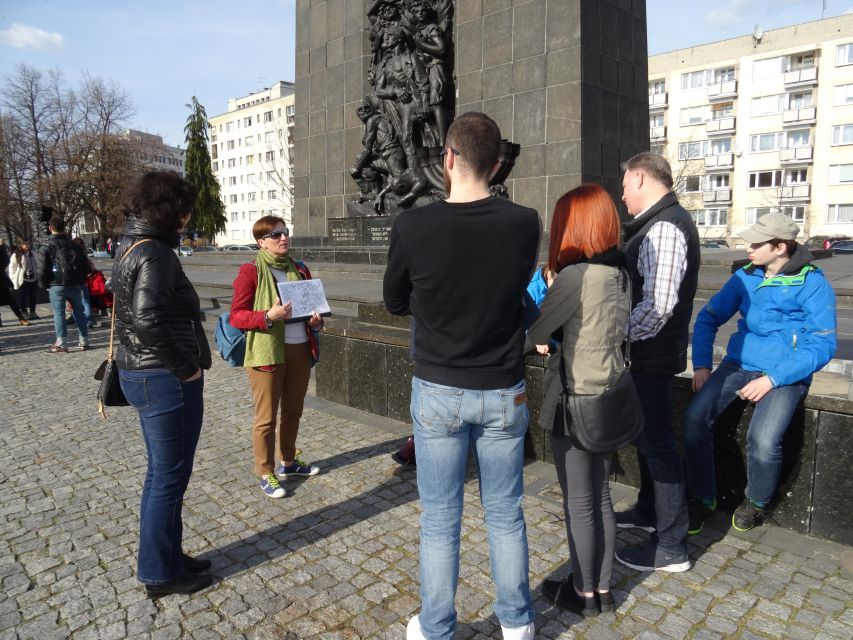
You will visit Umschlagplatz, and you will also learn about the Monument to the Ghetto Heroes and its symbolism. This is the point where the daily-life narrative connects directly to deportation and mass violence.
Umschlagplatz is not just a name on a map here. It is tied to what you already learned earlier: over 300,000 people were sent away to the Treblinka extermination camp, and the ghetto’s destruction escalated after the uprising. The monument discussion helps you see how memory is shaped in public space, and why symbolism matters when the physical world has been erased.
One consideration: this is not the kind of place where you rush. Even if the tour is time-boxed, you should give yourself a respectful pause. Your understanding will feel more solid because you are not just collecting facts, you are witnessing a memorial landscape.
Oneg Shabbat and the Underground Archive, why documentation is a powerful stop
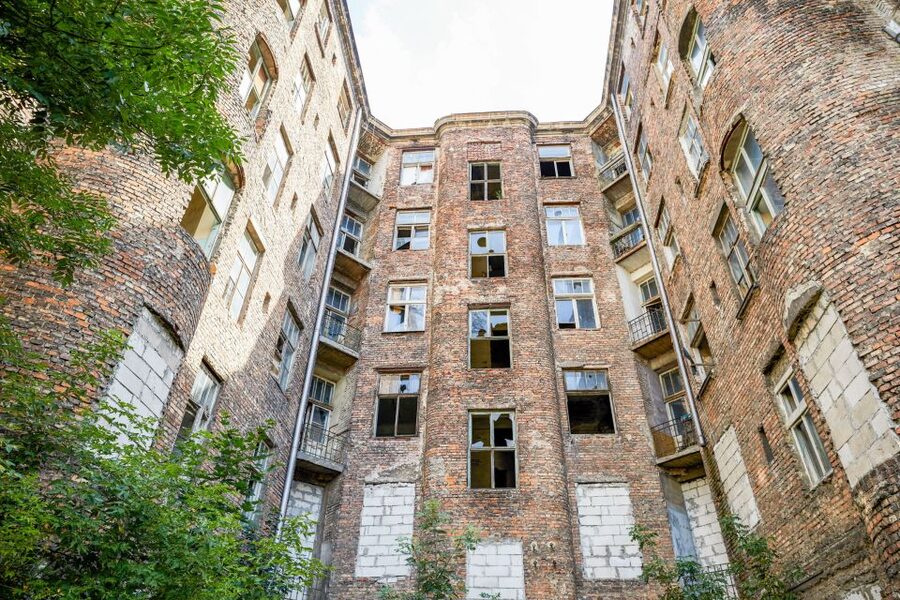
If you want one part that most directly connects history to meaning, it is the story of the Underground Archive of the Warsaw Ghetto and Oneg Shabbat. The tour explains that a secret organization called Oneg Shabbat took on the task of documenting life in the ghetto.
What I find compelling here is not only that it was documented, but how it survived. The archive was preserved during the war in metal cases and milk cans, then it was recognized in the UNESCO Memory of the World register. That gives you a concrete reason to care about records, not just statistics.
This is also where the tour helps you interpret why indifference and blackmail were part of daily life, and why resistance took different forms. The documentation effort becomes a form of resistance too, because it insists that what happened was not forgettable.
Roman Polanski’s The Pianist connections, using fiction as a doorway to real places
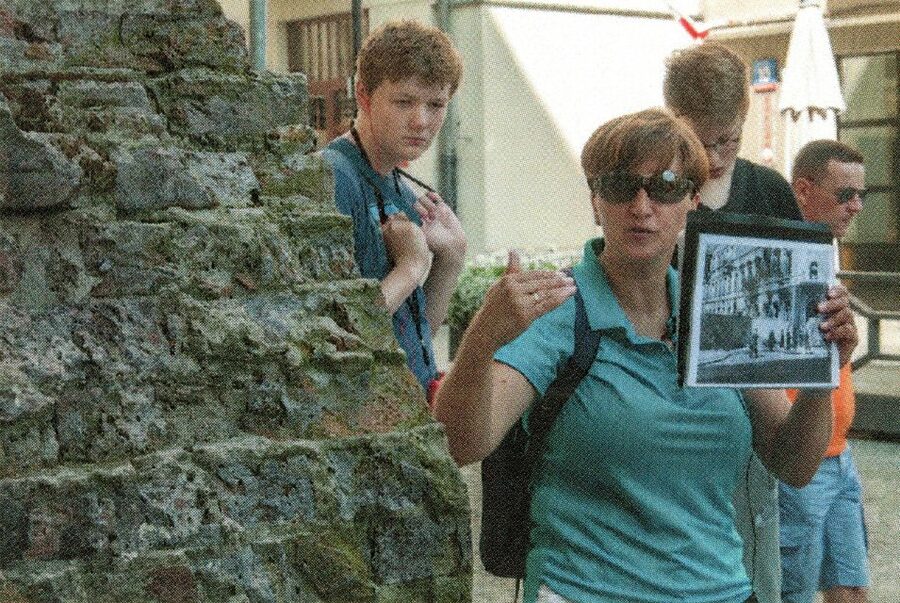
The tour includes stops tied to the main hero of Roman Polanski’s The Pianist. This can help you make connections if you have seen the film or read the story, but the tour keeps it grounded in place.
For me, the value is practical. Instead of treating The Pianist as an atmospheric experience, you learn how it points toward specific locations in the Warsaw Ghetto geography. Then the guide fills in what life was like for real people, which is the key difference between a story and history.
Tip: if you come in with strong emotions from the film, channel them into questions. You will get more from the tour if you ask how a scene would connect to the realities of daily life under confinement.
Ending near the Jewish Museum, how to plan the next 2.5 hours
The tour usually ends at the Jewish Museum. This is a smart pairing, because the walking portion gives you orientation, and the museum is where you can slow down.
I recommend you set aside at least 2.5 hours for the core exhibition, using audio guides. Audio guides are available in English and other languages. Also check opening hours ahead of time: Monday, Wednesday, Thursday, Friday, and Sunday run from 10:00 am to 6:00 pm, with the last entrance at 4:00 pm. Tuesday is closed. Saturday runs 10:00 am to 8:00 pm, with the last entrance at 6:00 pm.
If your schedule is tight, it can be tempting to skip the museum. Don’t. The tour gives you the bones of the story. The museum is where you can see the details without being rushed.
Price of $76 for 2 hours, does it feel worth it?
At $76 per person for a 2-hour tour, you are paying mainly for three things: a licensed guide, a focused route through major sites, and included head sets for clearer listening in small group conditions.
You are not paying for everything on site. Entrance fees are not included, public transport tickets are not included, and lunch is not included. So you should think of this as a guide-led experience plus optional or additional museum time, not as an all-in one ticket.
In value terms, it makes sense if you want a guided explanation of the Warsaw Ghetto’s daily life in a short window. If you already plan to spend a large chunk of time at the Jewish Museum anyway, this tour helps you arrive with context, which can make your museum time more meaningful.
Also, guide quality matters here. In the groups led by Marzena, the emphasis is consistently on clear, detailed explanations and staying responsive when people ask questions. That is the kind of professionalism that turns a short tour into real learning.
Who should book, and who should consider a different option
This tour is a strong fit for adults and older teens who want context and a guided route through key locations tied to the Warsaw Ghetto. It is also a good choice if you like “real places” more than only indoor exhibits, because you will spend your time outside at surviving sites and memorial-adjacent locations.
It is not suitable for children under 12. If you are traveling with a younger child, you should look for a different format.
It is also not ideal if you cannot manage a foot-based tour with public transport connections, or if you rely on bringing larger bags. The rules are strict about oversize luggage and even large items.
Should you book this 2-hour Warsaw Ghetto daily life tour?
I think you should book it if you want a sharp, guided understanding of how daily life functioned inside the Warsaw Ghetto and how it ended. The combination of surviving physical traces, key locations like Mila 18 and Umschlagplatz, and the documentation story of Oneg Shabbat and the Underground Archive gives you both place-based learning and meaning-based context.
Book it early enough that you can also plan your Jewish Museum time afterward. If you only do the 2 hours and skip the museum, you may feel like you learned the map but not the deeper story.
If you do book, keep your expectations right: you are not getting every detail in two hours. You are getting a focused route, strong guiding, and a clearer way to understand what you are seeing.
FAQ
How long is the Warsaw Ghetto daily life tour?
The tour lasts 2 hours.
Where does the tour start?
The guide meets you with a sign that says PolinTours.
What languages is the tour offered in?
The tour guide speaks English and German.
What is included in the price, and what is not included?
Included are a licensed tour guide and head sets for groups up to 20 people. Entrance fees, public transport tickets, and lunch are not included.
Is the tour suitable for children?
No. The tour is not suitable for children under 12.
Can I cancel and get a refund?
Yes. Free cancellation is available up to 24 hours in advance for a full refund.
Fresh Warsaw reviews
- Warsaw Off The Beaten Path Self-Drive Tour★ 5.0 · 18 reviews
- Private Warsaw Chopin Airport One Way Transfer★ 5.0 · 18 reviews
- Zelazowa Wola: Frederic Chopin Half-Day Private Tour★ 4.7 · 18 reviews
- Warsaw: 2-Hour Chopin’s Life Walking Tour★ 5.0 · 19 reviews
- Warsaw: melt museum Entry Ticket★ 3.5 · 19 reviews
- Deluxe Polish Food Tour Experience in Warsaw★ 5.0 · 19 reviews
- FSO Gunrange, Shooting Package US ARMY★ 5.0 · 19 reviews
- Gdansk and Malbork Castle Small Group Tour from Warsaw with Lunch★ 4.5 · 20 reviews
Jewish Heritage Tours, compared.
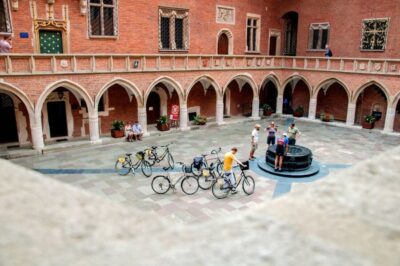
Bike Tour of Old Town, Jewish Quarter and the Ghetto
Read our review →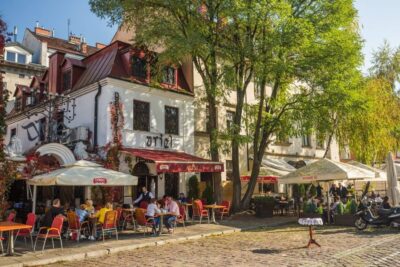
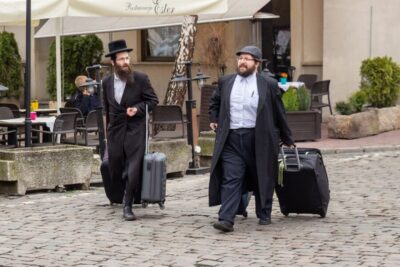
Kazimierz, Schindler’s Factory & Ghetto Guided Tour
Read our review →
Full Bike Tour – the Old Town, Jewish Qtr & the Ghetto NEW BIKES
Read our review →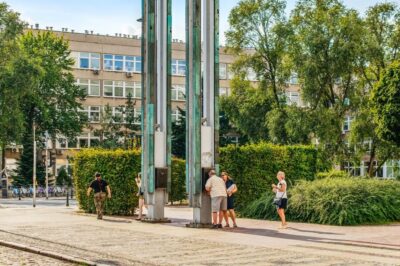
Warsaw Ghetto Private Walking Tour with Hotel Pickup
Read our review →
Browse the lists this tour appears in