
Reviewed · COOKING CLASSES
Warsaw: Polish Dumplings Cooking Class
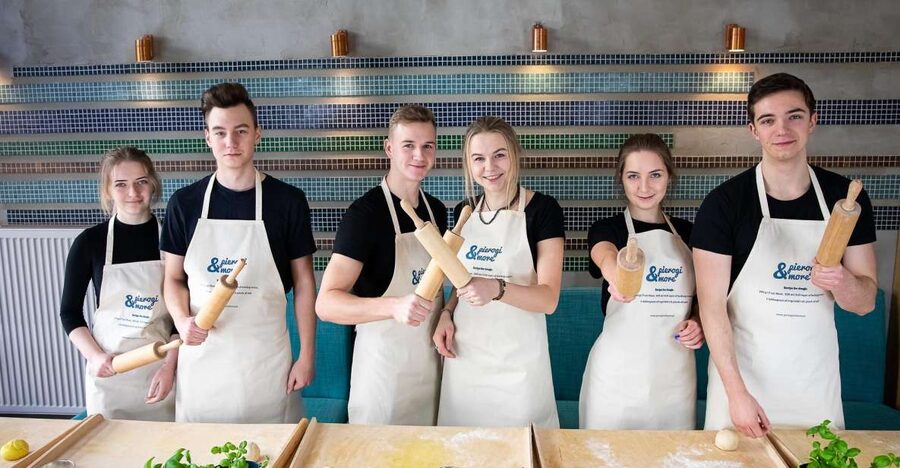
Warsaw’s Polish dumplings class is interesting because it is hands-on cooking, not a sit-and-watch food show. In just about 2 hours (150 minutes), you learn how pierogi dough and fillings come together, then you eat what you made with your hands. It is a fun way to tap into real Polish home-cooking culture without needing any prior skill.
I especially like that the class keeps you moving, with guidance on dough prep and then practical steps for folding and sealing. I also like the take-home value: you leave with a recipe booklet and you get a link to photos your host took during the session. A small group of up to 10 people helps most beginners feel comfortable.
One consideration: this is not a quick snack, and you need to arrive on time for the short intro. Also, if you are booking a morning class, drinks are not included in the price the way they are for evening sessions.
Key things that make this class worth your time
- Small group, max 10 people, so you are not stuck watching from the sidelines
- English instruction with hands-on help, designed for beginners too
- Pick your filling style, meat or vegetarian/vegan options
- Edge-folding techniques and sealing hacks you can practice again at home
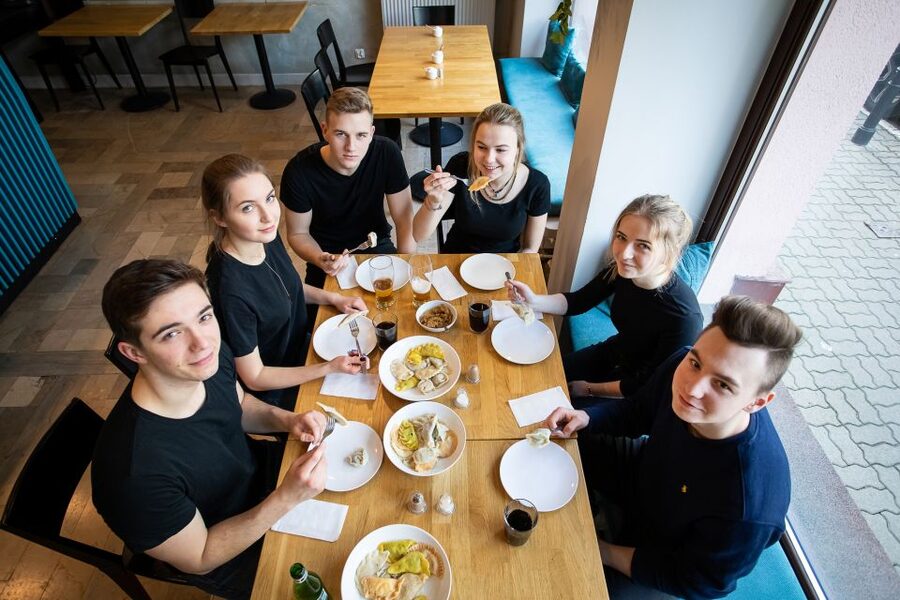
- A big family-style meal plus Polish liqueurs tasting at the end
- Take-home recipe booklet and an emailed recipe follow-up, plus a photo link
Pierogi at Pierogi & More: Why this is more than a cooking demo
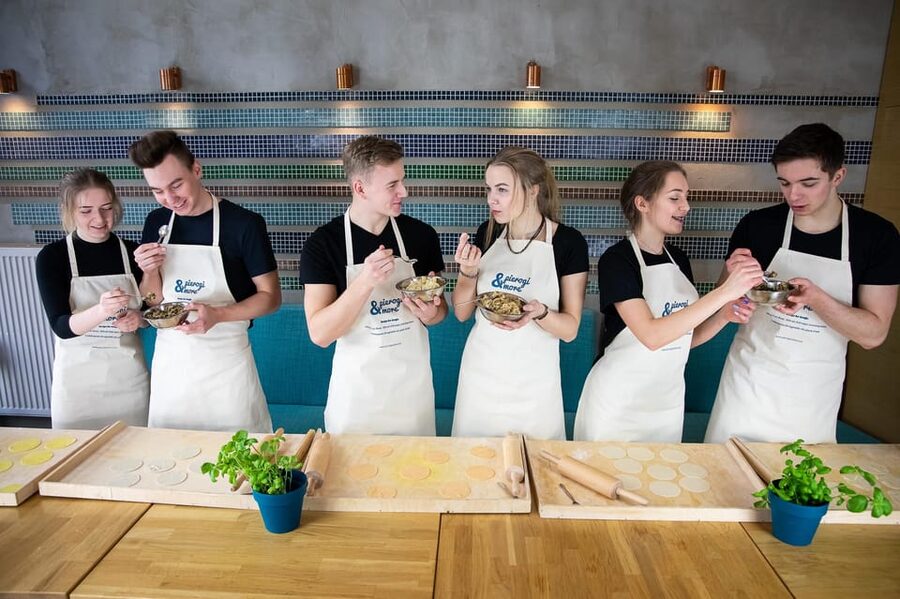
This class is built around one thing: you make pierogi, from dough to sealed dumpling to the final plate. That matters because pierogi are deceptively simple, but the results depend on technique. The folding, the thickness of the dough, and how you seal the edges are what turn “edible” into dumplings you feel proud serving.
You will start with the basics that actually change the outcome. For example, kneading and mixing is not just busywork, it is how you get dough that rolls without turning sticky or cracking. Then you get guided on shaping, so your dumplings do not spring open in the pan. It is the kind of practical cooking lesson you can reuse when you cook again later.
Value is also solid. For $75, you are not only paying for instruction. You are paying for a full cooking session, a substantial meal with vegetarian or vegan options, water, and a Polish liqueurs tasting. On top of that, the class sends you recipes by email and provides a link to photos from the day, so you get something more useful than a memory.
More Cooking Classes in Warsaw:
- Warsaw’s No 1 cooking class-Polish dumplings with liqueur tasting
★ 5.0 · 576 reviews - Pierogi Cooking Class with Market Shopping and Local Snacks
★ 5.0 · 343 reviews - Krakow Pierogi Cooking Class with Market Visit & Home-Cooked Meal
★ 5.0 · 212 reviews
Getting to the meeting point at 3 Stawki Street (and what to look for)
You meet your guide at Pierogi & More, 3 Stawki Street, 00-193 Warsaw. The entrance is from the street, and you should look for a large Pierogi & More sign.
This part is worth thinking about because classes like this run on time. The activity includes a short introduction, so if you drift in late you may miss the context that helps the rest of the process make sense. Plan on arriving a few minutes early, especially if you are pairing this with other Warsaw sightseeing.
Once you are inside, you are set up for cooking in a way that keeps things organized. The small-group size also means you are more likely to get personal nudges when your dough or your folds need adjustment.
The short pierogi intro: origins first, then straight to making
Before the hands-on work begins, you get a quick introduction about the origins of pierogi and their place in Polish culinary life. This is not a lecture marathon. It is meant to give you context fast, so you understand why different shapes and fillings matter.
Then the class immediately moves into preparation. That pacing is a big reason people leave happy. You do not spend the whole time watching instructions you will forget later. You actually do the work while everything is explained.
Also note the timing. The class runs 2 hours to 150 minutes, depending on the starting time you pick. Either way, you are getting a full cycle: dough, filling, forming, cooking, eating, and a tasting.
Mixing and kneading pierogi dough: the step that makes everything easier
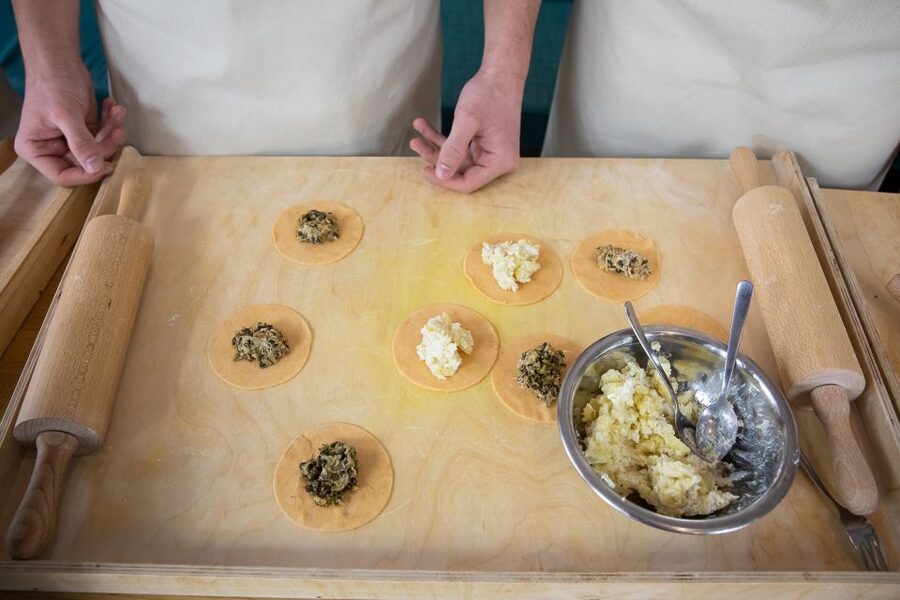
Your first real task is getting comfortable with the dough. You will mix and knead it, learning how the dough should feel as you work. This is one of the best parts of the experience because it turns you from a passive eater into an actual cook.
Even if you have never made dumplings, you will get guidance that helps you adjust as you go. The goal is dough that is workable, not too stiff, and not overly sticky. When you get it right, rolling becomes easier, and your dumplings are more consistent in size.
One practical tip to pay attention to: how the dough behaves as you roll it out. If it resists or tears, the texture is off. If it sticks too much, you likely need to adjust how you handle it and what you use on your work surface. Your host should be able to correct that during the session.
More Warsaw bookings to weigh
- Pierogi Class and Liquor Tasting with View on Warsaw
★ 5.0 · 71 reviews - Warsaw: Pottery Decorating Ceramic Workshop
★ 3.7 · 4 reviews - Pierogi Cooking Class: Mastering the Art of Polish Dumplings
★ 5.0 · 129 reviews - Zakopane: Ski Lesson on Gubałówka Hill for beginners
★ 4.9 · 81 reviews
Choosing fillings: meat, vegetarian, or vegan without feeling limited
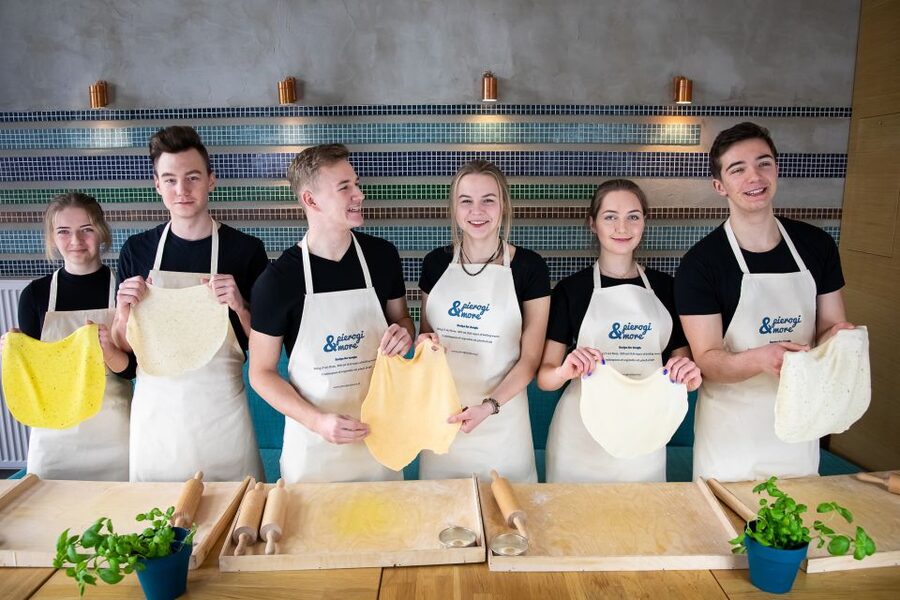
You get to choose whether you want meat filling or vegetarian or vegan options. That flexibility makes the class work well for mixed groups, including people who have dietary preferences beyond the classic version.
The biggest benefit for you is confidence. If you are cooking at home later, you are not locked into one “standard” choice that may not match what you like. Instead, you learn the fundamentals of dough and sealing, then you apply them to the filling style you chose.
You also may notice the class focuses on flavor building, not just filling-in-a-wrapper. For example, one highlight from the experience is an onion oil used alongside the pierogi, which adds a simple punch of flavor to the finished dumplings.
Folding and sealing techniques: the edge tricks you will actually use
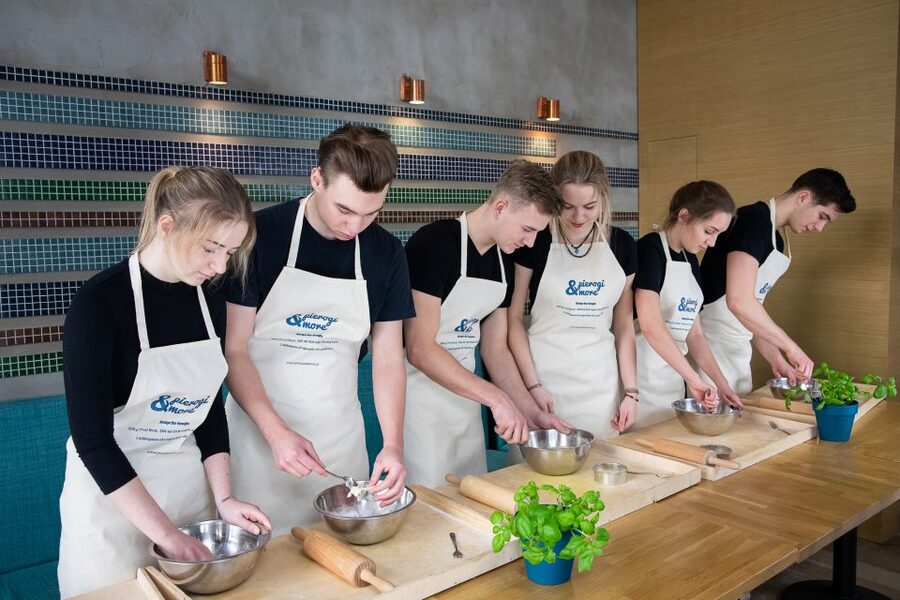
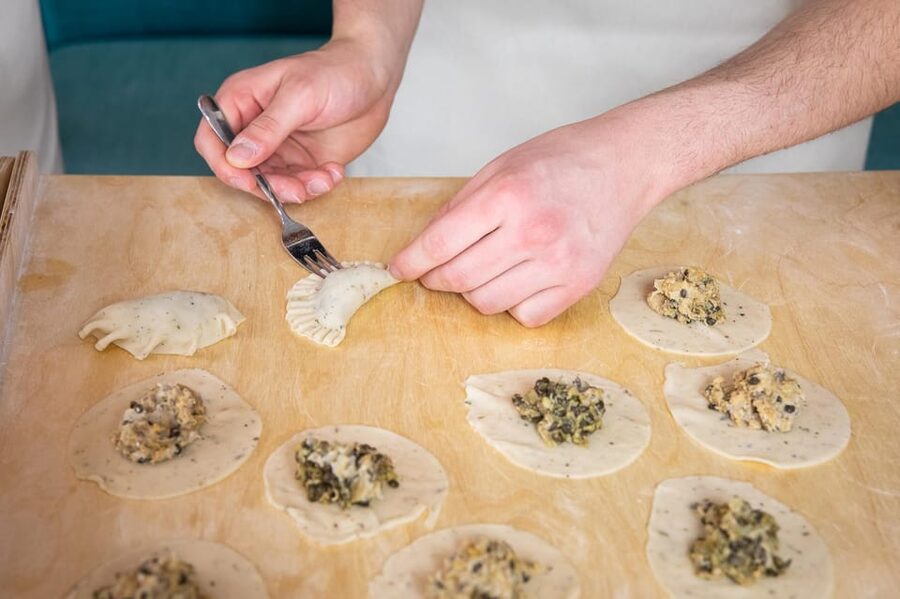
This is where the class earns its keep. Pierogi look friendly, but the edge work is the skill. You will learn various techniques for folding and sealing the dumplings, plus “hacks” meant to make them extra tasty and reliable.
You will likely practice more than one shaping method. One learner highlighted that they learned multiple ways to seal pierogi, which is helpful because you can adapt the style to what feels natural to your hands. You might even find you prefer one method for speed and another for a more decorative look.
Here is what to focus on while you fold:
- Make sure the edges are sealed all the way around, not just pressed in two or three spots.
- Try to keep dumplings similar in size so cooking is even.
- Watch the dough thickness, because thin dough can tear and thick dough can stay chewy.
If you want to get better fast, keep your attention on the seam, not just the shape. A pretty dumpling that opens in the pan is a bummer. A dumpling that seals well and tastes balanced is the whole point.
Cooking and eating: the family-style plate that keeps you full
At the end, you sample what you made. The meal is described as a big, filling plate of pierogi, and it includes vegetarian or vegan options. So even if you choose meat filling for your own dumplings, you still get a satisfying spread.
This part feels like the reward for learning, but it is also a lesson. Tasting shows you what worked. If something feels bland, you learn what topping or seasoning made the difference. If the dough texture feels right, you know your kneading and rolling were on track.
If you are the type who likes to cook from memory later, take notes in your head right during the meal. Ask yourself:
- Was the dough soft and tender or heavy?
- Did the dumplings hold shape?
- Did the flavor of the filling match what you expected?
And yes, it is a generous meal. You will likely leave satisfied, not hungry and hunting for dinner.
Polish liqueurs tasting: the finish that feels like a cultural bonus
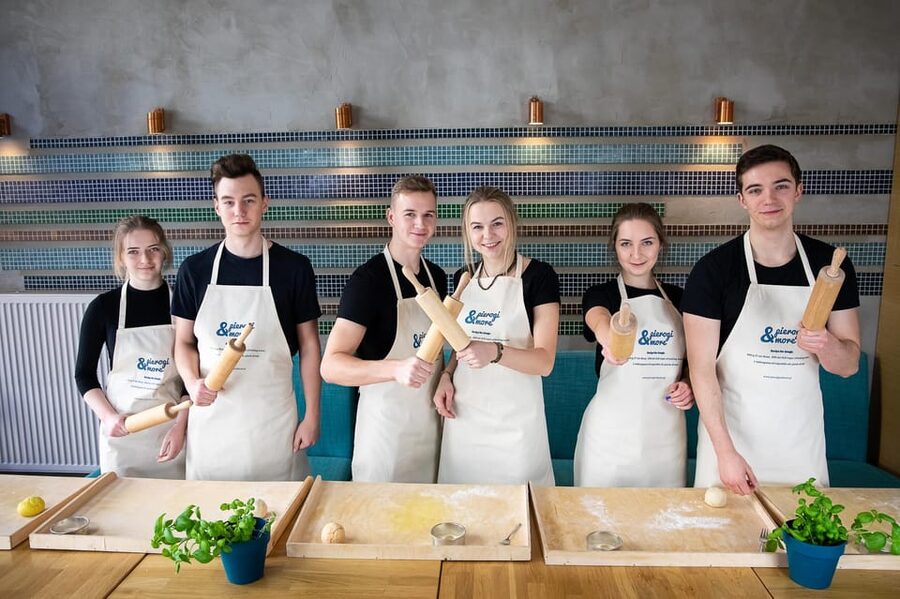
After you eat, the class includes a tasting of Polish liqueurs. It is included in the session and serves as a well-deserved end to the cooking work.
Alcoholic beverages are not included overall, but the liqueurs tasting is part of the experience. People also noted favorites, like cherry. Even if you are not a heavy drinker, this tasting is usually small and more about the cultural palate than getting tipsy.
A practical angle: if you plan to walk around afterward, go easy on pace. This is a long, hands-on meal and you may not want a strong drink to slow you down.
What you take home: booklet, email recipes, and a photo link
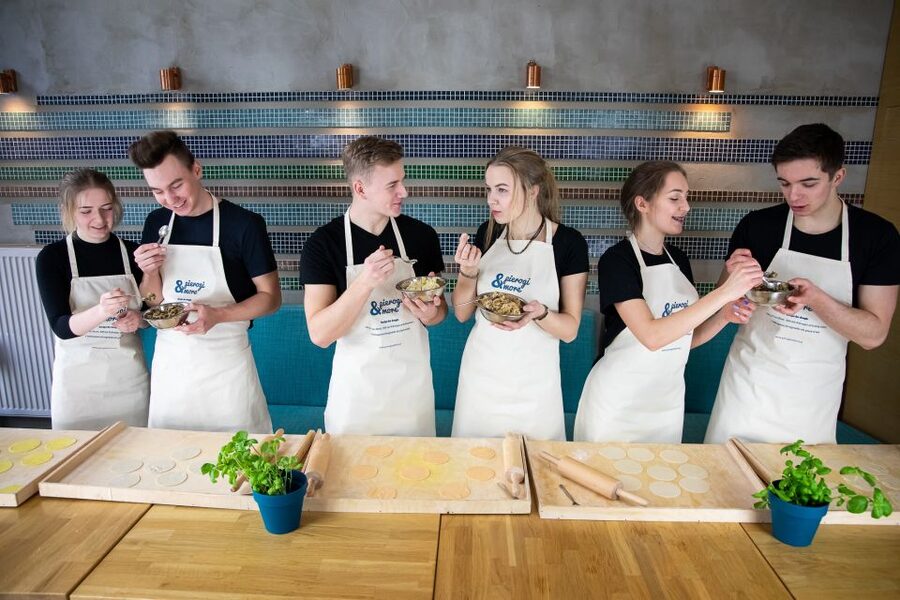
One of the most useful parts is what you leave with, beyond eating.
You get:
- A recipe booklet to take away, so you can recreate the process later
- Recipes sent by e-mail
- A link to pictures taken by the host during the class
That photo link is surprisingly helpful. When you later compare your own folding style to the images, you can see what “good” looks like. It also makes it easier to remember which filling you chose and how the final plate was served.
Price and value: is $75 really fair for this kind of class?
At $75 per person for about 2 to 150 minutes, you should look at value in categories, not just the cooking time.
Here is what you get in the price:
- Pierogi making class with English instruction
- A big meal, with vegetarian or vegan options
- Water
- Polish liqueurs tasting
- Recipe booklet and follow-up recipes by email
- Photo link from the host
When you compare that to typical “tour plus snack” activities, this is doing more. You are paying for real instruction plus a full food experience and take-home materials. Also, because the group is limited to 10 participants, you are more likely to get individual help while you learn the folding and sealing techniques.
So yes, the price feels justified if you actually want to cook, not just taste.
Who should book this pierogi class in Warsaw, and who might skip it
This class is a great fit if:
- You want a hands-on Polish food experience, not a lecture
- You enjoy cooking at home and want a repeatable recipe
- You are traveling as a couple, solo, or with friends, and want a social but organized activity
- You have dietary preferences, since you can choose meat or vegetarian/vegan filling options
It is also a good match for family groups with older kids, with one example of a 12-year-old attending and enjoying the process. Just keep in mind the class is not suitable for children under 8.
If you are short on time or prefer watching instead of cooking, you might feel rushed. This is active cooking work. You need to be ready to roll dough and fold dumplings for the full session.
Practical tips before you go (based on how the class runs)
A few things will help you get the most out of the evening format:
- Arrive on time to catch the short pierogi intro
- Wear something you do not mind getting a little flour on
- Expect a full meal at the end, not a light bite
- If you book a morning class, drinks are not included in the price, so plan on ordering at your own cost
Also, this activity is wheelchair accessible. And the class is taught in English.
Should you book this Warsaw pierogi cooking class?
If you want a real, take-home skill and a satisfying meal in one go, I would book it. The class is structured, small-group friendly, and focused on the techniques that make pierogi come out well. Add the recipe booklet, email recipes, and photo link, and you are leaving with more than a souvenir.
Skip it only if you cannot commit to an active cooking session or you need a child-focused activity for younger kids. Otherwise, this is one of the more practical ways to experience Polish comfort food up close, while learning how to recreate it later.
FAQ
How long is the Warsaw pierogi cooking class?
The class runs 2 hours to 150 minutes. Starting times vary, so check availability for the exact schedule.
Where do I meet the guide?
Meet at Pierogi & More, 3 Stawki Street, 00-193 Warsaw. The entrance is from the street, and you should look for the large Pierogi & More sign.
What does the class include?
It includes the pierogi making class, a big meal with vegetarian or vegan options, water, a tasting of Polish liqueurs, recipes sent by e-mail, and a link to pictures taken during the class.
Are drinks included in the price?
Drinks are included in the price of the evening class only. If you book a morning class, you may order drinks at your own cost.
What filling options can I choose?
You can choose to make pierogi with meat filling, or with vegetarian or vegan options.
Is the class taught in English, and is it suitable for kids?
The instructor teaches in English. It is not suitable for children under 8 years.
Is the class refundable, and how big is the group?
The activity is non-refundable. The group is small, limited to 10 participants.
Fresh Warsaw reviews
- Warsaw Off The Beaten Path Self-Drive Tour★ 5.0 · 18 reviews
- Private Warsaw Chopin Airport One Way Transfer★ 5.0 · 18 reviews
- Zelazowa Wola: Frederic Chopin Half-Day Private Tour★ 4.7 · 18 reviews
- Warsaw: 2-Hour Chopin’s Life Walking Tour★ 5.0 · 19 reviews
- Warsaw: melt museum Entry Ticket★ 3.5 · 19 reviews
- Deluxe Polish Food Tour Experience in Warsaw★ 5.0 · 19 reviews
- FSO Gunrange, Shooting Package US ARMY★ 5.0 · 19 reviews
- Gdansk and Malbork Castle Small Group Tour from Warsaw with Lunch★ 4.5 · 20 reviews
Cooking Classes, compared.
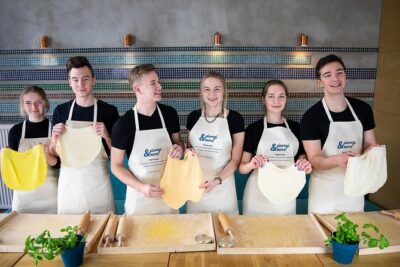
Warsaw’s No 1 cooking class-Polish dumplings with liqueur tasting
Read our review →
Pierogi Cooking Class with Market Shopping and Local Snacks
Read our review →
Krakow Pierogi Cooking Class with Market Visit & Home-Cooked Meal
Read our review →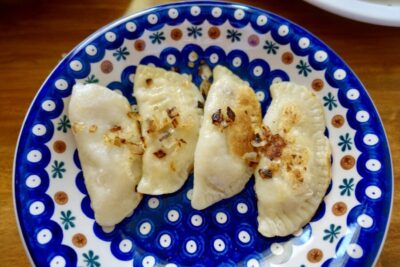
Browse the lists this tour appears in