
Reviewed · PIEROGI MAKING CLASSES
Pierogi Cooking Class: Mastering the Art of Polish Dumplings
A pierogi cooking class in Krakow is interesting because it turns a Polish comfort food into a hands-on skill you can repeat at home. I like the from-scratch dough focus, and I also like that you leave with savory and sweet dumplings you made yourself, not just a tasting. One thing to keep in mind is that this experience depends on the restaurant setup and the group size, so you should plan with a little time buffer if your schedule is tight.
In the kitchen, you will work step by step and get practical tips that actually matter, especially for shaping and sealing the pierogi so they hold together. My only caution is simple: double-check how recipe sharing works for you personally, since one person reported missing the promised follow-up email.
Key highlights worth caring about
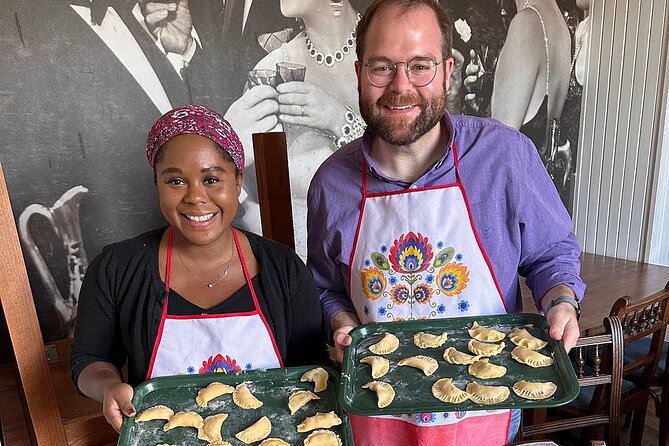
- Hands-on pierogi from scratch: dough, filling, shaping, boiling, and eating
- Two fillings, savory and sweet: including pierogi ruskie with twaróg and potato
- Family-friendly pace: small group vibe with patient instruction
- English-led class with local instructors who teach “grandmother style” methods
- Beer or wine included with your finished dumplings
- Centrally located meeting point at WavelovePodchorążych 3, easy to reach by public transport
The real charm of making pierogi in Krakow
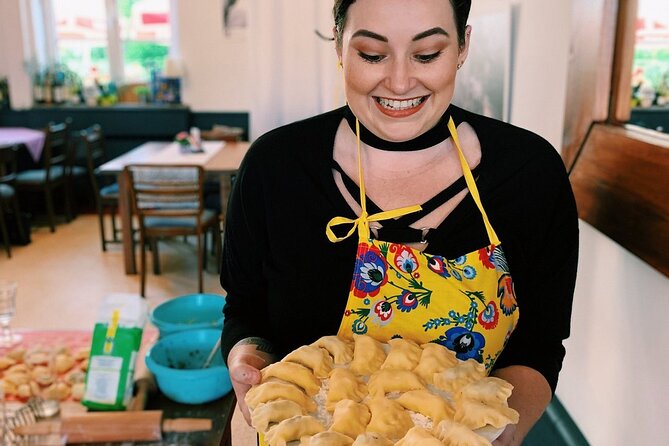
Pierogi are one of those foods where every region and every family seems to have a slightly different approach. Here, the value is that you are not just learning how to eat them, you are learning the logic behind the dough and the fillings. You also get the cultural framing, with stories tied to Polish culinary history and the kind of home-kitchen advice people associate with grandmothers’ cooking.
The biggest plus is the start-to-finish training. You make dough entirely from scratch, then you handle two fillings and finish by boiling and serving what you shaped. That sequence matters because it teaches you how one step affects the next step, and you learn what to do when dough feels too sticky or a seal looks thin.
The second big plus is the two-sided payoff: savory comfort and sweet dessert. You’ll make pierogi ruskie, with a filling of boiled potatoes plus creamy and tangy white cheese (twaróg). Then you’ll make sweet pierogi with fruit that’s available at the time, which is a very Polish seasonal idea, often enjoyed as a main course in summer and autumn.
The possible drawback is not about the cooking itself. It’s about the experience flow. Like any small culinary event tied to a restaurant, there can be last-minute changes, and one cancellation-related situation came up in the feedback. So if your last day is packed, give yourself flexibility.
More pierogi classes:
- Krakow: Tipsy Polish Food Tour With History, Pierogi & Shots
★ 4.9 · 439 reviews - Pierogi Cooking Class with Market Shopping and Local Snacks
★ 5.0 · 343 reviews - Krakow Pierogi Cooking Class with Market Visit & Home-Cooked Meal
★ 5.0 · 212 reviews
Your 2-hour game plan, dough first, then savory and sweet
This class runs about 2 hours, and it feels designed for getting real results without turning into a marathon. You’ll start with dough, move into fillings, shape the pierogi, and then boil them until they’re ready to eat.
Stop 1: Meeting at the city-center hub, then straight into cooking
You’ll meet at WavelovePodchorążych 3, Kraków, a spot that’s near public transportation. From there, you’ll connect with the team and head to the local restaurant near the city center for the cooking session. The idea is to keep the logistics simple so you can spend your energy on the dumplings.
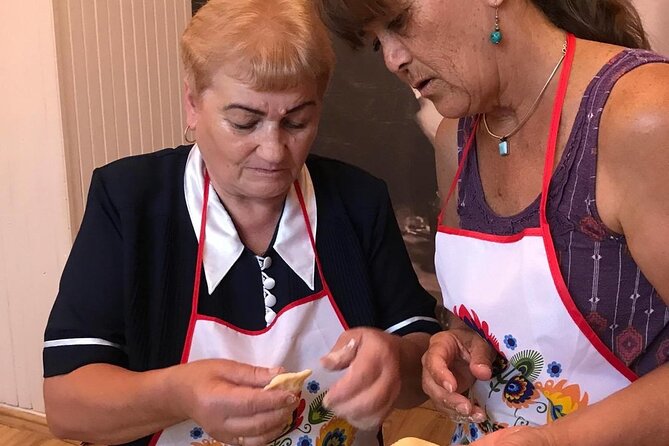
Once you’re in the kitchen, the instructors guide you through each step. A repeated theme in the feedback was how clear and calm the instruction felt, including the way teachers broke down the process for people who were worried about pastry dough.
Step 1: Make the dough from scratch
You’ll make the dough completely from scratch. That means you’ll learn what the dough should feel like before it ever becomes pierogi. Getting this part right is the foundation for everything else, because a dough that’s too dry or too soft makes filling and sealing harder.
Even if you have never worked with dough before, the class is structured so you are not guessing. You’ll get guidance and equipment, and you will learn the baseline technique before you start filling.
More Cooking Classes in Krakow:
- Krakow: Pierogi Home Cooking Class
★ 5.0 · 23 reviews - Warsaw’s No 1 cooking class-Polish dumplings with liqueur tasting
★ 5.0 · 576 reviews - Warsaw: Polish Dumplings Cooking Class
★ 4.8 · 151 reviews
Step 2: Two fillings, pierogi ruskie plus a fruit sweet option
Next come the fillings. You’ll prepare two different types:
- Pierogi ruskie (savory): boiled potatoes mixed with creamy, tangy white cheese (twaróg). This combo is a classic Polish flavor profile, and it tastes very different from meat-filled pierogi. It’s also a good choice because it helps you learn how to portion filling so it stays balanced and doesn’t leak.
- Sweet fruit-filled pierogi: fruit-filled dumplings made with whatever fruit is currently available. In the class framing, these are often treated as a main course during warmer months, not just a dessert.
One nice detail: people also described making different shapes. Shape variety sounds small, but it matters because it helps you practice sealing and portion control in a low-pressure way.
Step 3: Fill, seal, and boil for perfect texture
After filling, you’ll shape and then boil the pierogi. This is where beginners usually worry most, but the class format helps because you are guided through what to look for at each stage. Boiling is not just timing; it’s also about how the pierogi were sealed and how the dough behaves in hot water.
When it works, you end up with dumplings that hold together and taste like they came from an old family kitchen. When it doesn’t, you typically see filling escaping or dough feeling off. The class teaches the habits that prevent that.
Step 4: Eat what you made with beer or wine
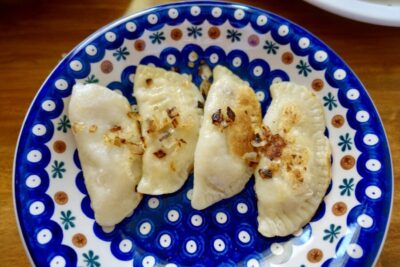
You finish by tasting and eating your homemade pierogi. You can choose between a large beer or a glass of wine to go with your meal. That pairing is one of the simplest joys in the whole experience, because you’re tasting your own work while it’s still warm.
Instructors, patience, and the kind of tips that stick
Local instructors lead the class, and you get the benefit of teaching that feels designed for real people, not cooking-school robots. Names that show up in the feedback include Olga, Magda, Ania, and Maria, and they were repeatedly praised for being friendly, funny, and patient.
Here’s why that matters for your outcome. Pierogi making has a couple of moments where small changes make a big difference: dough texture, how much filling you use, and how you seal edges. If the instruction is rushed or confusing, you’ll feel lost. If the instructor is calm and hands-on, you can recover fast, and your final pierogi actually look and taste right.
A particularly useful kind of tip mentioned in the feedback was shaping confidence. People said they felt like they could make variations at home after the class. That’s the best possible learning outcome, because pierogi are not one rigid recipe. Once you understand dough behavior and sealing logic, you can adapt fillings later.
One caution that came up: at least one person expected a recipe email and said they did not receive it. So if having written recipes is important to you, it’s worth asking about how you’ll get them, and when.
What you actually get for $82.72, and when it feels like a deal
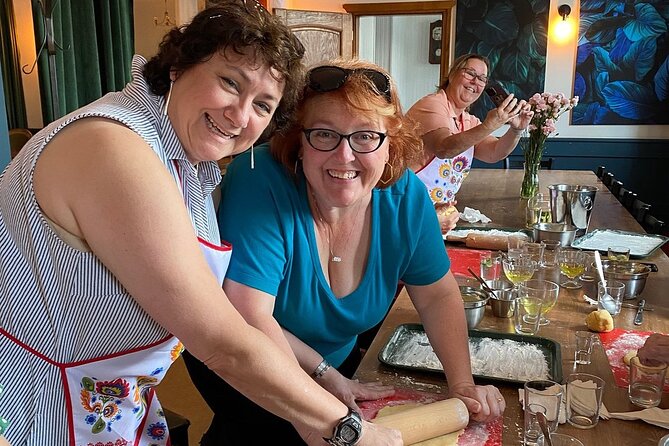
At $82.72 per person for about 2 hours, the price is not cheap. But it can still feel like good value, because you are buying multiple things at once:
- Real hands-on training from start to finish, including dough and boiling
- Two filling types, savory and sweet, so you get a fuller meal experience
- Food tasting of what you made, plus a choice of beer or wine
- English guidance from a local instructor
- A small-group vibe that aims for personal help
If you compare this to paying separately for ingredients plus cooking instruction plus a meal, it starts to make sense. You’re also paying for convenience. You show up, you get equipment and materials, and you leave knowing how to replicate the process.
Another value point: this is a family-friendly class. If you are traveling as a couple but you might have kids in your group, this format is built for that sort of mix. Even if you do not bring kids, a family-friendly pace often means the teaching is more patient and less intimidating.
The main value risk is group mismatch. One piece of feedback described a situation where the instructor felt unprepared for extra people and the workflow got stressful. That does not mean it will happen to you, but it does suggest you should confirm your party size clearly ahead of time and avoid last-minute additions.
Logistics that matter once you’re hungry
Where to meet and how to dress
The meeting point is WavelovePodchorążych 3 in Kraków. The address is near public transportation, so you can plan your day without complicated transfers. Dress code is listed as smart casual, which in practice means comfortable clothes that you do not mind getting a little flour dust on.
Also note: you’ll get a mobile ticket and confirmation at booking. Bring your phone for check-in.
Alcohol included, so plan your evening
The class includes alcoholic beverages: you can choose a large beer or a glass of wine. That’s great for many people, but it’s worth factoring into your evening plans. If you are the type who likes to do museum hopping right after a tour, you might want to choose water after your drink, or keep your next stop close by.
Dietary requirements
There is an explicit note to advise any dietary requirements at the time of booking. Pierogi are usually flexible with fillings, but since the class is built around specific fillings like potatoes plus twaróg and fruit options, you will want the organizer to know what you need so they can adjust appropriately.
Who this pierogi class is best for
This is one of those tours that works for more than one traveler type.
- Food-first travelers who want more than a restaurant meal. You’ll come away knowing how the dish is built.
- Beginners in the kitchen. The class is set up so you are not expected to already know dough work.
- Couples and small groups who like interactive activities and want a shared project.
- Families. Feedback praised it as fun and not rushed, and the class welcomes kitchen novices.
- People who love Polish culture through everyday food, since the storytelling ties cooking to heritage.
If you hate hands-on activities and prefer watching from a distance, you might find the “from scratch” approach less appealing. But if you want to make dinner, this is exactly that.
The scorecard: what to expect and what to watch
Here’s how I would judge whether this class fits you, based on the details provided.
Expect
- Dough from scratch and step-by-step guidance
- Two pierogi types: pierogi ruskie plus sweet fruit pierogi
- Boiling and tasting what you made
- A classroom atmosphere that aims to keep things calm and fun
- Teachers with recognizable warmth, including names like Olga, Magda, Ania, and Maria
Watch for
- Recipe sharing. If you want a written recipe, make sure you know how you will receive it.
- Party size changes. Keep your group count clear and avoid last-minute additions if you can.
- Tight schedules. Because this is tied to a restaurant setup, it’s smart to avoid making this your only fixed plan on your last day.
Should you book this pierogi class in Krakow?
I think you should book it if you want a practical, memorable food skill and you like interactive experiences. The strongest reasons are simple: you make both savory and sweet, you learn from scratch, and you get a meal out of it with beer or wine included.
If you are on the fence because you worry about complexity, this class is designed for beginners, and the repeated theme from instruction-focused feedback is patience. If you are on the fence because you worry about schedule risk, give yourself buffer time and avoid making it the only thing that could derail your day.
In short: this is a great choice for travelers who want to do something real in Krakow, not just look at food. And if you leave with the ability to make pierogi at home, you will feel like you got your money’s worth.
FAQ
How long is the pierogi cooking class in Krakow?
The class runs for about 2 hours.
Is the class offered in English?
Yes. The class is offered in English.
What pierogi will I make during the class?
You’ll make pierogi from start to finish, including pierogi ruskie (potatoes with twaróg) and sweet fruit-filled pierogi.
Is beer or wine included?
Yes. You can choose between a large beer or a glass of wine to enjoy with your meal.
Where do I meet for the class?
The meeting point is WavelovePodchorążych 3, 30-084 Kraków, Poland.
Can I cancel for a full refund?
Yes. You can cancel up to 24 hours in advance for a full refund, based on local start time.
Fresh Krakow reviews
- Czestochowa Black Madonna Private Day Tour from Krakow★ 5.0 · 18 reviews
- Zakopane PRIVATE TOUR from Krakow★ 5.0 · 18 reviews
- Krakow City Pass – Museums, Atractions & City Transport★ 4.0 · 18 reviews
- Chopin Candlelight Concert with Wine in Krakow★ 5.0 · 18 reviews
- Krakow: Garden of Lights Pinocchio Entry Ticket★ 4.7 · 18 reviews
- Half-Day Wieliczka Salt Mine Tour from Krakow★ 5.0 · 18 reviews
- Auschwitz Birkenau Memorial and Museum group tour from Krakow★ 5.0 · 18 reviews
- Krakow: Schindler’s Factory & Ghetto Guided Tour★ 5.0 · 18 reviews
Pierogi Making Classes, compared.

Tipsy Polish Food Tour With History, Pierogi & Shots
Read our review →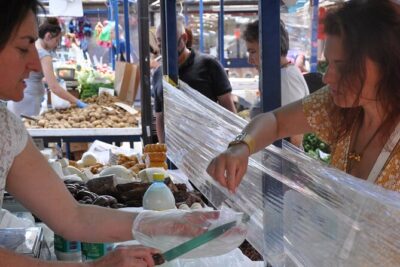
Pierogi Cooking Class with Market Shopping and Local Snacks
Read our review →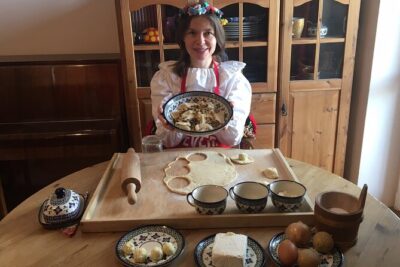
Krakow Pierogi Cooking Class with Market Visit & Home-Cooked Meal
Read our review →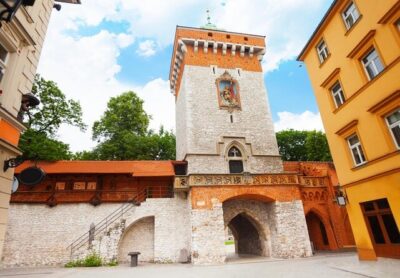
Food Tour of 10 Tastings with Pierogi, Vodka & More
Read our review →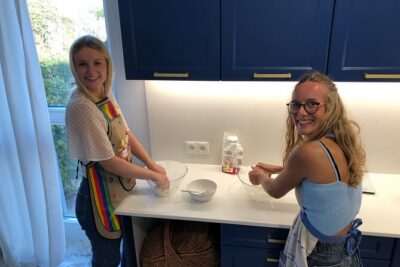
Pierogi Class and Liquor Tasting with View on Warsaw
Read our review →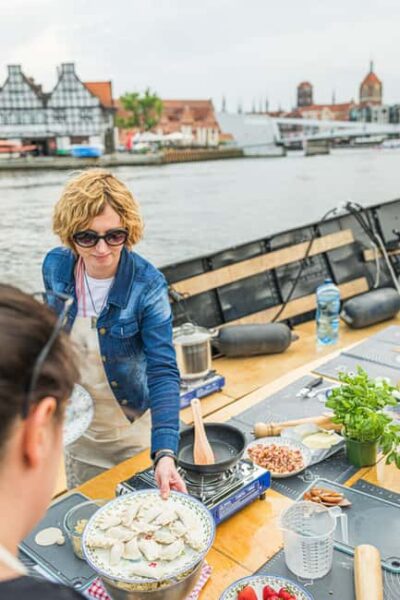

Browse the lists this tour appears in