
Reviewed · JEWISH HERITAGE TOURS
Warsaw Daily Jewish Ghetto Guided Tour with Jewish Cemetery
This tour is interesting because it puts you on the actual streets where history happened, then sends you to a cemetery where the names and losses stay real. You’ll connect the WWII story in Moranow to the people behind it, not just the headlines. It is heavy material, but the pacing and the expert guide make it easier to follow.
I love how the guide explains the Warsaw Ghetto Uprising and the Nazi plan in clear, human terms. I also like the small group size, up to 15 people, so you get room for questions and a calmer walk. On my end, I really appreciate how the stop at Nozyk Synagogue adds a rare survivor from before the war.
One possible drawback: you need to be emotionally ready, because this is tragedy-focused history from start to finish. Also, if you go on a Saturday, the cemetery visit is not possible, so you’ll see All Saints Church instead.
Key Things You Will Notice on This Tour
- Licensed 5-star history guide experience in English, with a personal, story-driven style
- A focused 3-hour walk in Moranow, where the largest Warsaw ghetto area was centered
- Stops at the Nozyk Synagogue and the remains of ghetto walls and older houses
- Numbers that make the scale real, including forced confinement to about four square kilometers
- A cemetery visit with entrance tickets included, plus an important Saturday alternative
- Small group size up to 15 people, which keeps the tour from feeling rushed
Where the Tour Starts, and How to Prepare to Enjoy It
You meet your guide outside the InterContinental Hotel on Emilii Plater 49, 00-125 Warsaw. Do not go inside the hotel. Think of this as a clear “drop zone” so you start together and don’t waste time hunting the group.
This is a 3-hour experience, so it helps to arrive a few minutes early and wear comfortable shoes. Your guide will likely send you important details by email the day before, so check that message and plan around it. Also, make sure you are on time, late arrivals can cut you out of the start.
More Jewish Heritage Tours in Warsaw
- Warsaw: Warsaw Ghetto Private Walking Tour with Hotel Pickup
★ 4.9 · 369 reviews - Warsaw: Jewish History Guided Walking Tour in English
★ 4.7 · 324 reviews - Private Tour: Warsaw’s Jewish Heritage by Retro Fiat
★ 5.0 · 208 reviews
Moranow Walk: Seeing WWII Warsaw in Real Space
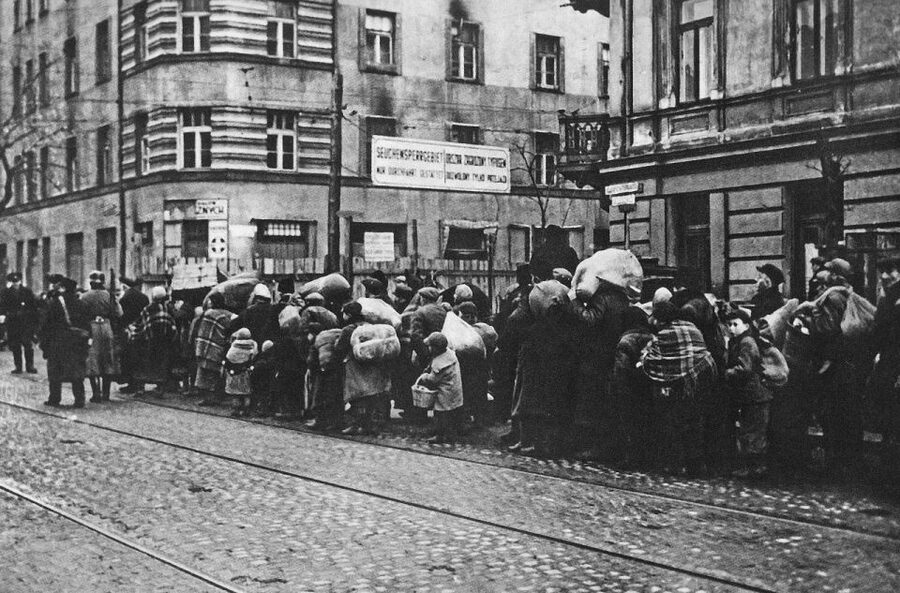
The tour’s backbone is a walk through Moranow, the district tied to the largest Jewish ghetto in Europe during World War II. You are not just hearing that Jews were forced into confinement, you are seeing the sort of street pattern and built-up neighborhood where that confinement happened. That physical context matters, because it makes the horror feel less abstract.
In this area, around 400,000 Jews from Warsaw were forced to live inside a closed zone of about four square kilometers. The guide connects the timeline for you, from how the ghetto was created to why it was part of the Nazi Final Solution plan. You also get the grim human cost: roughly 100,000 people died in the ghetto from exhaustion, hunger, and disease.
The tour also frames what happened beyond the ghetto walls. The story includes the reality that more than 300,000 people were killed at the nearby Treblinka extermination camp. You do not get those details as cold facts only. The guide ties them to what residents experienced day after day, including the way the Warsaw Ghetto Uprising of 1943 changed the story.
The Ghetto Walls and Old Houses: Why These Stops Matter
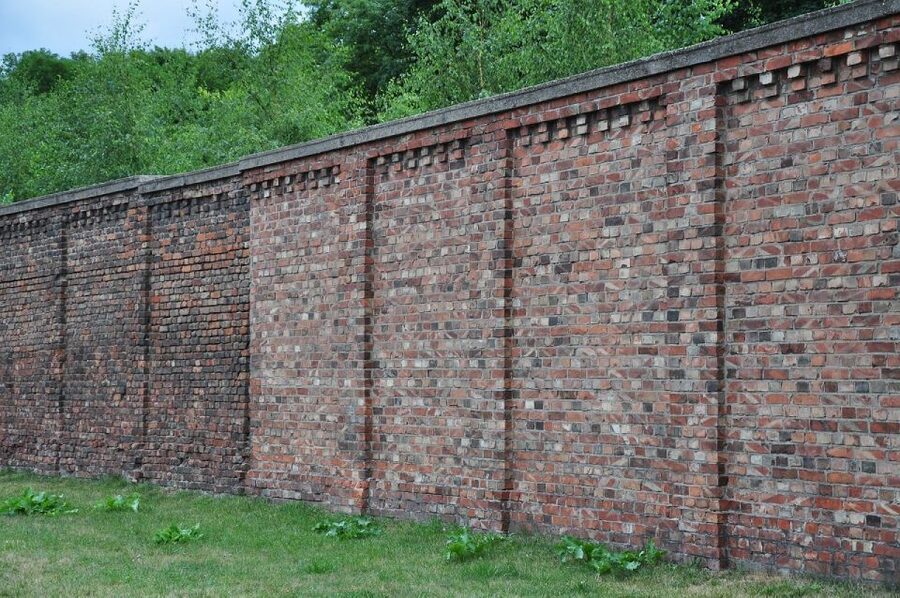
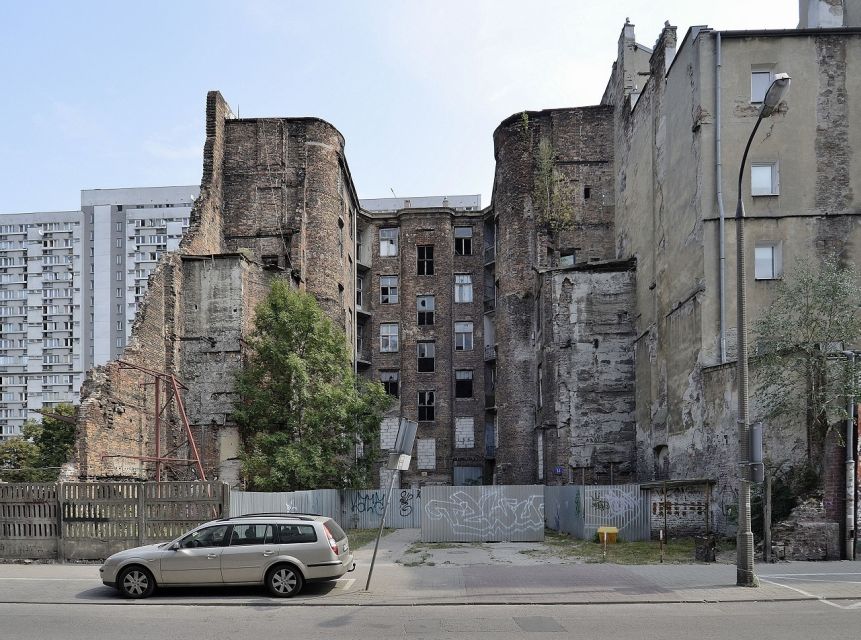
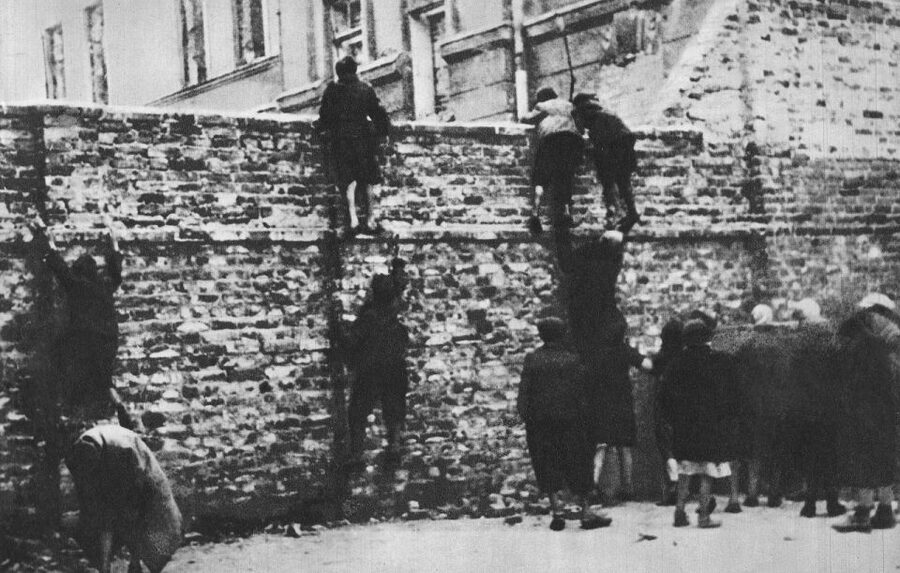
You’ll see remains of the ghetto walls and older houses in the area. Even when you are looking at partial structures or traces, these stops do something important. They show you that the ghetto was not a movie set, it was built on top of real homes and real streets.
The guide’s role here is huge. You learn what the walls represented and how they shaped daily movement, safety, and survival. This is the kind of sightseeing that may feel uncomfortable, but it is also the kind that builds real understanding quickly.
A practical tip: take your time here. If you feel yourself rushing to “get through,” slow down and absorb what you’re standing beside. The tour is 3 hours long, but the emotional weight makes it easy to skim mentally unless you intentionally stay present.
Nozyk Synagogue: A Rare Survivor in the Middle of a Fractured City
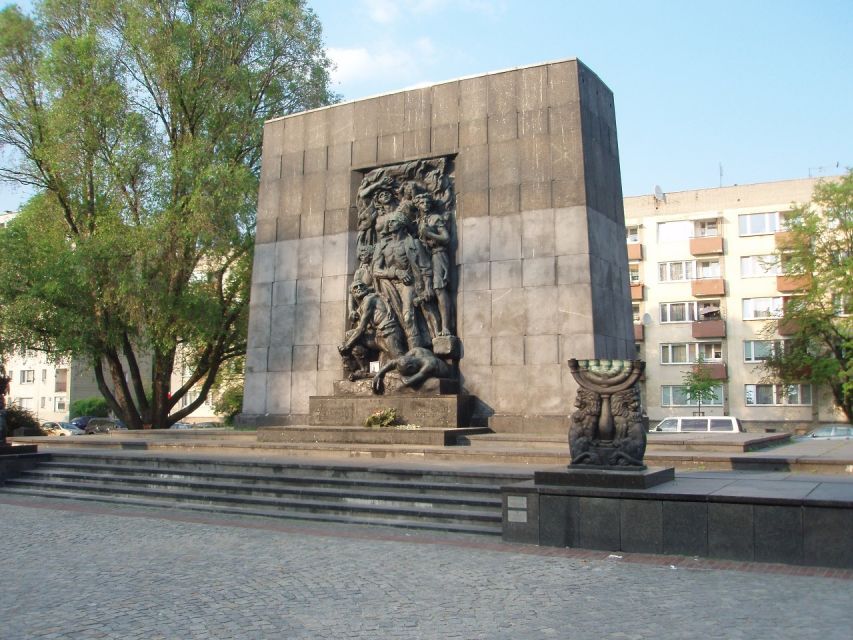
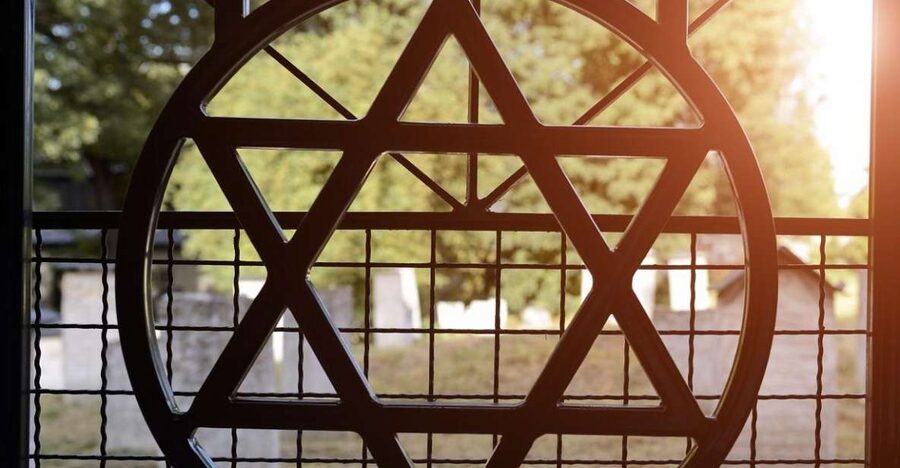
One of the most meaningful stops is Nozyk Synagogue, described as the only surviving prewar synagogue in Warsaw. That makes the building a kind of anchor point. It connects the present city to Jewish communal life before the war, instead of only showing destruction and loss.
Your guide places this synagogue into the larger story, so you understand what you’re seeing beyond the architecture. When you learn how rare it was for prewar religious life to survive, the stop becomes more than a photo moment. It becomes a reminder that the Warsaw Jewish community had roots far deeper than the ghetto period.
If you’re the type who likes context, you’ll appreciate this part. The guide tends to connect “place” to “people,” so the synagogue stop helps you picture what life looked like before the Nazi takeover.
Another way through a Warsaw day:
- Warsaw: Chopin Concert in the Old Town
★ 4.8 · 2,287 reviews - Warsaw: Traditional Galar Cruise on The Vistula River
★ 4.6 · 1,640 reviews - Warsaw: Old Town Highlights Walking Tour in English
★ 4.7 · 1,516 reviews - Warsaw Concert: Chopin – Painted by Candlelights with Wine
★ 4.8 · 1,442 reviews
Learning the Warsaw Ghetto Uprising Without Losing the Plot
The Warsaw Ghetto Uprising is one of the hardest chapters to explain, because it is intense and emotionally loaded. Your guide handles it with a clear structure, walking you through why the uprising happened and what it meant inside that locked-in reality.
You’ll hear about the heroes of the uprising of 1943, and you’ll also learn about the larger Holocaust timeline so you can place the uprising in context. I like tours that do not treat the uprising as a standalone event. Here, it is connected to the persecution, the ghetto system, and the broader Nazi plan.
If you like history that stays human, you’re in the right place. The best moments are when the guide uses story to make connections you might otherwise miss, especially when the timeline shifts quickly.
Jewish Cemetery: Where the Stories Turn to Names and Memory
The final stop is the Jewish Cemetery, and this is where the tour becomes quietly powerful. You do not just leave with facts. You leave with a sense of scale and remembrance, because a cemetery is not abstract. It is built out of individuals, even when many names are lost.
Your guide explains the Polish-Jewish heritage tied to the site, including stories of spiritual leaders, political activists, and respected creators of Jewish culture. And then there is the other side, the thousands of nameless victims from the ghetto. That combination is one reason the cemetery stop feels necessary. It balances the story, not only the tragedy but also the presence of a culture that mattered.
Entrance tickets to the cemetery are included, and your guide helps you avoid the ticket line. That small time saver is worth something, because it keeps you focused on the moment rather than the queue.
One note to plan emotionally: if you are sensitive to grief, this stop can land hard. For me, that is not a reason to skip it. It just means you should go in with respect and a calm mindset.
Saturday Reality Check: All Saints Church as the Alternative
There is an important scheduling detail: the cemetery is closed on Saturdays. On Saturdays, the tour visits All Saints Church instead.
The good news is that this does not turn the tour into a random replacement. The church is closely related to Jewish history, so you still get meaningful context and stories tied to the area and its past. You should consider this a trade: you’re getting a different type of site-based learning, with architecture and interpretation rather than the cemetery setting.
If you can choose your day, check the day of the week and decide what you want most. Some people strongly prefer the cemetery experience, and that choice is totally valid.
Why the Small Group (Up to 15) Feels Like Real Travel, Not a Conveyor Belt
A big part of the value here is the group size. Up to 15 people means the walk stays conversational. You can ask questions, and the guide can respond without rushing you.
I also like the way this kind of small-group tour handles emotional pacing. Large groups can feel like you are being marched. Here, the format supports a steadier rhythm, especially during stops like the ghetto walls and cemetery where you need a moment to take things in.
The best testimonies from earlier tours fit this pattern. Guides like Anna and Ewa were highlighted for being personable as well as knowledgeable, and one booking even described a relaxed atmosphere when the group was tiny. That lines up with what you should expect from a well-run small-group tour.
Price and Value: Is $131 Worth 3 Hours?
At $131 per person for about 3 hours, this tour is not cheap, but it also is not trying to be a bargain bus ride. You are paying for a licensed guide, small group size, and cemetery entrance tickets included.
I think the value comes from the combination, not one item alone. A history expert-guide helps you understand the context behind what you see. The small group size helps you keep your attention on the experience instead of fighting crowd noise. And the cemetery stop gives the tour a natural emotional endpoint.
If you compare this to larger crowd tours that can hit 30 people, the price starts to feel more reasonable. You’re not only buying access, you’re buying time with the guide and the chance to ask questions.
Who This Tour Suits Best (And Who Might Want Another Option)
This tour suits you if you want a guided, structured understanding of Warsaw’s Jewish ghetto history and you prefer seeing sites on the ground rather than relying on reading. It’s especially good for people who appreciate context, like learning how the Final Solution plan connects to the ghetto system and the uprising.
I would also recommend it if you value a personal guide style. Earlier guides like Anna and Ewa were praised for being both knowledgeable and personable, which matters when the material is difficult. That personal touch can help the story land in a way you can carry with you.
If you are looking for a light, casual walk, this is not the choice. If you need a more upbeat itinerary that day, pick something else. The subject matter is tragic and the cemetery portion can feel very heavy.
FAQ
FAQ
How long is the Warsaw Jewish Ghetto and Jewish Cemetery guided tour?
It runs for about 3 hours.
Where do I meet the guide?
Meet your guide in front of the InterContinental Hotel, Emilii Plater 49, 00-125 Warsaw. Do not enter the hotel.
What language is the tour guide speaking?
The tour is offered in English.
Is the group small?
Yes. The tour is a small group experience with up to 15 participants.
Is the Jewish Cemetery included?
Yes. Entrance tickets to the Jewish Cemetery are included, and the cemetery is the tour’s last stop.
What happens if I book for a Saturday?
The Jewish Cemetery is closed on Saturdays. On Saturdays, you will visit All Saints Church instead.
Does the price include skip-the-line access?
Yes, you can skip the ticket line.
Is the tour wheelchair accessible?
Yes, the tour is listed as wheelchair accessible.
Should You Book This Warsaw Ghetto and Cemetery Tour?
Book it if you want a focused, expert-guided walk that connects the ghetto story to the city you are standing in, and you also want the cemetery stop that brings names and memory back into the picture. Choose it on a weekday if cemetery access matters most to you.
If you are sensitive to difficult history, plan to take breaks mentally and physically, and remember this is a respectful, guided learning experience, not sightseeing for distractions. In my view, the small group size and the guide quality are the big reasons this tour feels worth the $131 cost for the time you spend.
Fresh Warsaw reviews
- Warsaw: Wolf’s Lair & Swieta Lipka Small-Group Tour + Lunch★ 5.0 · 3 reviews
- World War II Warsaw Old Town, Military Cemetery Walking Tour★ 4.7 · 3 reviews
- Warsaw: Old Town Walking Tour, Hidden Gems & Hot Chocolate★ 4.3 · 3 reviews
- Warsaw: Explore the Vistula on Its Longest Speedboat Route★ 4.6 · 3 reviews
- 5-hour: Royal Castle, Old Town and POLIN Museum/inc.Pick-up/★ 5.0 · 3 reviews
- Majdanek – German camp from II World War – Private Tour – 1 DAY TRIP FROM WARSAW★ 5.0 · 3 reviews
- Museum of Modern Art in Warsaw★ 5.0 · 3 reviews
- Warsaw Outdoor Paintball with Transfers (all year round)★ 5.0 · 3 reviews
Jewish Heritage Tours, compared.
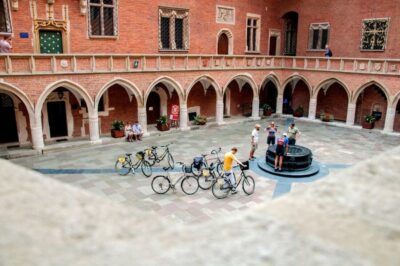
Bike Tour of Old Town, Jewish Quarter and the Ghetto
Read our review →
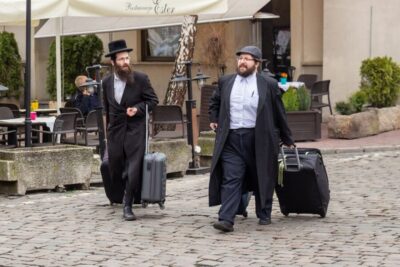
Kazimierz, Schindler’s Factory & Ghetto Guided Tour
Read our review →
Full Bike Tour – the Old Town, Jewish Qtr & the Ghetto NEW BIKES
Read our review →
Warsaw Ghetto Private Walking Tour with Hotel Pickup
Read our review →
Browse the lists this tour appears in