
Schindler’s Factory is the kind of place that changes how you read history, and adding a Jewish Ghetto walk in a small group helps the story land in a more human way. You get the origin of Schindler’s List, based on the real actions of Oskar Schindler, plus the wider picture of Nazi-occupied Kraków.
I really like two things about this tour: a licensed, passionate guide who keeps the facts clear and grounded, and the chance to see the enamel factory exhibits with real context rather than trying to piece it together alone. The overall flow is also well organized, with clear meeting instructions so you do not waste your time hunting the start.
One consideration: you will be hit with a lot of serious material in a short window. If you prefer slower pacing, plan for a heavy emotional load, and remember that food and drinks are not included.
Key Highlights I’d Put First
- Small-group format for a calmer, more personal pace, with time for questions
- Skip the ticket line so you get moving into the museum right away
- English live guide who connects documents and photos to real people
- Original enamel factory exhibits with authentic photographs, documents, and film footage
- Jewish Ghetto walking segment that adds street-level context to what you just learned
- Ticket add-ons may be possible, like the Farmacia in the Ghetto, depending on what you choose to see
Meeting Outside Schindler’s Factory and Getting Oriented Fast
The meeting point is outside the museum, next to the black-and-white photos of the survivors. That detail matters, because in Kraków you can lose time if you start wandering around looking for your group leader. I recommend arriving a few minutes early, then double-checking you are at the exact outside spot before you assume you are in the right place.
From there, the tour gets you straight into the visit. The big practical win is that you do not have to stand in line for entry. You’ll still need to go through museum security, but you are not stuck waiting to buy tickets or scan them yourself.
Also, bring your passport or ID card. The names of participants must match the names in your IDs, and everyone needs a photo ID or passport. This is one of those rules that is easy to ignore until it is too late.
More Jewish Heritage Tours in Krakow
- Krakow: Schindler’s Factory & Ghetto Guided Tour
★ 4.7 · 1,694 reviews - Krakow: Jewish Quarter and Former Ghetto Tour
★ 4.9 · 1,441 reviews - Krakow: Bike Tour of Old Town, Jewish Quarter and the Ghetto
★ 4.9 · 1,155 reviews
Inside the Original Enamel Factory: Schindler’s Real Shift From Profiteer to Rescuer
The core of this tour is a guided visit to the original enamel factory, the same site tied to the story that inspired Schindler’s List. Oskar Schindler was a German industrialist who saved over 1,000 Jews during the Holocaust, and the guide’s job is to show how that transformation happened, step by step, not as a movie plot.
Expect to spend about 1.5 hours in the museum area with a live English guide. The exhibits you’ll see are not just general displays. They include authentic photographs, documents, personal stories, and film footage that bring the wartime city into sharper focus. You’re not only learning what happened, you’re also learning how Nazi-occupied Kraków reshaped daily life, choices, and survival.
I like that the guide does more than list names and dates. The best part is how the story ties together:
- Kraków’s Jewish community before the occupation
- The shift to persecution and terror under Nazi control
- Schindler’s role as the story evolves from self-interest to life-saving action
If you like history that explains cause and effect, you will appreciate this structure. If you want a hands-off museum stroll, this tour will be less your style, because it is guided and question-friendly.
One more practical point: the content is intense. The tour is designed to give context, emotion, and insight, not just sightseeing. If you know you get overwhelmed in dark museum spaces, bring a calm mindset and take short breaks when you can.
The Jewish Ghetto Walking Part: Why the Streets Matter After the Museum
After the factory exhibits, the tour continues with a walking visit through the Jewish Ghetto area. I find this is where the whole day clicks into place. A museum can show evidence. Streets show how people moved, where they lived, and how the city’s layout affected what was possible.
This part of the tour is guided, so you are not left guessing what you are seeing. The guide connects what you just learned about the lives of Kraków’s Jewish community to the physical reality of the neighborhood. That matters because the ghetto was not a concept. It was geography, rules, and daily constraints.
A useful detail from the tour’s reviews: the guide is praised for being a walking encyclopedia, and for being personable and responsive to questions. I would treat that as a green light to ask the things you actually want answered. If you are curious about a specific document you saw in the factory, ask. If you are wondering how certain events connect to the neighborhood, ask that too.
What I would watch for: the museum portion carries a heavy information load, and walking outdoors can sometimes feel faster just because you are changing pace. The guide usually makes sure you see the important parts without rushing, but you should still expect the tour to be information-dense.
Extra Stops You Can Plan Around: Farmacia in the Ghetto and Gestapo Site Options
Your included entry covers more than one possibility, which is a nice value boost if you want to do a little self-guided exploring after the main tour.
One helpful thing to know: the tour ticket can include access to the Farmacia in the Ghetto, a small, interactive museum space. In at least one case, the guide helped by pointing out where it is and advising you to return. That means you might not have time for it on the same schedule as the factory and ghetto walk, but it can be worth fitting in later if it is part of what interests you.
There is also mention that tickets can be valid for multiple days for other sites tied to Nazi persecution, including the former Gestapo headquarters. If you finish the main tour and still want more, it is worth checking what is possible with your exact ticket validity window.
Since those extras depend on your timing and what you personally want, I suggest a simple strategy:
- Do the guided parts first (factory plus ghetto walk)
- Then decide on the Farmacia in the Ghetto based on your energy level
- If you want the Gestapo-related site, confirm what you can access with your ticket timing
More of Schindler's Factory and wartime Krakow:
- Krakow: Schindler’s Factory Ticket and Guided Tour Option
★ 4.3 · 4,306 reviews - Krakow: Schindler’s Factory Tour with Entrance Ticket
★ 4.5 · 3,182 reviews - Krakow: Schindler’s Factory Skip-the-Line Ticket
★ 4.4 · 3,105 reviews - Krakow: Schindler’s Factory Tour with Entrance Ticket
★ 4.6 · 1,737 reviews
How the 3 Hours Really Feels: Pace, Questions, and What You Can Skip
The tour is listed as 3 hours total, and inside that you get 1.5 hours in the enamel factory. That split tells you something important: you will not be sitting forever in one room reading every label. You’re there for a guided interpretation, with enough time to take in key exhibits without turning it into a marathon.
In reviews, the guides are described as caring about not rushing and making sure the group sees what matters most. You may also notice a difference in personal preference here. If your mind likes lots of detail, you may feel happy with the high volume of information. If you want more breathing space, you might find yourself wishing the pace were less alert.
My practical advice: give yourself a buffer day. Do not schedule a packed dinner plan immediately afterward. Instead, plan for a calm coffee stop, a short walk, and time to process what you saw. The tour gives you context and stories that stick, and you’ll want a moment to let it all settle.
Also, food and drinks are not included. Bring water, or plan to buy something nearby before or after. Even in a history tour, your comfort is part of your ability to focus.
Price and Value: What You Get for $47
At $47 per person for a 3-hour guided visit with entry included, this is not a bargain price. But it is also not overpriced for what you are actually buying.
You are paying for three high-value pieces:
- A live English guide who explains documents and photographs in context, instead of you guessing your way through exhibits.
- Skip-the-ticket-line entry, which saves time right when you want to start learning.
- A small-group setup that generally keeps the experience comfortable and question-friendly.
If you usually travel solo and rely on audio guides, a live guide is often where the value shows up quickly. Here, the guide is the bridge between evidence in the museum and meaning in the streets.
When I look at value, I also think about energy. This tour does the organizing for you, including clear meeting instructions, which means you can spend your mental energy on understanding the sites, not logistics.
Who is this best for?
- History lovers who want structure and context
- People who like asking questions instead of reading everything alone
- Visitors who feel overwhelmed by large groups at major sites
- Students and anyone who wants the real story behind Schindler’s List, tied to Kraków’s history
Who might want to rethink it?
- If you strongly prefer self-guided tours with maximum silence
- If you are extremely time-limited and want the quickest possible visit
- If emotional content is a trigger for you and you need a softer pace than a guided 3-hour program
Should You Book This Kraków Small-Group Tour?
I think you should book it if you want the story told by someone who can connect the dots between the factory exhibits and the wider reality of the Jewish Ghetto. The small-group format is a genuine quality upgrade, and the guide experience seems to be the main strength, especially the way guides handle questions and choose what to emphasize.
Book this tour rather than trying to do it alone if:
- You care about understanding the real Oskar Schindler story behind Schindler’s List
- You want context from authentic photographs, documents, and film footage
- You would rather have a licensed, English live guide than rely on guesswork
Before you go, do two simple things:
- Bring your passport or ID, and make sure names match what you booked
- Plan on water and a calm meal afterward since food and drinks are not included
If that sounds like your kind of day, this is a strong choice for Kraków. You will leave with more than facts. You’ll leave with a clearer picture of how people lived, how persecution unfolded, and how one man’s choices changed outcomes for many.
FAQ
How long is the tour?
The tour duration is 3 hours, with about 1.5 hours spent in the Schindler’s Factory museum area.
Is the Schindler’s Factory entry ticket included?
Yes. The entry ticket and a live guide are included.
What language is the tour guide?
The live tour guide is English.
Where do I meet the guide?
You meet outside the museum, next to the black-and-white photos of the survivors.
What should I bring for the tour?
Bring a passport or ID card. All participants need a photo ID or passport, and names must match the IDs.
Is food and drinks included?
No. Food and drinks are not included.
Can I cancel, and is pay later available?
You can cancel up to 24 hours in advance for a full refund. You can also reserve now and pay later.
Fresh Krakow reviews
- Czestochowa Black Madonna Private Day Tour from Krakow★ 5.0 · 18 reviews
- Zakopane PRIVATE TOUR from Krakow★ 5.0 · 18 reviews
- Krakow City Pass – Museums, Atractions & City Transport★ 4.0 · 18 reviews
- Chopin Candlelight Concert with Wine in Krakow★ 5.0 · 18 reviews
- Krakow: Garden of Lights Pinocchio Entry Ticket★ 4.7 · 18 reviews
- Auschwitz Birkenau Memorial and Museum group tour from Krakow★ 5.0 · 18 reviews
- Krakow: Schindler’s Factory & Ghetto Guided Tour★ 5.0 · 18 reviews
- Half-Day Wieliczka Salt Mine Tour from Krakow★ 5.0 · 18 reviews
Schindler's Factory Tours, compared.
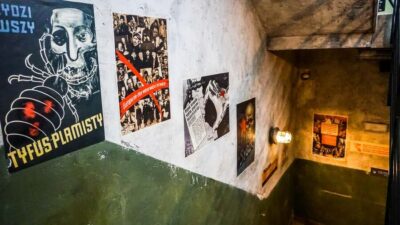
Schindler’s Factory Ticket and Guided Tour Option
Read our review →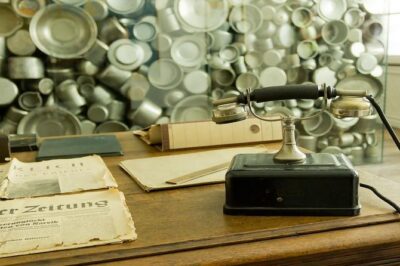
Krakow Schindler’s Factory Guided Tour with Admission Ticket
Read our review →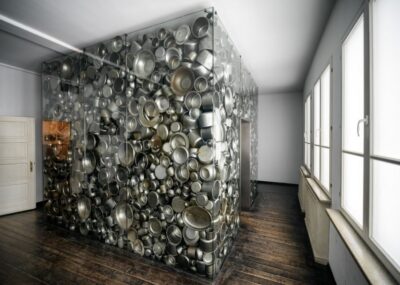
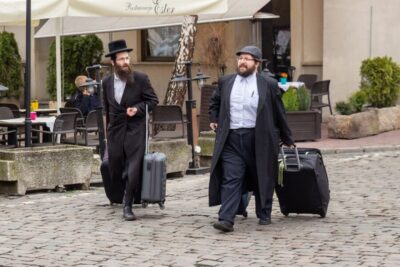
Kazimierz, Schindler’s Factory & Ghetto Guided Tour
Read our review →Browse the lists this tour appears in