
Reviewed · JEWISH HERITAGE TOURS
Kraków old town and jewish quarter®
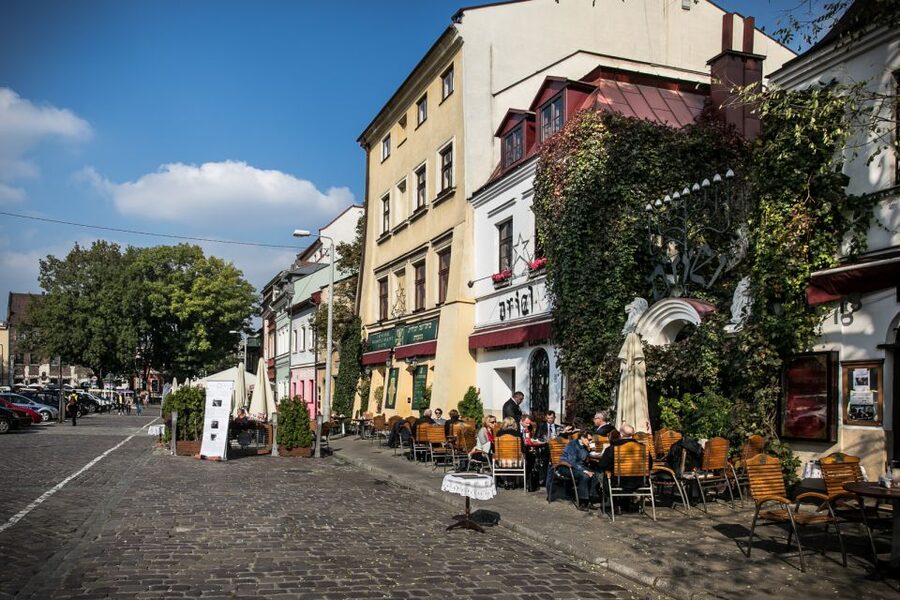
Krakow feels like two cities in one, and this tour is built to show you how they connect. You start in the historic core, then shift into Kazimierz, using a historian-style approach to link events that shaped Poland and the places you’re standing in.
I really like the way the guide explains the city as a chain of causes and effects, not just a list of buildings. Two parts stand out: the careful focus on the Market Square landmarks and the time spent on the Jewish quarter’s synagogues and memorial sites.
A possible drawback is simple: 3 hours passes fast. Wawel involves an uphill walk, and Kazimierz has a lot to see, so if you want slow, photo-only wandering, this format may feel a bit tight.
Key things you will notice on this tour
- Historic center first, Kazimierz second, so you understand the full city layout and timeline
- World Heritage context, explained through architecture and key civic spaces
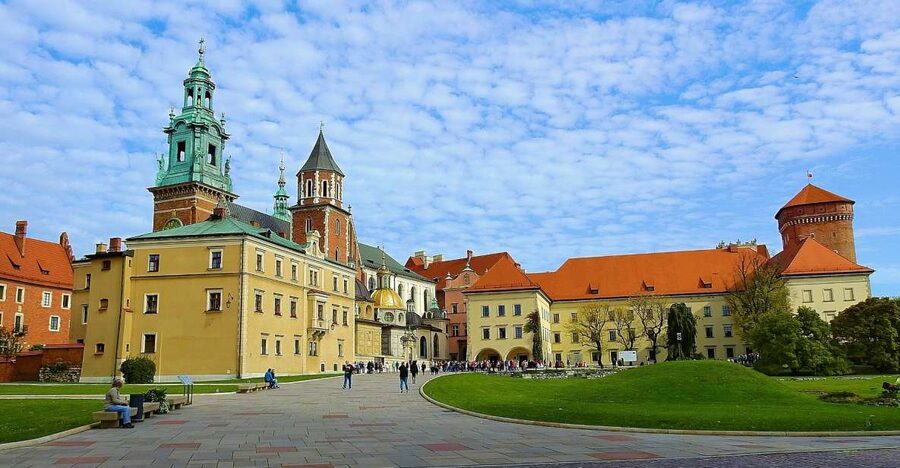
- Wawel complex highlights, including the cathedral area and the dragon sculpture
- Synagogues and memorials, with clear attention to what happened and why it matters
- Local-feeling pacing, with stops designed to make you connect streets to stories
Why Krakow’s historic center and Kazimierz belong together
Krakow’s old town and Kazimierz do not feel random when you walk them in sequence. You begin with the spaces where the city showed power, faith, and culture, then move into the neighborhood where Jewish life formed a major part of Krakow’s story.
What makes this tour practical is that it keeps asking the same question: what changed, and how did those changes show up in the streets? You’re not just looking at pretty façades. You’re learning how big historical moments affected the everyday city map.
And yes, the architecture helps a lot. The tour is aimed at the two most fundamental areas, and both are packed with recognizable landmarks that help you orient yourself.
More Jewish Heritage Tours in Krakow
- Krakow: Schindler’s Factory & Ghetto Guided Tour
★ 4.7 · 1,694 reviews - Krakow: Jewish Quarter and Former Ghetto Tour
★ 4.9 · 1,441 reviews - Krakow: Bike Tour of Old Town, Jewish Quarter and the Ghetto
★ 4.9 · 1,155 reviews
Meeting point, pace, and what 3 hours really covers
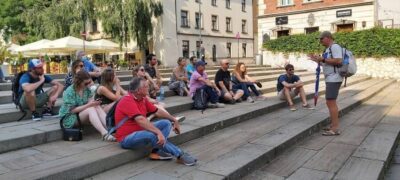
The tour runs for 3 hours and is guided live in Spanish. The meeting point is marked by a grey umbrella, so you can find your group without guesswork.
This is a walking tour with a historian’s style of explanation. The stop list is long, which is why the pacing matters. You’ll move between major squares and monuments rather than taking long breaks at every site.
Two small tips that make a difference:
- Wear shoes you trust for uneven stone and uphill sections.
- If you like taking photos, keep your camera ready, not mid-walk. The guide’s explanations are part of the experience.
If you are wheelchair users, the tour is listed as wheelchair accessible, which is a big plus. Still, you may want to confirm the exact route day-of if your mobility needs are specific.
Juliusz Słowacki Theatre to medieval defenses: reading the city wall like a map
You kick off in the downtown area with stops that make Krakow’s medieval layout easier to understand. The Juliusz Slowacki Theater gives you a modern cultural anchor, then the tour quickly pushes backward in time.
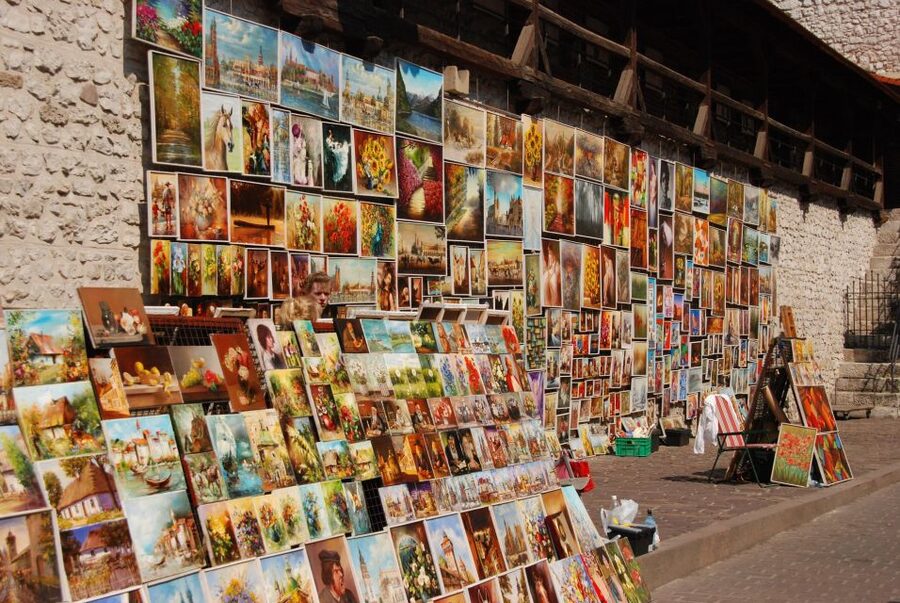
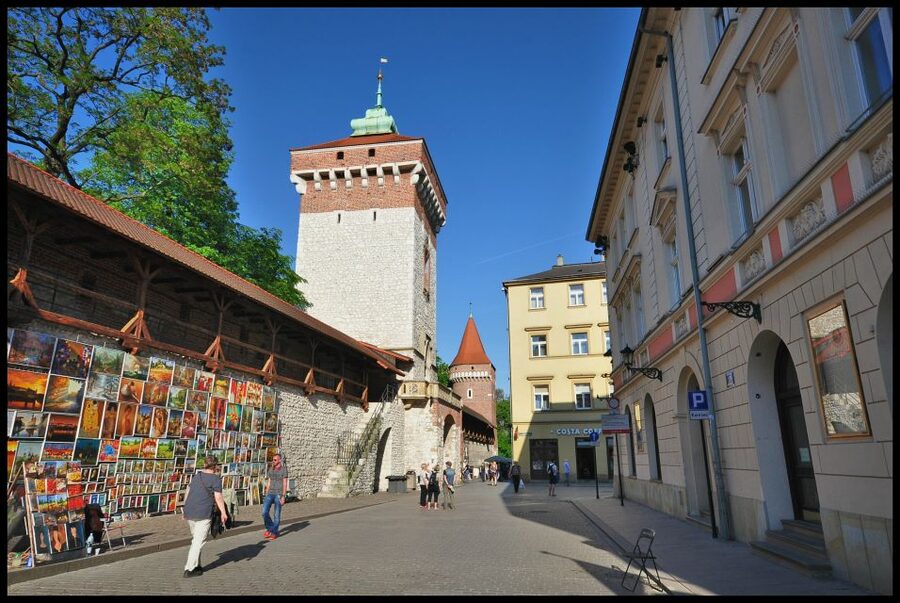
From there, you’ll see medieval structures meant for defense and control, including the Medieval walls and the Barbican. These aren’t just “old rocks.” The point is to show how Krakow guarded entrances, protected important areas, and channeled movement into predictable paths.
You’ll also pass the St. Florian’s Gate. Gates are great learning tools because they act like a boundary in your brain. Once you see the gate area, you start to connect the rest of the old town to the idea of entry, protection, and city planning.
Market Square landmarks: the civic heart you can actually understand
Next comes the marketplace area, and it’s treated as the city’s main stage. This is where the tour earns its keep, because it focuses on what makes the Market Square so important, not just the most famous photos.
You’ll visit key highlights such as St. Mary’s Basilica and the Sukiennice area, including the Tower of the old town hall. These stops are designed to teach you why the square became the center of economic and social life.
Here’s how to get the most from this part:
- Look at how buildings line up around the square. The tour uses those lines to explain how the city functioned.
- Pay attention to the tower and height differences. Even without going inside everything, the skyline helps you picture power and visibility.
If you like architecture but also like stories, this is a strong pairing. You get both the visual and the meaning.
Another way through a Krakow day:
- From Krakow: Auschwitz-Birkenau Guided Tour & Hotel Pickup
★ 4.5 · 33,358 reviews - From Krakow: Auschwitz-Birkenau Guided Tour & Hotel Pickup
★ 4.5 · 29,340 reviews - Krakow: Auschwitz Guided Tour with Optional Hotel Pickup
★ 4.5 · 15,280 reviews - Krakow: Wieliczka Salt Mine Tour with Entry Ticket
★ 4.6 · 10,927 reviews
University neighborhood: where Copernicus and John Paul II fit into the city
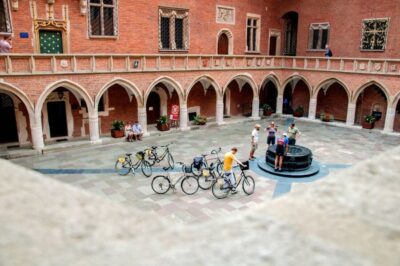
After the civic core, the walk shifts toward the university area. This is where you’ll hear how figures like Copernicus and John Paul II received academic training.
You might think universities are only about one era, but the tour makes it clear that education shaped Krakow’s identity over time. Standing in the neighborhood, you can start to connect the city’s cultural life to the institutions and intellectual traditions that grew there.
This section works especially well if you like context. Instead of saying “famous people lived here,” the tour helps you understand why those names matter to a city’s long-term story.
Wawel Hill and the cathedral complex: why this is Krakow’s gravity
Then you head to the Wawel complex. The tour goes up the hill, which is not just scenic. It helps you feel the idea of the place as a center of authority.
At Wawel, you’ll analyze the cathedral area and the wider complex, including the Cathedral dragon sculpture. That dragon is playful on the surface, but it also helps you remember the tone of Krakow’s storytelling. Legends, politics, and identity often travel together in old European cities.
Other named highlights you’ll encounter along the way include the Archbishop’s Palace and the Basilica of the Franciscans. Together, these give you a fuller picture of how religious power and civic life were physically connected in Krakow.
Practical note: expect stairs or slopes. If your legs need a slower pace, you may want to plan for it mentally so the uphill does not steal your energy from the explanations.
Entering Kazimierz: why the Jewish quarter developed here
Kazimierz is the heart of the second half of the tour. The guide explains why the first Jewish communities settled here and how coexistence between Jews and Catholics played out.
This part is not treated like a museum-only stop. It’s treated like a living part of Krakow’s geography. You’ll walk in a way that helps you understand the logic behind the neighborhood’s formation.
A key theme you will hear is that Jewish life in Krakow became both important in history and controversial. That honesty matters. It keeps you from turning the quarter into only a “beautiful old district” and instead shows you that history included real tension, real change, and real consequences.
If you want a tour that connects people, not just buildings, Kazimierz is where it clicks.
Synagogues and Holocaust memorials: what you should watch for
In Kazimierz, you’ll see the Tempel Synagogue and the Stara Synagogue. These stops are crucial because they anchor the story in place. Even if you do not go inside, you can still read how the neighborhood carried Jewish religious life through the architecture.
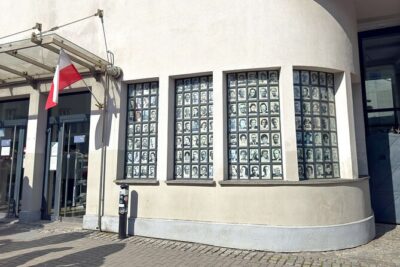
Then the tone shifts to remembrance with memorials including the Monument to the victims of the holocaust, the Monument to the righteous among the nations, and the Monument to Polish victims during the occupation.
For this part, here is how I suggest you focus:
- Let the names do the work. The guide’s explanations help, but the memorials themselves are meant to keep memory present.
- Notice how the story includes both victims and people recognized for helping others. It is not only tragedy. It is also moral history.
This section is powerful. It is also one you should treat with respect. Keep your phone use minimal, and give yourself a minute before moving on.
The old Jewish cemetery, New Square, and the quarter walls
After the memorials, you’ll reach sites that show the neighborhood’s longer timeline, including the old jewish cemetery and New Square.
You’ll also see the medieval square of the Jewish quarter and the walls of the Jewish quarter. Walls matter here. They remind you this was not just “a neighborhood.” It was a defined space within a larger city, with boundaries that shaped daily life.
If you like learning through physical space, this is where it helps to slow down for a moment. Look at how the walls and squares frame movement. That framing is what makes the story feel real.
Guide style in Spanish, and how to get more out of the walk
This tour includes a graduate guide in Geography and History, which fits the walking format. You’re not getting random trivia. You’re getting connections between events, architecture, and the city’s layout.
One of the best signs from past experiences is how engaging the guide can be. A Spanish guide named Luís has a style with photos and drawings, which helps when you are trying to picture events that happened long before today’s buildings existed.
That means you should come ready to think, not just look. If the guide draws a comparison, follow it with your eyes. Point out streets and landmarks they reference. It makes the story stick.
Language is Spanish. If you feel fully comfortable in Spanish, you will likely understand every stop without losing the thread. If you are a bit rusty, you might still follow the structure, but you may want to read short background before you go.
Price and value: what you get for $16 in 3 hours
At $16 per person for 3 hours, the value is strong if you want an organized, story-driven introduction to Krakow. You’re paying for a trained guide who focuses on two of the most important areas: the historic center and Kazimierz.
The tour also includes a lot of high-recognition sites, from Wawel to major synagogues and memorials. That matters because it reduces the need to plan two separate days and research every stop.
What you are not paying for is also clear: food and drinks are not included. So plan a small break later, or budget for a drink after the walk. If you skip meals beforehand, you’ll feel the length more than you need to.
Who should book this tour
I’d book this if you:
- Want a guided way to understand why Krakow is a World Heritage Site
- Like history told through locations, not just dates
- Prefer an organized walking route with major landmarks grouped logically
I’d think twice if you:
- Want a slow, photo-only trip with minimal talking
- Need long rest breaks, since it is a 3-hour route that includes uphill sections
It is a great fit for first-time visitors who also care about meaning, not just views.
Should you book this Krakow old town and Jewish quarter tour?
If your goal is to connect Krakow’s old town to Kazimierz and understand the city as one story, this is an easy yes. The route hits the biggest anchors, and the guide approach focuses on connections between events, architecture, and lived reality in the Jewish quarter.
Book it if you enjoy guided explanations and you are ready to walk a bit and keep your attention on details the whole way. Skip it only if you want maximum freedom and minimum structure.
Fresh Krakow reviews
- Zakopane PRIVATE TOUR from Krakow★ 5.0 · 18 reviews
- Czestochowa Black Madonna Private Day Tour from Krakow★ 5.0 · 18 reviews
- Chopin Candlelight Concert with Wine in Krakow★ 5.0 · 18 reviews
- Krakow City Pass – Museums, Atractions & City Transport★ 4.0 · 18 reviews
- Krakow: Garden of Lights Pinocchio Entry Ticket★ 4.7 · 18 reviews
- Half-Day Wieliczka Salt Mine Tour from Krakow★ 5.0 · 18 reviews
- Auschwitz Birkenau Memorial and Museum group tour from Krakow★ 5.0 · 18 reviews
- Krakow: Schindler’s Factory & Ghetto Guided Tour★ 5.0 · 18 reviews
Jewish Heritage Tours, compared.
Bike Tour of Old Town, Jewish Quarter and the Ghetto
Read our review →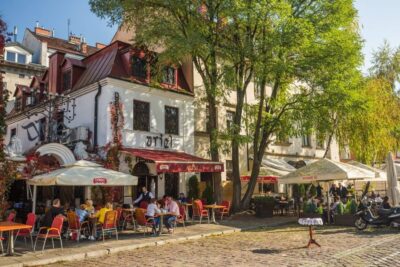
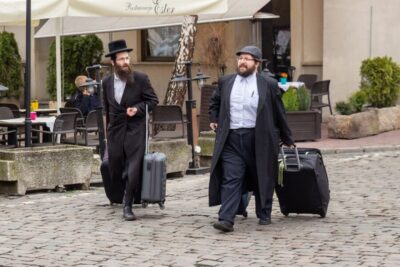
Kazimierz, Schindler’s Factory & Ghetto Guided Tour
Read our review →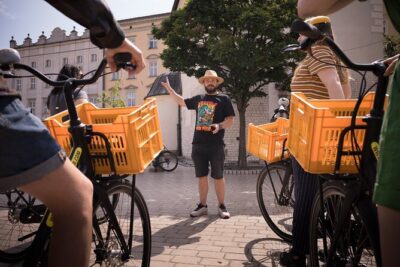
Full Bike Tour – the Old Town, Jewish Qtr & the Ghetto NEW BIKES
Read our review →
Warsaw Ghetto Private Walking Tour with Hotel Pickup
Read our review →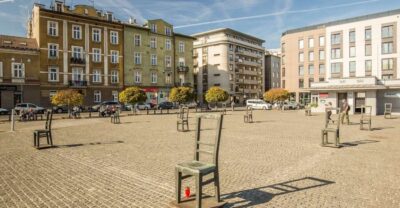
Browse the lists this tour appears in