
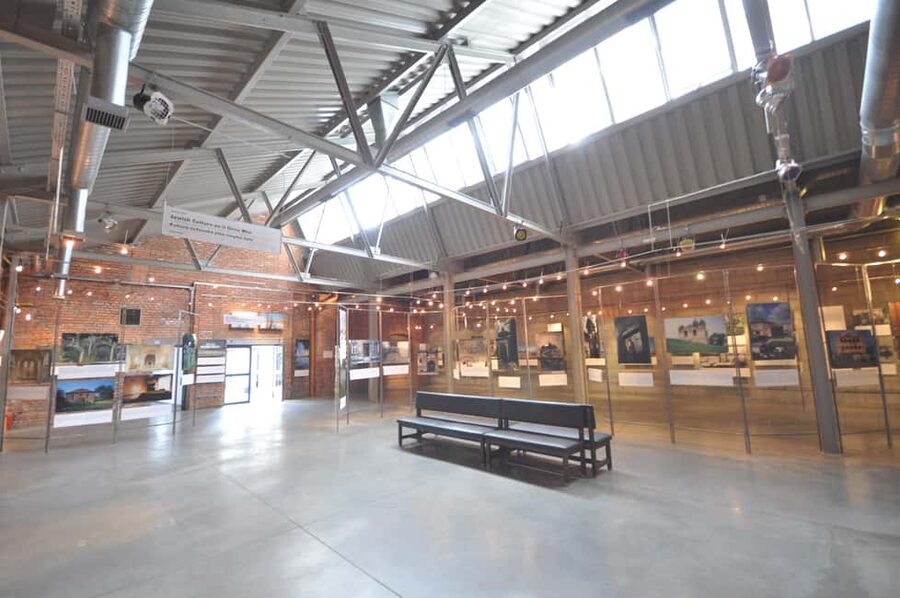
Reviewed · JEWISH HERITAGE TOURS
Krakow: Galicia Jewish Museum Entry Ticket
The Galicia Jewish Museum is interesting because it uses photos to show how Jewish life in Galicia changed, survived, and was shattered. You go in for the permanent exhibition Traces of Memory, then you stay for the meaning behind the images and the story the museum preserves. A key consideration: this is a self-guided visit, so you will want to take your time and read closely, not just skim.
I love how the permanent exhibition centers on over 140 photos and ties them to the bigger arc of 800 years of Jewish culture in Poland. I also like that you are not limited to one room, there is a coffee shop, temporary exhibitions, and even events like concerts and author meetings when they are running. The only drawback is that the subject matter is heavy, and the museum does not provide a guided tour, so your experience depends on how you pace yourself.
Key things to know before you go

- Traces of Memory is the heart of the visit, built from twelve years of artistic work
- Plan around the museum’s pace, the last entrance is 90 minutes before closing
- Expect Holocaust and heritage content, including a WWII exhibition on the destruction of culture
- Look for the museum founder’s photo legacy, Chris Schwarz and his British photography links
- Use the onsite bookstore to take Jewish culture and Holocaust history home with you
Entering the Galicia Jewish Museum, and why the photo format matters
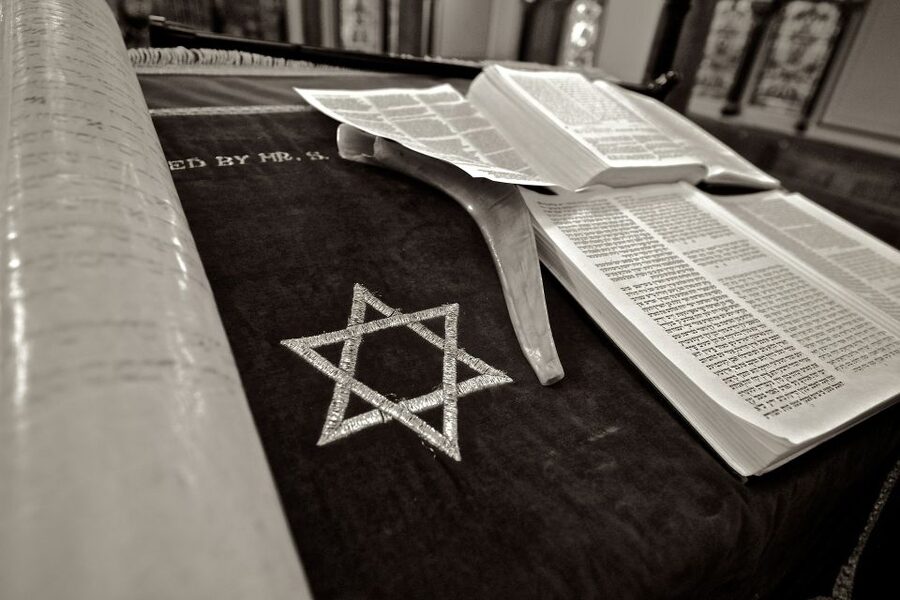
Krakow’s Galicia Jewish Museum is one of those places where the format does part of the work for you. You are not just looking at facts on a wall. You are looking at preserved images that carry names, places, and traces of people. That matters because the museum’s goal is not only to document loss. It also tries to show what was there before the rupture.
When you arrive with your entry ticket, the big practical win is skip the ticket line. You are still self-guided, but at least you lose less time at the start. This is especially helpful if you are chaining it to other Krakow sights the same day.
One more thing to plan for, the museum gives you entry for a specific day and you should check starting times when you book. The last entrance is 90 minutes before closing, so give yourself a buffer. If you roll in late, you will lose time inside the permanent exhibition, which is the main reason to come.
More Jewish Heritage Tours in Krakow
- Krakow: Schindler’s Factory & Ghetto Guided Tour
★ 4.7 · 1,694 reviews - Krakow: Jewish Quarter and Former Ghetto Tour
★ 4.9 · 1,441 reviews - Krakow: Bike Tour of Old Town, Jewish Quarter and the Ghetto
★ 4.9 · 1,155 reviews
Your self-guided 1-day plan: how to pace Traces of Memory
This ticket is valid for one day. You’ll walk through on your own, starting wherever you choose first, and staying as long as the museum’s hours allow. Since there is no guided tour included, I recommend a simple approach: commit to the permanent exhibition first, then branch out into the temporary exhibits and events if they line up with your schedule.
Here is a pacing idea that works well for most visitors:
- Start with the permanent exhibition Traces of Memory and focus on the photos as “evidence,” not just artwork.
- Then move into the exhibition area on WWII and the destruction of culture.
- If you have time and energy, add the temporary exhibitions and check whether anything is happening that day.
- End with the coffee shop and bookstore so you can process what you saw without rushing.
Even if you like museums that move fast, this one rewards slow reading. The permanent exhibition is structured around the idea of traces and preservation, and that takes a little time to absorb.
Traces of Memory: 800 years told through preserved photos
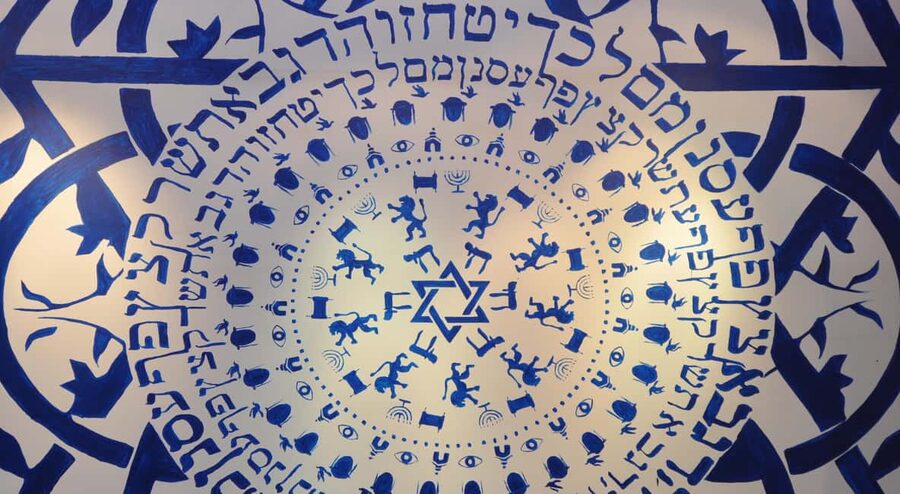
The museum’s permanent exhibition, Traces of Memory, is what you should build your visit around. It is the result of twelve years of artistic work, which you can feel in how it’s arranged. The theme is clear: Jewish presence in Galicia left marks, and the museum wants those marks to remain visible.
A standout detail is the scale. You will see over 140 photos. That number is not just “a lot.” It changes how you experience the story. Instead of one or two iconic images, you get a sequence of images that can make you connect patterns. You may notice the way scenes shift over time, or how the focus changes from everyday life to disruption.
The exhibition also frames itself around 800 years of Jewish culture in Poland. That time span is easy to say, harder to hold in your head. The photos help you do it. They turn a big historical claim into something you can see, one frame at a time.
If you want a practical tip for your own viewing, try this: pick a photo and ask yourself what kind of “trace” it is. Is it a record of a place? A snapshot of daily life? A sign of identity? When you do that, the exhibition becomes more personal and less like a timeline.
The Holocaust and Jewish heritage of Galicia, handled through context and contrast
The museum doesn’t just celebrate culture in an abstract way. It connects heritage to the Holocaust and the specific history of Jews in Galicia. That means you will see content that is emotionally difficult. I think that is part of the museum’s honesty. If the goal is memory, the exhibition has to carry both what was lost and what survived long enough to be documented.
Look for how the exhibition uses the idea of continuity and rupture. The story is not simply celebration, then tragedy. Instead, it tries to show how culture persists, then how it is targeted. That approach is valuable for your understanding, because it avoids the “gap” where people remember events but lose the normal life that came before.
Because the visit is self-guided, you set your own pace. If you feel overwhelmed, it is okay to pause and take a breath before moving on. You are not being timed.
More Museums in Krakow
- Auschwitz-Birkenau Museum and Memorial Guided Tour from Krakow
★ 4.5 · 1,510 reviews - Krakow: Rynek Underground Museum Guided Tour
★ 4.6 · 1,122 reviews - Krakow: City Card with Public Transport and Museums
★ 3.9 · 675 reviews - Krakow Schindler’s Factory Museum Guided Tour in English
★ 4.5 · 650 reviews
The WWII culture destruction exhibition: what to look for beyond the headline
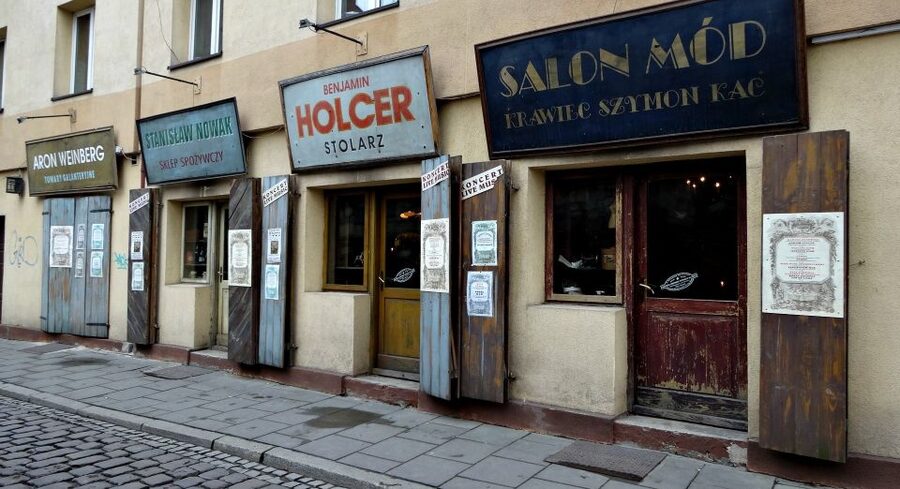
Alongside the permanent exhibition, there is a sales exhibition focused on the destruction of culture during the Second World War. The word sales here may sound unexpected, but what matters is the message: the museum wants you to confront how culture itself can be targeted, not only people.
When you walk through, don’t rush to the biggest, most obvious points. Try to notice smaller elements that signal loss of daily life: the idea that books, objects, community spaces, and cultural records can be erased. That makes the WWII content feel concrete, rather than distant.
This is one of those sections where a museum can do harm if it reduces everything to one note. In this case, the overall museum framing is about preserving traces. So the WWII portion fits into a larger mission: memory through documentation.
Chris Schwarz and the photo story behind the museum
A museum like this depends on someone who decided the images were worth saving. Here, that role centers on the museum’s founder, Chris Schwarz. His British photos connect to Jewish photography in Poland, linking visual archives across borders and time.
Chris Schwarz was the director of the museum until his death in 2007. Knowing that detail changes how you view the space. You start to see it as a labor of preservation carried by one person’s commitment, not just a curatorial concept.
Even if you do not know anything about Jewish photography history, you can still benefit from this context. It helps you interpret why the museum leans so hard on images. The photos are not decoration. They are the museum’s evidence and its memory tool.
Temporary exhibitions, events, and the onsite coffee shop for real breaks
On your ticket, you can access temporary exhibitions, too. That’s useful because the permanent exhibition anchors you, but temporary shows can add different angles. If you have only one day, it is a way to get more than one kind of understanding without paying for a separate tour.
The museum also lists concerts, meetings with authors, lectures, and workshops. These can be a great way to go deeper, especially if you like asking questions after you’ve seen the visuals. I would check what is happening during your visit day. If something aligns with your interests, it can turn a museum visit into a more active learning experience.
And yes, there is a coffee shop. I like that because it helps you reset after serious content. You can step out, breathe, and return with clearer attention. You do not want to treat a museum about memory like a race.
The bookstore: practical souvenirs that match the subject
The onsite bookstore is not just a shop. It is part of the museum’s mission to keep stories available. You can find books on Jewish life and culture, the Holocaust, and Jewish philosophy, identity, and literature.
This is a smart place to browse if you want value from the visit that lasts past your travel day. Instead of generic postcards, you can bring home something that helps you keep learning when you are back at your kitchen table.
If you are buying a book, I suggest focusing on one theme that you felt during the visit. Maybe it is identity and literature. Maybe it is Holocaust history. Pick one, and you’ll feel more connected to your own purchase instead of collecting random titles.
Price and value: $6 for a museum that covers a lot
The ticket price is $6 per person. That is genuinely good value for what you get access to: the permanent exhibition, a WWII culture destruction exhibition area, temporary exhibitions, and extra onsite options like a coffee shop and bookstore, plus the chance of events on the day of your visit.
The key value point is that the permanent exhibition is the main event and the one most likely to take serious time. If you can give it your attention, $6 feels like a small price for a museum that works hard to preserve memory through photos.
One more value angle: there is no guided tour included. That could be a drawback if you need someone to explain everything as you go. But for many independent travelers, it is also what keeps costs low and gives you control over pacing.
Practical logistics that actually affect your day
There is one operational detail that matters a lot: you receive a separate ticket by email from the local operator, and only a printed version is accepted. If you cannot print at home, you can print at Plac Szczepański 8.
So do not treat this like a normal phone ticket. Plan ahead with printing or save time on arrival by handling it early.
Also remember the last entrance is 90 minutes before closing. This affects your planning more than people expect. If you arrive near closing, you might see only part of the permanent exhibition and leave feeling like you missed the point. If you are doing other Krakow stops the same day, schedule the museum early enough that you can browse calmly.
Krakow City Card holders get free entrance, which can turn this into a bargain even faster.
Finally, opening hours might differ from what you see at booking due to circumstances. I recommend you check the museum hours close to your visit date so you do not get surprised.
Who should book this museum ticket
You should book if you want a museum visit that is serious but not chaotic, and you prefer learning at your own pace. It fits well if you are interested in Jewish heritage, the history of Jews in Galicia, photography as documentation, and Holocaust remembrance.
It is also a good choice if you like adding “extras” without complicated planning. You get permanent content, temporary exhibits, and options like a coffee break and bookstore browsing. If events pop up on the day you go, you can turn your visit into a fuller experience.
You might think twice if you strongly prefer guided tours, because there is no guided tour included. If you need a guide’s narration to understand context quickly, plan to read labels carefully and possibly spend extra time with the founder and WWII sections.
Should you book?
Yes, I’d book this if you are comfortable with a self-guided visit and you want to see Jewish history and Holocaust remembrance through photography. The $6 price feels fair because the permanent exhibition, Traces of Memory, is the main draw and it is substantial, with over 140 photos and a long-term creative effort behind it. Add the chance of temporary exhibitions, events, coffee, and a bookstore, and it becomes a full cultural block for the money.
If you are short on time, plan for the permanent exhibition first, then keep the rest flexible. And please, print your ticket. That one detail can save you stress.
FAQ
How much is the Galicia Jewish Museum entry ticket?
The price is $6 per person.
How long is the visit?
The ticket is valid for 1 day.
What is included with the entry ticket?
You get access to the permanent exhibition Traces of Memory, the sales exhibition about the destruction of culture during WWII, temporary exhibitions, the coffee shop, the bookstore, and event options such as concerts, author meetings, lectures, and workshops.
Is a guided tour included?
No. A guided tour is not included.
Do I need to print the ticket?
Yes. You will receive a separate ticket by email, and only a printed version is accepted.
What if I cannot print my ticket?
If you cannot print it, you can print at Plac Szczepański 8.
What is the last time I can enter?
The last entrance is 90 minutes before closing.
Is it free with the Krakow City Card?
Yes. Krakow City Card holders enter free of charge.
Fresh Krakow reviews
- Czestochowa Black Madonna Private Day Tour from Krakow★ 5.0 · 18 reviews
- Zakopane PRIVATE TOUR from Krakow★ 5.0 · 18 reviews
- Krakow City Pass – Museums, Atractions & City Transport★ 4.0 · 18 reviews
- Chopin Candlelight Concert with Wine in Krakow★ 5.0 · 18 reviews
- Krakow: Garden of Lights Pinocchio Entry Ticket★ 4.7 · 18 reviews
- Half-Day Wieliczka Salt Mine Tour from Krakow★ 5.0 · 18 reviews
- Auschwitz Birkenau Memorial and Museum group tour from Krakow★ 5.0 · 18 reviews
- Krakow: Schindler’s Factory & Ghetto Guided Tour★ 5.0 · 18 reviews
Jewish Heritage Tours, compared.
Bike Tour of Old Town, Jewish Quarter and the Ghetto
Read our review →
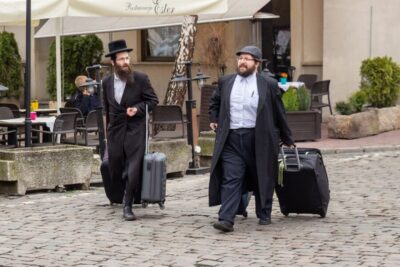
Kazimierz, Schindler’s Factory & Ghetto Guided Tour
Read our review →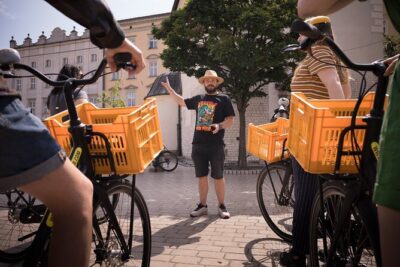
Full Bike Tour – the Old Town, Jewish Qtr & the Ghetto NEW BIKES
Read our review →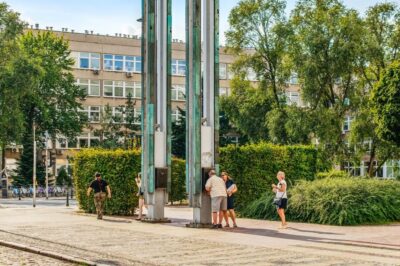
Warsaw Ghetto Private Walking Tour with Hotel Pickup
Read our review →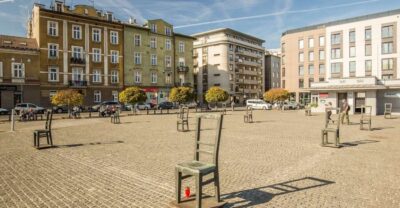
Browse the lists this tour appears in