

Reviewed · COMMUNISM TOURS
Gdansk: Private Communism Tour with Solidarity Center Museum
Gdansk can be a loud, modern city by the Baltic, but this tour takes you straight into the paperwork, people, and pressure that helped break communist rule in Poland. It is a private, English-speaking or multilingual walk through key Solidarity sites, plus museum time at the European Solidarity Centre where the story is told step by step.
What I like most is the private guide style, the way they connect what you see to why it mattered in everyday life. I also love the European Solidarity Centre visit with skip-the-line entry, because you spend your energy reading and talking, not waiting. The one drawback to plan around is timing: the shipyard part depends on opening days, and Gdansk Shipyard is closed on Saturdays and Sundays.
Key things to know before you go
- Skip-the-line access into the European Solidarity Centre so your schedule stays on track
- European Solidarity Centre focus on the Tables of 21 Postulates and other primary documents and photos
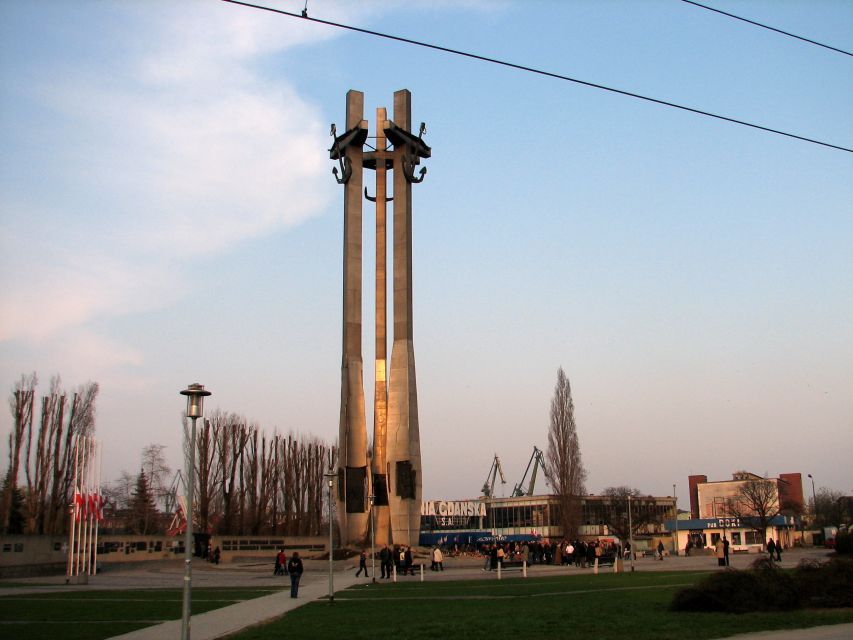
- Historic stops in the shipyard story including Solidarity Square and the Monument to the Fallen Shipyard Workers of 1970
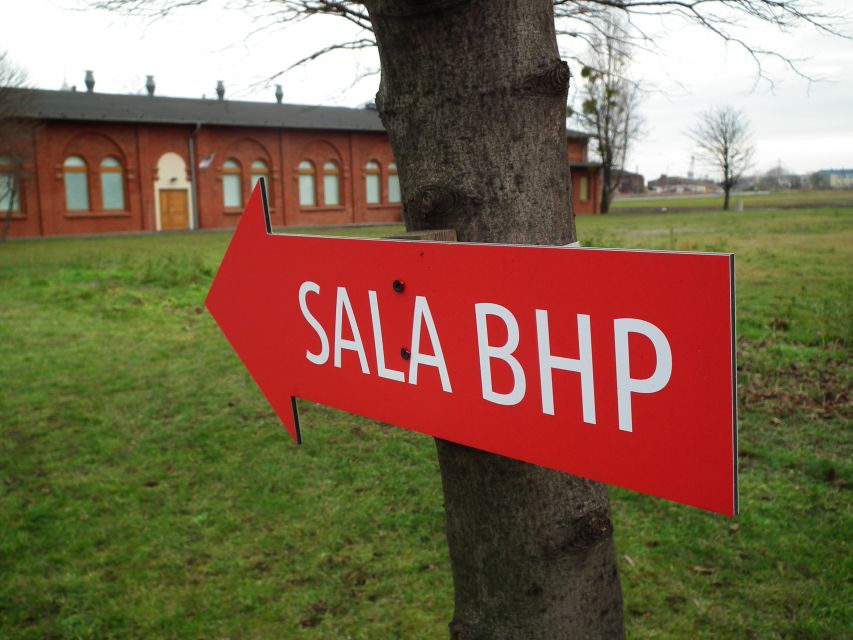
- Sala BHP visit (4-hour option), the worker protection building tied to the Gdańsk Agreement of 31 August 1980
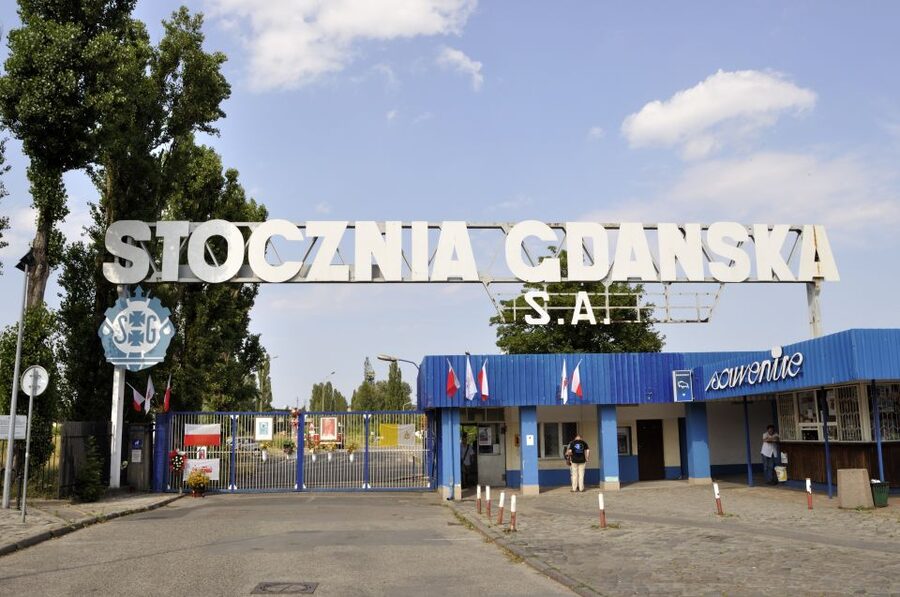
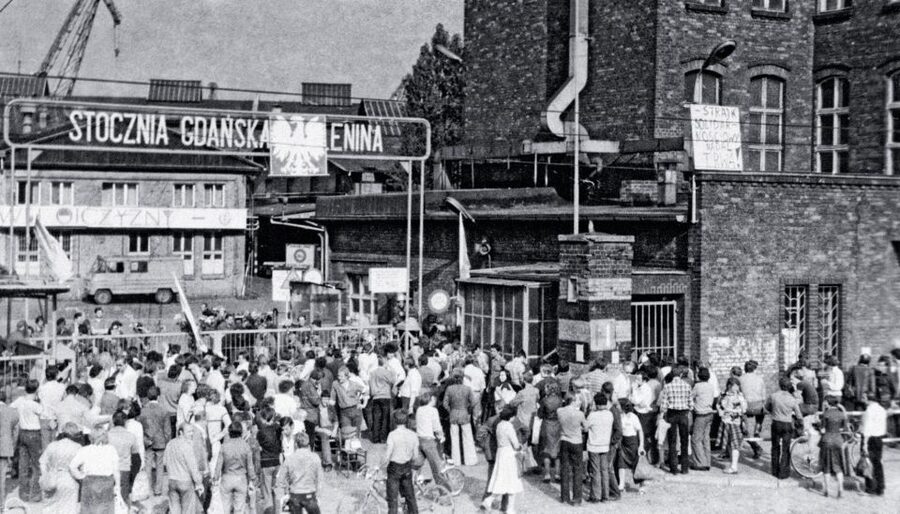
- Stocznia Gdansk shipyard entry (4-hour option), where resistance sparked in 1980
- Optional extra color (4-hour option), a shot of Polish vodka in the tradition of PRL
Why Gdansk’s Solidarity sites land harder than a standard museum day
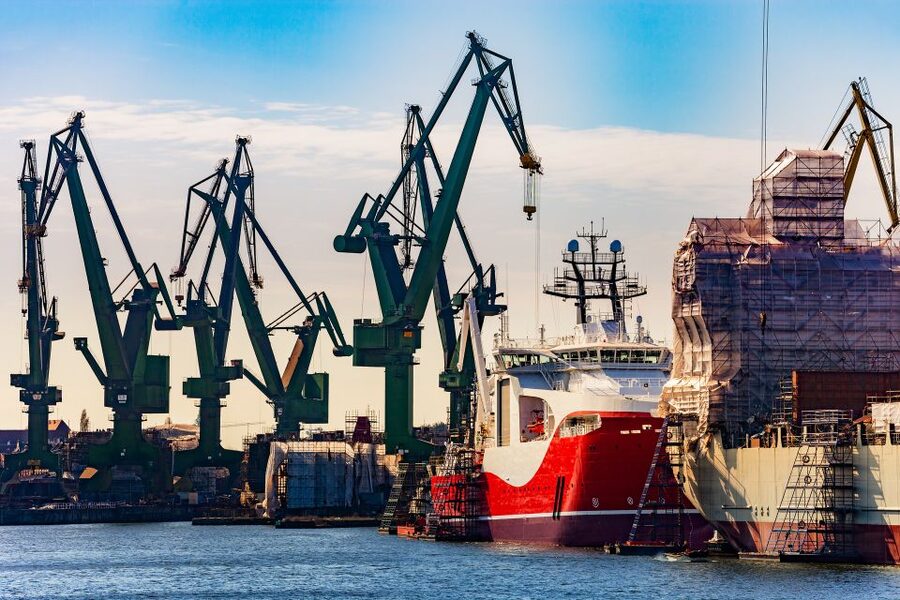
This is not a “quick facts” tour. You walk through the places where workers organized, negotiated, and pushed back, then you see the documents that made that resistance real. In Gdansk, the geography matters. The shipyard area is not just scenery, it is part of the argument the Solidarity movement made to the world.
You start to understand how communist-era Poland, often called PRL, wasn’t just a top-down system. It was constantly tested by ordinary people who refused to accept the official story. That makes the tone of the tour different from a typical political history walk.
Also, the museum portion is modern and readable, not dusty and confusing. You get a clear storyline, while your guide helps you connect the dots between strikes, negotiations, and the shift toward democracy in the Eastern Bloc.
More of communist-era Poland:
- Krakow: Nowa Huta Guided Tour in Vintage Car
★ 4.9 · 277 reviews - Legendary Private Nowa Huta Communism Tour with Crazy Guides
★ 5.0 · 262 reviews - Nowa Huta: Steelworks Administration Buildings/Shelters Tour
★ 4.8 · 260 reviews
Your 4-hour route, pickup in Old Town, and how the private format helps
This experience runs 4 hours for the full program. That extra time is not fluff. It is what gives you access to Sala BHP and the Gdansk Shipyard stops, not just the museum.
You have car transport with pickup from your accommodation in Gdansk Old Town, but only if it is within 1.5 km of the meeting point. If your hotel is farther, your guide meets you at the set point under the Monument to the Fallen Shipyard Workers of 1970 on Plac Solidarności (80-001 Gdańsk). Either way, the idea is the same: you get pointed in the right direction quickly, and you do not waste the limited hours hunting for entrances.
The private guide format also matters because this topic has names, dates, and competing narratives. A strong guide helps you keep the timeline straight and explains what is being shown in the museum so it does not turn into a list. In guides like Małgorzata, you can also get that practical skill of talking through the essentials while still honoring the emotional weight of the story.
European Solidarity Centre: the documents that make the movement feel real
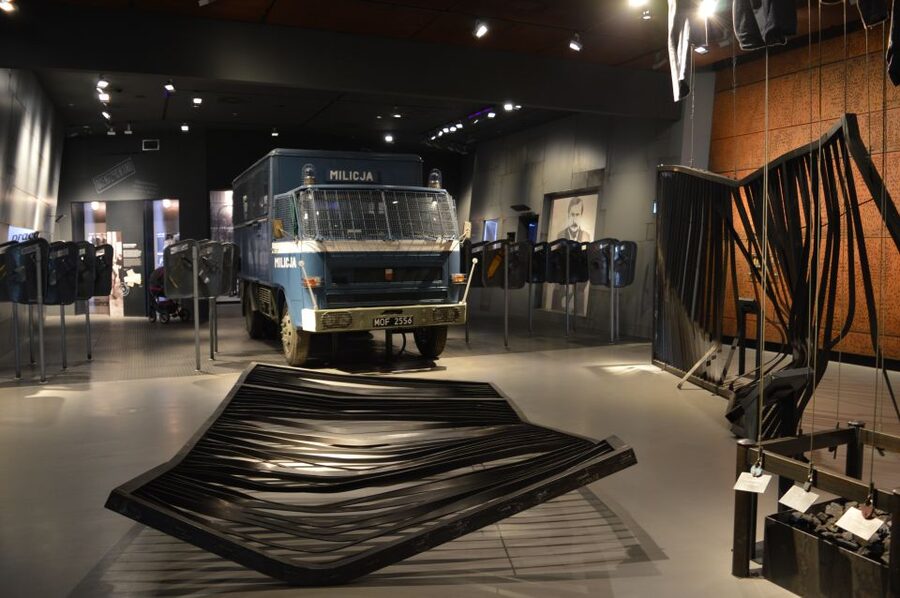
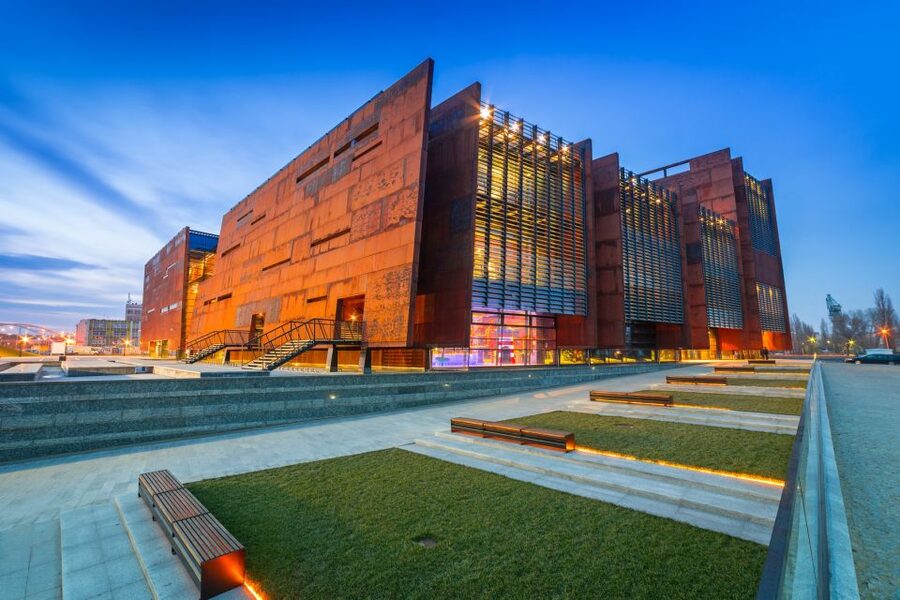
The highlight is the European Solidarity Centre, and you get skip-the-line entry. That is a big deal here because the museum is the core of the experience. Beating crowds means you can settle in, read carefully, and have time for your guide’s explanations without feeling rushed.
Inside, the tour walks through the history of Solidarity in a chronological way that is easy to follow. You will see the written demands linked to the strikes at the Lenin Shipyard, now Gdansk Shipyard. One standout is the original Tables of 21 Postulates, the strikers’ demands against the authorities in 1980. Seeing that kind of primary material changes the vibe. It stops being an abstract political event and becomes a concrete list of claims, pressures, and refusals.
You also get context for the longer arc of change, not just the dramatic moment in 1980. The center covers the strikes, the 1989 round table talks, and the first pluralistic elections in Poland since 1947. That sequence helps you understand Solidarity as more than a protest movement. It becomes a political engine that helped reshape the region.
As your guide explains the exhibitions, you will meet the key figures behind the story, including Lech Wałęsa and Anna Walentynowicz. The power here is in how the explanations connect people to events. You start to see why these leaders mattered, and why workers followed, negotiated, and kept going even when it was dangerous.
Solidarity Square and the 1970 shipyard tragedy you should not skip
The tour continues at Solidarity Square. This is where the story adds gravity. You hear the tragic background tied to the Monument to the Fallen Shipyard Workers of 1970, a reminder that the Solidarity era did not appear out of nowhere.
The best way to think about this stop is as context. If 1980 feels like the “start” in your mind, 1970 shows you the pattern: repression, suffering, and then renewed pushback. Your guide’s job is to connect that earlier rupture to what becomes possible later.
Even if the names and dates are new, the place helps. Monuments like this are designed to be read slowly. Use the moment to let the timeline land before you move on to the 1980 agreement sites.
More Museums in Gdansk:
- Tower of Secrets (Wax Figure Museum, Horror House and much More)
★ 4.0 · 30 reviews - Museum of the Second World War Gdansk Private Tour & Tickets
★ 5.0 · 24 reviews - Gdansk Private WWII Tour with Museum of the Second World War
★ 4.9 · 22 reviews - Auschwitz-Birkenau Museum and Memorial Guided Tour from Krakow
★ 4.5 · 1,510 reviews
Sala BHP: where the Gdańsk Agreement of 31 August 1980 took shape
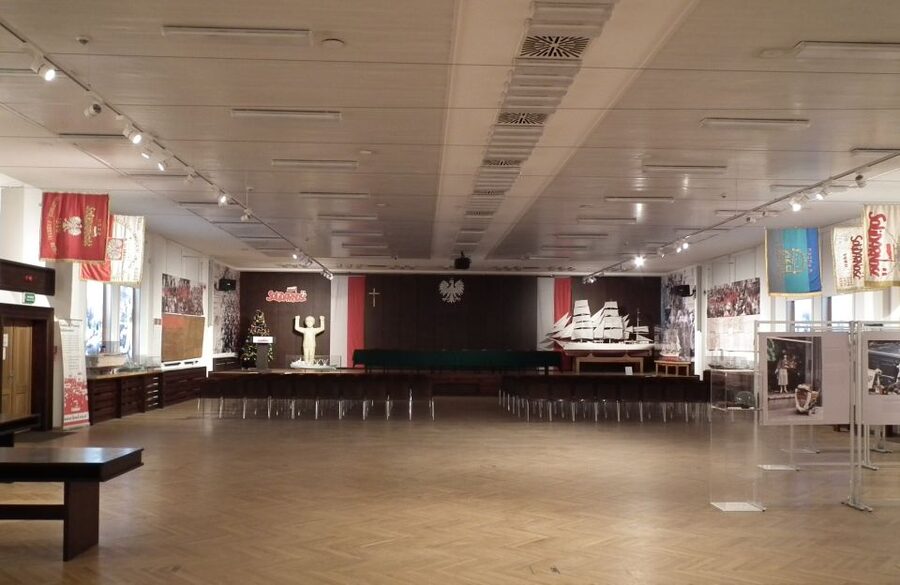
If you book the 4-hour option, you get the Sala BHP visit. This is the historic center of worker protection at the Gdansk shipyard, and it is tied to the signing of the Gdańsk Agreement on 31 August 1980.
Why is that stop so important? Because it is not just about protests. It is about negotiation. The Gdańsk Agreement represents the moment when workers forced the authorities to sit up and listen, and that matters in any story about how democracy grows under pressure.
Your guide helps you interpret what you see at Sala BHP so it does not become only a location stamp. You learn what people were asking for, what the strikes had changed, and what the agreement represented for future political moves across the Eastern Bloc.
This is also where the tour’s tone can become very human. The building is part of the worker world, not a polished government stage. It gives the agreement a grounded feel.
Stocznia Gdansk: stepping into the 1980 resistance story
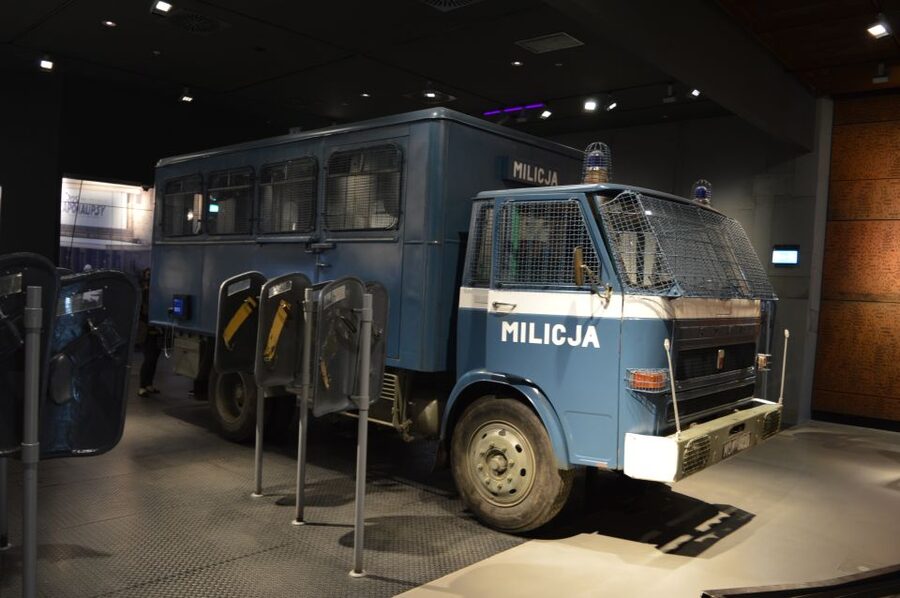
Your last major stop is Gdansk Shipyard, also known as Stocznia Gdańsk. The tour frames this as a turning point: in 1980, 17,000 ship builders began civil resistance against the communist regime.
Standing near the shipyard sites makes the scale easier to grasp. You can picture that many workers moving as one force, and you start to understand why Solidarity gained momentum so quickly. Your guide also points out details in the area and talks through how the shipyard setting shaped the organizing.
Two practical notes here. First, this part is for the 4-hour option. Second, Gdansk Shipyard is closed on Saturdays and Sundays. If your dates land on a weekend, your schedule may shift, so check the timing when you confirm the reservation.
A small plus: the shipyard neighborhood can look like it is changing constantly, with the port area evolving over time. Guides who know the site well can help you track what you are seeing so it stays meaningful, not random.
The vodka shot in the PRL tradition, plus how to treat the whole day respectfully
In the 4-hour option, the tour includes a shot of traditional Polish vodka. It is not just a gimmick. It is tied to the PRL tradition, where shared drinks often showed up during moments of gathering and solidarity.
If you do not drink, you can still keep a good attitude toward the ritual. Think of it as a cultural pause, not a requirement to perform. And if you do take the shot, do it when your guide signals, since the tour keeps a timeline.
The bigger takeaway is how the day moves from documents and monuments into a lived sense of community. This is one of the reasons I like this tour format. It treats the subject like real people lived it, not like a distant lecture.
Price and value: is $184 per person fair for a 4-hour private tour?
At $184 per person for a 4-hour private experience, you are paying for three things that matter on this topic: time, access, and explanation.
Time: Four hours is long enough to include the European Solidarity Centre and the key historical stops tied to the 1980 agreement story. If you only did the museum, you would miss the “place layer” that makes Gdansk click.
Access: Skip-the-line entry into the Solidarity Centre reduces wasted minutes. On a packed day, those minutes become hours of your life back.
Explanation: You are not just walking past sites. You are learning why the Tables of 21 Postulates, the leaders like Wałęsa and Walentynowicz, and the 1989 round table sequence mattered. That requires a licensed, history-focused guide, not just a map.
Would it be cheaper as a self-guided option? Sure. But you would likely lose the thread that makes the timeline understandable and the emotional meaning coherent. Here, the guide helps you connect what looks like separate attractions into one story of how worker pressure helped change a political system.
What you should expect from your guide (and why the best ones make or break it)
The guide is the engine of this tour. The European Solidarity Centre can be powerful on its own, but the explanations turn it from sad photos into a clear narrative.
From what I see in the way guides perform here, the best approach is mixing exhibition facts with context and occasional personal stories that show what it felt like to live under PRL. That balance makes it easier to remember names and dates and harder to shrug the subject off as “old history.”
Language options also matter. You can get a guide speaking English, German, Polish, or Russian. A strong match can feel like a cheat code, because you can ask follow-up questions and get answers that stay on topic.
If you want an emotional but organized visit, pick the 4-hour option and plan on taking notes or at least pausing for questions. Your guide’s whole job is to help the museum make sense and to keep the shipyard stops grounded in the same storyline.
Who this tour suits best, and who should consider a different plan
You will probably love this tour if you want more than surface-level politics. It is ideal for history lovers who like primary documents, and it is great if you want to understand how democracy emerged in Eastern Europe through real events and negotiations.
It also works well if you are traveling with a group that values meaning over speed. The private format keeps it flexible, and guides here can adapt to different languages and group sizes.
You might rethink it if you only have a short window in Gdansk or if you feel uncomfortable with heavy historical topics. This tour covers tragic moments, repression, and political conflict. It is presented in a respectful way, but it is still serious material.
Best times to go and practical tips for the day
Because the shipyard is closed on Saturdays and Sundays, aim for a weekday if you want the full 4-hour flow without interruptions. When you confirm your tour, check the schedule and the day-of-week reality.
Also, plan for walking. This is not a “sit for everything” experience. You are moving between museum and key historical sites, and you will likely spend time inside the center reading exhibits.
A small planning tip: in this kind of museum, you will get more out of it if you go in with one or two questions. For example, ask why the Tables of 21 Postulates were effective, or how the 1989 round table talks fit into the earlier strikes. Your guide will do a better job if you steer the conversation with your curiosity.
Should you book this private Communism Tour with the Solidarity Centre?
If you are in Gdansk for a few days and want one experience that connects the city to a major turning point in modern Europe, book it. The skip-the-line entry saves time, the private guide keeps the timeline clear, and the 4-hour option gives you Sala BHP and the shipyard sites that make the whole story feel anchored.
Choose it especially if you care about details like the Gdańsk Agreement of 31 August 1980 and the Tables of 21 Postulates, not just general facts about Solidarity. And if your travel dates include a weekend, double-check the shipyard opening situation so you get the full experience you want.
FAQ
What does the tour include?
The tour includes hotel pickup and drop-off in Gdansk Old Town, a private communist-themed tour with a licensed history guide, and European Solidarity Centre skip-the-line entry. For the 4-hour option, it also includes Sala BHP and Gdansk Shipyard entry, plus a shot of traditional Polish vodka.
Where is the meeting point?
Meet your guide under the Monument to the Fallen Shipyard Workers of 1970 at Plac Solidarności, 80-001 Gdańsk.
Do I get pickup from my accommodation?
Pickup is available only in Gdansk Old Town, within 1.5 km from the meeting point. If your accommodation address is within that area, the guide meets you there. If not, you meet at the scheduled meeting point.
What languages are available for the private guide?
The guide is available in English, German, Polish, and Russian.
What is the difference between the 2-hour and 4-hour options?
The 2-hour experience focuses on the Solidarity story through the European Solidarity Centre. The 4-hour option adds Solidarity Square, the Monument to the Fallen Shipyard Workers of 1970, the Sala BHP stop tied to the Gdańsk Agreement, and Gdansk Shipyard entry, plus the vodka shot.
Is skip-the-line access included for the museum?
Yes. You get skip-the-line entry tickets for the European Solidarity Centre.
Is Gdansk Shipyard open every day?
Gdansk Shipyard is closed on Saturdays and Sundays, so plan your schedule accordingly if you want those stops.
Is the tour wheelchair accessible?
Yes, the tour is wheelchair accessible.
What is the cancellation policy?
Free cancellation is available up to 24 hours in advance for a full refund.
Fresh Gdansk reviews
- City Game Tour Gdańsk★ 5.0 · 19 reviews
- Room of Plenty★ 4.5 · 19 reviews
- Sopot Private City Walking or Bike Tour with a local architect★ 5.0 · 19 reviews
- Electric Scooter Tour: Old Town Tour – 1,5-Hour of Magic!★ 5.0 · 19 reviews
- Gdańsk Shore Excursion: Private Gdańsk, Sopot & Gdynia Tour★ 5.0 · 20 reviews
- First Time in Gdańsk? Private Tour of Old Gdańsk’s Highlights★ 5.0 · 20 reviews
- Private Transfer Gdansk City Center to Gdansk Airport (GDN)★ 5.0 · 21 reviews
- Malbork Castle Tour: 6-Hour Private Tour to The Largest Castle in The World★ 5.0 · 21 reviews
Communism Tours, compared.

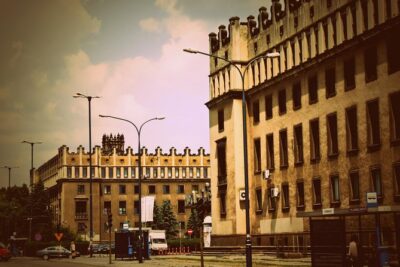
Legendary Private Nowa Huta Communism Tour with Crazy Guides
Read our review →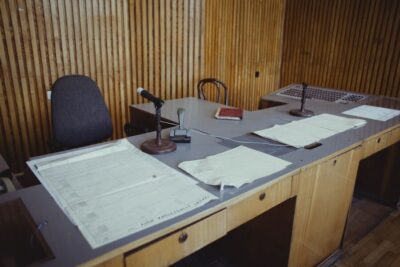
Nowa Huta: Steelworks Administration Buildings/Shelters Tour
Read our review →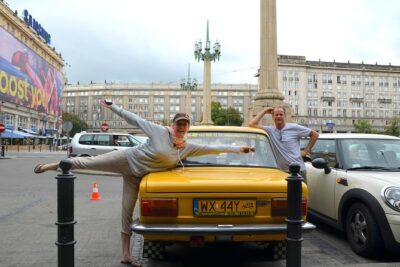
Private Tour: Warsaw’s Communist History by Retro Fiat
Read our review →
Private Nowa Huta Adventure Tour in Communist Cars
Read our review →

Browse the lists this tour appears in