
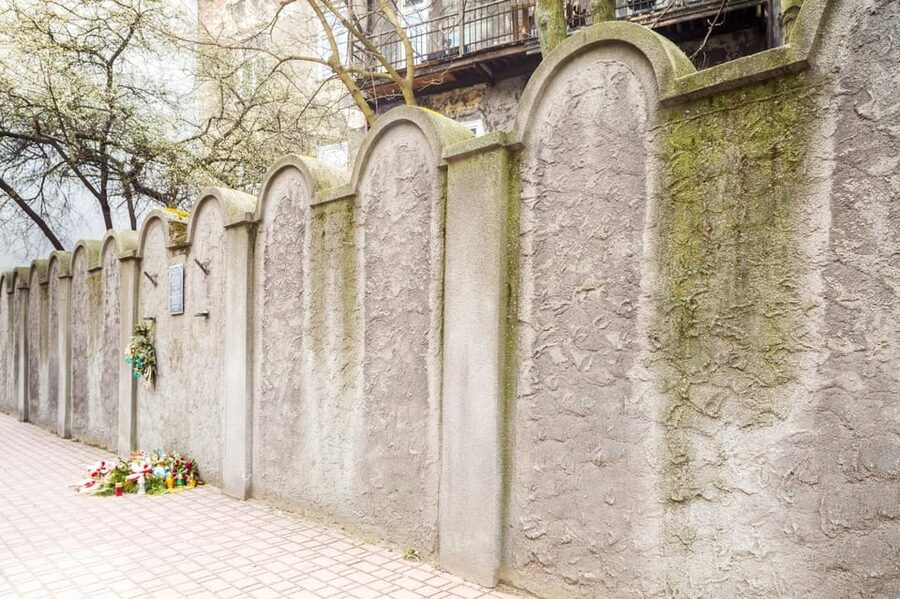
Reviewed · JEWISH HERITAGE TOURS
Cracow – Guided Tour of the Jewish Ghetto
Krakow’s Jewish Ghetto walk is interesting because you are not just looking at monuments, you are walking through Podgórze, a district that still carries the weight of WWII history. I like the way this tour pairs street-level sights with clear context, and I especially like the stop at Under the Eagle pharmacy, a place that turns survival into something you can point at. One drawback to plan for: the tour is only 1 hour, so it gives you understanding and orientation, not an hour-by-hour deep study.
In practice, you’ll get a guided pass by buildings where thousands of displaced Jews lived, then you’ll see what’s left of the wall that once ringed the ghetto. If your guide is chatty and compassionate, the experience can feel like a focused lesson. If you want maximum storytelling, give yourself permission to ask questions, because time is tight and your guide will be moving the group along.
Quick hits before you walk Podgórze
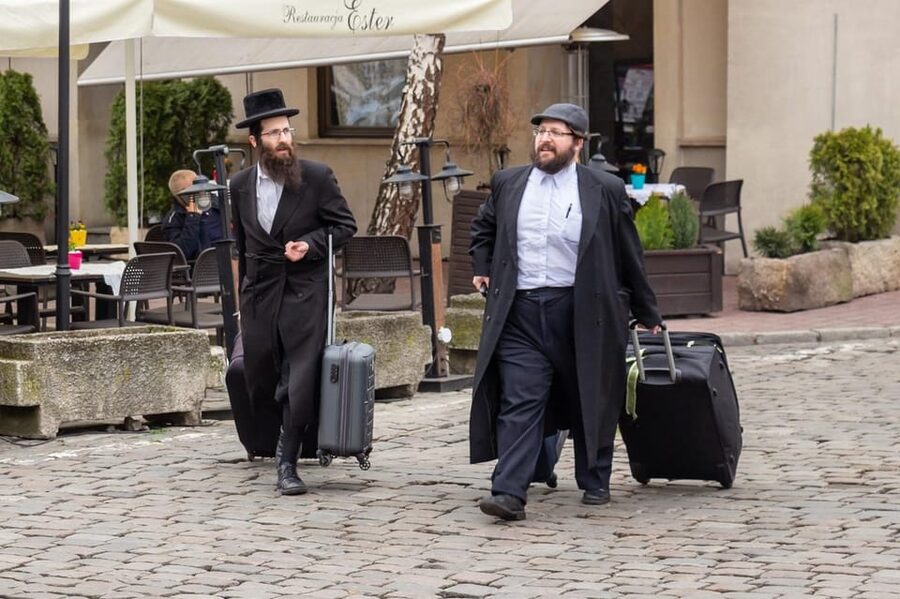
- Plac Bohaterów Getta (Ghetto Heroes’ Square), tied to the moment residents were identified and deported
- A preserved fragment of the ghetto wall, now treated as a memorial and pilgrimage stop
- Street-level context in the Podgórze district, where cramped living conditions shaped daily life
- Under the Eagle pharmacy, a final stop focused on resilience and survival
- Live guide in multiple languages including English, German, French, Spanish, and Italian
- Short and practical format for first-timers who want the key sights fast
Meeting at Schindler Factory and starting with the right mindset
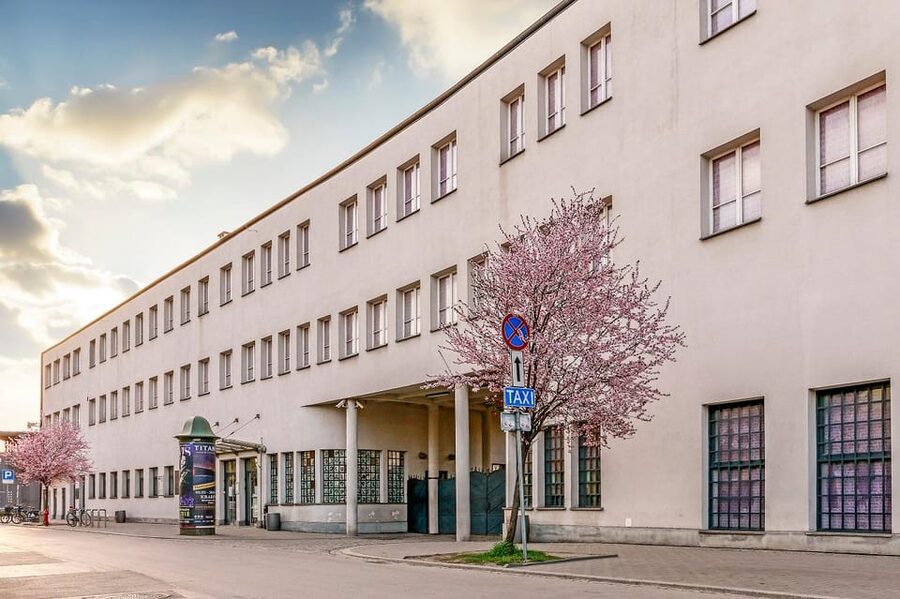
Your tour meeting point is simple, which I love when I’m trying to get oriented fast. Look for a guide holding an excursions.city sign at the entrance to the Schindler Factory Museum. From the start, you know you’re in the right area for Holocaust-era context in Krakow.
Before you arrive, I’d suggest you do two quick things. First, bring the language you booked, so you can follow the story without straining. Second, decide what you want from this walk: do you want locations and dates, or do you want the human side, the “what it felt like” explanations your guide can give in a short time?
This is not a long museum crawl. It’s a guided walk, so your attention has to stay on the streets. The best way to make that work is to look up. Facades, courtyards, and building layouts tell part of the story, even if you only catch it for a few seconds between stops.
More Jewish Heritage Tours in Krakow
- Krakow: Schindler’s Factory & Ghetto Guided Tour
★ 4.7 · 1,694 reviews - Krakow: Jewish Quarter and Former Ghetto Tour
★ 4.9 · 1,441 reviews - Krakow: Bike Tour of Old Town, Jewish Quarter and the Ghetto
★ 4.9 · 1,155 reviews
Walking Podgórze: seeing where thousands lived in cramped conditions
The heart of the tour is Podgórze, the district that became the Jewish ghetto during World War II and still preserves the legacy of that period decades later. On this walk, you move past buildings where thousands of displaced Jews lived. That detail matters, because it keeps the history grounded in real places, not only in big names or tragic dates.
Here’s the practical part: when you pass a row of buildings, don’t rush past them mentally. Slow down enough to notice how the neighborhood is built. A ghetto wasn’t just a line on a map. It was a daily reality shaped by space, movement, and limits.
I also think this is where a strong guide makes a big difference. The most praised aspect of this experience is how much knowledge the guide brings, often with compassion. In other words, you’re not getting a cold fact dump. You’re getting explanations that connect what you see to why it was so devastating.
If you happen to get a guide who speaks English, German, French, Spanish, or Italian clearly, the tour becomes easier to process. One review specifically highlighted an Italian-speaking guide who communicated well. If you book in Italian, and you care about nuance, this is worth considering.
The ghetto wall fragment: a small leftover with heavy meaning
One of the standout sights is the remaining piece of the wall that surrounded the Jewish ghetto. Even when you’re only seeing a fragment, the impact can be intense, because you are looking at physical evidence of confinement.
This is not a generic photo stop. Your guide will explain what the wall represented and where it sits in the story of the ghetto. You’ll learn why that fragment is treated as a revered monument and why many Jewish visitors travel here as a pilgrimage site.
If you’re the type who likes to understand how memorials work, pay attention to how the site is framed. A memorial is communication. In this case, the message is clear: remember what happened and protect against it happening again.
A small but important caution: give yourself a moment before taking photos. This is one of those places where a picture can feel too quick. I try to look first, breathe, then decide what I want to capture.
Plac Bohaterów Getta: the square where deportations are tied to place
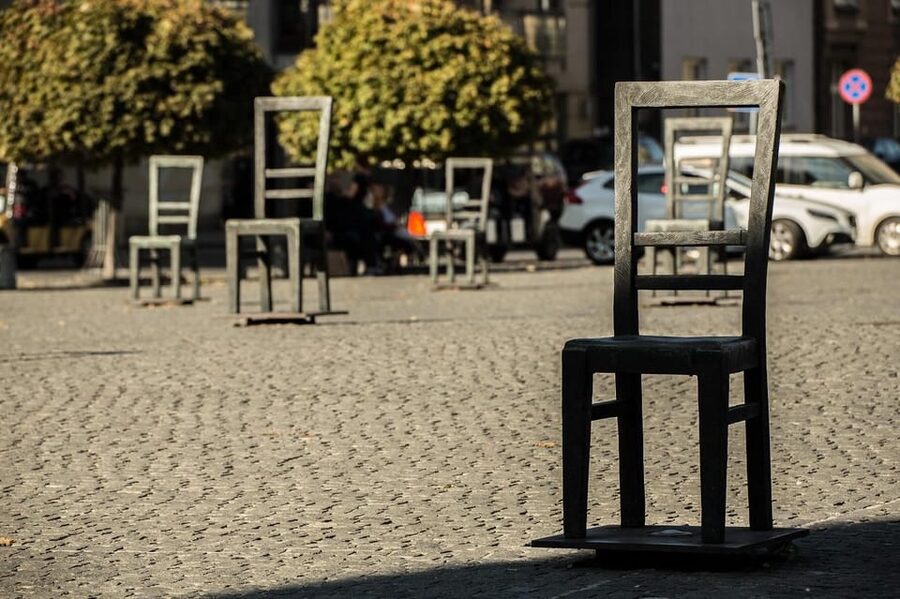
Next comes Plac Bohaterów Getta, also known as Ghetto Heroes’ Square. Your guide ties this location to the process of how Jewish residents of Krakow were identified and deported to concentration camps. That connection is what makes this square more than a scenic intersection.
In a one-hour tour, you don’t get every detail you might want about the complex timeline of WWII in Krakow. Still, the square gives you a focal point: a place where you can anchor what you’ve learned from the street-level buildings and the wall fragment.
When I visit sites like this, I like to ask myself: why does the memory live in a square? Squares are public space. They force the story into an everyday geography. That’s why remembering here can feel both solemn and oddly immediate, like the history is still part of the city’s voice.
If you want more personal context, ask your guide a question like what role this area played in the deportation process, or how the ghetto’s boundaries affected daily life. Since the tour is guided in multiple languages, it should be possible to get answers in the language you booked.
Another way through a Krakow day:
- From Krakow: Auschwitz-Birkenau Guided Tour & Hotel Pickup
★ 4.5 · 33,358 reviews - From Krakow: Auschwitz-Birkenau Guided Tour & Hotel Pickup
★ 4.5 · 29,340 reviews - Krakow: Auschwitz Guided Tour with Optional Hotel Pickup
★ 4.5 · 15,280 reviews - Krakow: Wieliczka Salt Mine Tour with Entry Ticket
★ 4.6 · 10,927 reviews
Reading the streets like evidence, not just scenery
As you move from stop to stop, you’re essentially learning how to read Podgórze. The tour doesn’t treat the neighborhood like a backdrop. It treats it like evidence.
Buildings where people were displaced are part of the narrative. Courtyards, entrances, and the rhythm of the streets help you understand how cramped conditions could be created and maintained. Even if you are not an architecture expert, your guide’s explanations can make the environment feel more legible.
This is also where the best tours feel like a conversation with the city. The guide explains, then you look again with new context. That loop is what transforms a short walk into something memorable.
One practical takeaway: wear comfortable shoes. Even if the schedule is only 1 hour, you’ll cover enough sidewalk to make stiff shoes a bad decision. And if you’re sensitive to crowds, remember this is a guided group activity, so you’ll be walking at the pace of the group.
Under the Eagle pharmacy: a finale that focuses on resilience
The tour ends at the famous Under the Eagle pharmacy. This is a meaningful way to finish, because it shifts the focus from walls and deportations to something more human and enduring.
Your guide frames Under the Eagle pharmacy as a symbol of resilience and survival amidst the turmoil of war. That’s a different emotional tone than the ghetto wall fragment or Plac Bohaterów Getta, and it can help you process the tour without leaving you stuck only in grief.
In a one-hour visit, your final stop matters. It’s the last impression you carry back to your hotel. I like that this ending gives you an image of survival rather than only confinement, especially if it’s your first time connecting with Jewish Krakow history.
If you’re the kind of visitor who likes to learn by seeing a working space, this stop can feel more tangible. It’s one thing to hear about suffering. It’s another to stand in a place associated with everyday life and endurance.
Price and value: $15 for a focused 1-hour education
The price is $15 per person, and that sounds simple on paper. The better question is what you’re actually buying.
You’re paying for a professional guide and a structured walk through the most recognizable pieces of the Podgórze story: buildings tied to ghetto life, the ghetto wall fragment, Plac Bohaterów Getta, and the Under the Eagle pharmacy. For a first visit to Krakow, this can be great value because it compresses a lot of key context into one compact format.
The trade-off is also clear. At 1 hour, you will not leave with every detail. This tour is best as an orientation and a first layer of understanding. If you want to go deeper, you can come back later on your own and spend more time reading, thinking, and revisiting the places that hit you the most.
So who is this best for?
- You want the essentials and you don’t want to spend hours planning your route.
- You like guided interpretation, especially when the topic is heavy and needs care.
- You want a short, respectful way to learn before deciding what else to study in Krakow.
Guide quality matters, so ask more if you can
The guide is the main ingredient here, and the strongest praise centers on guides who bring extensive knowledge and do it with compassion. One highlight from an Italian-language experience was that the guide spoke Italian very well, which is not a small detail. If you can understand clearly, you can follow the emotional logic of what you’re hearing.
That said, any group walk with set timing can have moments where explanations feel brief. If you sense your guide is rushing, don’t just accept it. Ask a specific question. For example: what exactly made Plac Bohaterów Getta significant on a practical level, or what does the preserved wall fragment represent today?
I also think it helps to arrive with one personal goal. If your goal is to learn names, ask for them. If your goal is to understand lived conditions, ask how the ghetto affected daily routines.
And yes, there can be standout communicators. One example from an Italian booking pointed to a guide named Fabio da Foggia explaining more in a few minutes than the official guide did during that stop. I can’t guarantee who you’ll get, but the lesson is useful: clarity and compassion make this type of tour work.
Languages and comfort: choose the version you can really follow
This tour offers live guidance in English, German, French, Spanish, and Italian. If you’re choosing among languages, I’d recommend picking the one you’re most comfortable with, even if you can survive another. Holocaust-era topics have terms and nuance, and it’s easier to absorb when you don’t have to translate everything in your head.
Comfort tips are basic, but they matter for a one-hour walking tour. Wear shoes you can walk in for an uninterrupted stretch. Dress for Krakow weather, especially if you’re traveling in shoulder season. And keep your phone charged enough for navigation later, because you’ll likely want to go back independently after the tour.
Should you book this Krakow Jewish Ghetto guided tour?
Book it if you want a short, guided, respectful introduction to Podgórze, the ghetto wall fragment, Plac Bohaterów Getta, and Under the Eagle pharmacy. At $15, it’s a practical way to cover the key locations without spending your entire day mapping them.
Skip it or plan an add-on visit if you know you want deep detail. One hour gives you the big picture, not a full course. Also, because the guide is central to your experience, consider booking when you can attend with the language you know best, then be ready to ask questions.
If you do book, go in with a little quiet focus. Look at the buildings. Stand still at the wall fragment. And when you reach Under the Eagle pharmacy, let the final note of resilience settle in before you move on.
Fresh Krakow reviews
- Czestochowa Black Madonna Private Day Tour from Krakow★ 5.0 · 18 reviews
- Zakopane PRIVATE TOUR from Krakow★ 5.0 · 18 reviews
- Krakow City Pass – Museums, Atractions & City Transport★ 4.0 · 18 reviews
- Chopin Candlelight Concert with Wine in Krakow★ 5.0 · 18 reviews
- Krakow: Garden of Lights Pinocchio Entry Ticket★ 4.7 · 18 reviews
- Half-Day Wieliczka Salt Mine Tour from Krakow★ 5.0 · 18 reviews
- Auschwitz Birkenau Memorial and Museum group tour from Krakow★ 5.0 · 18 reviews
- Krakow: Schindler’s Factory & Ghetto Guided Tour★ 5.0 · 18 reviews
Jewish Heritage Tours, compared.
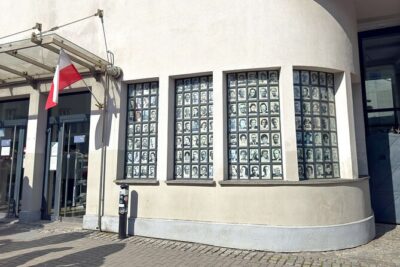
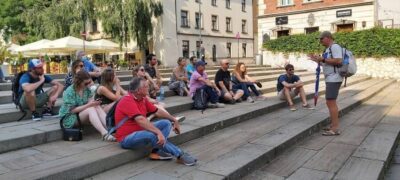
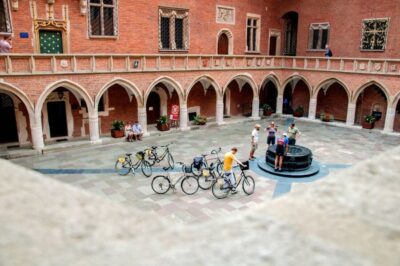
Bike Tour of Old Town, Jewish Quarter and the Ghetto
Read our review →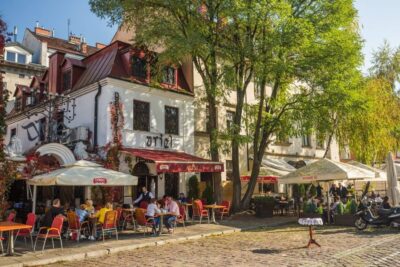
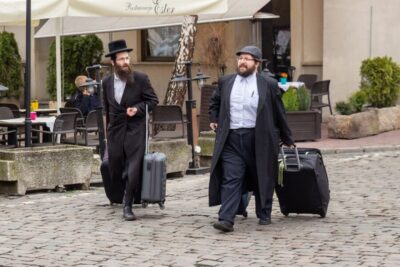
Kazimierz, Schindler’s Factory & Ghetto Guided Tour
Read our review →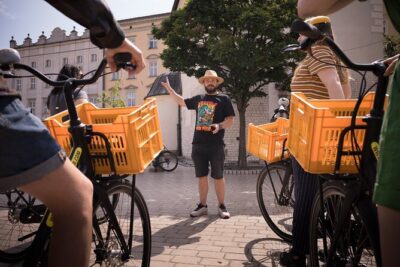
Full Bike Tour – the Old Town, Jewish Qtr & the Ghetto NEW BIKES
Read our review →
Warsaw Ghetto Private Walking Tour with Hotel Pickup
Read our review →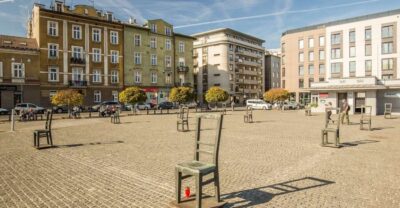
Browse the lists this tour appears in