
Stepping into Warsaw’s Museum of Life Under Communism is interesting because it does not treat communism as a textbook topic. You walk through rooms, props, and everyday details that help you understand how people lived, shopped, studied, and spent time. The chance to handle items and recreate moments with photo backdrops makes it feel personal, not abstract.
Two things I like a lot are the hands-on exhibits and the photo-friendly set pieces that include an original telephone booth and period living rooms. You get a stronger sense of daily life when you can touch real-feeling objects and then take pictures where the scene was built to be photographed. The third best part is the on-site cafe that’s styled like a classic Polish spot, so you can end with a warm break and a local cake.
One drawback to plan for: this is not built for everyone. The museum notes it is not suitable for people with mobility impairments, and entry may involve a brief wait at certain times due to local authority restrictions.
Key moments that make this ticket worth your time
- A walk through the story of Poland under communism, starting with solidarity and ending with the fall years
- A tactile approach, with items you can touch, not just look at
- Photo stops you will actually use, including an original telephone booth and recreated rooms
- Period details you might not expect, like a typical moped and what’s described as the only saturator of its type in Poland
- A 1950s-style cafe stop with coffee from a very old maker and typical Warsaw cake (not included)
- Daily surprises you can ask about at the reception desk
First stop: where to pick up your voucher near Plac Konstytucji
If you want this to feel smooth, go straight to the reception area at the Museum of Life Under Communism and show your voucher. It is right by the entrance to KFC by Plac Konstytucji (Constitution Square), so you are not hunting around the city trying to match street signs.
This location also helps you stitch the museum into a bigger day in central Warsaw. You can pair it with Constitution Square area walks and then decide later if you still want museum time, coffee, or a quick snack elsewhere. If you are the type who likes to keep plans flexible, the ticket is valid for 1 day, and you can check available starting times rather than locking yourself into a single rigid schedule.
One more practical note: in most cases you do not have to book the precise time of your visit. Still, local authority restrictions can mean you might briefly wait to enter. That is normal museum life in city centers, so build a little buffer if you have another timed reservation later.
More Museums in Warsaw
- Warsaw: POLIN Museum of the History of Polish Jews Ticket
★ 4.7 · 1,142 reviews - Warsaw: Polish Vodka Museum Tour with Tasting
★ 4.6 · 788 reviews - Warsaw: Museum World of Illusion Entry Ticket
★ 3.9 · 666 reviews
Audio guide and daily surprises: what to do before you start
Right after entry, start with the museum’s own “story line.” The visit is guided in the sense that you begin with a segment about solidarity and the end of communism, then you move backward through key beginnings such as martial law-era references. This is not just decoration. It shapes your attention so you notice the right details in each room.
Plan for the audio guide early. The experience includes a free smartphone audio guide option, and it is specifically listed as included on Thursdays. The languages are set, including English, French, Italian, Spanish, and Polish. You upload the app before your visit using the museum’s page provided for the free audio guide, so do that at home or at your hotel before you arrive.
Ask about daily surprises at the reception. The museum includes them, but the content is not spelled out in your ticket info. In practice, that means you should keep your mind open as you move from room to room. If you are the kind of visitor who likes structure, check in quickly at the desk and then let the surprise factor do its job.
The museum’s storyline: solidarity, martial law, and how the rooms fit together
What I like about how this museum is organized is that it avoids making you bounce randomly between objects. You start with solidarity and the end of communism, which works like a compass. Once you know where the story is heading, you can look at earlier rooms with more clarity.
As you follow the path, you see original flyers and pictures and then travel further back to the beginnings of communism and references tied to martial law. Even if you already know the broad history, the museum’s strength is in how it turns that history into physical, small-scale evidence. Think of it as you are learning through materials: the way information was shared, the kind of imagery that filled public life, and how official messaging shaped everyday choices.
Then you hit the propaganda layer. The museum includes a cinema showing propaganda movies from the 1970s. This matters because propaganda is not just posters. It is sound, pacing, and repetition, and that is what film does well. If you want to understand why people felt what they felt, seeing that kind of media is a big part of the picture.
Living rooms and small housing spaces: what you actually notice
After the cinema, you move into the more intimate parts of the museum: a small housing space with typical items. This is where the visit can feel either very powerful or a bit too staged, depending on your tolerance for recreations. If you like realism and small details, you will likely find yourself slowing down, because the museum is set up so you can inspect things closely.
Here is what you should look for. The museum includes newspapers, magazines, books, and other items in the rooms. That is the difference between this museum and a typical “display case gallery.” When you scan period publications and desk items, you start to see what kind of information sat close to daily routines.
You also have an advantage if you like photography. The museum is built for close-up pictures of these unique rooms, including angles that make sense for people and not just for walls. The trick is to take your time with perspective. Shoot from where a person would stand, not just where a camera can capture the whole room in one frame. You will end up with pictures that feel like you stepped into someone’s day.
More of communist-era Poland:
- Private Tour: Warsaw’s Communist History by Retro Fiat
★ 5.0 · 115 reviews - Warsaw: Communist History Self-Driving Tour
★ 4.8 · 52 reviews - Warsaw: Communism Tour in an Original Socialist Van
★ 4.5 · 35 reviews - Warsaw Communism Private Tour in a Retro Fiat
★ 5.0 · 25 reviews
Touch, feel, and the details that make communist-era life real
One of the most practical strengths of this museum is the way it treats objects as physical things you can engage with. Your ticket highlights immersive exhibits where you can touch and feel items of the past. That matters because the texture, weight, and wear on objects often tell a story that a label cannot.
In this kind of exhibition, I pay attention to the small, functional categories. You see writing tools, reading material, and the everyday tools that shaped home life. You may notice how some objects look ordinary but feel specific to a time period. That is what makes this approach work. It is not only about ideology, it is about daily friction, convenience, and limits.
If you are sensitive to theme intensity, pace yourself. Starting with solidarity and moving through martial law references can be emotionally heavy, especially if you read the flyers and study the images closely. You can take breaks, but do not rush through the narrative just to get it over with.
Telephone booth and moped moments: photo ops with real purpose
Some museums give you photo spots that feel like an afterthought. This one uses photo chances as part of the storytelling, which I appreciate.
Two standouts are the original telephone booth and the typical moped display. You can take photos in the booth and even make a phone call from it. That sounds like a gimmick until you realize why it works: the booth is a symbol of communication and control, and using it makes the idea tangible.
The museum also includes a visual look at what is described as likely the only saturator of this type in Poland. A saturator is tied to everyday consumption and the small rituals of drinks. It is a great example of how ordinary objects reveal the shape of daily routines, especially when public services and products are part of the story.
And yes, you should bring your phone camera for the details. If you love history but hate “museum pacing,” this part of the route will likely keep your energy up because it gives you something active to do, not just read.
Kindergarten room and toy finds for people who love childhood props
The museum does not only focus on adults and politics. It includes a stop described as a kindergarten, where you can marvel at original toys and books.
This is valuable for two reasons. First, children’s environments often show what a society chooses to teach and normalize. Second, toys and learning materials tend to feel relatable even if you are not from the same era. It can be an emotional shift from heavier propaganda content, and that balance can make the museum easier to process.
If you are traveling with kids or you are a grown-up who still likes odd childhood artifacts, plan extra time here. Take a slow look at the books and toys. Even if you do not know the exact models, you can usually tell what feels child-sized and what feels designed for learning.
On-site stores: browse without turning it into a shopping trip
There are three on-site stores with a variety of products. You do not have to treat them as a primary stop, but they can add value if you like bringing something small home that matches what you saw inside.
In a museum like this, stores often carry items connected to the themes, like books, themed souvenirs, and period-styled goods. If you care about accuracy, browsing can be a way to extend your learning after you leave the rooms.
Keep your pace realistic. Stores can tempt you into “just one more look,” and the museum is designed so you still have to work your way through the final segments. Decide your budget before you enter, especially since food and drinks are not included.
Cafe break: 1950s-style coffee and typical Warsaw cake
Near the end of your visit, you have the option to stop at the museum cafe. The cafe is described as reminiscent of original cafes from the 1950s, and you can sip warm coffee made from a coffee maker that is about 60 years old.
You will like this if you want a sensory ending. Museums can feel like information dumps, and this breaks the pattern with smell, warmth, and a taste of place. The cake is described as typical Warsaw cake, but drinks and food are not included in the ticket price. So treat the cafe as a bonus, not a budget item you should plan around.
If you take the cafe option, use it strategically. Sit for a few minutes, look out for what the menu offers, and then decide if you want to revisit any room you skipped earlier. That is a nice way to turn a basic stop into a mini “wrap-up.”
Price and time: is an $8 ticket good value in real life
At about $8 per person, this ticket sits in the low-to-mid range compared to many city museums, especially given what is included. You get entry to a full experience built around everyday objects, plus a free smartphone audio guide option and daily surprises.
Here is how I think about value. If you only want a quick look at photos and then leave, the price might feel high because the museum asks you to linger. But if you like hands-on exhibits, close photography, and story-driven rooms, the ticket can feel like a bargain. You are paying for time spent engaging with objects, not just viewing them.
Duration is listed as 1 day. In real terms, you should plan to go slow enough to see your favorite segments twice. The phone booth and living rooms are easy to re-photograph. The newspapers and housing space sections can also benefit from a second pass, because your first read will be faster and your second will be more detailed.
One more timing factor: because you might wait briefly to enter due to local restrictions, don’t schedule a hard stop right after your museum slot ends. Give yourself buffer time so you do not feel rushed.
Who should book this museum, and who might not love it
You should book if you want a practical, human-scale way to understand communist-era life in Poland. If you are curious about ordinary routines, like reading materials in a home setting or the idea of communication through a telephone booth, you will likely enjoy the structure.
It also suits people who like interactive museums. The ability to touch and feel items, plus the chance to make phone calls from a real telephone booth, turns passive sightseeing into participation.
You might hesitate if you need strong accessibility support, because the museum states it is not suitable for people with mobility impairments. You may also reconsider if you only want light, low-emotion entertainment. The narrative includes propaganda films and references connected to martial law, so the tone shifts into heavier territory.
Should you book the Warsaw Museum of Life Under Communism ticket?
I’d say yes if your goal is to understand history through everyday objects, with photo chances that feel built into the visit. The hands-on exhibits, tactile atmosphere, and the audio guide option make it a strong value at around $8.
If you hate waiting and prefer very structured, timed activities, go early in your day so you have time to handle any brief entry wait. And if you are tight on food budget, plan a snack outside the museum since drinks and food are available to purchase on-site, not included.
If this kind of theme is your thing, book it. If accessibility is a concern or you want only upbeat content, choose a different Warsaw stop that matches your mood.
FAQ
Where do I show my voucher for entry?
Show your voucher at the reception area of the Museum of Life Under Communism. It is beside the entrance to KFC by Plac Konstytucji (Constitution Square).
How much does the Warsaw Museum of Life Under Communism ticket cost?
The entry ticket price is listed as $8 per person.
How long should I plan for this experience?
The experience is listed as 1 day.
Do I get an audio guide, and what languages are available?
A free smartphone audio guide is available. It is listed as included on Thursdays, and it is available in English, French, Italian, Spanish, and Polish.
Do I need to pre-book a specific visit time?
In most cases, you do not have to book the precise time of your visit. Sometimes you might briefly wait to enter due to local authority restrictions.
What is included in the ticket price?
Included items are Museum entry, daily surprises, and a free mobile audio guide (listed as included on Thursdays).
What is not included?
Drinks and food are not included. They are available to purchase.
Can I bring food, alcohol, or drugs into the museum?
No. Food, alcohol, and drugs are not allowed.
Is the museum suitable for visitors with mobility impairments?
No. The experience is listed as not suitable for people with mobility impairments.
Are there photo opportunities in the museum?
Yes. There is an original telephone booth where you can take one-of-a-kind photos, and there are also living rooms and housing spaces designed for close-up pictures.
Is there free cancellation?
Yes, you can cancel up to 24 hours in advance for a full refund.
Fresh Warsaw reviews
- Warsaw Off The Beaten Path Self-Drive Tour★ 5.0 · 18 reviews
- Private Warsaw Chopin Airport One Way Transfer★ 5.0 · 18 reviews
- Zelazowa Wola: Frederic Chopin Half-Day Private Tour★ 4.7 · 18 reviews
- Warsaw: 2-Hour Chopin’s Life Walking Tour★ 5.0 · 19 reviews
- Warsaw: melt museum Entry Ticket★ 3.5 · 19 reviews
- Deluxe Polish Food Tour Experience in Warsaw★ 5.0 · 19 reviews
- FSO Gunrange, Shooting Package US ARMY★ 5.0 · 19 reviews
- Warsaw Old Town: Spy-Themed Walk & Game with Host★ 4.5 · 19 reviews
Communism Tours, compared.
Legendary Private Nowa Huta Communism Tour with Crazy Guides
Read our review →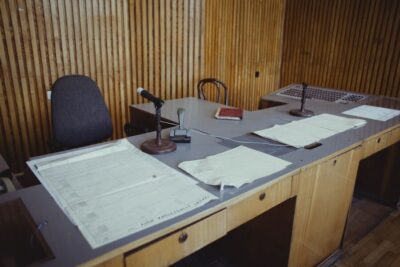
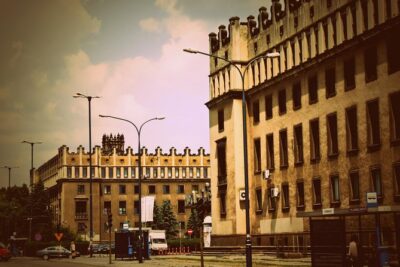
Nowa Huta: Steelworks Administration Buildings/Shelters Tour
Read our review →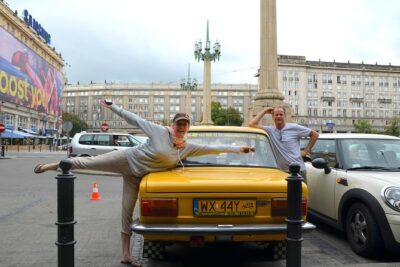
Private Tour: Warsaw’s Communist History by Retro Fiat
Read our review →
Private Nowa Huta Adventure Tour in Communist Cars
Read our review →

Browse the lists this tour appears in