
Reviewed · JEWISH HERITAGE TOURS
Lodz: Jewish Heritage Private Tour
Łódź has a way of making the Jewish story feel both specific and unnervingly close to the present. This private tour strings together key places that map the shift from a huge prewar Jewish community to the horrors of the Holocaust, then brings you back to everyday city life. You get a clear route, a guided narrative, and stops that are powerful without turning into a checkbox exercise.
I really like two things here. I love the way the route follows real landmarks, starting with what happened at Radegast station, then moving through the ghetto landscape. I also like the balance between memory and city identity, especially when the tour reaches the renovated industrial world of Israel Poznanski and ends with a walk on Piotrkowska Street.
One consideration: entrances are not included, and some sites may be outside-focused depending on what you want to see up close. If you care about going into particular places, ask your guide early in the day so you can budget and plan.
Key Things That Make This Łódź Jewish Heritage Tour Worth It
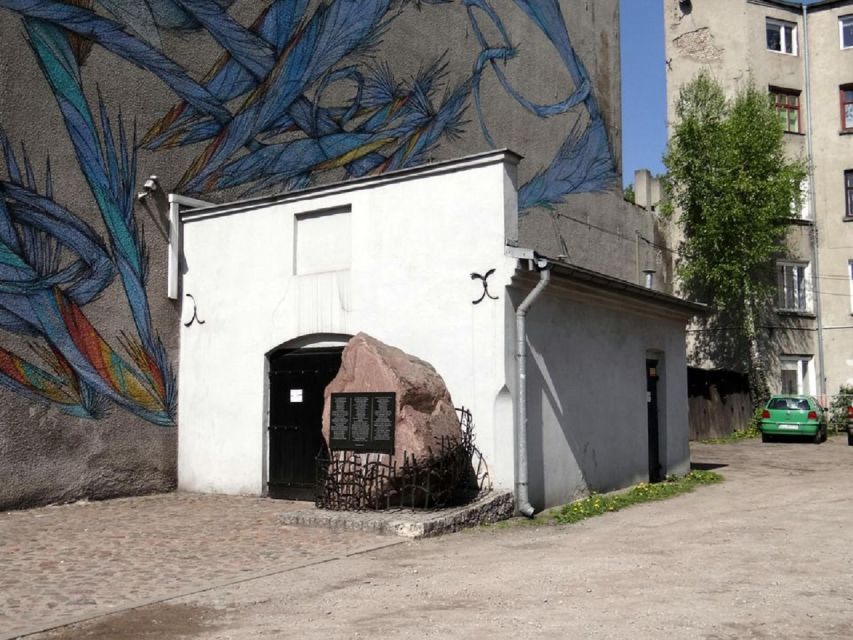
- Radegast station as the final rail point for deportations from western Europe and provincial ghettos
- Litzmannstadt ghetto area with context that connects dates, policies, and daily life
- The Jewish cemetery, the largest Jewish necropolis in Poland, where the scale hits you fast
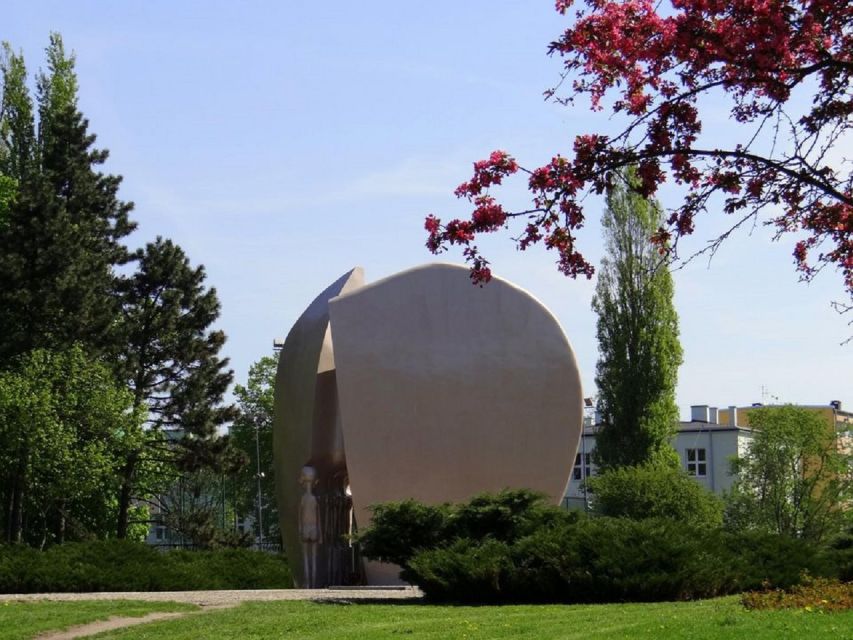
- Children’s Martyrdom Monument (Broken Heart) in Przemysłowa Street area memorial space
- Survivors’ Park and 600+ memory trees, a lived-in kind of remembrance
- Manufaktura and Israel Poznanski’s factories, linking industry, identity, and what survived
Why Łódź’s Jewish Story Works So Well With a Private Guide
Łódź was one of Poland’s biggest Jewish centers. Before World War II, more than 200,000 Jews lived here, and they made up as many as one third of the city’s population. That kind of scale changes how you understand the city, because you stop seeing it as just Polish, just industrial, or just modern.
With a guide, you also get the missing connections. The same streets that look ordinary today can hold a backstory you would not guess on your own. I like that the tour gives you a trail of Jewish monuments and then explains how those places fit into real lives, not just names on plaques.
More Jewish Heritage Tours in Lodz:
- Krakow: Schindler’s Factory & Ghetto Guided Tour
★ 4.7 · 1,694 reviews - Krakow: Jewish Quarter and Former Ghetto Tour
★ 4.9 · 1,441 reviews - Krakow: Bike Tour of Old Town, Jewish Quarter and the Ghetto
★ 4.9 · 1,155 reviews
Hotel Pickup, Private Pace, and How Four Hours Plays Out
This is a fully private sightseeing experience, which means the guide meets you at your hotel lobby by name and tailors the flow to your group. The tour lasts about 4 hours, with hotel pickup and drop-off and transportation included.
That time window is important. You get enough hours to cover the main emotional anchors, plus the city backstory and the postwar pulse, without feeling like you’re running from one distant stop to the next. It is a tight schedule, but it stays coherent because the sites sit in a logical order from deportation history, to ghetto experience, to memorial landscape, then forward into surviving architecture and the modern city.
Radegast Station, Deportations, and the Logic of the Holocaust Timeline
One of the most instructive stops is Radegast station. This is described as the final point where trains carried Jews from western European countries as well as people from provincial ghettos in Wartheland. Even if you know the Holocaust happened, the wording matters, because it makes the system feel planned and mechanical, not random.
Your guide’s job here is to put the pieces in order: who was deported, where they were held, and how transport routes connected different parts of Europe to Łódź. In a place like this, a good explanation helps you avoid two common traps: either treating everything like one big “tragedy,” or trying to treat it like trivia.
If you are the type who likes to read carefully, ask your guide what to look for in the setting. You may also get prompts to pay attention to what is written on ghetto walls when such inscriptions are visible. Those details often carry the emotion and language of the present moment, not just the past.
The Litzmannstadt Ghetto Area: Where History Becomes Street-Level
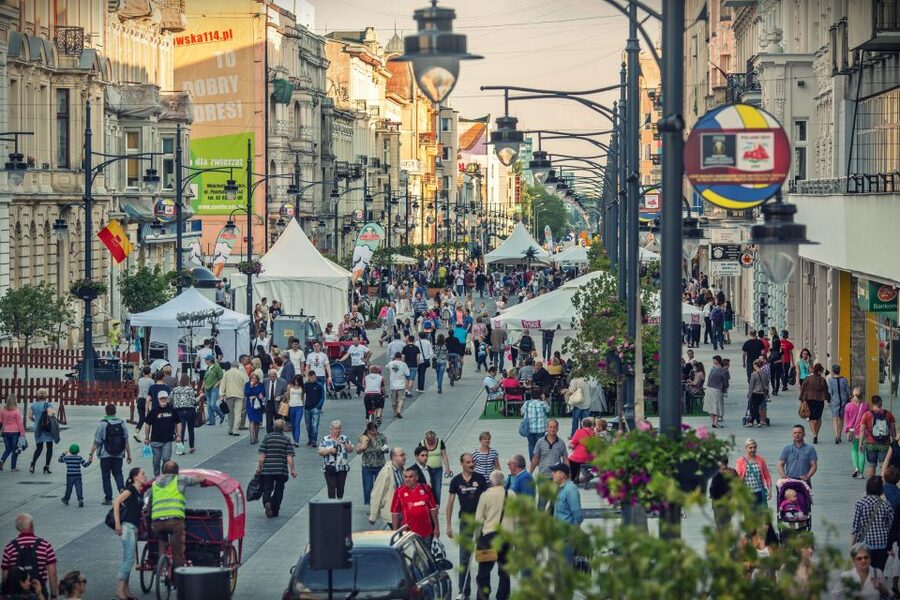
Next comes the area of the Litzmannstadt ghetto, where you learn about the history of Holocaust incarceration in Łódź. This is where the walking matters. Standing in a real neighborhood lets you understand how confinement did not happen in a vacuum. It happened inside a city, with boundaries, routes, and daily interruptions.
I like that this portion is not only about dates. It is about how the ghetto changed life around it, and how the surrounding city functioned during the period when people were trapped and controlled. If you want to understand what the word ghetto meant in practice, you get a much better feel for it on foot than from a photo.
Because the subject is heavy, you will want to pace yourself. If your group needs a moment, say so. A private format makes it easier for your guide to slow down at memorial stops rather than rushing to the next photo spot.
More Historical Tours in Lodz:
- Gdansk: City Cruise on Historical Polish Boat
★ 4.8 · 2,913 reviews - Warsaw: POLIN Museum of the History of Polish Jews Ticket
★ 4.7 · 1,142 reviews
Jewish Cemetery: When the Scale Becomes the Story

Then you go to the Jewish cemetery, described as the largest Jewish necropolis in Poland. Cemeteries can be hard to photograph in a meaningful way, but they are easier to understand when you hear what you are looking at. The scale here is the point. Thousands upon thousands of lives are recorded in a physical space, not just in documents.
The tour includes time to see the cemetery as part of this route. One practical note: if you care about going into the cemetery itself rather than only seeing it from outside, confirm expectations during the day. Some guides will naturally spend time on the grounds, but your best move is to ask, so you do not lose the chance if access is possible.
This is also one of those stops where a guide’s tone matters. You are not there to be entertained. You are there to learn, reflect, and connect. I found the cemetery moment pairs well with the rest of the route, because it shifts you from the forced erasures of deportation to a record of identity that survived in stone.
Children’s Martyrdom Monument and the Broken Heart Memory Place
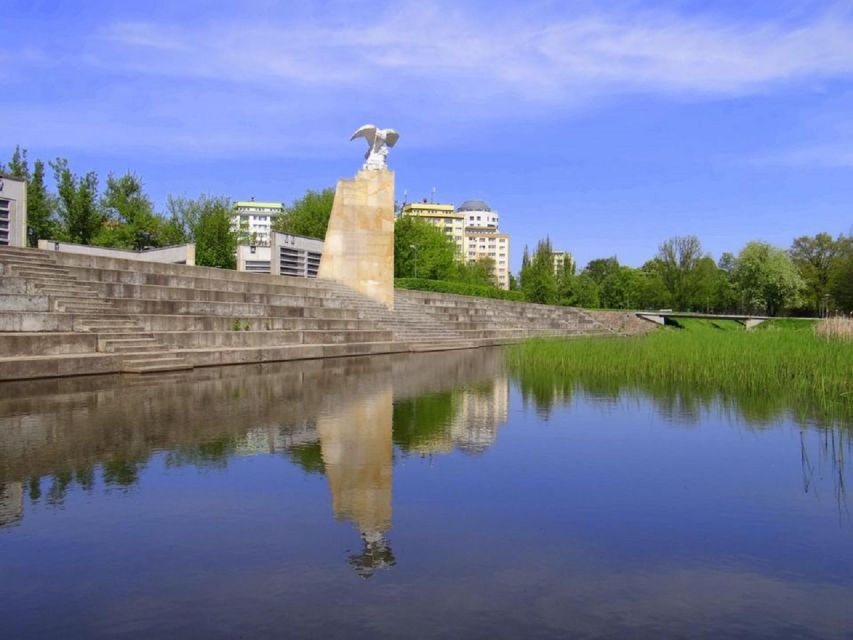
Another standout is the Children’s Martyrdom Monument, also known as the monument of the Broken Heart, dedicated to Polish children who died or were murdered while imprisoned in the camp in Przemysłowa Street. This memorial is not a vague symbol. It is tied to a specific cruelty and a specific location.
Your guide should help you understand what the memorial is communicating, and why this choice of subject matters in a city so often discussed through factories and ghetto history. Children get erased twice: once by violence, and again if the broader narrative skips the human detail.
Take a few minutes here and do not rush. If you are traveling with family, this is not an easy stop, but it is an important one because it puts faces to the statistics. Even if you prefer to keep moving, stop long enough to read what you can and let it land.
Survivors’ Park, Liquidation Remembrance, and the 600+ Memory Trees
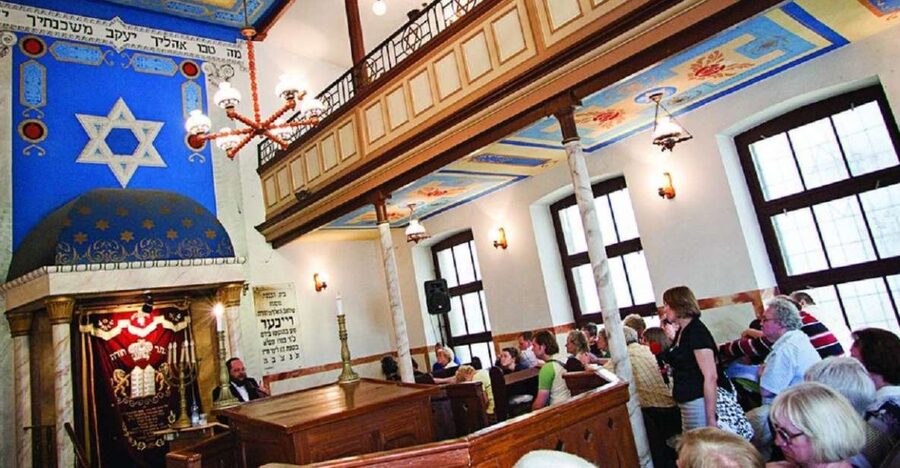
At Survivors’ Park, you commemorate the liquidation of the ghetto. This is also where you stop under over 600 memory trees planted by people who survived the Litzmannstadt Ghetto. That number is the kind of fact that stays with you, because it is not an abstract “many survivors.” It is visible, countable, and planted in the living present.
I like this stop because it changes the emotional texture. You go from monuments to something more like a living archive. The trees do not replace the memorial history, but they show how survivors chose to keep memory rooted rather than leave it only in stone.
Your guide can help you think about why survivors might plant trees. It is an answer to the question, how do you carry a past that tried to erase you, while still moving forward?
Reicher Synagogue: A Surviving Prewar Shell, Now Used as a Salt Warehouse
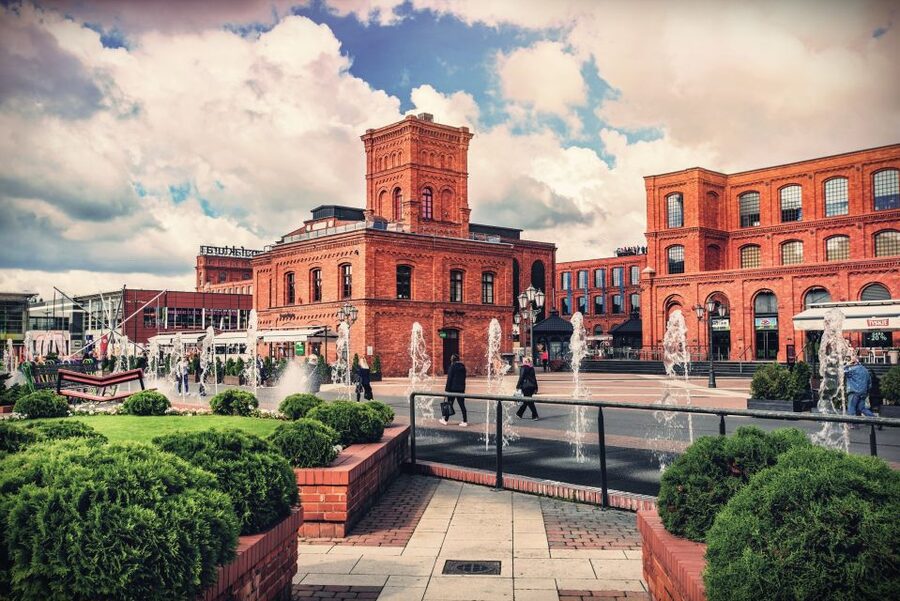
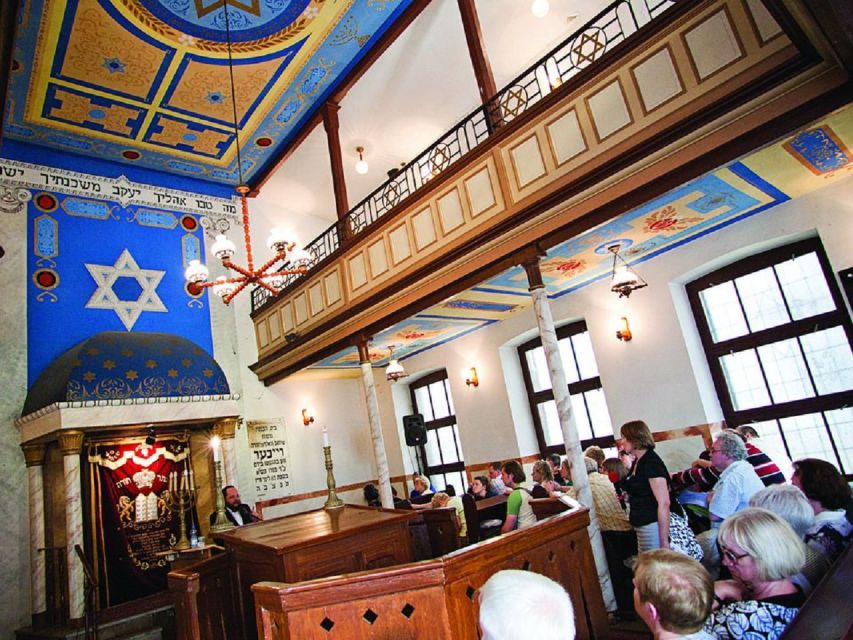
The tour also includes the Reicher synagogue, described as the only remaining pre-war synagogue. At some point during occupation, it was used as a salt warehouse, which is a startling transformation.
This stop is fascinating for a practical reason. You can see how survival does not always mean preservation in a romantic sense. Buildings can live through history in altered forms, and each new use adds another layer of meaning. A guide can explain the timeline and why this structure still matters even with its altered function.
If you are the kind of person who cares about architecture as evidence, this is a good place to slow down. Ask questions about what changes you notice and what stayed the same. Even without going into details beyond what is provided on the ground, the concept of a synagogue repurposed as storage makes the past feel immediate.
Manufaktura, Israel Poznanski’s Factories, and a City That Kept Building
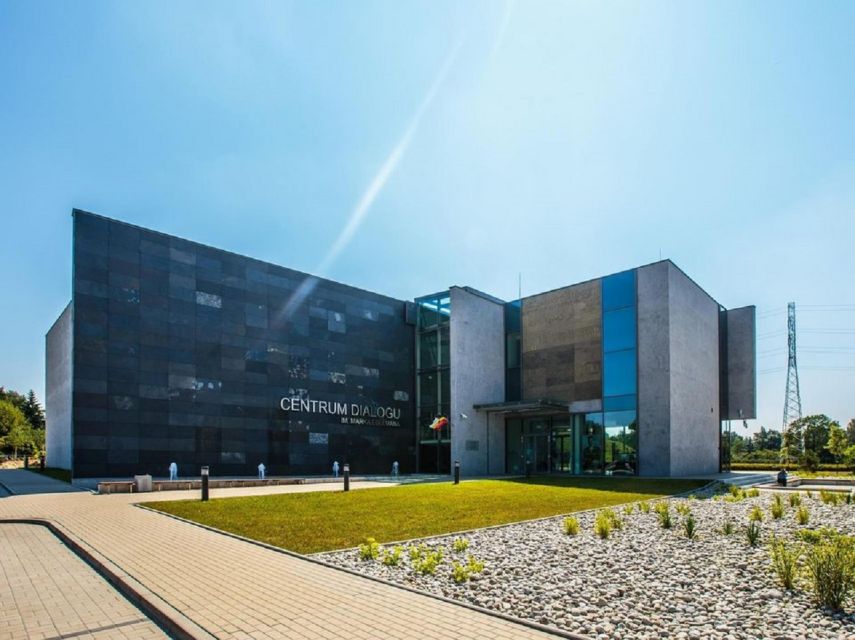
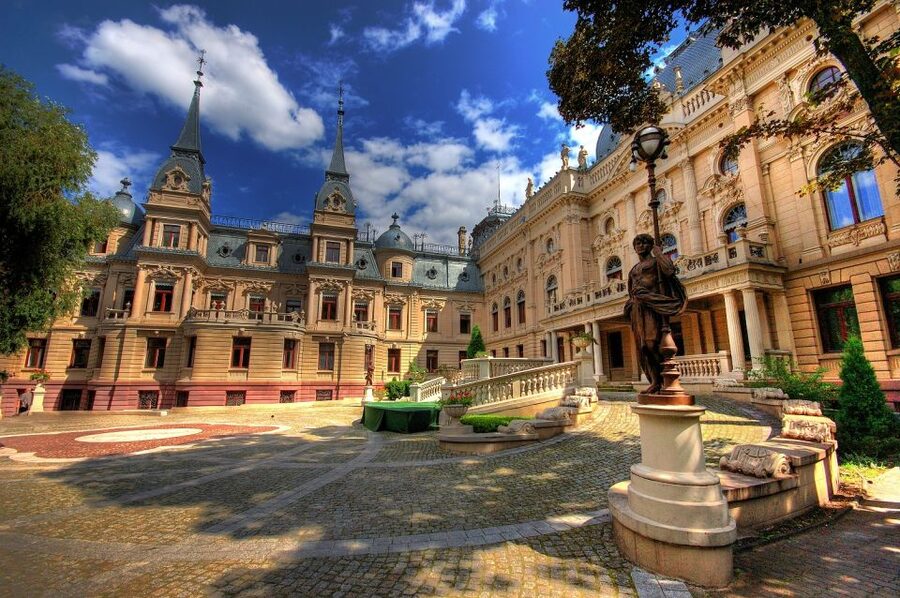
Then you reach Manufaktura, the renovated industrial complex that belonged to Jewish businessman Israel Poznanski. The tour describes an open-air plaza surrounded by large brick buildings, plus the longest stretch of fountains in Europe.
This is a different emotional register, and that is exactly why it matters. You are not trying to sweep away history by walking into a modern shopping complex. Instead, you are seeing how the industrial engine of Łódź was tied to Jewish entrepreneurs, and how the city redeveloped physical spaces that once had another purpose.
For me, the key value of this part is understanding context. If you only see the bricks and fountains, you miss the human story of who financed, built, and worked in that world. With a guide, you get the connection between the industrial setting and the Jewish community that once shaped the city’s identity.
Piotrkowska Street: The Long Promenade Finale and Your Next-Day Ideas
The tour finishes with a walk on Piotrkowska Street, described as Poland’s longest promenade. This is one of the easiest places to keep enjoying the city after the tour, because shops, pubs, restaurants, and sculptures fill the avenue.
Your guide also helps you think beyond this half-day format. You learn what else you can discover on your own, which is a great way to turn one structured morning or afternoon into a longer trip plan. I like that this ending feels like you get your bearings fast. After heavy history, you need a place where the city’s normal rhythm shows up again.
If you want to extend the experience, look for the sculptures and points tied to famous inhabitants of Łódź, since the tour frames what those markers mean.
Price and Value: Is $46 Worth It for Four Hours in Łódź?
At $46 per person for a 4-hour private tour with hotel pickup and drop-off, transportation, and a live guide, the value is solid. What you are really paying for is not just walking between sites. You are paying for someone to connect prewar life, ghetto imprisonment, deportations, memorials, and surviving architecture into one readable story.
The biggest cost caveat is practical, not price-based: entrances are not included. That means your true spend depends on what you want to go into. If you are comfortable focusing on key exteriors and memorial spaces, you might keep costs predictable. If you want more inside access, budget a little extra.
Given the emotional weight of the itinerary, I also think a private guide is worth it. You can ask questions at the moment you need them, and you can pause when your group wants a slower pace.
Who Should Book This Tour, and Who Might Want Something Different
This tour is a great fit if you:
- Want a structured route through major Jewish heritage and Holocaust-related sites in Łódź
- Prefer private pacing so you can ask questions without a group pressure
- Like history explained in context, not just read aloud from signs
- Want both solemn memorials and surviving architecture like Reicher synagogue and Manufaktura
It may feel like too much if you are looking for a lighter, purely scenic walk. This is serious material, including memorials for children and the machinery of deportation. Still, if you can handle heavy topics with respect, the day is also carefully arranged so you are not stuck in one emotional mode the whole time.
Also, if language matters, the tour is offered in English, German, Russian, and Polish, which helps you get full meaning instead of partial impressions.
Should You Book the Łódź Jewish Heritage Private Tour?
Yes, if you want a route that connects places to people and moves past simple facts. This tour is strong because it stays focused on the landmarks that make Łódź’s Jewish story legible, from Radegast station to the Jewish cemetery, then into memorial spaces like Survivors’ Park with the memory trees, and finally into the city’s surviving architecture at Reicher synagogue and Manufaktura.
I would book it especially if you appreciate a guide who can tailor the day. People connected with the tour, such as guides named Marek, Krys, and Krzysztof, are described as attentive, flexible, and able to add context beyond the obvious stops, including the wider city picture. That matters here, because the best part of the day is understanding why these sites are where they are, and what they meant then, not just what they look like now.
FAQ
Where does the tour start?
Your guide meets you at your hotel lobby with your name, then you head out on the private sightseeing route.
How long is the Łódź Jewish Heritage Private Tour?
The tour lasts about 4 hours.
Is this a private tour?
Yes, it is a private group experience.
What is included in the price?
Hotel pickup and drop-off, transportation, and a live guide are included.
Are entrance fees included?
No, entrances are not included.
What languages are available for the live guide?
The tour is offered with live guides in English, German, Russian, and Polish.
Fresh Lodz reviews
- Half-Day Chelmno Kulmhof Concentration Camp Private Tour★ 4.5 · 3 reviews
- Lodz Old Town Manufaktura Highlights Private Walking Tour★ 5.0 · 3 reviews
- Luxury airport transfer from Lodz to Warszawa Chopin Airport★ 5.0 · 6 reviews
- Lodz: Private City Walking Tour★ 4.2 · 10 reviews
- Lodz Old Town Manufaktura Highlights Private Walking Tour★ 4.9 · 12 reviews
Jewish Heritage Tours, compared.
Bike Tour of Old Town, Jewish Quarter and the Ghetto
Read our review →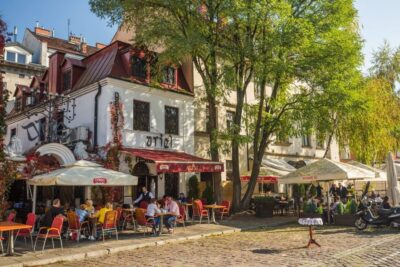
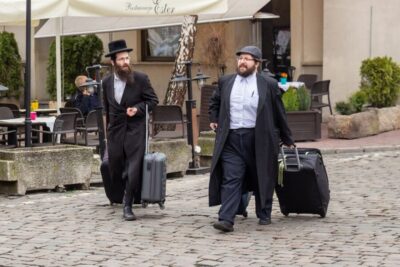
Kazimierz, Schindler’s Factory & Ghetto Guided Tour
Read our review →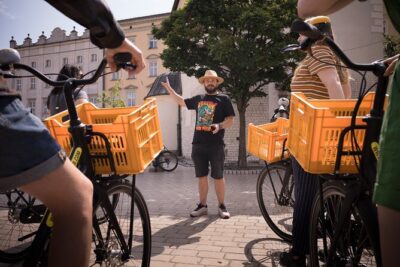
Full Bike Tour – the Old Town, Jewish Qtr & the Ghetto NEW BIKES
Read our review →
Warsaw Ghetto Private Walking Tour with Hotel Pickup
Read our review →
Browse the lists this tour appears in