
Reviewed · JEWISH HERITAGE TOURS
Krakow: Jewish Ghetto Walking Tour
This is one of Kraków’s most moving walks because you’re not just looking at a monument, you’re moving through the actual streets of Podgórze, the district where the Jewish Ghetto took shape. A good guide makes the past feel specific, not abstract, and I like how this tour pairs visible remnants with real human stories. When I think about the best moments, I remember guides like Olga and Aga tying together daily life, deportations, and survival in a way that lands.
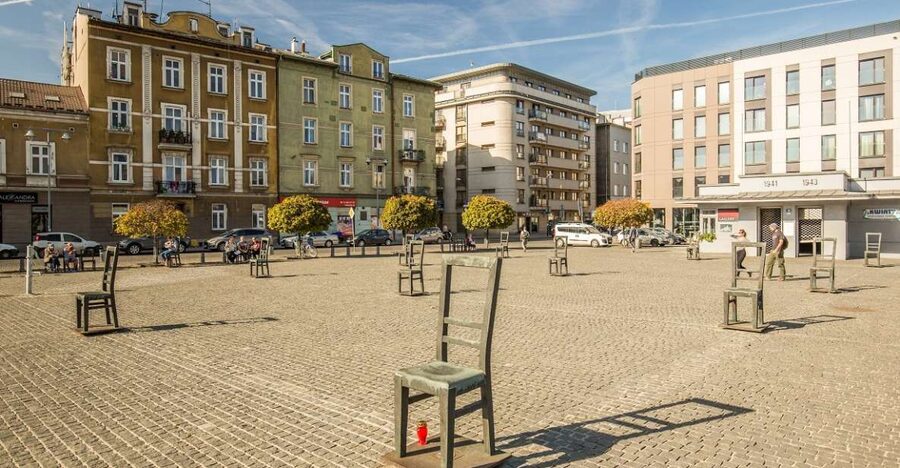
Two things I really like: the stop at Ghetto Heroes Square with the empty chair memorial, and the inclusion of the Under the Eagle Pharmacy story, including Tadeusz Pankiewicz and his staff risking their lives to help people. The walk is short, but it’s not skimpy on meaning.
One consideration: it is only 1 hour, so there’s a lot packed in, and some parts of the setting are weathered or hard to see clearly on foot. Also, you need to arrive on time, because latecomers can’t join once the group leaves.
Ghetto Walking Tour: What You Really See in 1 Hour
Podgórze streets that made the ghetto real
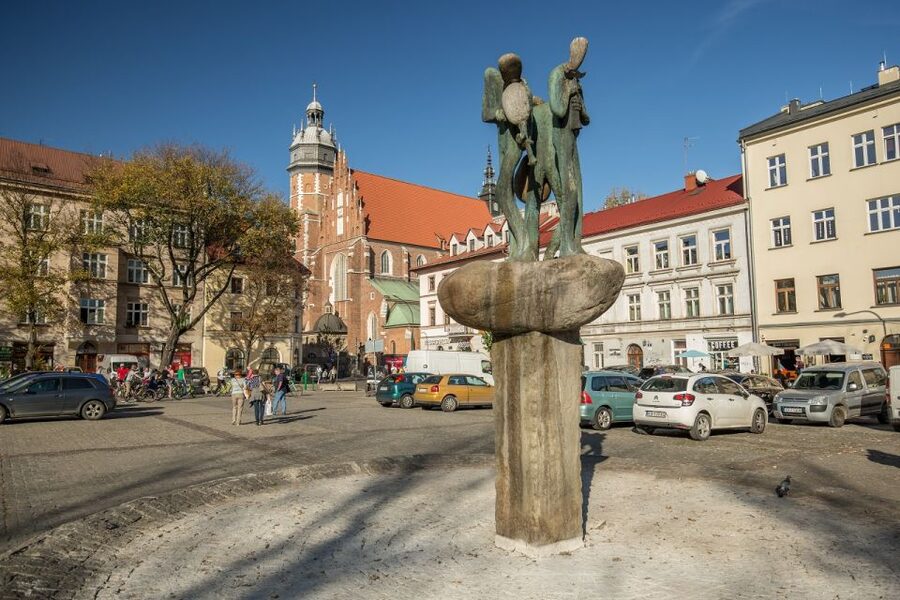
You start in Podgórze, the part of Kraków that became the ghetto area during WWII. Even if the neighborhood looks calm now, your guide will help you “read” the streets and imagine how ordinary movement became controlled movement.
More Jewish Heritage Tours in Krakow
- Krakow: Schindler’s Factory & Ghetto Guided Tour
★ 4.7 · 1,694 reviews - Krakow: Jewish Quarter and Former Ghetto Tour
★ 4.9 · 1,441 reviews - Krakow: Bike Tour of Old Town, Jewish Quarter and the Ghetto
★ 4.9 · 1,155 reviews
Remains of the original ghetto wall
You’ll walk to surviving fragments of the ghetto wall, one of the few visible traces still standing. It’s a powerful reminder that confinement was not a theory, it was brick and boundary and daily reality.
Ghetto Heroes Square and the chair memorial
At Ghetto Heroes Square, the memorial’s dozens of empty metal chairs do the job of a hard-to-say truth. Each chair represents lives lost, and the emptiness is the point, it forces you to slow down.
Under the Eagle Pharmacy and the help that counted
Across the square is the historic Under the Eagle Pharmacy, tied to Tadeusz Pankiewicz and his staff. The story focuses on medicine and shelter, and it shows bravery that was practical, not abstract.
More Walking Tours in Krakow
- Old Town Krakow & Wawel Castle Walking Tour
★ 5.0 · 1,508 reviews - Creepy Krakow: 2-Hour City Walking Tour
★ 4.7 · 1,131 reviews - Krakow: The Old Town Walking Tour
★ 4.8 · 794 reviews - Krakow: Kazimierz Jewish Quarter Walking Tour
★ 4.8 · 571 reviews
A tight route with a steady pace
This is a short walk. You’ll cover key places without lingering forever, so if you like long, slow museum-style time, you may want to pair this with extra stop-and-read time afterward.
Guides who keep the story human
The strongest feedback I see again and again is how guides handle the material with care. Names that come up include Olga, Aga, Joanna, Ewa, Helen, Phil, Kris, Krzysztof, and Anna, and the shared thread is sensitivity plus clear explanations.
Starting in Podgórze: Where Daily Life Became Controlled Life
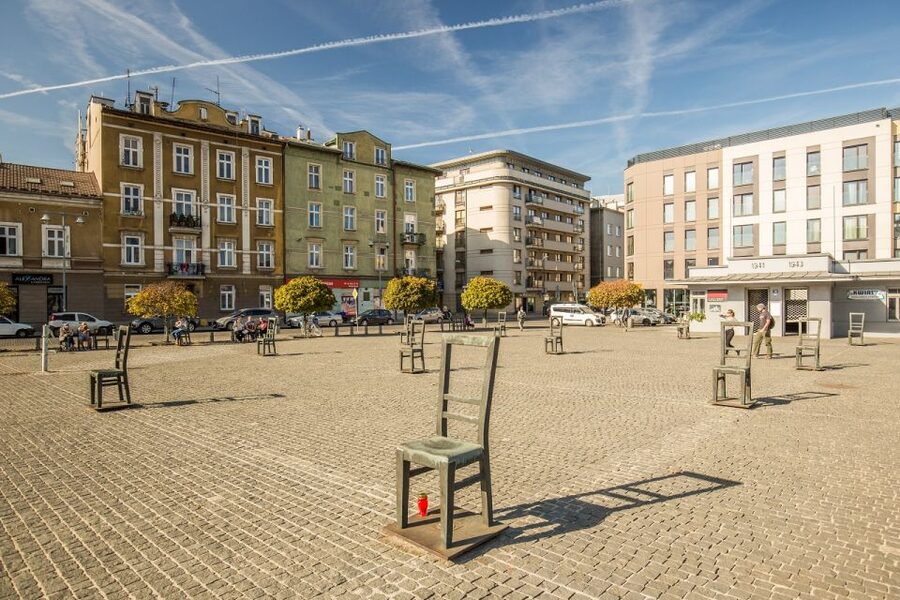
Your tour begins in Podgórze, in the WWII-era setting where the ghetto was established. The lesson here is simple but heavy: boundaries change behavior fast. In a place like Kraków, the quiet streets can trick your brain, and a good guide keeps you from gliding past details.
You’ll hear about daily life inside the ghetto walls, plus what changed as deportations unfolded. This isn’t a war history lecture delivered from afar. It’s more like your guide turns the city into a map of decisions, fear, and survival.
If you’re coming in after other WWII sites, you’ll feel the continuity. One guide story even points out how this tour can fit well after a Schindler’s Factory visit, because both experiences sit in the same broader web of Nazi occupation and Kraków’s choices under pressure.
Practical tip: bring a camera only if you can use it respectfully. This kind of site asks for attention first, photos second.
Following the Boundary: The Ghetto Wall Remains
Next you move to the remains of the ghetto wall. It’s one of the most sobering stops on the route because the physical structure still matters. When you stand near the surviving fragments, the concept of enclosure stops being a word and becomes a space that shaped every plan, route, and conversation.
You’ll also get context about the scale of the ghetto, including that over 15,000 people were enclosed within a few city blocks. That number can sit in your head as a statistic, but near the wall, it feels more like pressure.
A small drawback is also real here: some settings do not look dramatic at a glance. There just isn’t much left of the original buildings, and the wall remnants are fragments, not a fully intact enclosure. That’s exactly why having a guide helps. Without context, you might miss what you’re standing next to.
Ghetto Heroes Square and the Empty Chairs Memorial
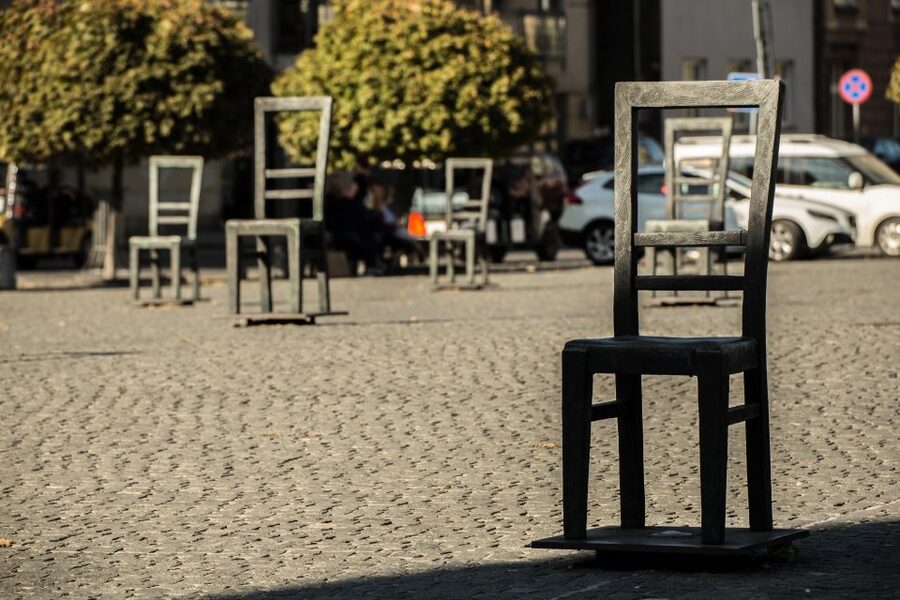
Ghetto Heroes Square is the emotional center of the walk. Historically it was a gathering place for deportations to concentration camps. Today it’s a memorial space filled with dozens of empty metal chairs, each one symbolizing lives lost.
What makes this stop hit hardest is how it changes your perspective. You’re not only learning about the Holocaust, you’re being asked to picture people who had names and routines and families. The chairs are silent, but the symbolism is loud.
Expect a moment where the group slows down and your guide focuses on meaning rather than facts. Some guides also weave in how the memorial is designed to help you reflect, not just observe.
If you’re worried about getting the emotional weight too fast, this is one of the best places to meet it early rather than waiting until the end. In an hour-long format, you want the heavy stop to land when you’re mentally ready.
Under the Eagle Pharmacy: Stories of Tadeusz Pankiewicz
Across the square is the historic Under the Eagle Pharmacy, connected to Tadeusz Pankiewicz and his staff. The focus here is on bravery through action: they risked their lives to help ghetto residents with medicine and shelter.
This stop adds something that many war narratives miss. It shows that resistance wasn’t always dramatic and loud. Sometimes it was a person doing the right thing at dangerous cost, one patient, one hiding place, one day at a time.
In some cases, you might find the pharmacy area closed for the day, depending on scheduling or conditions. When that happens, you may have more explanation than on-site viewing, so keep your expectations flexible.
Either way, the story still matters, because it turns a site name into a human network. You’re not just walking past a building, you’re learning why the building matters.
The WWII Thread: Daily Life, Deportations, and Survival
Throughout the route, your guide will connect three big themes. First is daily life, how people tried to function under impossible conditions. Second is deportations, how the ghetto was used as part of the Nazi machine. Third is survival, including how people endured, resisted in different ways, and faced choices with limited options.
A number of guides are praised for doing this with clarity and compassion. Names like Aga and Ewa, plus guides including Joanna and Helen, come up because they shape the story with sensitivity, without rushing past the horror.
Some guides also make connections between then and now, often in a way that encourages moral reflection. If that’s your style of learning, you’ll probably appreciate it. If you prefer strictly historical framing with no modern links, you can still get the facts and the physical context here.
Also, because this is a walking tour, you’ll feel the rhythm of the story in your body. Walking slows your brain down. That’s often the difference between hearing history and actually absorbing it.
Why the Route Works: Timing, Pace, and Comfort
The duration is 1 hour, so you’re looking at a focused, moving itinerary. One reason this tour gets such consistent praise is that guides often keep a pace that stays understandable even for slower walkers. In winter conditions especially, they may create small comfort moments while you’re waiting.
Here’s what to plan for: you’ll be standing and walking, and you should wear comfortable shoes. The tour runs in all weather, rain or shine, so check conditions and dress for the day.
Sound matters too. Some people report using headsets or ear-mic style hearing aids so you can hear the guide as you walk. If you’re sensitive to cold or wind, that setup can be a real help because your attention should stay on the story.
Finally, don’t underestimate how much history can fit into 60 minutes. It’s not long, but the places are dense with meaning. If you like time to process, give yourself a breather afterward, maybe a coffee break nearby.
Price and Value: What $11 Buys You Here
At about $11 per person, this is strong value for a licensed, expert-led experience. The key isn’t the price alone. It’s what’s included: a guide who can interpret the street layout, explain what the remains represent, and connect visible sites to what happened inside the ghetto.
You’re also getting a compact route, which matters in a city where other sites can take half a day or more. If you’re balancing Auschwitz and other heavy visits, this offers a different kind of understanding, one tied to everyday geography and specific locations in Kraków.
Food and drink are not included, so budget for your own water and snacks. Since the tour can run in cold conditions, I like to bring a small bottle of water and something quick to eat after, so you don’t feel drained before your next stop.
A final value angle: this tour is a good “context builder.” It helps you interpret what you’ll see elsewhere, because you learn how ghetto life and deportation logistics worked in the real city.
Who Should Book, and Who Might Skip
This tour is a great fit if you want:
- A guided understanding of Kraków’s Jewish Ghetto sites, using what’s still visible today
- A structured story in 1 hour, without needing a full day
- A memorial-focused stop at Ghetto Heroes Square and a building-based story at Under the Eagle Pharmacy
I’d be slightly more cautious if:
- You need a lot of quiet time for reading or personal reflection, because the schedule is tight
- You prefer to tour only when sites are open for viewing, since some parts might not be accessible on certain days
- You’re emotionally sensitive and trying to pace your WWII experiences, because the themes are intense and fairly direct
For many people, this tour pairs well with other Kraków history stops. It can also serve as a first step before deeper memorial visits, because it helps you understand the ghetto as a lived place, not only a label.
Should You Book This Kraków Jewish Ghetto Walk?
Book it if you want a short, respectful, and highly guided way to understand the ghetto’s physical reality in Podgórze. The combination of ghetto wall remains, Ghetto Heroes Square chair memorial, and the Under the Eagle Pharmacy story gives you both the geometry of confinement and the human stories of help and survival.
Skip it or swap for something else only if you feel you need longer time on-site, or you’re not ready for the emotional weight that comes with deportation and loss being named clearly. If you do book, come on time, wear comfortable shoes, and plan to process afterward. This is the kind of walk that stays with you because it connects street corners to real decisions made under cruelty.
Fresh Krakow reviews
- Czestochowa Black Madonna Private Day Tour from Krakow★ 5.0 · 18 reviews
- Zakopane PRIVATE TOUR from Krakow★ 5.0 · 18 reviews
- Krakow City Pass – Museums, Atractions & City Transport★ 4.0 · 18 reviews
- Chopin Candlelight Concert with Wine in Krakow★ 5.0 · 18 reviews
- Krakow: Garden of Lights Pinocchio Entry Ticket★ 4.7 · 18 reviews
- Half-Day Wieliczka Salt Mine Tour from Krakow★ 5.0 · 18 reviews
- Auschwitz Birkenau Memorial and Museum group tour from Krakow★ 5.0 · 18 reviews
- Krakow: Schindler’s Factory & Ghetto Guided Tour★ 5.0 · 18 reviews
Jewish Heritage Tours, compared.
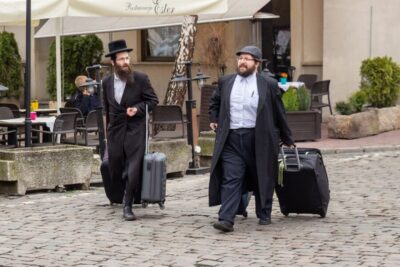
Bike Tour of Old Town, Jewish Quarter and the Ghetto
Read our review →
Kazimierz, Schindler’s Factory & Ghetto Guided Tour
Read our review →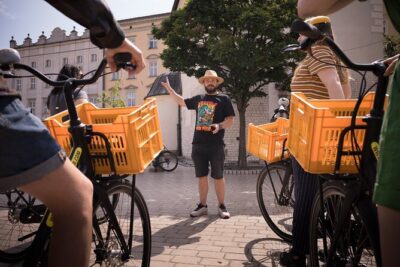
Full Bike Tour – the Old Town, Jewish Qtr & the Ghetto NEW BIKES
Read our review →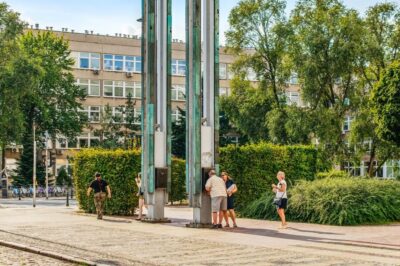
Warsaw Ghetto Private Walking Tour with Hotel Pickup
Read our review →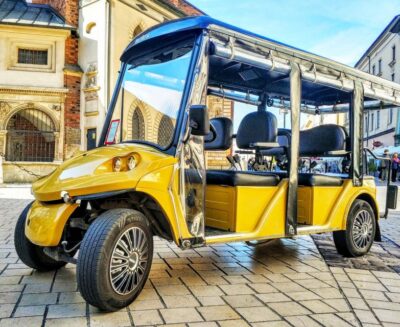
Jewish Quarter and Ghetto Electric Golf Cart Tour
Read our review →Browse the lists this tour appears in