
Reviewed · CYCLING TOURS
Sopot Private City Walking or Bike Tour with a local architect
Sopot is a small city that somehow feels layered, like it keeps changing outfits every few decades. This private walking or bike tour with a local architect brings those shifts to life with historical pictures as you move street to street, from the old sea road to spa landmarks and grand hotel glamour.
I love how the focus stays practical, not just pretty views. You get guided stops tied to specific places and stories, plus the tour keeps admission simple, since several buildings are free to enter. I also like that the guide approach is built for real questions, not a lecture that steamrolls your pace.
One thing to consider: the route includes the Sopot Lighthouse steps, and even with a good guide, climbing down and up can feel tiring if you are not used to stairs or if weather is windy.
Key points that make this Sopot tour worth your time
- Local architect storytelling that connects building style to why Sopot became a spa destination
- Historical photos along the route to show how the center changed over centuries
- Spa-era architecture focus in areas people usually rush through
- Chopin and art connections at stops like Dworek Sierakowskich and the Dahlberg circle
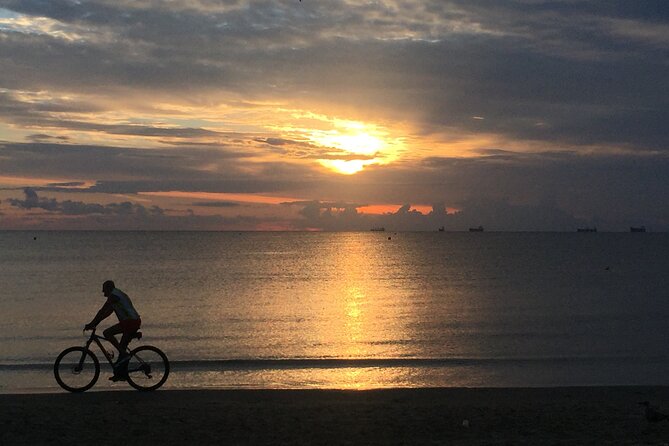
- Beach grand-hotel stop at Sofitel Grand Sopot, plus classic boardwalk views
- Lighthouse included with the choice to handle the steps or just enjoy the idea of them
Why a private architect tour works so well in Sopot
In a town like Sopot, group tours can feel like a blur. A private format fixes that. This is priced per group for up to 9 people, and it runs about 1 hour 30 minutes to 2 hours, which is long enough to see a real arc of the city, but short enough that you can still have energy for pier time or coffee afterward.
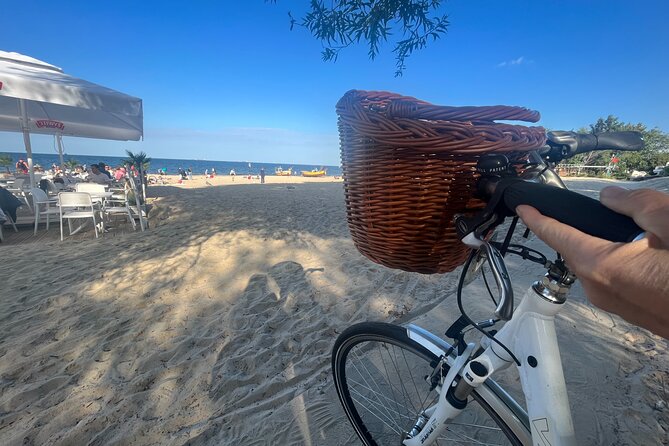
You also have flexibility. The experience is offered as a walking or bike tour, and the stops are spread so you are not constantly doubling back. Pickup is offered, and it is near public transportation, which matters if you are bouncing between Gdansk and Sopot.
The language is English, and the guide uses clear, approachable explanations. One of the strongest themes from the guide style is the ability to explain architecture without turning it into an exam. If you care about design, style changes, and why a building looks the way it does, this kind of tour is a good fit.
More City Tours in Gdansk
- Gdansk: City Cruise on Historical Polish Boat
★ 4.8 · 2,913 reviews - Gdańsk City Sights & History Guided Walking Tour in English
★ 4.8 · 876 reviews - Gdansk: Shared or Private City Tour Sightseeing by Golf Cart
★ 4.9 · 754 reviews
From Bohaterow Monte Cassino: the old sea road you can still walk
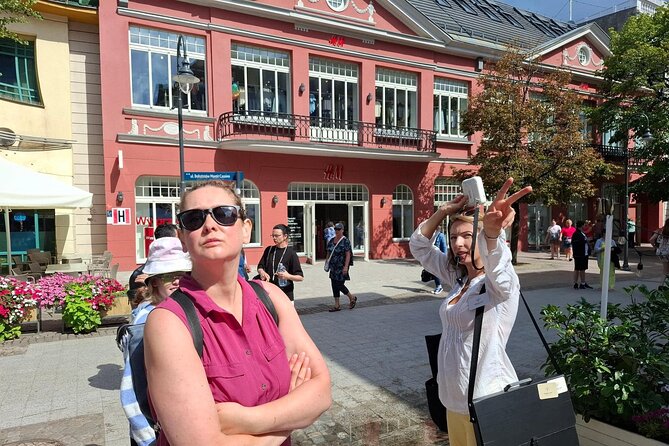
The tour starts on Bohaterow Monte Cassino, famous as the first pedestrian street in Poland. Standing there now, it is easy to see it as just a pleasant city street, but the story is more specific. In earlier times, it was the main road to the sea, and the fishermen from the smaller village of Sopot used it to reach the water.
This stop is where the tour’s method really clicks. You are shown historical pictures so you can compare then and now. That is not just decoration. It trains your eyes for what to notice later, like how villa lines grew, how the street character shifted, and how spa-era money and prestige changed the built environment.
Since this is a pedestrian street, it is also a low-stress warmup. You can get oriented fast, listen, and start enjoying Sopot without needing to burn energy right away.
Dworek Sierakowskich: calm gardens, and a Chopin hint
Next comes Dworek Sierakowskich, an 18th century building tied to an older manor-house world. It was used as a guest house, and the experience here leans into authenticity, not stage sets. You get a feel for the interior character, plus the presence of a back garden where the pace naturally slows.
The most memorable hook is the Chopin connection. There is a bust of Fryderyk Chopin, and the guide will point to the idea that he likely stayed here on holiday and played piano. Even if you are not a deep classical-music person, this kind of local tie adds weight. It makes the building feel lived-in, not simply preserved.
The main drawback is also simple: this is a small detour atmosphere-wise. If you want every stop to be dramatic and view-heavy, this one is more about quiet character and detail.
Villas Street and Poland’s Montmartre era
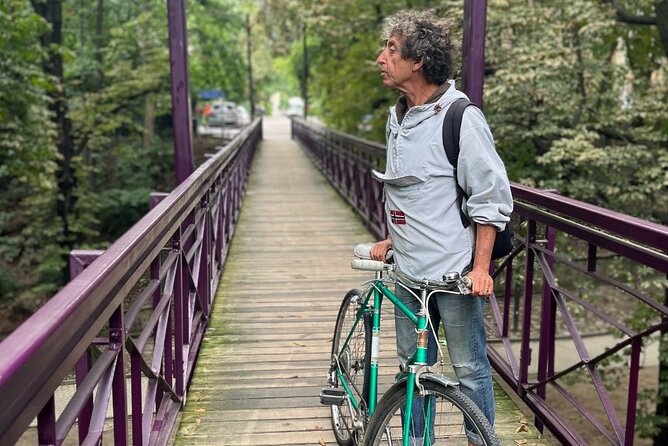
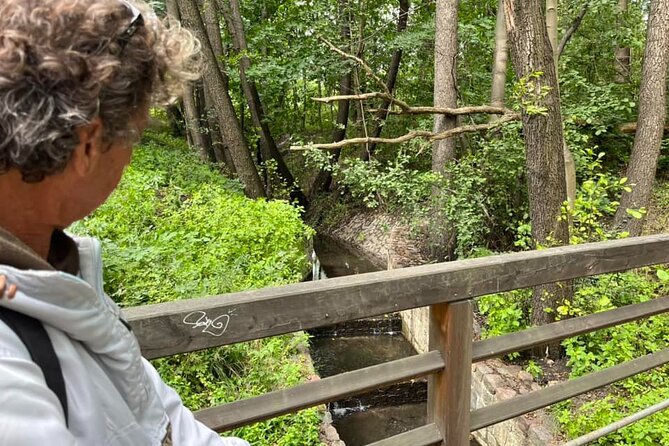
After a picturesque bridge over a deep ravine, you reach the street once known as Villas Street. The tour frames it as a place to study classical architecture up close. The oldest house you will see here dates to 1881, and that is a helpful marker. It gives you a time anchor while you look at proportions, facades, and that late-19th century vibe that Sopot does so well.
There is also a twist. In the second part of the 20th century, the street earned a nickname: Poland’s Montmartre. That kind of comparison tells you how creative and social life shaped the area, not just how money shaped buildings. It is the sort of story that makes the street feel less like an architectural museum and more like a community with its own culture.
The practical note: bridges and ravines can mean stairs or uneven footing depending on how the group moves. If you are on a walking day, wear stable shoes and be ready for a few steps.
More Walking Tours in Gdansk
- Main Town Gdańsk Walking Tour
★ 5.0 · 644 reviews - Discover Gdansk Walking Tour
★ 5.0 · 495 reviews - Gdańsk: Old Town Private Walking Tour with Legends and Facts
★ 4.9 · 245 reviews - Gdansk Old Town 2-Hour Walking Tour
★ 4.5 · 94 reviews
Goyki 3 Art Inkubator: a villa with an Alpine-style puzzle
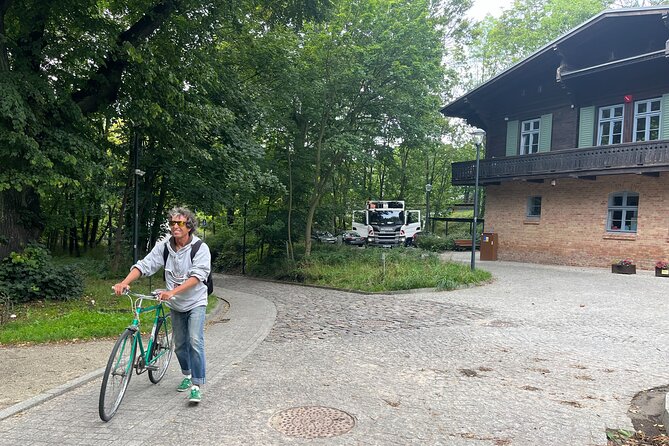
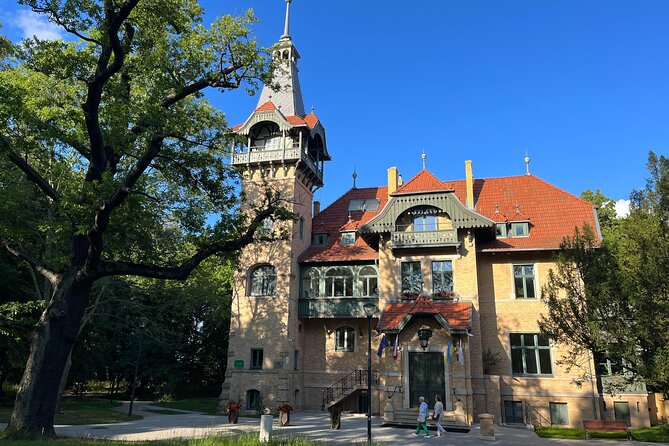
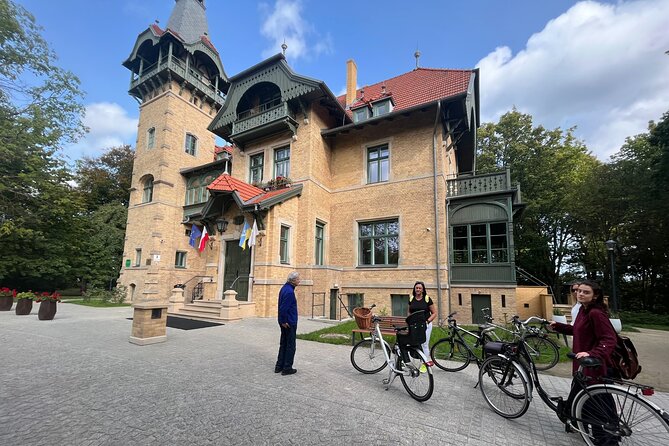
One of the biggest villas on the route is the one tied to Goyki 3 Art Inkubator. Here, the focus moves from street patterns to the identity of a specific building. The structure is late 19th century, and the story includes the Tower Villa element.
The tour explains that the villa was built by a merchant for his family, and it comes with a long, rather sad story that the guide accompanies with a musical tone. That pairing matters. It is how you go from facts to feeling, so you do not just memorize dates.
What I like most is the architectural question the stop raises: why does the building reference an Alpine Resort style when it is far from the Alps, in a seaside resort instead of a mountain one? That is exactly the kind of curiosity an architect can answer. The tour uses the broader European spa trend to make the style make sense.
If you are thinking about booking, this is a great stop for you if you like when design details have a “why,” not just a name.
Sopot spa architecture: the area where the city becomes a design story
Right after Goyki 3, you start walking through the part of town where Sopot is often described as having the richest complex of spa architecture in Europe. Even if you do not care about superlatives, the real point is what you can see. The city’s spa buildings and related spaces create a distinct look, one that feels planned for long stays, promenades, and public life.
The tour connects it to a European spa trend that started in the 18th century. That context helps you understand why Sopot did not just build a hotel and call it a day. It developed an architectural mood suited to health culture and leisure.
This is also the neighborhood where you can spot a creative personal story tied to the city: Per Oscar Gustav Dahlberg. The guide points out that Dahlberg, a Swedish artist, decided to move to Sopot in 1996 after falling for the place. There is an option to stop by his house and studio, and there may be chance to buy items like graphics or an album presenting Sopot and Gdańsk architecture.
And yes, there is a famous Sopot design surprise linked to him: the crooked house, inspired by Dahlberg’s drawings. If you have heard of it but never understood the artist connection, this part of the walk gives you the chain of meaning.
A gentle caution: this section is detail-heavy. If you prefer big views over architectural nuance, keep your expectations calibrated. For most design lovers, though, it is the heart of the tour.
Jan Jerzy Haffner and the softer signs of wealth in the parks
The tour then moves to the Jan Jerzy Haffner Monument. This stop is short, but it is packed. The guide explains Haffner as the town’s “godfather,” including that he had been a surgeon in Napoleon’s army and later chose Sopot as a place to live before the area became widely known.
Even if you do not know the person, the story creates an emotional geography. You start looking at Sopot as a place someone decided on early, when it was not yet fashionable. That changes how you interpret later landmarks.
From there, the tour ties the setting together by referencing what Sopot seems to include naturally: tennis courts, tree-filled parks, and sandy beaches. It is a reminder that spa culture and seaside leisure often grew in the same direction, shaping not only buildings but also the way public space feels.
Sofitel Grand Sopot: grand beachfront hotel energy, explained
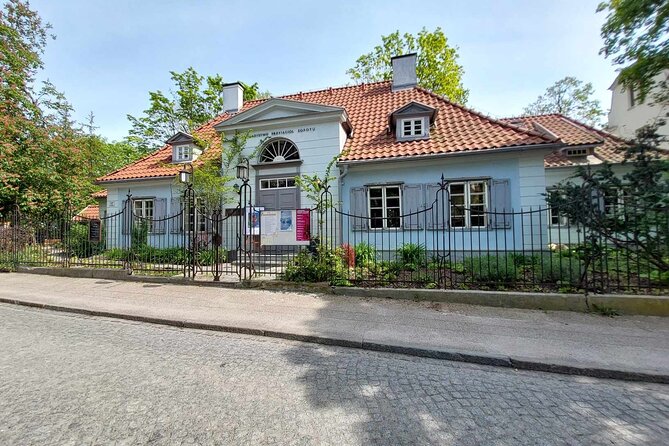
Next is Sofitel Grand Sopot, the classic beachside grand hotel. The guide frames it as a major investment made in the 1920s, with Sopot itself pushing the idea forward as the city aimed to become something bigger than a local resort.
This stop is where you see how a city markets itself. Grand hotels are not just places to stay, they are symbols. They signal what kinds of visitors the city wants, and they influence how the surrounding architecture and public areas develop.
Since this is a structured stop, you will not only look. You will hear stories tied to the splendor of the place. That makes it easier to read the building as more than a pretty facade.
If you are visiting in a season when the beach is active, this stop also helps you connect the architectural glamour with the seaside reality. You can understand how the city sold the idea of a North Riviera long before most people could picture it.
Skwer Kuracyjny and the Changing Rooms by 1905
Skwer Kuracyjny is a plaza created in 1925, and it has the kind of space that makes old photos feel relevant. Again, historical images are part of the storytelling, this time showing Sopot when it was well known all over Europe as the Riviera of the North.
This is one of those stops where you can notice how public life was designed into the city. A plaza is not neutral. It is a statement about where people should gather, stroll, and spend time.
From there, the tour ends next to the Changing Rooms built in 1905, plus the area connected to small fishermen’s houses that were gently relocated in the same year. That relocation detail adds a thoughtful note. It shows the human cost and adjustment that often comes with resort development.
The tour also passes the famous pier. The guide will explain it, so you are set up to visit it after the tour. That is a smart way to build momentum without dragging you through too much at once.
Sopot Lighthouse: worth it, and yes, the steps matter
The Sopot Lighthouse stop is included, but you get a choice in how you handle it. Walking the steps might be tiring, and the guide gives you the option to decide. The view, though, is the payoff, so it is usually the kind of stop where you can weigh your energy against the reward.
Even if you skip climbing, the lighthouse area is still a strong ending idea. It gives you a clear sense of place in Sopot, where the coast is always part of the story.
If you do climb, go slow. Take breaks. This is not a sprint moment, it is a reward moment.
Price and value: what $204.04 per group really buys you
At $204.04 per group for up to 9 people, the value depends on how you travel. If you are coming as a couple, the per-person cost is often quite reasonable compared to paying separately for separate guides. If you are coming as a small group, it can be a smart way to get real expertise without paying for extra people.
You are also buying the structure of an expert route. The tour includes historical pictures, a licensed guide, and includes lighthouse admission, while most other stops are free to enter. That matters because resort towns often lure you into paid museums when you might not want that.
Also, the guide encourages separate museum visits if you want them. In other words, you are not forced into ticket lines. You can stay focused on the streets, villas, spa architecture, and the specific design stories that make Sopot feel different.
Who should book this Sopot private architect walk
This tour is a good match if you like:
- Architecture and urban design, especially spa-era styling and villa streets
- City history that connects to real buildings, like the sea road origins and the 1920s resort push
- People who enjoy walking at a calm pace with room for questions
- Anyone who wants a focused route instead of random wandering around Sopot
It is also a solid choice for families and friends who can handle a walk around key points. The tour states most people can participate, and it allows service animals.
Should you book this Sopot private architect tour?
If you want Sopot to feel more than postcard photos, I think this one is worth booking. The blend of design explanations, historical pictures, and specific places like Dworek Sierakowskich, Skwer Kuracyjny, and the spa architecture zone gives you a coherent story.
I would only hesitate if you hate stairs or you prefer pure scenic sightseeing over architectural context. If the lighthouse steps sound like a dealbreaker, you can still enjoy the rest of the route and choose how you want to handle that final section.
FAQ
How long is the Sopot private city walking or bike tour?
It runs about 1 hour 30 minutes to 2 hours.
What is the maximum group size for this private tour?
The tour is private for your group, up to 9 people.
Where does the tour start?
It starts at Restauracja McDonald’s, Bohaterów Monte Cassino 21, 81-706 Sopot, Poland.
Is pickup available?
Yes, pickup is offered.
What language is the tour offered in?
The tour is offered in English.
What is included in the tour price?
The tour includes historical pictures to show how the center of Sopot has changed over the centuries, plus a licensed guide. Admission is noted as free for several stops, and lighthouse admission is included.
Does the tour include the pier and the lighthouse?
The pier is passed by during the tour, and the Sopot Lighthouse is included.
Will the lighthouse stop be physically tiring?
Walking on the lighthouse steps might be tiring, but the guide says you can decide whether to do it.
Can I cancel and get a full refund?
Free cancellation is available up to 24 hours in advance for a full refund.
Are service animals allowed?
Yes, service animals are allowed. The tour also notes it is near public transportation and most people can participate.
More Bike Tours in Gdansk
- Gdańsk: Highlights Bike Tour
★ 4.9 · 173 reviews - Gdansk Private Bike Tour
★ 5.0 · 36 reviews - Gdansk Private Bike Tour
★ 5.0 · 21 reviews - Complete Cracow Bike Tour (small group of maximum 15 people!)
★ 5.0 · 1,322 reviews
Fresh Gdansk reviews
- Electric Scooter Tour: Old Town Tour – 1,5-Hour of Magic!★ 5.0 · 19 reviews
- Gdańsk Shore Excursion: Private Gdańsk, Sopot & Gdynia Tour★ 5.0 · 20 reviews
- First Time in Gdańsk? Private Tour of Old Gdańsk’s Highlights★ 5.0 · 20 reviews
- Malbork Castle Tour: 6-Hour Private Tour to The Largest Castle in The World★ 5.0 · 21 reviews
- Private Transfer Gdansk City Center to Gdansk Airport (GDN)★ 5.0 · 21 reviews
- Gdansk: No limit beer City Tour By Golf cart★ 4.9 · 22 reviews
- Elblag Canal Tour from Gdansk★ 4.5 · 22 reviews
- Stutthof Concentration Camp Regular Tour from Gdansk★ 5.0 · 23 reviews
Cycling Tours, compared.
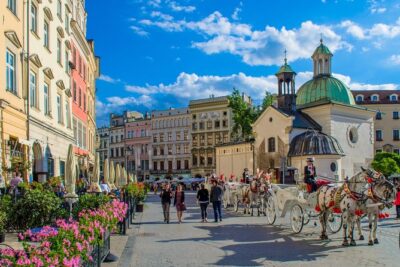
Complete Cracow Bike Tour (small group of maximum 15 people!)
Read our review →
Bike Tour of Old Town, Jewish Quarter and the Ghetto
Read our review →


Full Bike Tour – the Old Town, Jewish Qtr & the Ghetto NEW BIKES
Read our review →
Half-Day Warsaw City Sightseeing Bike Tour for Small Group
Read our review →
Browse the lists this tour appears in