
Reviewed · SCHINDLER'S FACTORY TOURS
Schindler’s Factory Small-Group Guided Tour
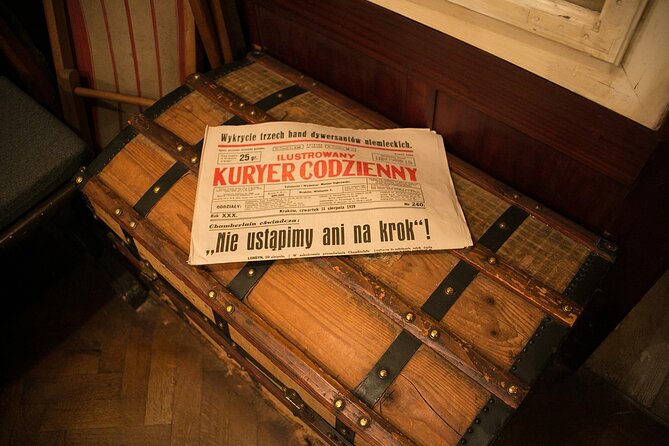
This tour is interesting because it treats Schindlers Enamel Factory as a whole story route through occupied Krakow, 1939-1945. You move from setting to setting, from everyday places to the ghetto maze and onward toward Płaszów, with modern audio-visual scenes helping you connect the dots. Occupied Krakow and a small-group approach make it feel more guided than self-paced.
I like how the exhibition turns huge events into specific rooms and moments, so you are not just seeing big names and dates. I also like that you get help from a professional guide who explains what you are looking at and how it fits together.
One possible drawback to plan for: this is not a tour that focuses mainly on Schindler as a personality or on factory machines and workshop life. If you came expecting a more hands-on look at equipment and workers, the emphasis can feel more like the broader story of life under Nazi occupation.
Key highlights to look for
- A guided route through occupied Krakow, not a generic museum walk
- Multimedia rooms that make history feel immediate without being vague
- A city-to-ghetto-to-Płaszów flow that helps you understand sequence
- Classic interactive elements, including a photoplasticon and a tram segment
- Small group size capped at 25 people, so questions are realistic
Schindlers Enamel Factory in Krakow, why this tour feels like more than a museum visit
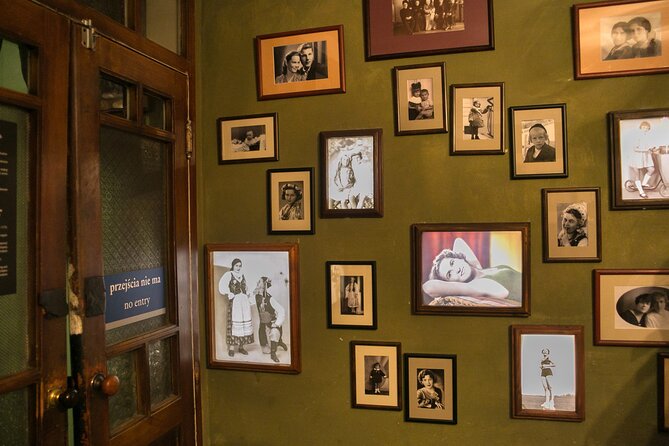
Schindlers Enamel Factory in Krakow is one of those places that visitors line up for a reason. The exhibition is housed in the former administrative building tied to the enamel factory site, and the storyline is built around what occupied Krakow was like for Polish and Jewish residents. Instead of centering on a single hero, it looks at the occupation system and how ordinary life changed under it.
What makes this tour work especially well is that you are not left alone to interpret everything. You are walked through the exhibition with a guide who helps translate the layout and the themes. For many people, that is the difference between seeing rooms and truly understanding the path from daily life toward confinement and deportation.
The museum’s main exhibition title is Kraków under Nazi Occupation 1939-1945. It is specifically described as not being a biographical museum, even though Schindler’s fate is widely known through popular culture. Here, that connection is contextual, not the entire point.
More of Schindler's Factory and wartime Krakow:
- Krakow: Schindler’s Factory Ticket and Guided Tour Option
★ 4.3 · 4,306 reviews - Krakow: Schindler’s Factory Tour with Entrance Ticket
★ 4.5 · 3,182 reviews - Krakow: Schindler’s Factory Skip-the-Line Ticket
★ 4.4 · 3,105 reviews
Your 90 minutes, what you actually experience from start to finish
The tour is about 1 hour 30 minutes, and it returns you to the starting point. In real life, it can run closer to 2 hours depending on pace and questions, but the planned structure is a compact, guided circuit. You meet at Lipowa 4, 32-051 Kraków, and the experience ends back there.
You should expect a guided walk that follows the exhibition’s logic. You enter the world of occupied Krakow, then you move through different recreated spaces. These are not random displays. They act like chapters, and the guide helps you follow why each chapter matters.
You also should notice the group size. With a maximum of 25 people, the tour feels manageable, and you have better odds of hearing explanations clearly and asking practical questions. For a museum that deals with heavy material, that pacing and clarity really matter.
Stop 1 at Lipowa 4, Kraków under Nazi Occupation 1939-1945
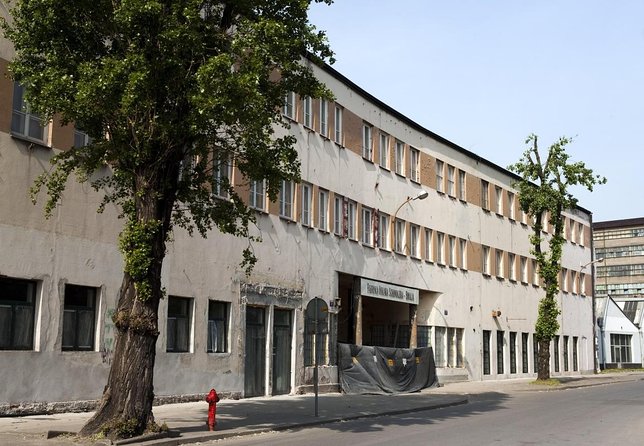
Your main stop is Fabryka Emalia Oskara Schindlera on 4 Lipowa street. The factory museum is part of the Historical Museum of Krakow, and the guided tour focuses on the exhibition Kraków under Nazi Occupation 1939-1945.
Here is what you can expect once you are inside. The exhibition is built to take you into occupied Krakow through a chain of scenes. You will not just stand in front of one timeline panel and call it done.
Instead, you go through a sequence of spaces that represent different parts of city life and control. That includes entering recreated locations such as a hairdresser and a photographer. There is also an authentic photoplasticon, which is one of those details that makes the experience feel more grounded and less like a generic presentation.
Hairdresser, photographer, and photoplasticon, the small spaces that carry big meaning
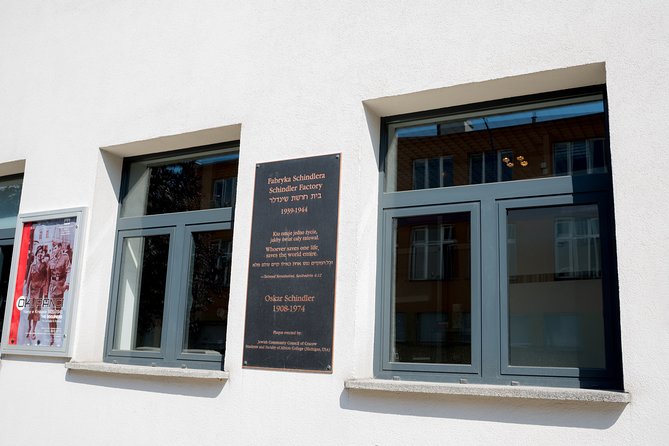
The hairdresser and photographer stops might sound ordinary, but that is exactly the point. Occupation did not only change laws. It changed routine. By placing you in these everyday settings, the exhibition helps you feel how quickly life can shrink into smaller and smaller options.
The photoplasticon is especially worth paying attention to. The term can sound abstract until you see what it does in context. Here, it functions as an artifact tied to how people were processed and documented, and that makes the transition from city life to persecution more than a topic sentence.
At this stage, a good guide makes a difference. You are not just looking at rooms. You are learning what role each space plays in the story, and how to read the exhibits as evidence rather than as set dressing.
More to book in Krakow:
- From Krakow: Auschwitz-Birkenau Guided Tour & Hotel Pickup
★ 4.5 · 33,358 reviews - From Krakow: Auschwitz-Birkenau Guided Tour & Hotel Pickup
★ 4.5 · 29,340 reviews - Krakow: Auschwitz Guided Tour with Optional Hotel Pickup
★ 4.5 · 15,280 reviews - Krakow: Wieliczka Salt Mine Tour with Entry Ticket
★ 4.6 · 10,927 reviews
The tram segment, using film to make the city feel alive
One of the most interesting parts of the route is the tram experience. You get on a tram and look through the windows as a film about the life of the city plays.
This is a clever storytelling device because it shifts you from static rooms into movement and viewpoint. Instead of reading and standing still, you are positioned as if you are traveling through the city. That helps you understand the physical geography of the story, not just the political one.
It also helps with pacing. After heavier indoor scenes, the tram segment can feel like a breath, even if the content remains serious. You get to regroup and let the guide connect earlier ideas to what comes next.
The ghetto labyrinth and a Jewish apartment, learning by layout and sequence
After the city scenes, you enter a narrow labyrinth representing the ghetto area, where you can see a Jewish apartment inside the story world. This part matters because it connects architecture and survival. The cramped, confusing layout is not just a visual choice. It reinforces how confinement worked in practice.
You should take your time here. The apartment space gives you a sense of daily life, which makes the later transitions feel less like a sudden jump and more like the narrowing of possibilities over time. When you understand the everyday setting first, later scenes hit with more weight.
The guide’s role stays important. Without someone to point out what you are seeing and why it is arranged that way, a labyrinth and rooms can feel like theatrical design. With the explanation, it becomes a map of lived experience under extreme pressure.
Moving from the ghetto toward Płaszów, where the tour turns from life to fate
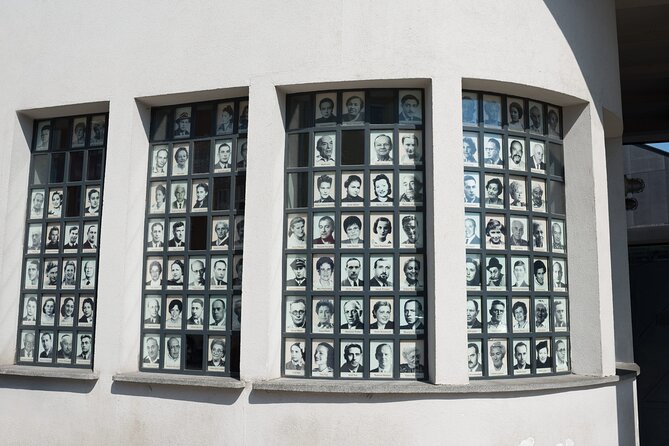
The final phase of the story route moves from the ghetto inhabitants to the camp in Płaszów. The exhibition uses modern multimedia to support the emotional and historical connection between these stages.
This is the part where your expectations matter. If you came only for Schindler-related scenes, you might feel a shift. The tour is designed to show the wider system and the fate that system produced for people in Krakow. Schindler’s story is referenced as part of the broader historical picture, but the route is not structured as a biography.
That means you will spend more time understanding occupation and persecution than you will spend admiring factory machinery. One of the clearest takeaways from firsthand impressions of this experience is that the factory setting is more about context and testimony than about a workshop museum vibe.
What you should expect to see about the factory itself
It helps to know what is real versus what is recreated. The administrative office area is described as the only original part internally, while the exterior context is also limited in what you can expect to see compared with a full industrial site. In plain terms, this is not a detailed engineering tour.
So if you are hoping for lots of machine detail and worker-focused interpretive stations, you may feel like you are watching a guided history experience that happens to be in a factory-related building. That said, the trade-off is meaningful. You are getting a structured narrative that explains occupation life and persecution with multimedia support, not just old objects.
I think that trade-off is worth it if your goal is understanding. If your goal is factory craft and industrial archaeology, you might need to pair this with other Krakow experiences that show more surviving physical industrial elements.
Why a guide is not optional here, and how to make the most of it
The best versions of this tour are guided well. The guided aspect is where you turn the exhibition from a sequence of rooms into a coherent story about time, control, and consequence.
Here is how to maximize value on the day:
- Go in expecting themes, not just facts. The guide can connect the themes across rooms.
- Ask questions when you see a term you do not fully understand. The guide’s job is to make the exhibition readable.
- Take breaks in the heavier segments. The route is emotionally intense, and you will process it better if you pause and let your brain catch up.
Because the group size is capped at 25 people, you have a real chance of getting your question answered. Still, keep questions focused so everyone gets their turn.
Price and value in Krakow, what you get for $45.38
The tour price is $45.38 per person, and it includes admission. That matters because some museum tours look cheap until you add ticket costs. Here, the ticket is part of the package, so you can plan your budget cleanly.
Duration is about 1 hour 30 minutes, so you are not losing half a day to museum logistics. In Krakow, that time can be useful if you want to fit the exhibition into a day that might include other WWII history stops.
Also note that the tour is commonly booked ahead, averaging 29 days in advance. That is a hint that you should not wait until the last moment if your schedule is tight.
Who should book this tour, and who might prefer a different approach
This is a strong fit if you want a guided entry into how occupied Krakow functioned for Polish and Jewish residents, with a clear narrative from city life to ghetto confinement and toward Płaszów. If you value explanation, modern multimedia, and a tight storyline that keeps moving, you will likely appreciate the format.
It is also a good match for people who have seen the film about Schindler and want historical context that goes beyond the movie plot. The exhibition is not a full biography, but the connection to Schindler’s story is part of how the exhibition is framed.
You might consider a different kind of tour or museum plan if you specifically want:
- a machine-focused look at factory production
- a heavy emphasis on Schindler the person
- a workshop-style look at equipment and worker routines
In short, this tour is best when you want occupation history with human-scale scenes, not when you want industrial details first.
Practical details that affect your day
The start point is Lipowa 4, 32-051 Kraków, and the experience ends back at the same meeting point. It is also noted as being near public transportation, which helps if you are combining it with other Krakow sights.
Children must be accompanied by an adult. That matters because the content is about WWII occupation and persecution, so plan for how you handle the emotional weight with family members.
If you book, confirmation is received at time of booking. Free cancellation is available up to 24 hours in advance for a full refund, so you have some flexibility if your Krakow schedule shifts.
Should you book Schindlers Factory Small-Group Guided Tour?
Book it if you want a structured, guided walkthrough of occupied Krakow 1939-1945 in a compact format that uses multimedia and recreated spaces to explain how life and persecution unfolded. The inclusion of admission and the small-group size help the experience feel efficient and approachable.
Skip or rethink it if your main goal is a traditional factory visit focused on machines, workshop processes, and worker routines. This is more about occupation history and the lived story of people in Krakow than about industrial equipment.
If your ideal Krakow day includes WWII context, a guided narrative, and a museum route that keeps you moving from room to room with clear explanations, this is a smart choice.
Fresh Krakow reviews
- Krakow Zakopane Cable Car Vodka Cheese and Hot Springs Tour★ 3.5 · 3 reviews
- Krakow Skip The Line Wawel Castle & Old Town Guided Tour★ 5.0 · 3 reviews
- Krakow: Zakopane and Thermal Pools Tour with Hotel Pickup★ 5.0 · 3 reviews
- Museo Czartorisky : Visita in Lingua Italiana salta fila…★ 3.5 · 3 reviews
- Half-Day John Paul II Route Tour from Krakow★ 5.0 · 3 reviews
- Krakow: John Paul II Home & Black Madonna Sanctuary – Guided Tour★ 5.0 · 3 reviews
- 1-Hour Tour to Krakow’s Old Town by Electric Golf Cart★ 5.0 · 3 reviews
- Auschwitz and Birkenau WITHOUT GUIDE private transport from Kraków★ 5.0 · 3 reviews
Schindler's Factory Tours, compared.
Schindler’s Factory Ticket and Guided Tour Option
Read our review →
Krakow Schindler’s Factory Guided Tour with Admission Ticket
Read our review →
Kazimierz, Schindler’s Factory & Ghetto Guided Tour
Read our review →Browse the lists this tour appears in