
Reviewed · WAWEL CASTLE TOURS
Krakow: Wawel Castle & Cathedral Guided Tour
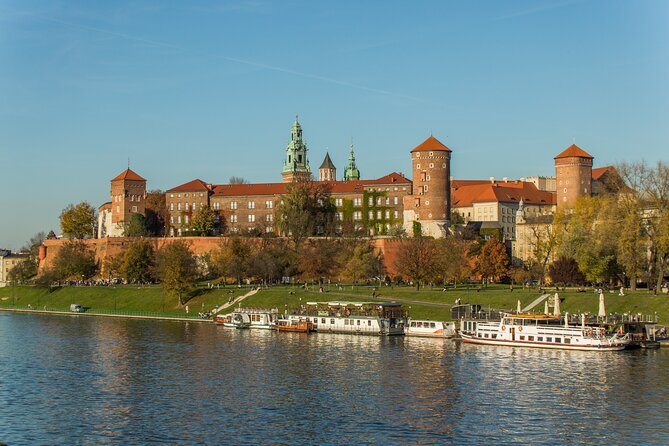
Wawel is the kind of place that does double duty. It is part palace, part church, part political memory bank for Poland. One hill, two buildings, and suddenly you understand why kings took oaths here, why crowds gathered, and why the art matters as much as the stone.
I especially love the small-group pace. Up to 30 people means you actually get time to look and ask questions, instead of shuffling past everything like you are at an airport. And I really like that admission is included, so you spend less time hunting tickets and more time inside the rooms.
One thing to consider: this tour moves fast. You will pack in a lot, from palace art to cathedral chapels and crypts, and the storytelling may feel date-heavy if you are not into monarchs. Also, there is a dress code for places of worship, and you need to arrive on time or you can miss the start.
Key highlights that make this tour worth your time
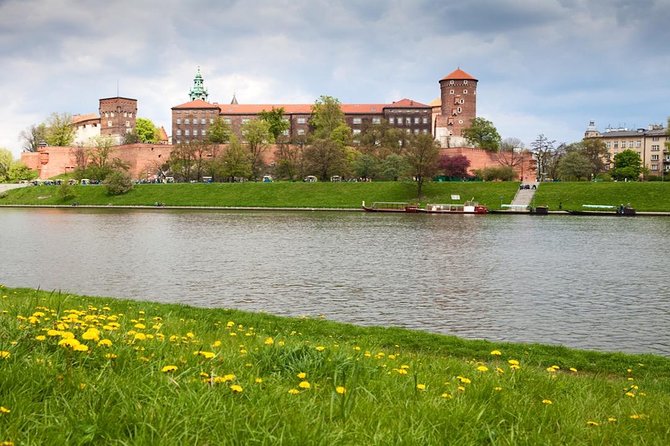
- Royal Castle rooms you can’t easily tackle alone, with Renaissance and Baroque interiors and major collections
- Flemish tapestries linked to Sigismund II Augustus, plus Italian Renaissance works from the Lanckoroński collection
- A surprising Eastern art stop, including what’s described as the largest set of Ottoman tents in Europe
- Wawel Cathedral up close, including chapels, altars, and the story-rich royal crypts
- Sigismund Bell tradition, with a tower visit and the classic good-luck touch
- Maximum group size of 30, which usually keeps the experience calmer than bigger buses
Where to start on Wawel Hill, and why 2 hours can still feel like a win
Your tour starts at Pomnik Piotra Skargiplac Świętej Marii Magdaleny, 31-044 Kraków, Poland. Important detail: the meeting point is not on Wawel Hill itself, even though Wawel is right there. That can trip people up if you head straight for the hilltop and wait.
Plan to arrive 10 minutes early. Once the group leaves, latecomers cannot join, and tickets are non-refundable. It sounds harsh, but it is normal for guided museum time slots, especially at busy Wawel. If you arrive early, you can also calm your brain, get oriented, and avoid the last-minute scramble.
This is designed as a tight 2-hour loop. That is not enough time to read every label in every room. But it is enough time to get the big picture and then return later, on your own, to the bits you love most.
More of Wawel:
- Krakow: Wawel Castle & Cathedral Guided Tour
★ 4.7 · 2,111 reviews - Old Town Krakow & Wawel Castle Walking Tour
★ 5.0 · 1,508 reviews - Krakow: Wawel Castle and Cathedral Guided Tour
★ 4.6 · 595 reviews
Wawel Royal Castle: palace rooms, serious art, and one oddball Ottoman twist
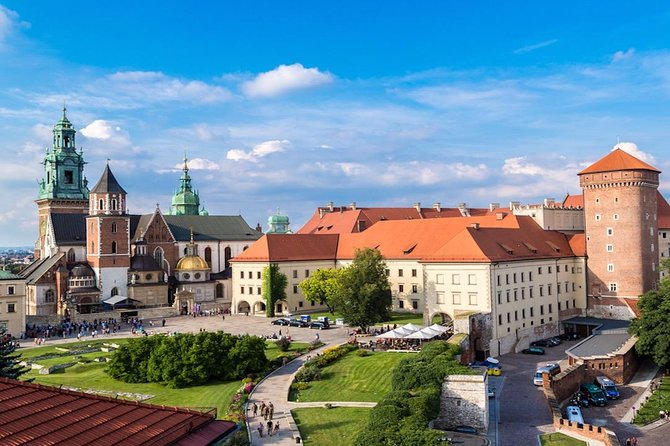
The Royal Castle stop is where Wawel shows off its role as the former residence of Polish kings. You enter a building that was transformed in 1930 into one of Poland’s major museums. That matters because you are not just seeing one era. You are walking through rooms arranged to tell a story, with art and objects that were collected, displayed, and kept as symbols of power.
Inside, you will see grand chambers with Renaissance and Baroque interiors. That means the décor is not subtle. Expect paintings, sculptures, porcelain, and military artifacts. It is the kind of mix that can feel random if you visit alone. A good guide helps you connect the dots between who owned what, why it was collected, and what it signaled.
One highlight is the mention of Flemish tapestries commissioned by King Sigismund II Augustus. Tapestries are not just decorative. In court settings, they were part insulation, part status, part messaging. When your guide points out their role, you start to see why a single textile can carry political weight.
Another standout is the Italian Renaissance masterpiece set from the Lanckoroński collection. Even if you do not know Renaissance art, the guide can give you a quick framework for what you are looking at, so you do not end up staring at a painting thinking, cool, but what am I supposed to notice?
And then there is the curveball: Eastern art, including the largest set of Ottoman tents in Europe. This is one of those details that makes Wawel feel unexpectedly global. It also helps explain how courts interacted beyond their immediate borders, using objects that were exotic to some locals and strategic to others. If you like surprises, this is your moment.
A practical tip: the castle rooms can feel like a lot in a short time. If you want to get more out of it, decide in advance what you care about most. If it is art, focus on paintings and tapestries. If it is military objects, look for how your guide links them to the monarchy. If it is history in plain terms, listen for the guide’s “why this matters” connections.
Inside Wawel Cathedral: chapels, the Sigismund Bell, and the royal crypts
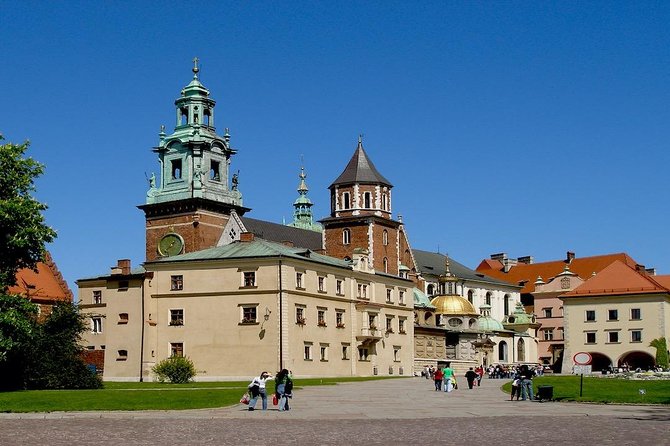
After the palace, you shift from court to faith. The Wawel Cathedral is described as a Gothic masterpiece, and it lives up to that reputation fast. This is where coronations, weddings, and funerals of Polish monarchs happened. So you are not just touring a church. You are stepping into a site of repeated national rituals.
The tour includes entering chapels and altars. The value here is guidance. Cathedrals are full of side spaces, tombs, and details that are easy to miss if you wander. With a guide, those details become a map. You learn what each area represents and how the monarchy and religion reinforced each other.
Then comes the tower visit and the Sigismund Bell. There’s a tradition that touching the bell brings good luck. Whether or not you are superstitious, it is a fun moment because it gives you a simple action in a place that otherwise feels heavy with ceremony.
Next you go down to the crypts, where kings, queens, poets, and national heroes rest. This is often the emotional core of the tour. It is one thing to hear about rulers in a book. It is another to stand near the burial places of figures tied to Poland’s identity and national narrative. Your guide’s job is to connect the names to what they did, so the crypt does not feel like a list of dates.
One consideration: crypt spaces are not huge, and the group stays together. If you need extra time near a specific tomb, keep it in mind. Ask your guide at a natural pause point, rather than trying to stop mid-flow when the group is moving.
The guide is the real product: what to look for (and who to remember)
This tour rises or falls on the guide. The best versions of this experience come from guides who can balance art and politics without making you feel like you are studying for an exam.
In the feedback I saw, Helena stood out for being described as an academic and historian, with a personal connection that made the stories land. Another name that comes up is Ana, described as passionate, engaging, and able to keep people involved at the right pace without rushing.
You might notice guides handle information differently. Some may speak fast to cover the major points in 2 hours. Others may be quieter, and if you sit further back, you may miss details. If you are hard of hearing, consider whether you can use your own support tools during tours, and if needed, ask before you start.
If you prefer dialogue over monologue, pick one question early. For example: why was something collected, or what makes Gothic architecture show up the way it does here? A good guide will adjust and give you a real answer, not just a quick sentence.
More to book in Krakow:
- From Krakow: Auschwitz-Birkenau Guided Tour & Hotel Pickup
★ 4.5 · 33,358 reviews - From Krakow: Auschwitz-Birkenau Guided Tour & Hotel Pickup
★ 4.5 · 29,340 reviews - Krakow: Auschwitz Guided Tour with Optional Hotel Pickup
★ 4.5 · 15,280 reviews - Krakow: Wieliczka Salt Mine Tour with Entry Ticket
★ 4.6 · 10,927 reviews
Small-group design and the timing trick that saves your feet
The tour is limited to a maximum of 30 travelers, and that is not just a comfort detail. It changes how the whole visit feels. You are more likely to hear clearly. Your guide can keep track of the group. You get fewer crowd bottlenecks inside rooms.
The tour runs about 2 hours, with 1 hour allocated to the castle and about 1 hour for the cathedral portion. That timing is helpful if you are sightseeing on a day with multiple stops. You still get the core highlights, and then you can choose whether to linger on your own later.
A simple planning move: wear shoes you can walk in for an extended indoor route. Even though the time is short, the sites include multiple levels and tight areas. And if the weather is bad, you will be thankful most of your time is spent indoors.
Also, remember that the tour ends at Wawel Cathedral. You will not have your guide leading you back to the original start point. That is normal, but it can help to figure out your exit plan before you start.
Price and value: is $59.26 a fair deal for Wawel?
At $59.26 per person for about 2 hours, this tour is not a bargain ticket. But it can be good value if you price it against three realities:
First, admission is included for both the castle and the cathedral. If you plan to go anyway, guided or not, the entry fees are part of the math.
Second, Wawel is a complex site. The castle has art collections that range across periods and themes, plus that Ottoman tent detail that most first-time visitors would never guess exists. The cathedral has rituals, tombs, and symbolism that can be hard to decode without context.
Third, this tour saves time in the ticket process and keeps you moving in a way that fits the museum flow. Even if you normally like self-guided touring, Wawel can be one of those places where a guide helps you avoid wandering in circles.
So my rule of thumb: if you want a structured, high-impact intro to Wawel in one go, this is a reasonable spend. If you love slow browsing and want to read everything cover to cover, you might do better with self-guided time after you get the basics elsewhere.
When it fits best: who should book this tour
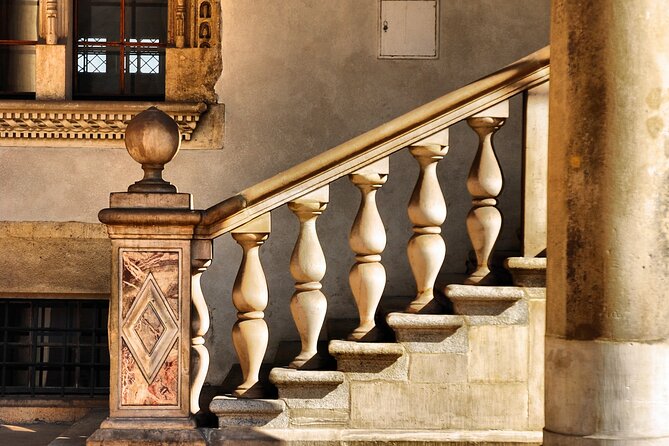
This tour fits best if you are:
- New to Krakow and want your first visit to Wawel to make sense fast
- Interested in how politics, faith, and art connect in one place
- Motivated by guided context, especially for crypt stories and palace collections
- Okay with a packed schedule and a dress-code check
It is also a nice choice if rain or cold is in the forecast, since most of your time is inside.
Quick dress code and on-time rules (so you don’t lose the day)
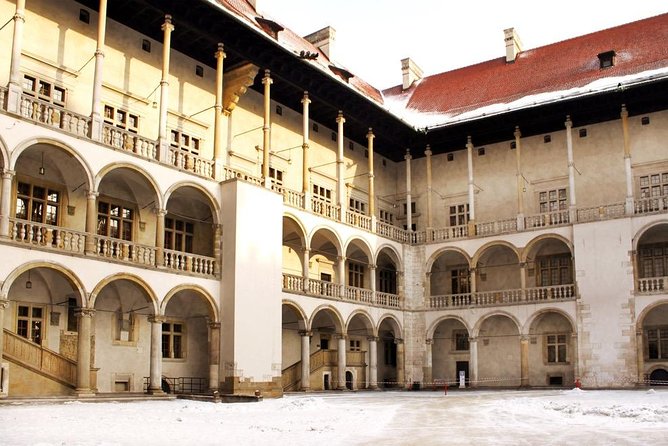
For places of worship and selected museums, shorts and sleeveless tops are not allowed. Both men and women must cover knees and shoulders. If you show up borderline, you might be turned away or forced to improvise. Bring a light layer just in case.
And arrive on time. The group leaves after a set window, and latecomers cannot join. That is a common museum rule, but here it matters because the tour time is fixed and tickets are non-refundable.
Should you book the Wawel Castle and Cathedral guided tour?
If your goal is to get a smart, efficient introduction to Wawel, I would book it. The big reasons are the included admissions, the small-group format, and the fact that Wawel is easier to understand when someone connects the art and the rituals for you.
Skip it if you want a slow, silent museum day where you can wander at your own speed and read every label with no time pressure. For that style of visit, self-guided time can be more satisfying.
If you do book, do two things that make a real difference: wear your best tour clothes that match the dress code, and decide what you want most from Wawel, art, church, or the stories in the crypts. Then ask one good question. That is how you turn a 2-hour tour into a memory that lasts longer than your photos.
FAQ
How long is the Wawel Castle and Cathedral guided tour?
It runs about 2 hours.
Is admission included for both the castle and the cathedral?
Yes. Admission tickets are included for both stops.
What language is the tour offered in?
The tour is offered in English.
How big is the group?
The maximum group size is 30 travelers.
Where does the tour start, and is it on Wawel Hill?
It starts at Pomnik Piotra Skargiplac Świętej Marii Magdaleny, 31-044 Kraków, Poland. The meeting point is not located on Wawel Hill, so follow the address on your voucher.
What should I wear since it includes a cathedral?
A dress code applies. Shorts and sleeveless tops are not allowed, and both men and women must cover knees and shoulders.
What time should I arrive?
Arrive 10 minutes before the tour begins. Once the group has departed, latecomers cannot join and tickets are non-refundable.
Does the tour include climbing the tower and seeing the Sigismund Bell?
Yes. The cathedral portion includes a climb to see the Sigismund Bell.
Can I cancel for a full refund?
Yes. Free cancellation is available up to 24 hours in advance of the experience’s start time for a full refund.
Fresh Krakow reviews
- Czestochowa Black Madonna Private Day Tour from Krakow★ 5.0 · 18 reviews
- Zakopane PRIVATE TOUR from Krakow★ 5.0 · 18 reviews
- Krakow City Pass – Museums, Atractions & City Transport★ 4.0 · 18 reviews
- Chopin Candlelight Concert with Wine in Krakow★ 5.0 · 18 reviews
- Krakow: Garden of Lights Pinocchio Entry Ticket★ 4.7 · 18 reviews
- Half-Day Wieliczka Salt Mine Tour from Krakow★ 5.0 · 18 reviews
- Auschwitz Birkenau Memorial and Museum group tour from Krakow★ 5.0 · 18 reviews
- Krakow: Schindler’s Factory & Ghetto Guided Tour★ 5.0 · 18 reviews
Wawel Castle Tours, compared.

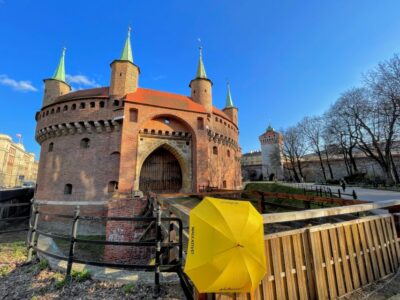
Old Town & Wawel Castle Walking Tour in English
Read our review →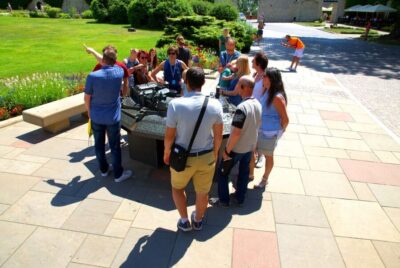
Historic Krakow : Old Town & Wawel Castle Walking tour
Read our review →
Skip-the-Line Wawel Castle Chambers Private Tour
Read our review →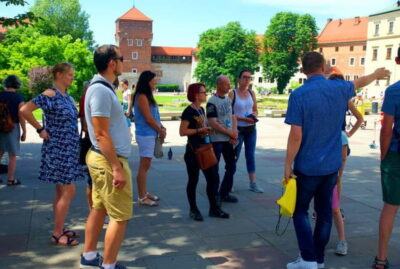
Browse the lists this tour appears in