
A private, licensed walk through Schindler’s Factory Museum is interesting because you’re not just reading about World War II. You’re standing inside the original administrative building of Oskar Schindler’s enamelware plant, following a clear story of what Nazi occupation changed in everyday Krakow. It’s one of the city’s most visited museums for a reason.
I particularly like two things about this tour. First, you get skip-the-line admission and a guide who keeps the visit moving at a smart pace for 90 minutes. Second, I like that the tour is genuinely personal, not a rushed script. Your guide adapts to what you care about, whether that is daily life under occupation, individual stories, or the broader arc of survival and resistance.
One possible drawback: the museum’s corridors are narrow and the exhibitions use set-like, atmosphere-focused design. That makes the tour more intense and sometimes physically tight, especially if your group is larger than a couple people. Plan to go slow with your guide and expect a few moments that feel heavy.
Key things to know before you go
- Original building setting: The museum is in the administrative building of Schindler’s enamelware factory.
- Clear focus for 90 minutes: You get the core story of Krakow under Nazi occupation from 1939 to 1945 without feeling lost.
- A licensed private guide: You can ask questions and shift focus during the visit.
- Period materials: The route includes original documents and photographs, not just modern display text.
- Oskar Schindler’s rescue story: You’ll learn how he used his factory to save over a thousand Jewish workers.
- Small-space circulation: Narrow corridors and close quarters mean you should expect a tight, hands-on-feeling walk.
Entering Schindler’s Factory Museum in the Right Place, at the Right Pace
The setting matters here. This museum is not in a generic exhibition hall. It’s housed in one of the original factory buildings tied to Oskar Schindler, specifically the administrative part of his enamelware plant. That gives the tour an immediate sense of place, because you’re experiencing the story where the industrial world of that era actually lived.
Now add the private guide. A good tour in Krakow can help you spot what to look at, but this one does more than point. Your guide is licensed and takes you through the exhibition “Krakow under Nazi Occupation 1939-1945,” guiding you through the way war reshaped daily routines. You’re not only seeing what happened, you’re understanding how occupation changed normal life for both Jewish and non-Jewish residents.
The pace is another big deal. The tour is 90 minutes, so it’s long enough to connect the dots, but short enough that you’re not trapped for hours in a heavy topic. If you’ve ever left a museum feeling like you only skimmed, this format is built to avoid that.
More of Schindler's Factory and wartime Krakow:
- Krakow: Schindler’s Factory Ticket and Guided Tour Option
★ 4.3 · 4,306 reviews - Krakow: Schindler’s Factory Tour with Entrance Ticket
★ 4.5 · 3,182 reviews - Krakow: Schindler’s Factory Skip-the-Line Ticket
★ 4.4 · 3,105 reviews
How the Story Unfolds Through Krakow, 1939 to 1945
Expect the tour to follow the museum’s main storyline: how daily life in Krakow changed during Nazi occupation from 1939 to 1945. Your guide moves you room to room, focusing on key parts of the exhibition rather than trying to cover everything at once.
You’ll see original materials such as documents and photographs. That matters because it shifts the experience from abstract history to something more grounded. Instead of a wall of names and dates, you get to sit with evidence, and your guide can connect what you’re looking at to the human consequences behind it.
A useful part of the route is how it balances perspectives. The exhibition tells the story of Jewish and non-Jewish residents, showing how occupation affected more than one community. Your guide can steer this emphasis depending on your interests, which is great if you want context first, or if you want to focus on personal stories and what survival looked like on the ground.
Then comes the section that makes Schindler’s Factory especially famous: the way Oskar Schindler used his factory to save over a thousand Jewish workers. Your guide frames that within the broader situation of occupation, including the idea of resistance. It’s not presented as a simple hero tale. It’s shown as part of how complicated, dangerous decisions could still happen inside a system designed to crush people.
Throughout, you’ll have time to process. The tour is designed for reflection and questions, so if something hits you emotionally, you’re not pushed past it. That’s one of the most valuable features in a museum like this.
What Your Private Guide Actually Changes (And Why It Matters)
This is a private tour, so the biggest difference is control. You’re choosing the language, and your guide can adjust what they emphasize as you go. If you want historical background first, you’ll get that. If you want story-led explanations, you’ll get that too.
Language options are broad, which is genuinely practical when you’re dealing with complex history. You can select from Slovak, English, Italian, Spanish, Swedish, Russian, Portuguese, German, Dutch, or French. That flexibility matters because the museum’s subject is demanding. You want your explanation to land clearly, not just “mostly.”
The guide experience is also where the tour earns top marks. In French, the tour has been praised for explanations that were clear and thoughtful, including a touch of humor to keep things understandable. In Italian, a guide named Margherita stood out for delivering a wonderful visit. And in multiple cases, guides were described as able to answer questions and keep the visit smooth even when the space is tight.
One smart tip: bring your questions. If you’re the type who wonders why certain events unfolded a certain way, this is the moment to ask. The private format means your guide can respond directly instead of explaining it again for the next group.
Skip-the-Line Admission That Saves More Than Time
Skipping the ticket line sounds like a small perk, but in a popular Krakow museum, it can change your whole experience. You spend less time waiting, and more time actually inside the exhibition when your attention is fresh.
That means you can arrive, get in, and start learning right away, instead of losing momentum while you stand around. In a museum about occupation and fear, that matters. You want your first impressions to be calm and focused, not rushed by logistics.
Also, skip-the-line helps with how you manage emotion. If you’re heading into a deeply serious space, you’re better off controlling your entry rather than bracing for delays. It turns the visit into a guided sequence from start to finish, which your guide can then build on.
And because this is private, you’re not stuck with whatever timing your group happens to have. Your guide can keep the visit coherent, especially when the corridors are narrow and the exhibition design pushes you to move carefully.
More to book in Krakow:
- From Krakow: Auschwitz-Birkenau Guided Tour & Hotel Pickup
★ 4.5 · 33,358 reviews - From Krakow: Auschwitz-Birkenau Guided Tour & Hotel Pickup
★ 4.5 · 29,340 reviews - Krakow: Auschwitz Guided Tour with Optional Hotel Pickup
★ 4.5 · 15,280 reviews - Krakow: Wieliczka Salt Mine Tour with Entry Ticket
★ 4.6 · 10,927 reviews
Timing, Movement, and the Narrow-Corridor Reality
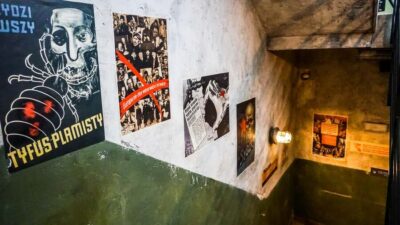
The museum’s layout affects how you experience the tour. The exhibition uses narrow corridors and set-like design meant to recreate the atmosphere of wartime Krakow. That makes it more vivid, but it also means the tour can feel physically tight.
This is where your group size matters. Since it’s a private group, you’re not stuck with a crowd, but there can still be multiple people. If you’re traveling with more than a couple, expect slower turns and more careful passing in the corridors.
The upside is that the guide can manage the flow. A good guide keeps you oriented, helps you find the key objects quickly, and pauses when the space requires it. That’s why the “personalized pace” part of this tour is not marketing fluff. It’s practical, especially in a building where you can’t easily stretch out.
Duration is 90 minutes. For many people, that’s the sweet spot: long enough to grasp the major points and connect Schindler’s actions to the larger occupation story, but short enough that you leave without feeling like you were forced to race.
What You’ll See: Exhibitions, Artifacts, and the Human Stories Between Them
The route is built around the museum’s core exhibition theme: Krakow under Nazi occupation from 1939 to 1945. As you move through, you’ll encounter a mix of materials, including original documents and photographs. These are the pieces that make the story feel real, because they’re not just interpretations.
You’ll also see how ordinary people faced extraordinary conditions. The tour focuses on daily life under occupation, and it highlights how both Jewish and non-Jewish residents experienced the pressure and changes brought on by war.
And then, at the heart of the museum, you get Schindler’s role. The tour explains how he used his factory to save over a thousand Jewish workers. The way it’s presented matters: your guide ties this to the broader occupation context, so the rescue story is not floating in isolation. It’s grounded in the environment where it occurred.
One note to keep expectations realistic: the building is now a museum without original machinery. So you won’t be walking through a working factory floor. Instead, you’ll experience the administrative building as a stage for documents, photos, and historically themed rooms that explain the factory’s significance in saving lives.
Who This Tour Is Best For (And When You Might Skip It)
I think this private tour fits best if you want history with a human explanation. It’s ideal when you care about context and also want room for questions. You’ll like it if you prefer a guide who can shift focus, depending on whether you’re here for personal stories, the broader narrative of occupation and resistance, or the Schindler rescue story.
It also works well if you’re traveling as a small group and want to avoid the stress of managing a crowd in narrow museum corridors. Since the tour is private, your comfort matters, and your guide can manage pacing for you.
You might consider another style of visit if you’re the type who wants to wander completely on your own and read every label without interruption. A guided private tour is structured. It has a clear arc over 90 minutes, and your guide will keep you moving through the key sections.
Practical Tips for a Smooth Visit in Krakow
Meeting up is simple. Meet your guide in front of the main entrance to Schindler’s Factory Museum, on the right-hand side, and they will be holding an excursions.city sign. That clarity helps because you’re not playing guesswork on a busy street.
Bring what you’re asked to bring. You’ll want a credit card and some cash. Pets are not allowed, so leave animals at home.
Choose your language carefully at booking time. This is a private tour conducted exclusively in the language you pick. If you want the best experience, pick the language you’re most comfortable thinking in, because the topic is intense and details matter.
One more practical item, important if you’re booking for late dates: from January 1, 2026, times are approximate and may change due to museum or site scheduling. You can choose a preferred time, but it’s not guaranteed to be exact.
Also from January 1, 2026, you’ll need to provide the names of all participants during booking because the museum’s personalized tickets require it. If you leave names incomplete, entry may be denied.
So, Should You Book This Private Schindler’s Factory Tour?
If you’re deciding between a quick stop and a guided visit, I’d lean toward booking this private tour. For $126 per person, you’re buying two things that are hard to replicate on your own: a licensed guide who can tailor the focus to you, and skip-the-line access that keeps you from losing time before you even start learning.
The strongest reason to book is the way the tour balances structure with flexibility. You get a clear narrative of Krakow under Nazi occupation 1939 to 1945, the evidence-based material like original documents and photographs, and the emotional centerpiece of Schindler saving over a thousand Jewish workers. And you get time for questions and reflection, not just a fast walkthrough.
The only real reason to hesitate is if you’re uncomfortable with narrow corridors or if you want a fully self-guided, label-by-label experience. If that’s you, consider a different approach.
Otherwise, this is a smart, efficient, and deeply meaningful way to experience one of Krakow’s must-see museums.
FAQ
How long is the Schindler’s Factory private guided tour?
The tour lasts 90 minutes.
Where do I meet the guide for this tour?
Meet your guide in front of the main entrance to Schindler’s Factory Museum, on the right-hand side. They will be holding an excursions.city sign.
Is skip-the-line admission included?
Yes. Skip-the-line admission to Schindler’s Factory is included.
Is this a private tour or a group tour?
It is a private group tour.
What languages are available for the guide?
The live tour guide is available in Slovak, English, Italian, Spanish, Swedish, Russian, Portuguese, German, Dutch, and French.
What should I bring with me?
You should bring a credit card and cash.
Are pets allowed inside the museum?
No, pets are not allowed.
Are tour times exact?
For dates from January 1, 2026, times are approximate and may change due to museum or site scheduling. You can choose a preferred time, but the exact time is not guaranteed.
What should I know about personalized tickets for 2026?
From January 1, 2026, you must provide the names of all participants during booking because entry may be denied without the required names.
Fresh Krakow reviews
- Krakow Zakopane Cable Car Vodka Cheese and Hot Springs Tour★ 3.5 · 3 reviews
- Krakow Skip The Line Wawel Castle & Old Town Guided Tour★ 5.0 · 3 reviews
- Krakow: Zakopane and Thermal Pools Tour with Hotel Pickup★ 5.0 · 3 reviews
- Museo Czartorisky : Visita in Lingua Italiana salta fila…★ 3.5 · 3 reviews
- Half-Day John Paul II Route Tour from Krakow★ 5.0 · 3 reviews
- Krakow: John Paul II Home & Black Madonna Sanctuary – Guided Tour★ 5.0 · 3 reviews
- 1-Hour Tour to Krakow’s Old Town by Electric Golf Cart★ 5.0 · 3 reviews
- Auschwitz and Birkenau WITHOUT GUIDE private transport from Kraków★ 5.0 · 3 reviews
Schindler's Factory Tours, compared.
Schindler’s Factory Ticket and Guided Tour Option
Read our review →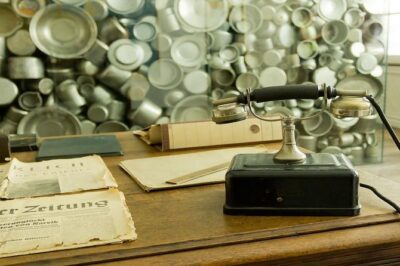
Krakow Schindler’s Factory Guided Tour with Admission Ticket
Read our review →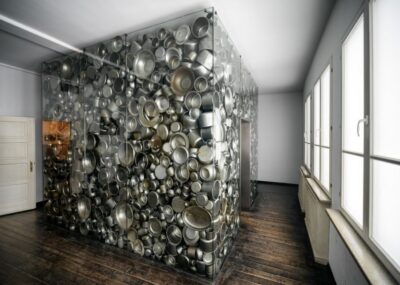
Kazimierz, Schindler’s Factory & Ghetto Guided Tour
Read our review →Browse the lists this tour appears in