
Reviewed · SCHINDLER'S FACTORY TOURS
Krakow: Schindler’s Factory Guided Tour with Ticket
Schindler’s Factory in Krakow hits hard in the best way. You get a guided path through the museum that explains what life looked like during the Nazi occupation, not just the big dates. I love how the guide adds context to the rooms, and I love that you follow a full arc, from the lead-up to the invasion through the persecution, with Oskar Schindler woven in at the right moment.
The one drawback to flag is simple: this is not only an Oskar Schindler story. A good share of the 90 minutes focuses on Krakow under Nazi rule, and Schindler’s office and his portrait come later in the visit, so if you came with Schindler-only tunnel vision, you’ll need patience.
Key highlights worth your time
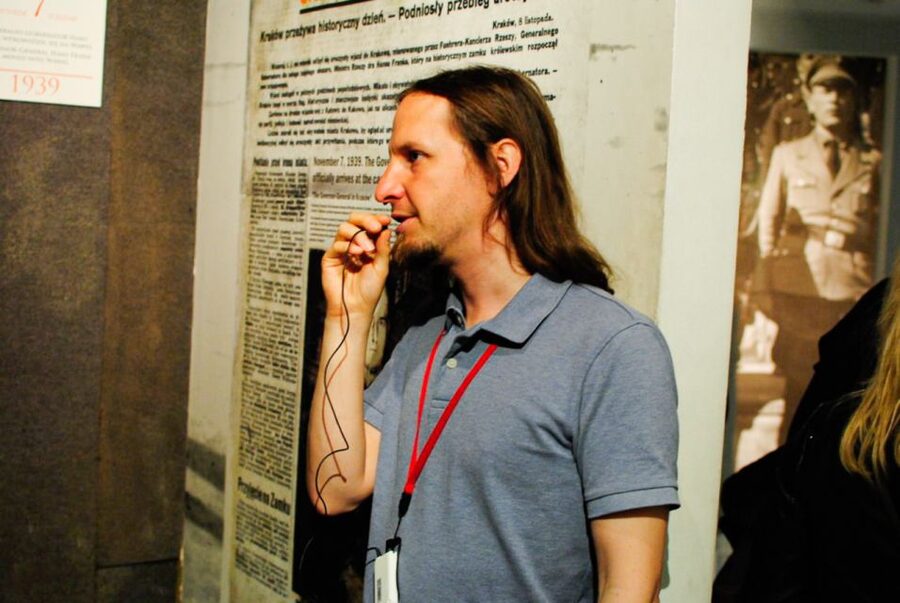
- Guided context for a text-heavy museum, so you know what you are looking at and why it matters
- Original office and Schindler’s portrait, from pre-war life to his post-war fate
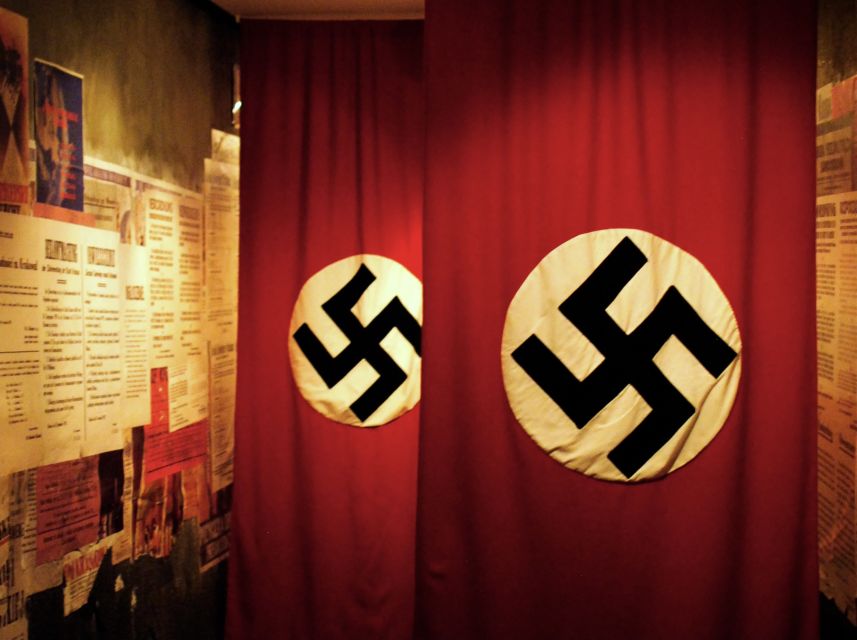
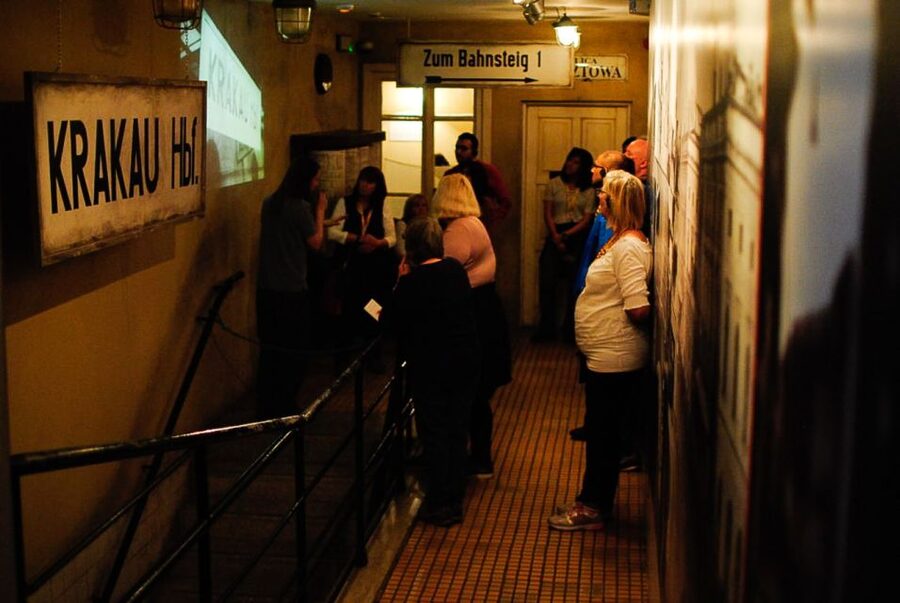
- Recreations of occupied Krakow, including a 1939 battlefield setup, streets, execution sites, station scenes, and the ghetto wall
- A whole roster of key figures, not just Schindler, including Hans Frank and Amon Goeth
- Strong, story-driven guiding, with English and Spanish tours led by well-regarded guides such as Victoria, Magda, Max, Lucy, Ana, Maciek, Damian, Matthew, Weronika, and Jacob
Inside Schindler’s Factory in Krakow, you follow a story, not a scrapbook
This tour is built for people who want more than museum browsing. In 90 minutes, you are guided through Schindler’s Factory, the museum that preserves the history of one of the most consequential wartime stories tied to Krakow.
I like that it does not treat history like a list of names. It helps you understand how the occupation worked day to day, how people were pushed into impossible choices, and why the same city could feel normal in the morning and terrifying by night. You also get a guided look at Oskar Schindler himself, including his original office, plus survivor accounts about the people he helped.
And because the tour is led, the museum stops sounding like a wall of text. You start connecting details: propaganda, forced systems, everyday objects, public spaces, and the machinery of persecution.
More of Schindler's Factory and wartime Krakow:
- Krakow: Schindler’s Factory Ticket and Guided Tour Option
★ 4.3 · 4,306 reviews - Krakow: Schindler’s Factory Tour with Entrance Ticket
★ 4.5 · 3,182 reviews - Krakow: Schindler’s Factory Skip-the-Line Ticket
★ 4.4 · 3,105 reviews
Meeting point, fast entry, and what “skip the line” really means
You meet your guide at a clear spot, with a yellow umbrella or a Walkative! sign. No wandering around the area trying to guess who the guide is, which matters because this is a museum you want to enter promptly.
The ticket is included, and the tour is designed to skip the ticket line. Just know a small operational detail: pre-booked tickets are purchased directly from the museum on the spot, and the operator says they are not responsible for museum-caused delays. In other words, you can expect smoother entry than going totally on your own, but you should still plan with the museum’s pace in mind.
No hotel pickup or drop-off is included. That’s normal for Krakow city-center museum tours, but it means you should build in a little buffer for getting there on foot or by local transport.
The guided route: office to factory rooms, with occupied Krakow as the backbone
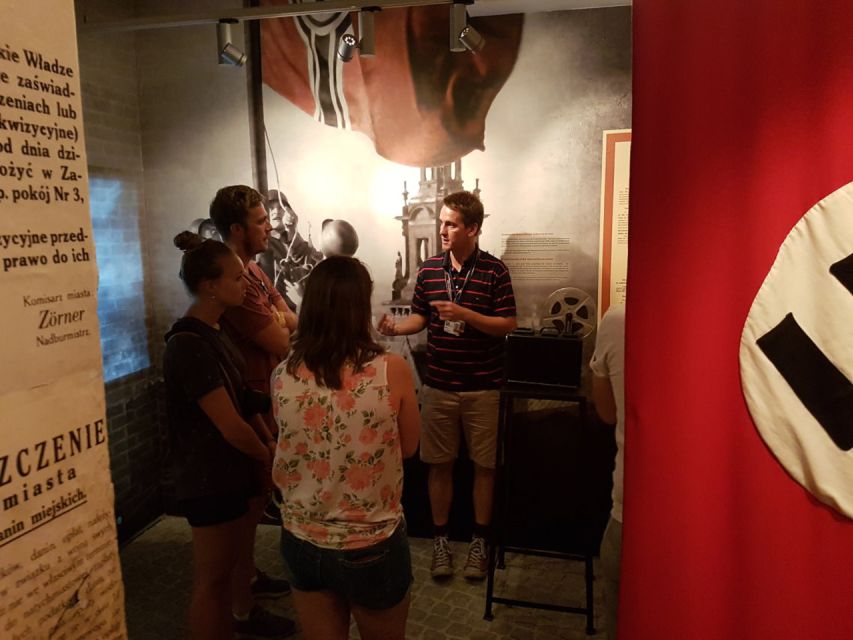
The heart of the experience is the museum’s flow, and the guide is there to keep it moving in a way that makes sense.
Early on, you get historical context so the exhibits don’t float in isolation. You learn about the everyday reality of Krakow during the Nazi occupation, which is the essential setup for everything that follows. The guide also gives you an intimate portrait of Oskar Schindler, including what he was doing before the war and what happened to him after.
Then you reach Schindler’s original office, one of the most meaningful stops on this tour. This is where the story becomes more personal and specific. You hear accounts of Jewish survivors about the people Schindler saved, which helps explain why his role is remembered so strongly.
From there, you move into the old enamelware factory spaces. This is where the museum really leans into recreations and atmosphere, showing you what occupied Krakow looked like and how daily life was warped by occupation policies and brutal public control.
Recreated scenes that make the occupation feel real, not abstract
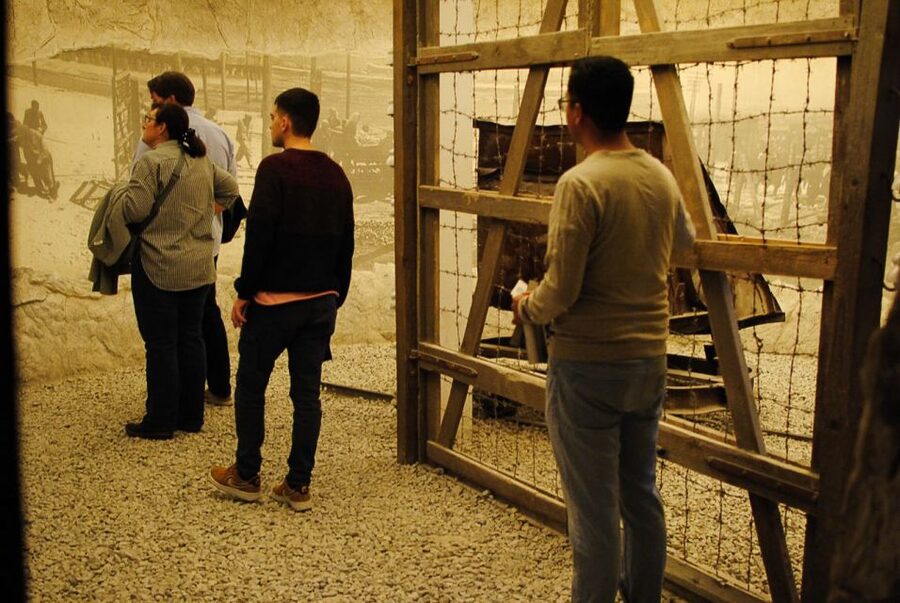
One of the tour’s biggest strengths is that it turns the museum’s written material into a guided sequence you can follow. Instead of asking you to read everything and guess what matters most, it points you toward the key scenes that explain how the occupation reshaped the city.
Inside the museum, you can expect reconstructions and exhibits that cover:
- a 1939 battlefield setup
- the streets of Krakow as the city changed under occupation
- public execution sites
- the railway station and what transit meant during wartime persecution
- the Jewish ghetto wall, a stark visual that forces the reality of segregation into focus
These stops are not random. They reflect the way terror worked. The occupation wasn’t only about camps and policies. It was also about shaping behavior in the open, controlling movement, and turning ordinary places into instruments of fear.
If you are someone who likes to understand the mechanics of history, this part will land. If you prefer a lighter museum day, this is not that. The subject matter is emotionally heavy, and guides typically handle it with care and seriousness.
More to book in Krakow:
- From Krakow: Auschwitz-Birkenau Guided Tour & Hotel Pickup
★ 4.5 · 33,358 reviews - From Krakow: Auschwitz-Birkenau Guided Tour & Hotel Pickup
★ 4.5 · 29,340 reviews - Krakow: Auschwitz Guided Tour with Optional Hotel Pickup
★ 4.5 · 15,280 reviews - Krakow: Wieliczka Salt Mine Tour with Entry Ticket
★ 4.6 · 10,927 reviews
The Nazi occupation cast: more than Schindler, and that’s the point
Schindler’s story matters, but this tour intentionally widens the lens. You face important figures active in Krakow during that period, aside from Schindler, including Hans Frank and Amon Goeth. You also encounter references connected to Pope John Paul II and the category of Righteous Among the Nations.
You also see material that touches on underground fighters and collaborators. That may feel uncomfortable, and it should. This is one of the reasons the guided format helps: a good guide can keep the room in perspective and prevent it from turning into confusion or a confusing mix of horror and names.
One detail I really like is how guides can translate what the museum is showing. Nazi propaganda posters are part of the experience, and if you do not read Polish or German, you still need the meaning. With a guide, you can follow the message and notice the tactics, not just the surface.
Oskar Schindler’s role: a later highlight, with moral complexity in focus
So where does Oskar Schindler fit? You get an intimate portrait of his life, including his original office and the accounts of survivors he helped. The tour frames him as a complicated figure, not a simple hero with a clean label.
But you should expect that Schindler’s screen time comes more toward the end. Much of the 90 minutes is organized around Krakow’s occupation, the lead-up to the German invasion, and the persecution of Jewish people. Schindler’s story is a crucial strand, but it is woven into the wider system that made his actions both possible and exceptional.
That structure is also why this tour can be so meaningful. You are not only learning what he did. You are learning why it mattered in that specific city, at that specific time, under that specific terror.
If your main reason for coming is Schindler himself, you will still get him here. Just go in with realistic expectations: the broader WWII story is the scaffold that makes his actions understandable.
How the guide affects your experience: pacing, empathy, and clear answers
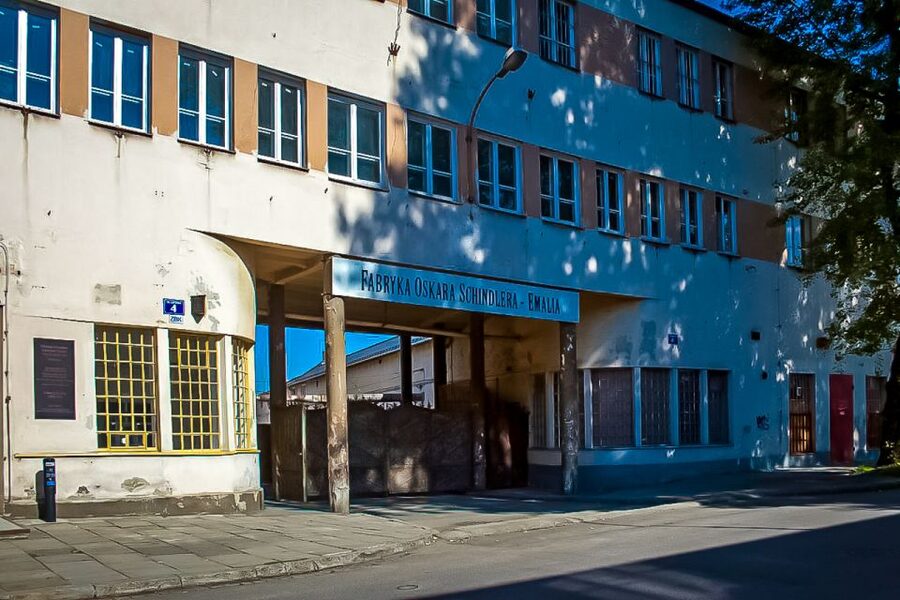
The museum has a lot to say. A self-guided visit can work, but you may end up with the museum’s facts stuck in your head without the connective tissue that makes them click.
That is where the guides earn the praise. On English tours and Spanish tours, people often come away impressed by how the guide brings each room into focus and keeps the pace steady. Names like Victoria, Magda, Max, Lucy, Ana, Maciek, Damian, Matthew, Weronika, and Jacob appear as examples of guides who shaped the experience with clear explanations and the ability to answer questions.
A few practical differences can show up depending on the guide. Some guides speak at a pace designed to keep the tour within the time frame, which can mean you have to concentrate more if you need slower delivery. If you feel that happening, it’s totally reasonable to ask the guide to slow down or repeat a key point.
There is also a comfort factor. One recurring note is that the setup can include devices to help you hear the guide clearly. That means you are less dependent on distance and background noise, and you can actually take in details instead of playing guessing games during the tour.
Group size can be small. When it is small, you get more attention, and discussion feels natural rather than rushed.
Price and value in Krakow: what $46 gets you for 90 minutes
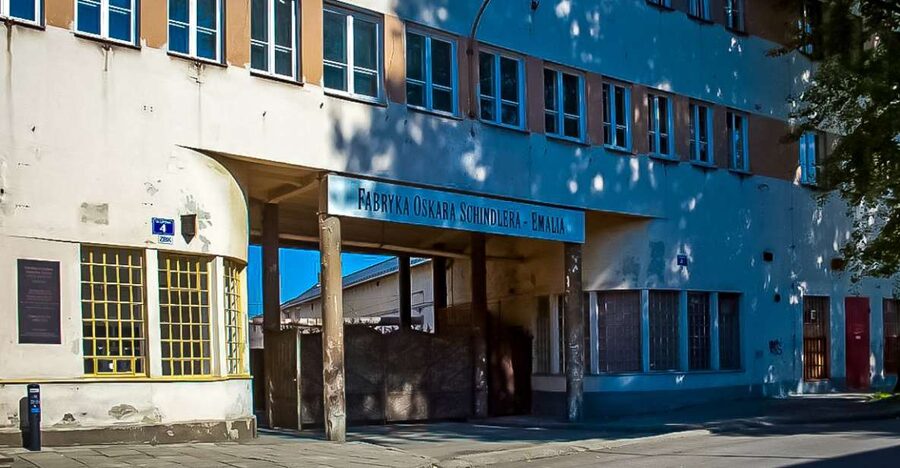
At about $46 per person for a 90-minute guided tour with a museum ticket, this sits in the “you’re paying for context” category. You are not just buying entry. You are buying a professional guide who turns the museum into a guided narrative.
Here’s how I think about the value:
- The museum is text-heavy and detailed, so time matters. A guide helps you cover the important parts without losing the thread.
- The tour is timed at 90 minutes, which is long enough to make sense of the story, but short enough that you are not stuck for hours in a heavy environment.
- You skip the ticket line, which helps if you are managing a day packed with other Krakow stops.
If you are the kind of traveler who likes to read everything slowly and pick your own route, you might feel a guide is optional. But if you want the museum’s meaning to land without effort, the guide is the value driver.
Who should book this Schindler’s Factory tour?
This tour is a great match if:
- you want an organized overview of occupied Krakow rather than random museum reading
- you care about understanding why Schindler is remembered, not just that he is remembered
- you want time-efficient access to the museum’s key rooms and recreated scenes
- you prefer a live guide to connect the names, dates, and systems
It may be less ideal if:
- you only want an Oskar Schindler biography and nothing else
- you already know the WWII background well and you strongly prefer self-paced museum time
- you want a lighter emotional day, because this museum covers persecution and public terror
If you fit the first group, you will likely feel like the guide makes the museum easier to process and harder to forget.
Should you book this tour or do Schindler’s Factory on your own?
Book it if you want the story made clear, not just presented. This is one of those places where context helps you connect the dots: how the city changed, how terror was displayed in public spaces, and how Schindler’s actions fit into the larger system.
Skip it only if you are certain you want to read everything independently and you already have a strong foundation in Krakow under Nazi occupation. In that case, you can still enjoy the museum, but you may miss the meaning that the guide is built to explain.
If you are trying to make the most of limited time in Krakow, this guided format with ticket value is hard to beat. You get a structured path through difficult history, with Schindler’s office and survivor accounts placed in the flow where they make emotional and historical sense.
FAQ
How long is the Schindler’s Factory guided tour?
The tour lasts about 90 minutes.
What is the price per person?
The price is listed at $46 per person.
Is the museum ticket included?
Yes, the tour includes a ticket to the Schindler’s Factory museum.
Where do we meet the guide?
The guide will be holding a yellow umbrella or a Walkative! sign at the meeting point.
What languages are offered?
The tour is available in English and Spanish.
Is pickup from the hotel included?
No, hotel pickup and drop-off are not included.
Will I have to wait in the ticket line?
The tour is described as skipping the ticket line.
Is this tour wheelchair accessible?
Yes, it is wheelchair accessible.
Is it free to cancel, and can I pay later?
You can cancel up to 24 hours in advance for a full refund, and there is a reserve now & pay later option to keep plans flexible.
Fresh Krakow reviews
- Zakopane PRIVATE TOUR from Krakow★ 5.0 · 18 reviews
- Czestochowa Black Madonna Private Day Tour from Krakow★ 5.0 · 18 reviews
- Chopin Candlelight Concert with Wine in Krakow★ 5.0 · 18 reviews
- Krakow City Pass – Museums, Atractions & City Transport★ 4.0 · 18 reviews
- Krakow: Garden of Lights Pinocchio Entry Ticket★ 4.7 · 18 reviews
- Half-Day Wieliczka Salt Mine Tour from Krakow★ 5.0 · 18 reviews
- Auschwitz Birkenau Memorial and Museum group tour from Krakow★ 5.0 · 18 reviews
- Krakow: Schindler’s Factory & Ghetto Guided Tour★ 5.0 · 18 reviews
Schindler's Factory Tours, compared.
Schindler’s Factory Ticket and Guided Tour Option
Read our review →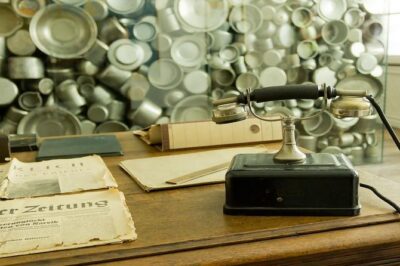
Krakow Schindler’s Factory Guided Tour with Admission Ticket
Read our review →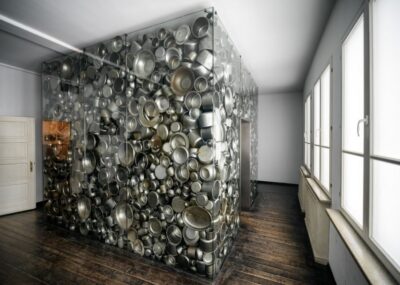
Kazimierz, Schindler’s Factory & Ghetto Guided Tour
Read our review →Browse the lists this tour appears in