
Reviewed · SCHINDLER'S FACTORY TOURS
Krakow: Oskar Schindler’s Factory Entry and Guided Tour
Krakow’s Oskar Schindler’s Enamel Factory tour is interesting because it turns a real workplace into a museum story about what people did when the rules were being torn apart. I love how the tour is built around concrete objects, especially the factory setting and the preserved Schindler’s office. I also like that it connects daily life in Krakow to the hardest ethical moments, not just dates and names, via the Hall of Choices installation. One possible drawback to plan for is crowding inside narrow rooms, so if you want to hear clearly from up close, aim to be near your guide.
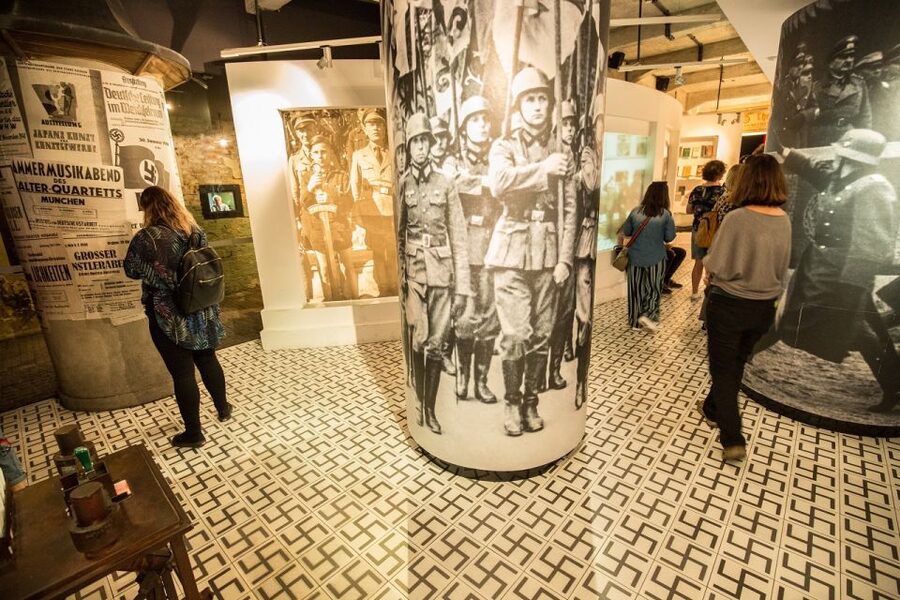
You’ll spend about 1.5 hours moving through staged scenes, documentary materials, and hands-on museum spaces that explain Nazi occupation from 1939 to 1945. The experience is also balanced in who it includes, covering Polish-Jewish relations and the way both civilians and Jewish residents were violently disrupted. The key consideration is emotional content, so come prepared for a serious subject and take breaks if you need them.
Key takeaways before you go
- Skip-the-line entry, so you spend more time inside the museum’s main exhibition
- Guided explanations that connect photos, eyewitness accounts, and film to what you’re seeing
- Schindler’s office preserved in the administrative building, a rare, focused glimpse of the man behind the story
- Survivor’s Ark enamel-pots installation, a powerful visual you can’t really get from a photo
- Everyday Krakow scenes, including a recreated typical Jewish apartment and tram-based documentary moments
- The Hall of Choices, which pushes you to think about ethical pressure under occupation
Why Schindler’s Enamel Factory Tour Matters in Krakow
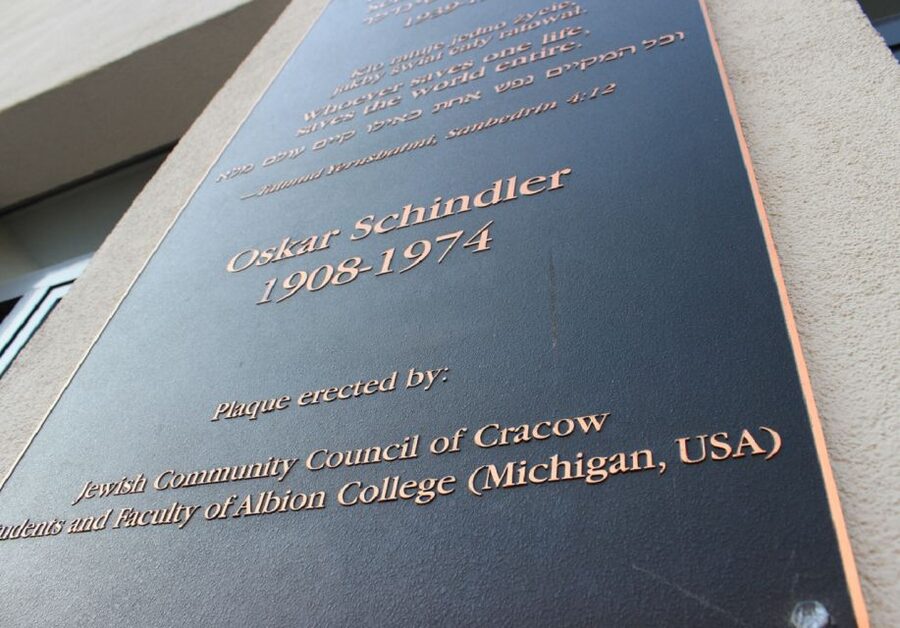
This is one of those Krakow experiences where the building itself does work for you. The museum is housed in the former enamel factory associated with Oskar Schindler, so you’re not only reading about events, you’re moving through the physical space where the story’s themes take shape: industry, bureaucracy, fear, and survival.
I like that the tour doesn’t treat World War II as only a headline event. It slows down to show everyday life in Krakow during the Nazi occupation, from 1939 to 1945. That timeframe matters because it covers the full arc, from occupation tightening its grip to the desperate decisions people had to make as conditions worsened.
At the same time, you should expect something heavy. The museum covers violent disruption of centuries-long Polish-Jewish relations and the impact on Jews and Poles alike. The ethical questions are not softened. If you prefer lighter sightseeing, this tour might not be your best match.
At Lipowa 4: Finding Your Group and Starting Smoothly
Your tour starts at Lipowa 4, and the meeting point is at the front of the main entrance of the museum. Your guide will be holding an excursions.city sign, which is helpful when the street-level view makes it easy to miss the group.
This kind of guided entry matters more than you might think. You’re paying for a professional guide and entrance fees, and the tour is designed to get you into the exhibition without wasting time in ticket lines. In a popular museum, that small time savings can turn into a calmer visit, letting you concentrate on the content rather than the queue.
If you’re traveling with limited time in Krakow, this is a clean fit. At 1.5 hours, it works well as a focused block when you still want time after for other parts of the city, like a walk through the old streets or a relaxed meal nearby.
More of Schindler's Factory and wartime Krakow:
- Krakow: Schindler’s Factory Ticket and Guided Tour Option
★ 4.3 · 4,306 reviews - Krakow: Schindler’s Factory Tour with Entrance Ticket
★ 4.5 · 3,182 reviews - Krakow: Schindler’s Factory Skip-the-Line Ticket
★ 4.4 · 3,105 reviews
Schindler’s Office and the Survivor’s Ark You Can’t Fake
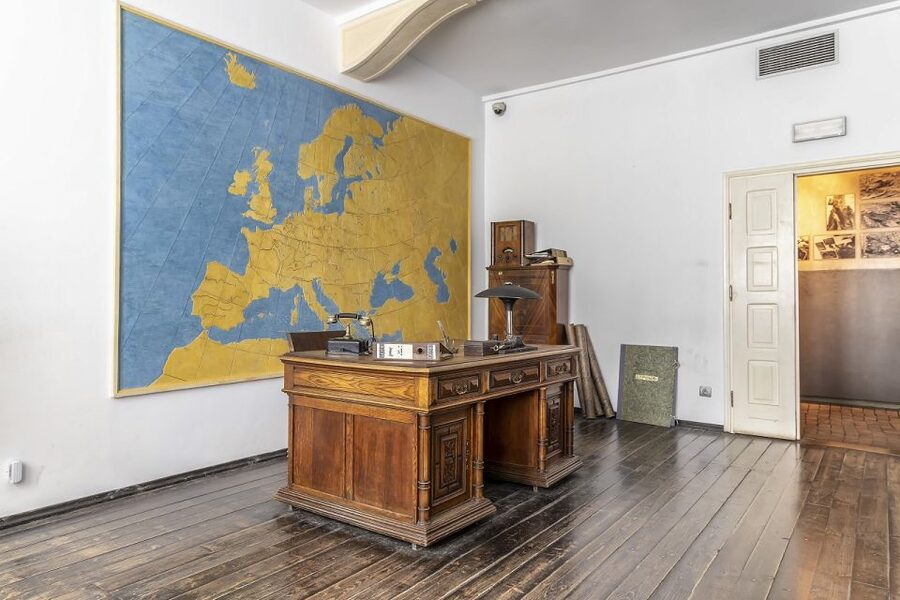
The heart of the visit begins in the factory space itself. You’ll tour the museum in the former enamel factory, and along the way you’ll get to enter Schindler’s office, preserved within the administrative building.
That detail lands because it’s specific. It’s not a generic room, and it’s not just a display. Being able to step into an office space tied to the story helps you understand the role that decisions, timing, and paperwork played in real life.
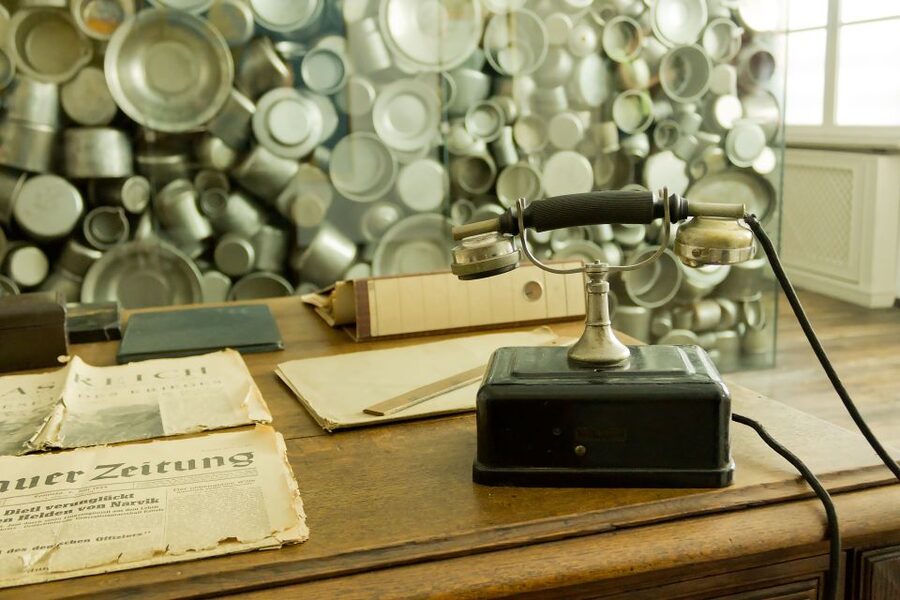
Then comes the installation often described through the idea of a Survivor’s Ark, built from thousands of enamel pots similar to those produced in the factory. It’s one of those exhibits where scale does emotional work. Seeing many enamel pots assembled into a message is very different from hearing about it. The object materials connect the factory to the human stakes, which is exactly what you want from this tour.
A guided explanation helps you focus. Without one, you might notice the dramatic visuals and still miss the specific point of the choices and conditions the story is addressing.
Everyday Krakow Under Nazi Occupation: Apartments, Photos, and Eyewitness Accounts
One of the biggest values of doing this with a guide is how the story is paced. Instead of leaving you alone with labels, the guide connects what you’re looking at to the lived experience: everyday life in Krakow during the Nazi occupation.
In the exhibition, you’ll see documentary photographs and eyewitness accounts, plus film documentaries and multimedia presentations. These components are there to do more than inform. They help you understand how ordinary people experienced a world that became unsafe, controlled, and violent.
A standout moment for many visitors is the typical Jewish apartment. You walk through a recreated space that shows domestic life under pressure, which makes the war feel close in a way that a timeline can’t. It’s also a reminder that persecution wasn’t only about camps and borders. It shaped homes, routines, and neighbors.
If you’re sensitive to upsetting material, this is where you might want to slow down. The tour includes both the human and the documentary side, so your emotions may rise and fall as the scenes shift.
The Tram Moment and How It Helps You Place the City
The museum doesn’t only do static displays. Part of the experience includes boarding a tram within the exhibition setting, then watching a documentary that portrays everyday life in the city.
This is a smart design choice. Krakow can feel like a beautiful historic postcard from the outside. Inside this museum, the tram moment helps you place the city in the occupation reality. It’s a transition tool that moves you from “reading about history” to “seeing how it affected streets, routines, and movement.”
For you, the practical benefit is clarity. The tour guides you through the museum’s logic so you’re not constantly asking yourself what connects each room. You’ll keep understanding the same themes as you move: occupation control, everyday survival, and the tension between neighbors, rules, and morality.
More to book in Krakow:
- From Krakow: Auschwitz-Birkenau Guided Tour & Hotel Pickup
★ 4.5 · 33,358 reviews - From Krakow: Auschwitz-Birkenau Guided Tour & Hotel Pickup
★ 4.5 · 29,340 reviews - Krakow: Auschwitz Guided Tour with Optional Hotel Pickup
★ 4.5 · 15,280 reviews - Krakow: Wieliczka Salt Mine Tour with Entry Ticket
★ 4.6 · 10,927 reviews
The Hall of Choices: Ethical Pressure, Not Just Facts
If you want one exhibit that changes how you think about the whole museum, aim to pay full attention to the Hall of Choices installation. It’s described as a sculptural installation symbolizing ethical dilemmas that people encountered during the war.
The concept here matters. This is not only about what happened. It’s about the human decisions that happened under threat, where any path could carry consequences. Your guide’s job is to connect the installation’s symbolism to the museum’s other scenes, so you can see the theme repeat across different rooms.
This is also where crowding can make a difference. One of the practical comments from past visitors is that when rooms get busy, you may end up too far from the guide to track explanations in narrow walkways. If clear hearing is important to you, try to stay closer to the group as you move between rooms, or choose a tour start time that you hope is less packed.
Plazow Camp Artifacts and the Wider System of Persecution
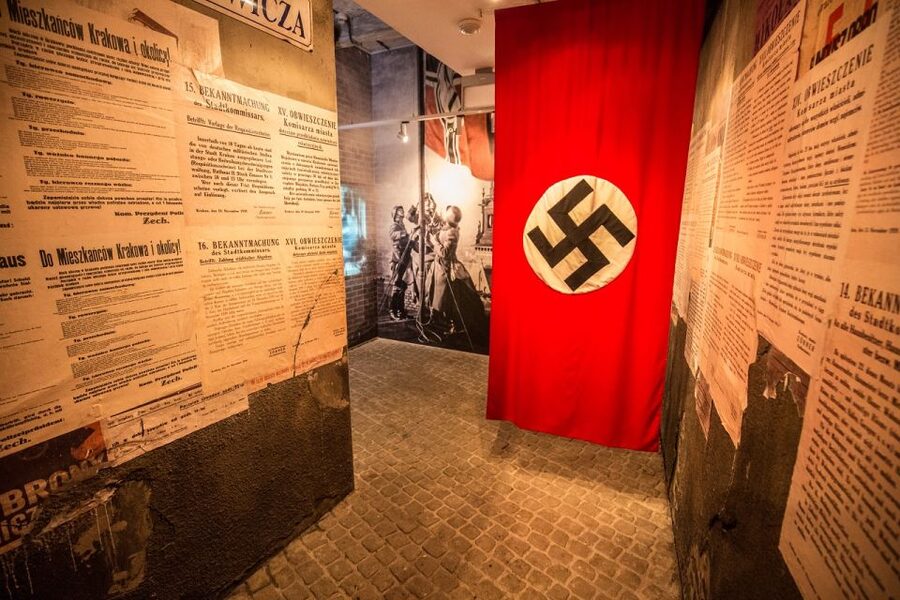
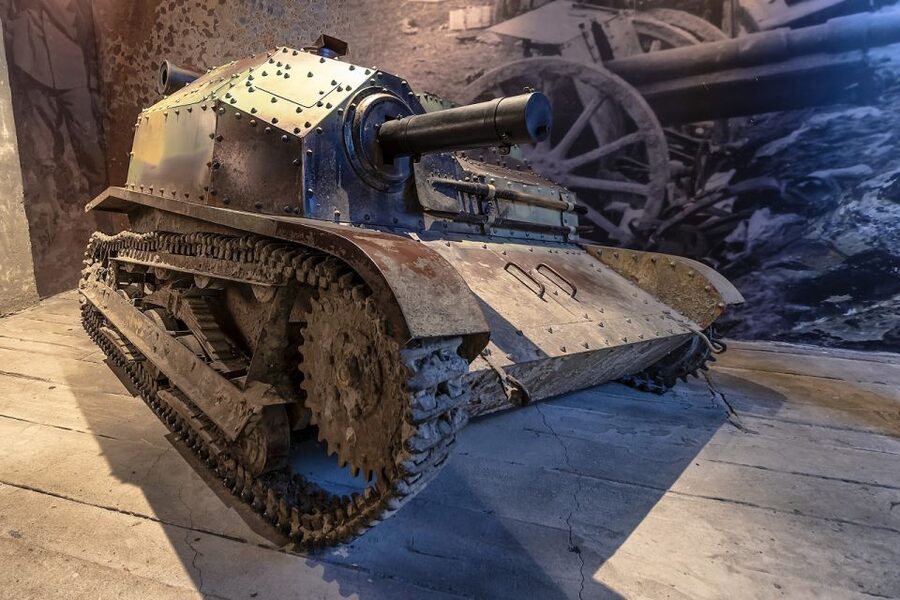
The tour also includes artifacts from the Plazow camp. Seeing physical items connected to a specific place adds a grounded layer to the story that general museum descriptions can’t match.
Why this matters for you: the museum is trying to show how the Nazi system worked, not just the fact that it existed. Artifacts bring the system down to real objects and real locations. Even if you’ve read about camps before, this part helps you connect those facts to the exhibition’s narrative of disruption in Krakow.
A guide is useful here because you’ll get help understanding how this camp material fits with what you’ve already seen, including the reconstructed apartment scenes and the ethical dilemmas. Without that connective tissue, you might walk out with strong impressions but less clarity about how the pieces relate.
Price and What Makes $45 Feel Fair
At $45 per person for about 1.5 hours, you’re paying for three things: entrance fees, a professional guide, and time saved with skip-the-line entry. In Krakow, museum prices can add up, and many self-guided visits end up being longer than you planned.
So the value here is time and context. A guided tour is paying for interpretation, not only access. You’ll spend less time figuring things out on your own, and more time getting the story’s key threads while you’re still in the rooms that match those threads.
This is also not a casual visit. Because the subject matter is serious, a guided structure can help you pace yourself and focus on the right details, like the preserved office and the enamel-pots installation, rather than trying to read every label while moving through crowds.
If you’re on a tight schedule, this price can feel especially fair, because it is designed as a compact experience you can fit into a broader Krakow day.
Tour Timing, Group Size Reality, and How to Hear the Guide
The tour runs for 1.5 hours, and starting times depend on availability. Because the museum is popular, it can get busy inside. One practical takeaway: narrow aisles and crowded rooms can make it harder to stay close enough to fully follow explanations, especially during guided commentary in smaller spaces.
You can improve your chances easily:
- Stay near the front of your group when entering tight rooms.
- If you’re sensitive to crowds, consider choosing an earlier start time if it’s available.
- Bring patience for the emotional subject matter and the occasional pause while your guide transitions between sections.
Language also helps you plan. The tour is available in English, French, German, Italian, Spanish, and Polish, so you can match your comfort level. If you’re taking this tour in a non-native language, staying close becomes even more important, since you’ll need to concentrate on every sentence to keep the connections clear.
Who This Tour Fits Best in Krakow
This is a strong choice for you if:
- you want a guided museum visit that explains everyday life under Nazi occupation, not just a list of events
- you like object-based storytelling, like the enamel pots and the preserved office space
- you want a structured 1.5-hour experience that you can fit into a busy Krakow itinerary
It might feel less ideal if:
- you strongly prefer self-paced visits and lots of time lingering on details
- you hate crowded indoor spaces and get stressed when you cannot hear clearly
- you’re looking for a light or purely visual experience
If you’re traveling with teenagers or family, it can still work, but I’d suggest you choose the language carefully and mentally prepare for serious moments. The museum includes domestic scenes and ethical dilemmas, so it is best when you can discuss what you’re seeing afterward, even briefly.
Should You Book This Schindler’s Factory Guided Tour?
Book it if you want the best shot at understanding what you’re looking at, in a compact time window. The combination of guided explanation, skip-the-line entry, and major exhibits like Schindler’s office, the Survivor’s Ark enamel-pots installation, and the Hall of Choices is exactly what makes this tour worth your attention.
If you’re the type who gets frustrated by crowds, pick your time slot carefully and stay close to your guide in narrow areas. With that small strategy, you can turn a potentially overwhelming museum into a clear, emotionally respectful experience with strong takeaways.
FAQ
How long is the guided tour at Oskar Schindler’s Factory?
The tour lasts 1.5 hours.
Where do we meet for the tour?
Meet at the front of the main entrance of the museum at Lipowa 4. The guide holds an excursions.city sign.
What’s included in the $45 per person price?
The price includes entrance fees and a professional live guide.
Does this tour help you avoid waiting in line?
Yes. The tour includes skip-the-line entry.
What languages are available for the guided tour?
The guide is available in English, French, German, Italian, Spanish, and Polish.
Is the tour refundable if plans change?
Free cancellation is available up to 24 hours in advance for a full refund.
Fresh Krakow reviews
- Czestochowa Black Madonna Private Day Tour from Krakow★ 5.0 · 18 reviews
- Zakopane PRIVATE TOUR from Krakow★ 5.0 · 18 reviews
- Chopin Candlelight Concert with Wine in Krakow★ 5.0 · 18 reviews
- Krakow City Pass – Museums, Atractions & City Transport★ 4.0 · 18 reviews
- Krakow: Garden of Lights Pinocchio Entry Ticket★ 4.7 · 18 reviews
- Auschwitz Birkenau Memorial and Museum group tour from Krakow★ 5.0 · 18 reviews
- Krakow: Schindler’s Factory & Ghetto Guided Tour★ 5.0 · 18 reviews
- Half-Day Wieliczka Salt Mine Tour from Krakow★ 5.0 · 18 reviews
Schindler's Factory Tours, compared.
Schindler’s Factory Ticket and Guided Tour Option
Read our review →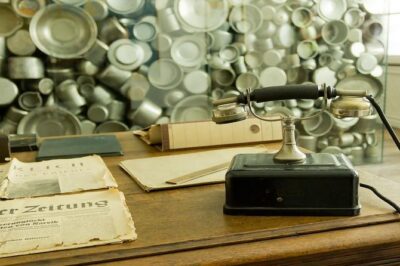
Krakow Schindler’s Factory Guided Tour with Admission Ticket
Read our review →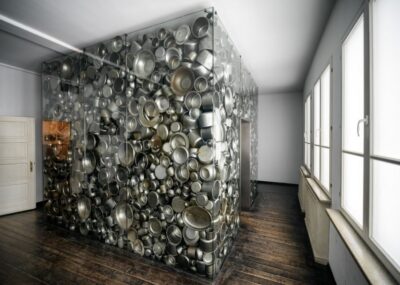
Kazimierz, Schindler’s Factory & Ghetto Guided Tour
Read our review →Browse the lists this tour appears in