
Reviewed · CYCLING TOURS
Krakow: Hidden Bike Tour
Krakow Hidden Bike Tour is interesting because it uses bicycles to tell a story you do not normally get from postcards or the usual walking loop. You ride through parts of Krakow that most people skip, while a live guide connects streets to the hardest chapters of Poland in the 20th century.
What I especially like is the slow, relaxed pace on quality bikes, which makes it easier to actually hear the stories instead of rushing between sights.
One thing to consider: the route includes a hill you climb on foot to reach a viewpoint, so this tour is not a good fit if mobility is a challenge.
Key Highlights Worth Knowing
- WWII storytelling outside the usual old-town loop in areas that feel more local
- A Dutch-led guide (and you can often choose English or German as well), with time to explain each stop
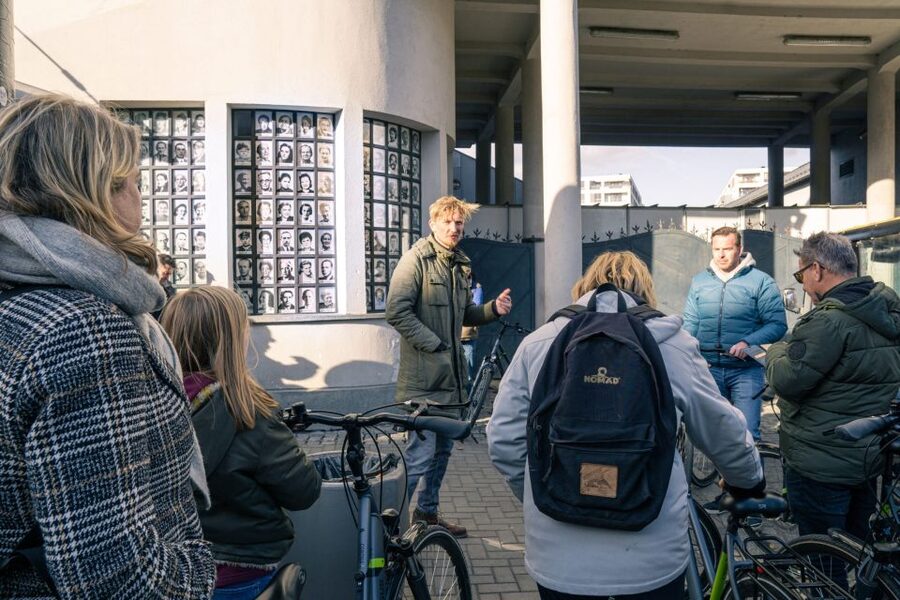
- Podgórze stops tied to the Jewish cemetery, the former ghetto area, and Schindler’s factory
- A park with statues of Polish heroes, paired with World War II and post-war context
- One hill climb on foot for a city viewpoint, built into the experience
- Helmets and ponchos are available when requested or needed, helping the ride stay comfortable
Why This Bike Tour Feels Different Than Typical Krakow Sightseeing
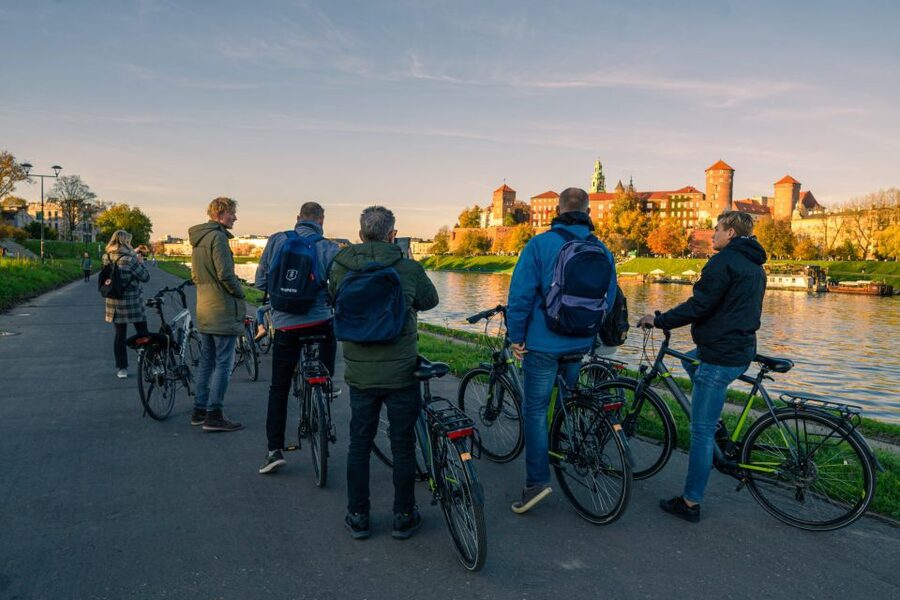
Krakow is full of visible history, from medieval streets to grand squares. This tour goes after the history that sits just off the main routes, the kind you usually only find if you plan extra time or know where to look. The bike is not just transportation here, it is part of the pacing. You get moving between locations without having to sprint through crowds.
The focus is also very specific, World War II and what happened to Poland afterward. That matters because the tour is not trying to be a general overview. Instead, you connect dots: heroism, suffering, survival, and the long after-effect on everyday Polish life.
And I like that the experience is framed for real people traveling through real schedules. At 3 hours, it is long enough to matter, but short enough that you are not stuck all afternoon when you also want to see other sights.
More Bike Tours in Krakow
- Complete Cracow Bike Tour (small group of maximum 15 people!)
★ 5.0 · 1,322 reviews - Krakow: Bike Tour of Old Town, Jewish Quarter and the Ghetto
★ 4.9 · 1,155 reviews - Highlights of Krakow Bike Tour – Small group
★ 5.0 · 662 reviews
The Ride Setup: Bikes, Helmets, and Keeping Comfortable
You start with a quality bicycle, and that is more important than it sounds. When a bike fits right and rides smoothly, the whole trip feels calmer. You can listen. You can stop when the guide wants to point something out. You are not doing battle with the handlebars the entire time.
The tour includes a helmet if you request it, and a poncho if weather turns. That is smart in Krakow, where the skies can change fast. If it is rainy, you will want to keep your hands steady and your attention on the guide, not on staying dry.
Also note what is not included. Food, drinks, and an e-bike are not part of the package. That means you should plan on bringing water, and you should assume it is a human-powered ride. If you prefer motor assist, this one may not match your expectations.
How the Route Stays Off the Beaten Path
This is a tour that deliberately avoids the most over-walked city-center loops. It centers on stories told outside the core old areas, including time in a park with statues dedicated to Polish heroes and World War II. That shift is huge. You experience Krakow as more than a museum of buildings. You feel the city’s edges, the neighborhoods where history is still tied to actual place.
You also get an experience that is designed to complement other major sites. It works well alongside Auschwitz, because it gives you additional background on Poland during the war and afterward. You come to Auschwitz with context, and then this tour helps you understand the wider Polish story that Auschwitz represents.
There is also a practical planning benefit. This Hidden Bike Tour does not overlap with the more classic bike route that covers the Old Town and the Jewish Quarter. So if you do both, you are not repeating the same streets.
World War II Stories You Hear While Riding Through Podgórze
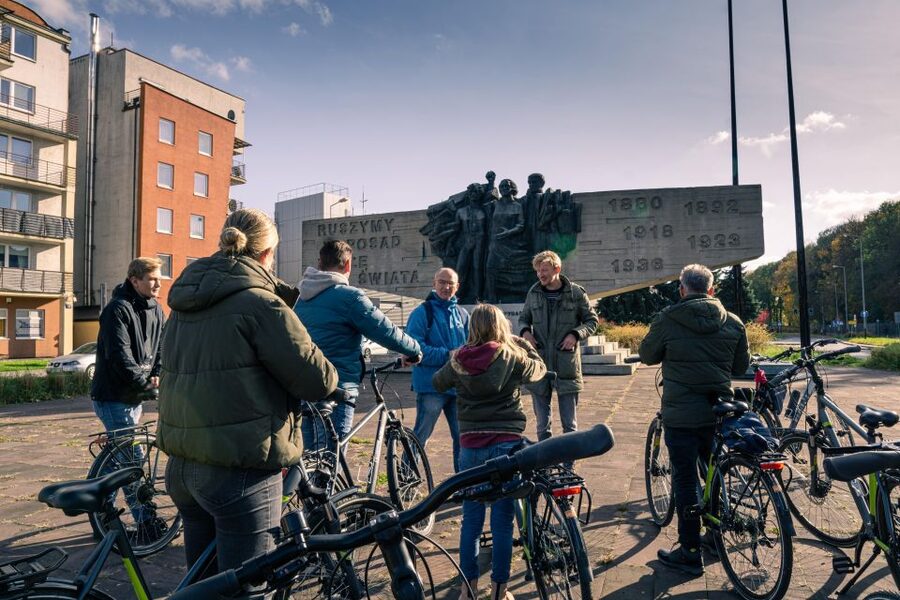
The most emotionally intense portion centers on the Podgórze district. This is where the tour links major WWII-related sites in one flow, rather than spreading them across multiple separate visits.
Here is what you should expect to encounter in this area:
- A Jewish cemetery, tied to the community that lived here
- Schindler’s factory, connected to rescue efforts during the Holocaust
- The former Jewish ghetto area, which gives you the spatial sense of how life was restricted
What I like about covering these in one ride is how the guide can connect them. A cemetery is not just a list of names when someone explains what the place meant. Schindler’s factory is not just a building when you understand why that building mattered. And the former ghetto area helps you grasp how the city’s layout reflected the cruelty of the period.
The guide’s job is not to throw facts at you. The goal is to make the places legible. You start to understand why this district is so heavy with memory, and why these sites do not feel like stand-alone stops.
Another way through a Krakow day:
- From Krakow: Auschwitz-Birkenau Guided Tour & Hotel Pickup
★ 4.5 · 33,358 reviews - From Krakow: Auschwitz-Birkenau Guided Tour & Hotel Pickup
★ 4.5 · 29,340 reviews - Krakow: Auschwitz Guided Tour with Optional Hotel Pickup
★ 4.5 · 15,280 reviews - Krakow: Wieliczka Salt Mine Tour with Entry Ticket
★ 4.6 · 10,927 reviews
The Park of Polish Heroes and the Post-War Story
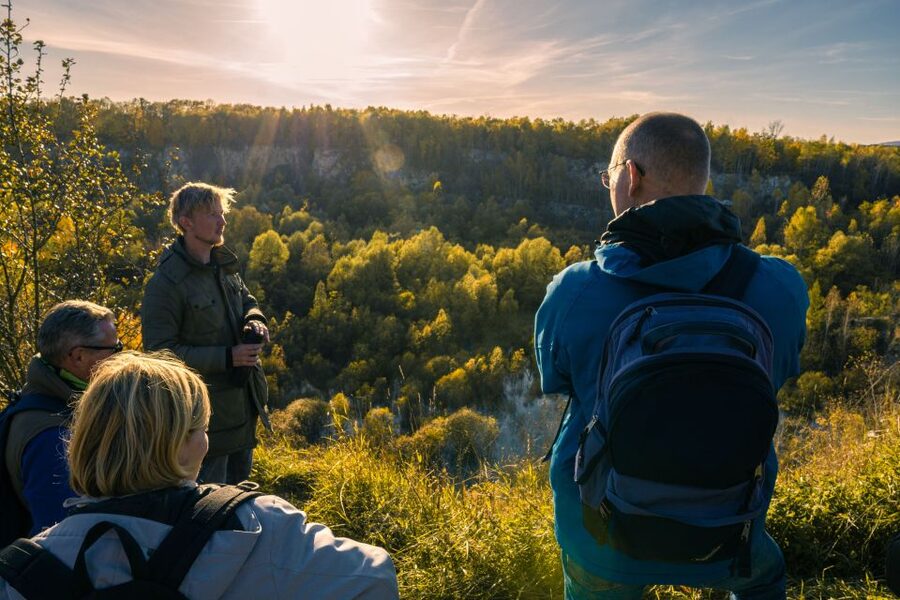
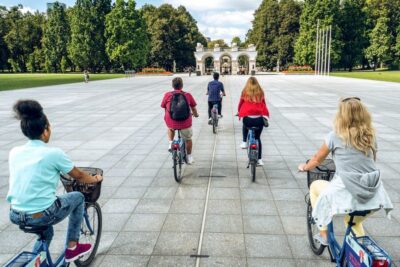
One part of the tour takes place in one of Krakow’s most beautiful parks, and it is not there for scenery alone. The park includes statues of Polish heroes, and you connect those figures to World War II themes and the country’s afterward.
This is a valuable moment if you want history with emotional shape. You see the symbols in a public space, then you hear the stories behind them. That combination helps history stick, because you are not only reading plaques. You are watching how memorial culture works in a real city park.
The tour also includes a reminder that Poland’s WWII role reached beyond its borders. For example, you will hear that Poland played a huge role in the liberation of the Netherlands and Italy. That context matters because many visitors think in narrow national storylines. Hearing the connection expands your understanding without turning the tour into a geography lecture.
The Hill Climb on Foot: Worth It, but Plan for It
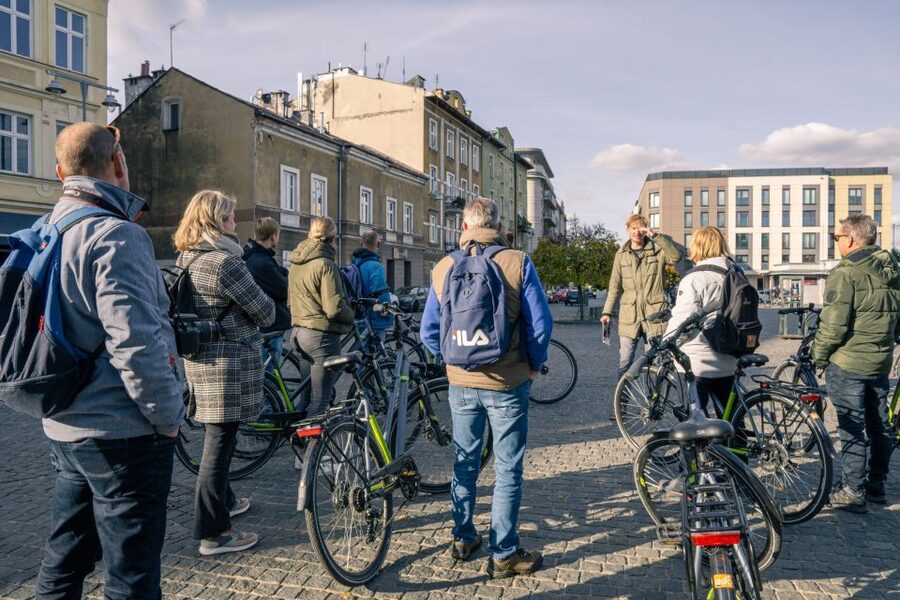
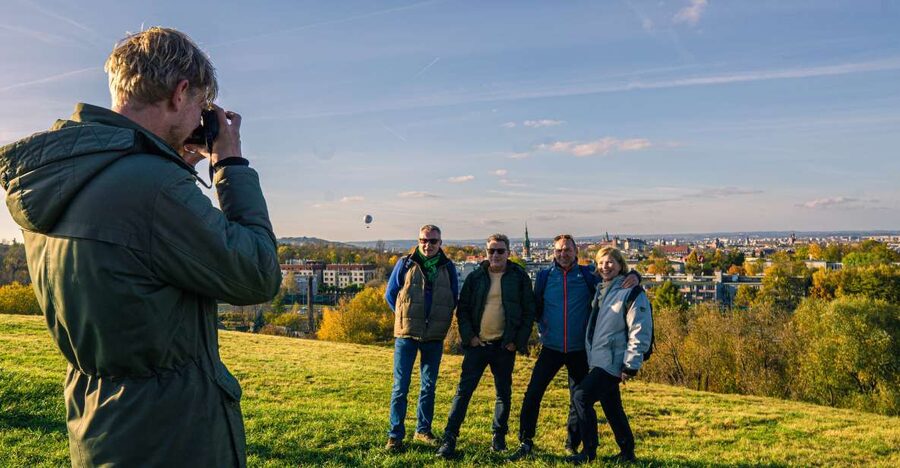
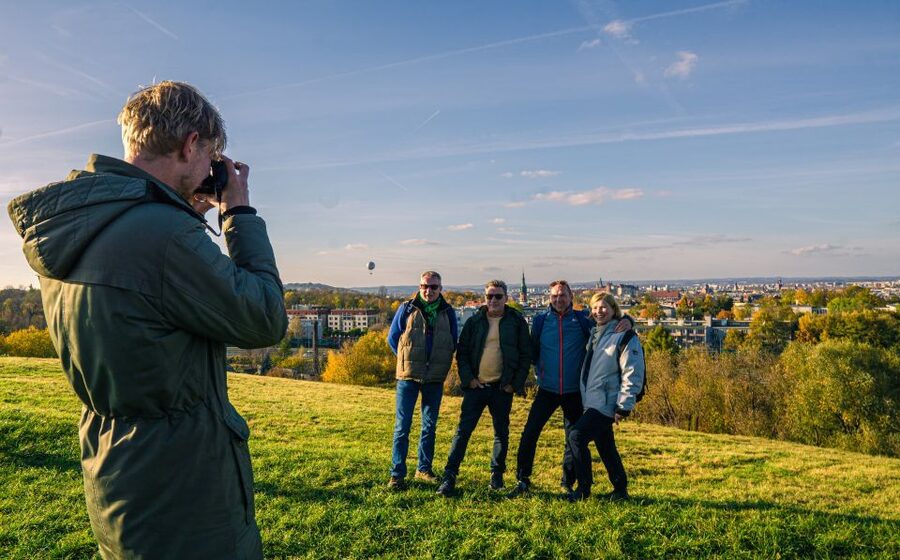
You should know up front: you will climb a hill by foot during the tour to reach a viewpoint. For many people, this is the one physical challenge.
Here is the practical way to think about it. The ride itself is relaxed, but you should expect short walking effort. You do not need to be an athlete, but you do need to be comfortable with the climb pace, especially if the day is warm or wet.
The pay-off is perspective. Viewpoints are where the city stops being an itinerary and starts being a place. When Krakow opens out in front of you from above, the stories you heard on the ground feel more connected to the city’s real geography.
If you have mobility impairments or need step-free routes, this tour is not suitable. That limitation is not negotiable, because the viewpoint requires that on-foot climb.
Pacing and Guide Style: Why People Rate This So Highly
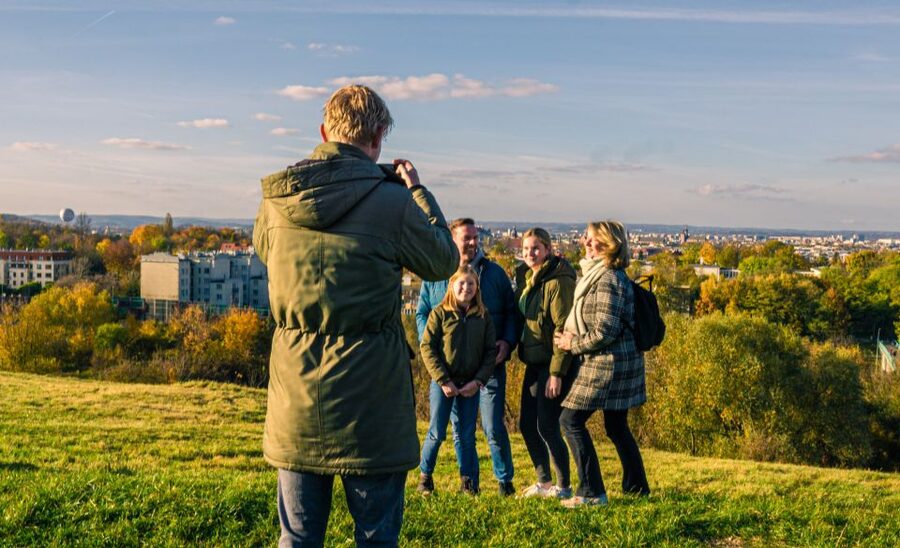
The biggest strength is the guide’s energy and how they manage the timeline. This tour works when you feel like the guide is in control of the story and the rhythm, not when you are being herded.
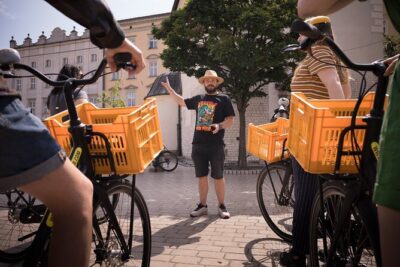
In the experience, the guide takes time at stops and tells stories with real enthusiasm. You get explanations that go beyond surface history, especially around Polish heroes and victims, and how those experiences shaped daily life.
You also get time for pauses. That sounds small, but it makes a difference. You stop, breathe, and reset your attention. It also gives you a chance to ask questions without feeling like you are slowing the group down.
And I think that is the secret sauce behind why the tour earns top ratings: it does not just cover places, it builds understanding. Good bikes and a relaxed pace help, but the storytelling style is the driver.
Where This Tour Fits Into Your Krakow Plan
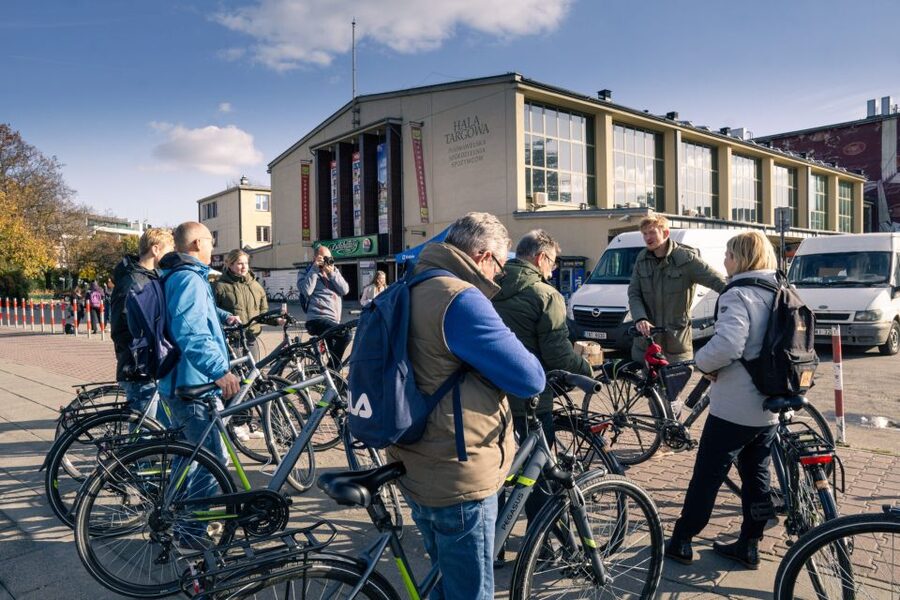
If you are doing Auschwitz, this bike tour is a strong companion. Auschwitz can feel like a single, overwhelming site unless you have wider background. This tour helps you place Poland’s WWII experience in a broader frame: the struggle, the aftermath, and how Polish identity was shaped under pressure.
If you are only doing one bike tour in Krakow, this one can be a great choice for a different angle. Classic loops often center on the big highlight zones. This one focuses more on what happened to Poland after it was invaded, and it does it through neighborhoods outside the center.
It also pairs well with walking time in the places you want to explore on your own. After the bike tour, you will know what to look for when you return to the main sights, and you will likely notice details you would have missed before.
Cost and Value: Why $41 Can Actually Make Sense Here
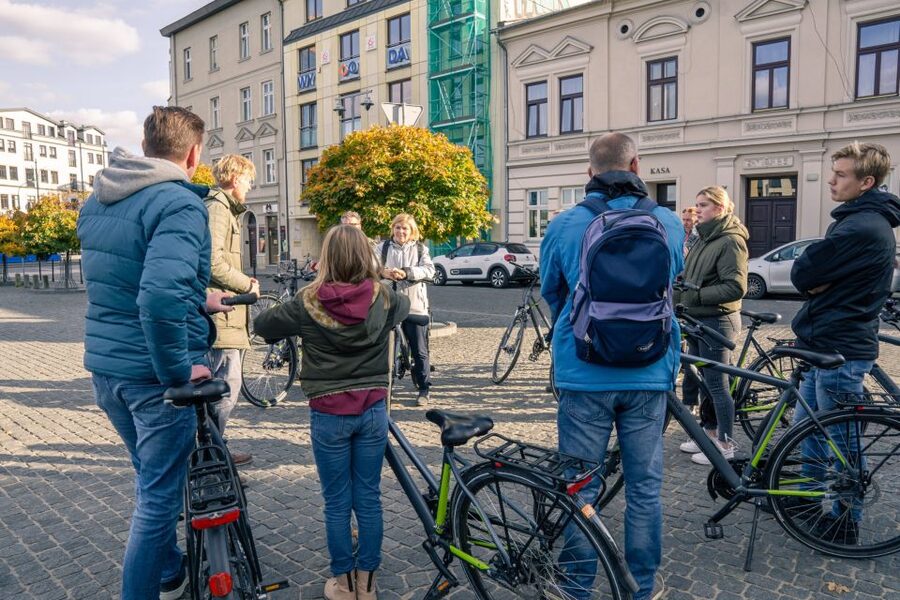
At about $41 per person for a 3-hour guided ride, the price is reasonable for what you are getting. You are paying for more than bikes and a guide. You are paying for:
- Expert local storytelling tied to specific locations
- A focused WWII route rather than a generic overview
- Quality bicycles, plus comfort supports like helmets and ponchos when needed
- A schedule that balances movement with enough time to listen
You can spend money in Krakow on tickets to individual sites, and sometimes you still walk away with disconnected impressions. Here, the guide stitches the impressions together as you go. That storytelling component is what turns a ride into a real learning experience.
The main value risk is the lack of e-bikes. If you require motor assistance, you may feel limited. If you are comfortable riding and walking a hill, the cost starts to look very fair.
Who Should Book This (and Who Should Skip It)
This tour fits well if you want:
- A guided history experience that stays moving
- WWII focus, including Poland afterward
- Quiet, less crowded areas outside the core highlights
- A relaxed pace that still feels educational
It may not fit if:
- You cannot handle a hill climb on foot
- You need an e-bike
- You expect food and drinks to be included (plan to bring water and snacks, just not included in the price)
If you like human-scale group experiences where the guide has time to explain, this tour is a good match. The small details matter, like the way the guide takes breaks and how the route avoids turning into a sprint.
Should You Book the Krakow Hidden Bike Tour?
Book it if you want a WWII-focused Krakow experience that goes beyond the obvious sights and gives you context you can carry into other visits like Auschwitz. The combination of quality bikes, a Dutch-led guide, and a route that includes Podgórze, Schindler’s factory, a Jewish cemetery area, and a park with Polish hero statues makes it feel purposeful, not random.
Skip it if the hill climb on foot would be a problem for you, or if you need an e-bike. Also skip it if you are hoping for a food-centered tour, because refreshments are not included.
Overall, this is one of those half-day plans that tends to stick with you. You ride through the city and leave with stories that explain why the places look the way they do, and why they matter.
FAQ
How long is the Krakow Hidden Bike Tour?
The tour lasts 3 hours.
Where does the tour mainly take place?
It focuses on areas outside Krakow’s city center, including time in a park and visiting the Podgórze district.
What sites are included in the Podgórze part of the tour?
You will visit areas including a Jewish cemetery, Schindler’s factory, and the former Jewish ghetto area.
What languages are available for the guide?
The tour offers guides who speak English, Dutch, or German depending on your preference, and Dutch is listed as an available language.
Is food and drinks included?
No, food and drinks are not included.
Are e-bikes included?
No, e-bikes are not included.
Is there any walking during the tour?
Yes. You will climb a hill on foot to reach a viewpoint.
Is the tour suitable for people with mobility impairments?
No, it is not suitable for people with mobility impairments due to the on-foot hill climb.
Fresh Krakow reviews
- Czestochowa Black Madonna Private Day Tour from Krakow★ 5.0 · 18 reviews
- Zakopane PRIVATE TOUR from Krakow★ 5.0 · 18 reviews
- Krakow City Pass – Museums, Atractions & City Transport★ 4.0 · 18 reviews
- Chopin Candlelight Concert with Wine in Krakow★ 5.0 · 18 reviews
- Krakow: Garden of Lights Pinocchio Entry Ticket★ 4.7 · 18 reviews
- Half-Day Wieliczka Salt Mine Tour from Krakow★ 5.0 · 18 reviews
- Auschwitz Birkenau Memorial and Museum group tour from Krakow★ 5.0 · 18 reviews
- Krakow: Schindler’s Factory & Ghetto Guided Tour★ 5.0 · 18 reviews
Cycling Tours, compared.
Complete Cracow Bike Tour (small group of maximum 15 people!)
Read our review →
Bike Tour of Old Town, Jewish Quarter and the Ghetto
Read our review →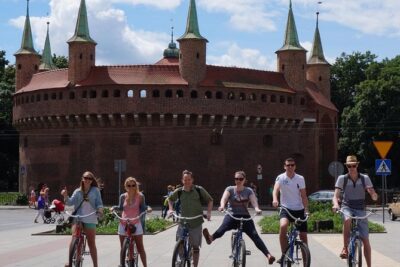
Full Bike Tour – the Old Town, Jewish Qtr & the Ghetto NEW BIKES
Read our review →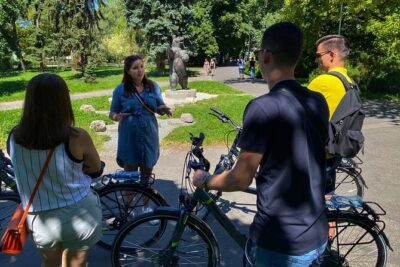
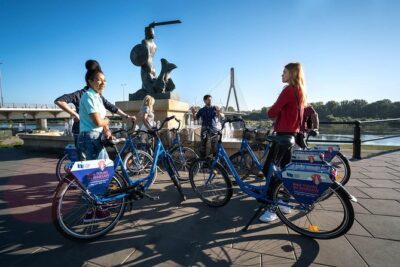
Half-Day Warsaw City Sightseeing Bike Tour for Small Group
Read our review →
Browse the lists this tour appears in