
Reviewed · MUSEUMS IN KRAKOW
Krakow: Archdiocesan Museum Entry Ticket
The Archdiocesan Museum in Kraków is interesting because it turns religion into something you can actually see and study, from medieval devotion to 19th-century spirituality, all in one visit. I especially like how the collection spans 13th to 19th-century sacred art without feeling like a textbook. I also like the museum’s very human connection to John Paul II and Cardinal Karol Wojtyła.
My only real caution is that this is a self-paced stop, so if you want heavy narration, you may need to read labels and take your time. For most people, that is also the fun part, but plan an hour or two longer than you think if you care about details.
If you like art that has a backstory, or you want a calmer counterpoint to Kraków’s big sights, this ticket is a strong pick at the price.
Key things to know before you go
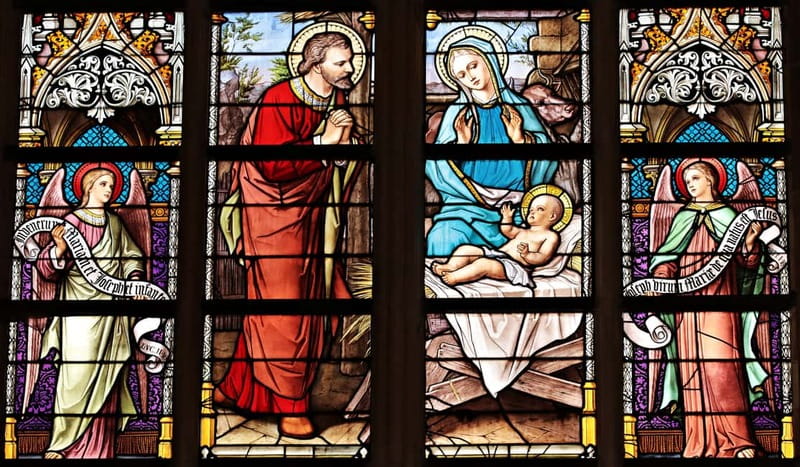
- Sacred art from the 13th to the 19th century in one museum route
- John Paul II and Cardinal Karol Wojtyła gifts and souvenirs, including objects tied to his life
- Teresa Stankiewicz and Fryderyk Pautsch paintings for a later, more modern religious eye
- Medieval icons, baroque sculpture, and decorated liturgical objects across different eras
- Skip-the-ticket-line entry so you can get moving fast
Entering The Archdiocesan Museum at Kanonicza 19/21
Your day starts at Kanonicza 19/21, a good address to plug into your map app before you leave. This ticket is an entry pass, so you are not tied to a group rhythm. You walk in, get your bearings, and go at the pace that fits your attention span.
What I like about museums like this is that they reward slow looking. Sacred art can feel “obvious” at first glance, but the meaning often lives in the symbols, the materials, and the way objects were made for worship. If you’re in Kraków for a short time, this is one of the better places to add depth without committing to a full guided tour.
Also, the museum is wheelchair accessible, which matters in a city where some older buildings can be hit-or-miss. If mobility is part of your planning, this is an easy tick on your checklist.
More Museums in Krakow
- Auschwitz-Birkenau Museum and Memorial Guided Tour from Krakow
★ 4.5 · 1,510 reviews - Krakow: Rynek Underground Museum Guided Tour
★ 4.6 · 1,122 reviews - Krakow: City Card with Public Transport and Museums
★ 3.9 · 675 reviews
Ticket Value: Why $4.19 is more than a bargain
For about $4.19 per person, you are buying entry to a museum that focuses tightly on sacred art gathered in one place. That focus is what makes the ticket feel like value, not just cheap pricing.
Instead of bouncing between unrelated exhibits, you get a clear theme: how the Church shaped art and how artists shaped religious experience. That matters because you spend your time understanding one long story, from medieval devotion through later artistic movements.
One practical plus is that you get skip-the-ticket-line entry. In busy seasons, that alone can be worth the ticket, since it turns your first minutes from waiting into walking.
The Big Theme: 13th to 19th-century sacred art in one route
The museum’s core strength is its timeline. You can see sacred art running from the 13th through the 19th century, which gives you a sense of change over time rather than a single snapshot. I like this approach because it helps you notice when art techniques and religious tastes shift.
As you move through the galleries, you’ll encounter different types of works, including medieval icons, baroque sculpture, and liturgical objects with strong decorative detail. These objects were made for use in worship, so even when a piece looks purely “artful,” it still has an original job in ceremony and devotion.
If you’re the kind of traveler who likes to learn by looking, this museum is built for that. You do not need to be an art historian to follow the eras, and the labels do the heavy lifting. You just need to slow down long enough to let the differences register.
Possible drawback to keep in mind: because it’s self-paced, your experience will depend on how much you like reading interpretive text and studying objects up close. If you only want big, obvious highlights with minimal effort, you might finish faster and feel like you skimmed.
John Paul II and Cardinal Karol Wojtyła Rooms: Where the story turns personal
A standout part of the visit is the museum’s special link to Saint John Paul II. You can see gifts presented to him during his papacy, and you can also view personal items connected to his earlier life as Cardinal Karol Wojtyła.
I really like this because it takes the idea of faith and makes it human. A lot of religious museums stay on symbols and saints. Here, you get a bridge to a real person in modern history, which can make the whole collection feel more immediate.
Even if you don’t come with deep knowledge of Catholic history, these sections give you an entry point. The gifts and belongings are not just curiosities. They help you understand how art, devotion, and public life can overlap.
If you care about modern Polish identity, this connection is one of the reasons the museum often feels emotional to visitors. You can sense why Kraków people have real affection for this chapter of their own story.
Another way through a Krakow day:
- From Krakow: Auschwitz-Birkenau Guided Tour & Hotel Pickup
★ 4.5 · 33,358 reviews - From Krakow: Auschwitz-Birkenau Guided Tour & Hotel Pickup
★ 4.5 · 29,340 reviews - Krakow: Auschwitz Guided Tour with Optional Hotel Pickup
★ 4.5 · 15,280 reviews - Krakow: Wieliczka Salt Mine Tour with Entry Ticket
★ 4.6 · 10,927 reviews
Painting Stops: Teresa Stankiewicz and Fryderyk Pautsch
The museum also includes paintings by Teresa Stankiewicz and Fryderyk Pautsch. That matters because the story doesn’t stay stuck in medieval forms or baroque style.
Religious art changes as artists respond to their era. With these painters in the mix, you get a chance to compare symbolism and style across centuries, not just watch the timeline blur into one long period.
What I find practical for you as a viewer is this: if you feel like sacred art from earlier centuries is too formal or too symbolic, the later works can help you reset your expectations. You may see more emphasis on mood, composition, or interpretation, even while the subjects remain tied to faith.
How to Plan Your Self-Paced Visit in One Day
This entry ticket is valid for one day, and you can check availability for starting times. Since it’s self-paced, you are in charge of how long you stay, and that is usually the best kind of planning for independent travel.
Here’s a simple, realistic way to structure it once you’re inside:
- Start with the earliest sections, so your eye learns the visual language of medieval icons and devotional objects.
- Move forward through the eras, so the baroque sculpture and liturgical pieces show you how style and craftsmanship evolve.
- Pause at the modern connections, especially the John Paul II and Wojtyła material, because it changes the tone from art history to real life.
- Finish with the paintings by Teresa Stankiewicz and Fryderyk Pautsch, so you leave with a broader sense of religious art as a living tradition.
How long should you aim for? The ticket says 1 day, but the practical answer is you should give it enough time to actually look at objects, not just walk past them. If you read carefully and take photos, plan on a longer visit than a typical quick gallery stop.
One more tip: if you’re pairing this with other Kraków sights the same day, keep your schedule flexible. Museums like this work better when you can slow down instead of rushing to the next appointment.
What Makes This Museum Worth Your Time, Beyond Pretty Objects
The museum is called Archdiocesan Museum for a reason. It’s not just a place to collect pretty things. It shows how the Church has helped shape what art looked like, what it was for, and how people understood sacred space.
That’s why the mix matters. Liturgical objects show function. Sculpture shows craftsmanship and dramatic storytelling. Icons and paintings show symbolic meaning. When you see them together, you start to understand that sacred art is not one genre, it’s a toolkit for devotion.
I also like how the museum frames the collection as gathered in one place, meaning you are not chasing scattered fragments across multiple sites. For a single ticket, that concentration saves you time and makes the experience easier to fit into an itinerary.
Opening Hours Matter: Don’t plan blindly
Opening hours might differ from what you see on the product page, due to circumstances. So check the official website before you go, especially if you’re traveling at a busy time of year or on a tight schedule.
This is one of those small details that saves a lot of stress. When you’re traveling, one museum being closed can quietly ruin a day.
Who This Visit Suits Best
This experience is a strong match if you:
- enjoy sacred art and want to see it across centuries
- like museums where you can go at your own pace
- want a meaningful Kraków stop tied to John Paul II and Cardinal Karol Wojtyła
- appreciate both older devotional objects and later religious painting
It may be less satisfying if you:
- want a guided talk with lots of spoken context
- prefer very modern museums or purely secular art
- only want quick photo stops and minimal reading
Should You Book the Kraków Archdiocesan Museum Ticket?
I’d book this if you want a high-value cultural stop that is focused, calm, and meaningful. For $4.19, you get a coherent theme, a clear time span from the 13th to the 19th century, and a special personal connection to John Paul II.
Skip-the-line entry helps you keep your day smooth, and the museum’s accessibility is a practical advantage. The only reason to hesitate is if you know you hate self-paced museums or you want strong narration without reading.
If you’re curious about how faith and art shaped Polish culture, this is one of those places where your time feels well spent.
FAQ
Where is the Archdiocesan Museum meeting point?
The meeting point is Kanonicza 19/21.
How long is the experience?
The ticket is valid for 1 day.
What does the entry ticket include?
It includes entry ticket access to sacred art from the 13th to the 19th century, including gifts of Holy Father John Paul II and items connected to Cardinal Karol Wojtyła (souvenirs). It also highlights paintings by Teresa Stankiewicz and Fryderyk Pautsch.
Does the ticket help me avoid waiting in line?
Yes. The offer includes skip-the-ticket-line entry.
Is the museum wheelchair accessible?
Yes. The museum is listed as wheelchair accessible.
What should I know about opening hours?
Opening hours can differ from what you see on the product page, so check the official website before you go.
Is free cancellation available?
Yes. You can cancel up to 24 hours in advance for a full refund.
Fresh Krakow reviews
- Zakopane PRIVATE TOUR from Krakow★ 5.0 · 18 reviews
- Czestochowa Black Madonna Private Day Tour from Krakow★ 5.0 · 18 reviews
- Chopin Candlelight Concert with Wine in Krakow★ 5.0 · 18 reviews
- Krakow City Pass – Museums, Atractions & City Transport★ 4.0 · 18 reviews
- Krakow: Garden of Lights Pinocchio Entry Ticket★ 4.7 · 18 reviews
- Half-Day Wieliczka Salt Mine Tour from Krakow★ 5.0 · 18 reviews
- Auschwitz Birkenau Memorial and Museum group tour from Krakow★ 5.0 · 18 reviews
- Krakow: Schindler’s Factory & Ghetto Guided Tour★ 5.0 · 18 reviews
Museums in Krakow, compared.
Auschwitz-Birkenau Museum and Memorial Guided Tour from Krakow
Read our review →

Krakow Schindler’s Factory Museum Guided Tour in English
Read our review →
Browse the lists this tour appears in