
Reviewed · HISTORICAL TOURS
Historic City Center Tour Gdansk in German
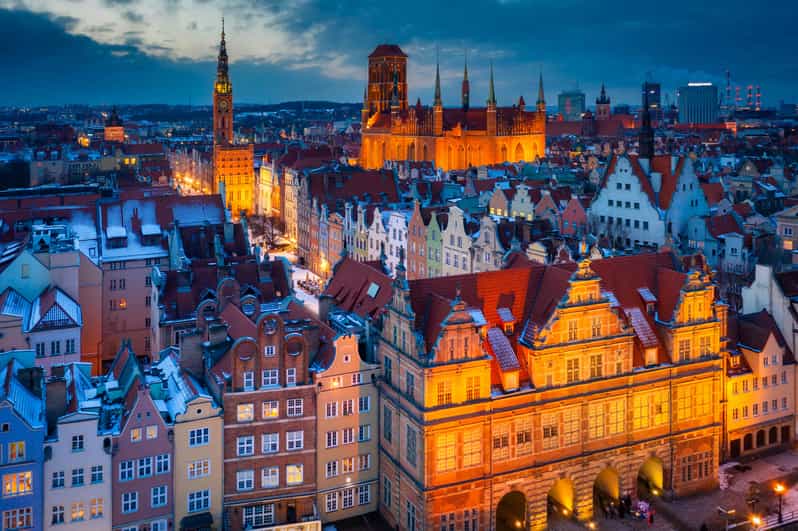
What makes this Gdansk historic-center walk so interesting is how the city’s story hits you at street level. You start at the Golden Gate, then move through landmarks that explain how everyday people shaped the place over centuries, including at St. Mary’s Church. It feels less like memorizing facts and more like following clues you can actually see.
Two things I like a lot are the mix of big sights and civic details, and the chance to hear the city connected as one long narrative, not disconnected postcard stops. If there’s one drawback to plan for, it is that the pacing can include lots of historical dates and church-related context, so you may want to decide early what you want to remember.
If you like walking at a steady pace and you’re open to learning in layers, this is a smart way to spend 150 minutes in the Old Town.
Key things you will notice on this tour
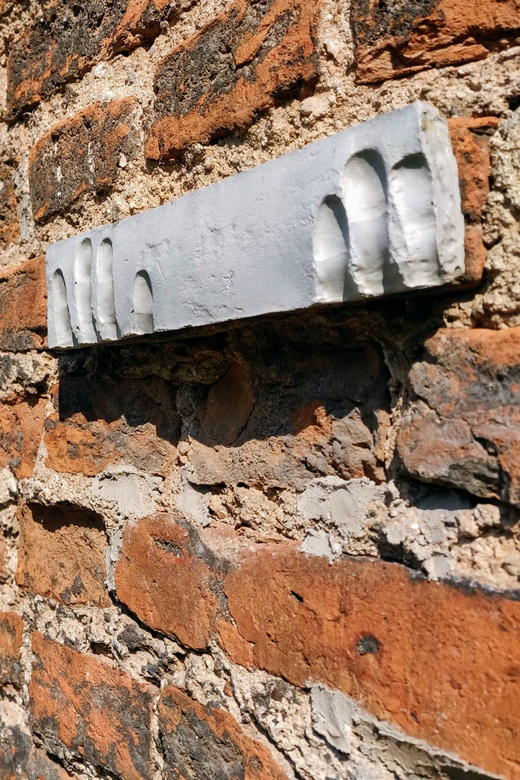
- Złota Brama, the Golden Gate meeting point, easy to find, with yellow umbrellas to spot your group fast
- St. Mary’s Church, described as the largest brick church in the world, built for scale and staying power
- Right-town town hall, a window into how the city ran itself and how power showed up in architecture
- Arthur’s Court, a named stop that adds texture beyond the headline sights
- The medieval crane, said to be the largest in Europe and moved by human muscle power
- Polish Post Office in the Free City of Danzig, where communication history fits the bigger city story
Starting at Złota Brama: how you get oriented fast
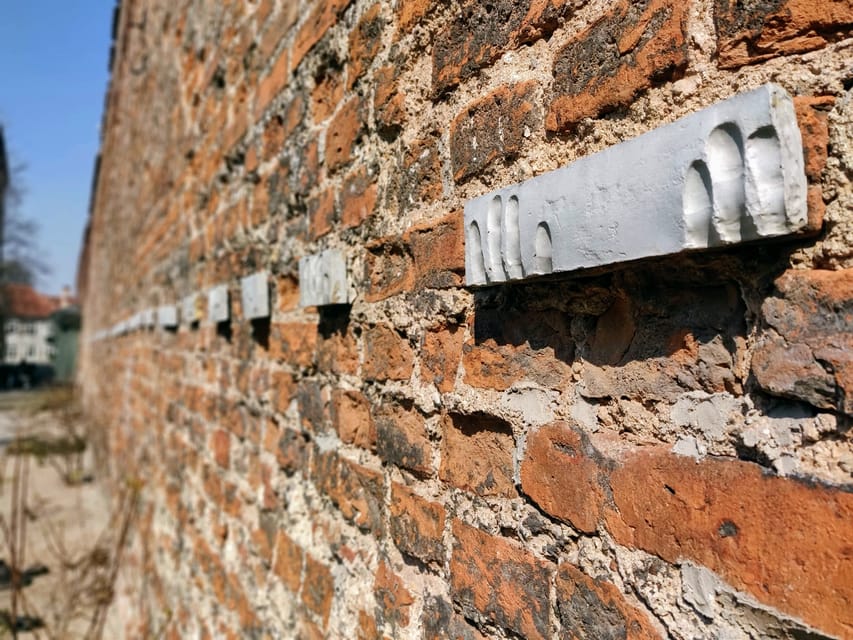
This tour begins where the Old Town still feels like it has edges and boundaries: the Golden Gate (Złota Brama). Even if you arrive in Gdansk already curious, that starting point helps you understand what you are about to see. Gates were more than decoration. They set the rhythm of entry, commerce, and civic life, and they give you a natural first reference point for the walk.
Look for yellow umbrellas at the meeting spot. That sounds small, but it matters. When you are traveling in a new city, the biggest time-waster is not the walk itself, it is confusion at the start. With a clear landmark and visible umbrellas, you can get into the story right away.
Because the tour is 150 minutes, you should expect a comfortable but focused walk. You will not have time to meander for fun on every side street. Instead, you will move from stop to stop in a way that makes the history make sense as you go.
More City Tours in Gdansk
- Gdansk: City Cruise on Historical Polish Boat
★ 4.8 · 2,913 reviews - Gdańsk City Sights & History Guided Walking Tour in English
★ 4.8 · 876 reviews - Gdansk: Shared or Private City Tour Sightseeing by Golf Cart
★ 4.9 · 754 reviews
Golden Gate and High Gate: learning from the gates you can actually see
One of the strengths of this tour is that it treats architecture like evidence. You do not just look, you also listen for meaning. After the Golden Gate, you pass the High gate as another named stop that reinforces the theme of access and control in old cities.
Here is the practical value: gates help you understand why streets feel the way they do. When you walk cobbled lanes, you are feeling old routes where people, goods, and ideas had to pass through limited points. That is how you get a better sense of why the city center grew where it did.
If you enjoy photo-taking, this is also where you can frame good shots. Tall façades, street angles, and the classic Old Town layout make for images that look like postcards, but you will know the context behind them. That is the difference between taking pictures and building memories you can explain later.
St. Mary’s Church: the brick giant that changes your sense of scale
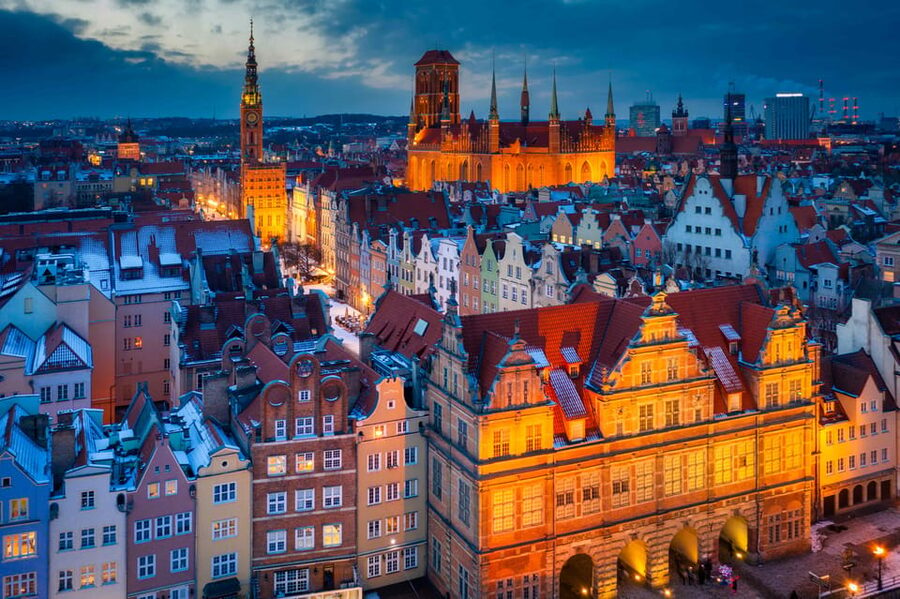
Then comes the headliner: St. Mary’s Church. The tour highlights it as the largest brick church in the world, and once you are in front of it, that claim clicks into place through sheer size. Big churches can feel abstract on a map. In person, they change your scale. You start seeing the surrounding buildings differently because you understand what the church anchors.
The value here is not just the monument itself. It is how the guide connects the church to the wider city story, including the religious and civic forces that shaped Gdansk over time. One of the reviews noted that church history can sometimes be a bit heavy or stretched out. So my advice is simple: if you are not interested in long church background, focus on the big ideas the guide is pointing at, then let the extra detail pass without trying to memorize everything.
If you do like history told with energy, you are in good hands. On German-language tours, the best guides tend to keep you moving and make you feel like you are learning with a purpose. In colder months, that matters even more. Bring warm layers, because the tour runs rain or shine, and winter cold can make you want to rush. A good guide will keep the experience engaging even when you are dressed like a walking furnace.
Right-town town hall and Arthur’s Court: where civic life shows up
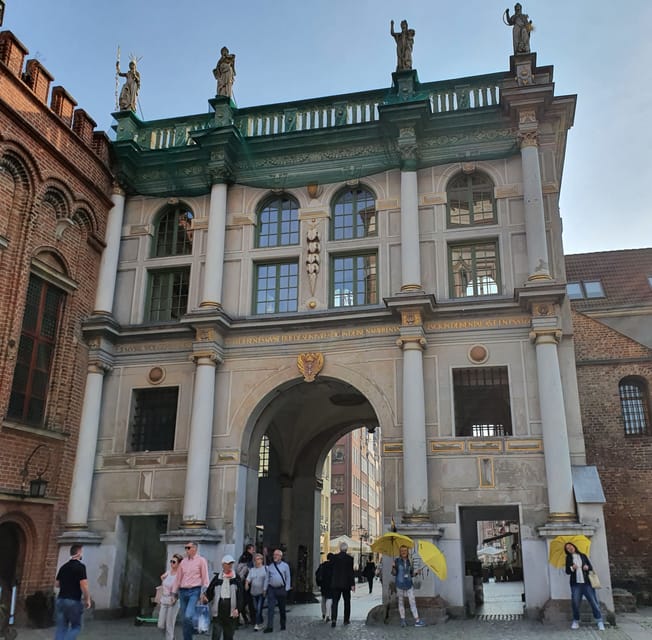
After the church, the tour shifts to civic landmarks, and that is a smart move. Too many city walks over-focus on monuments. Here, you get Right-town town hall, which gives you a chance to see how governance and public life were built into the city. Even if you do not catch every detail, the point is clear: power does not live only in palaces. It also shows up in the buildings where decisions were made.
Then there is Arthur’s Court. The name alone makes it worth pausing. On this kind of stop, you typically learn what the setting meant for everyday city life and why the building still matters in the present. You will likely appreciate this stop most if you enjoy the smaller, characterful aspects of Old Town architecture. It adds variety after the big visual anchors.
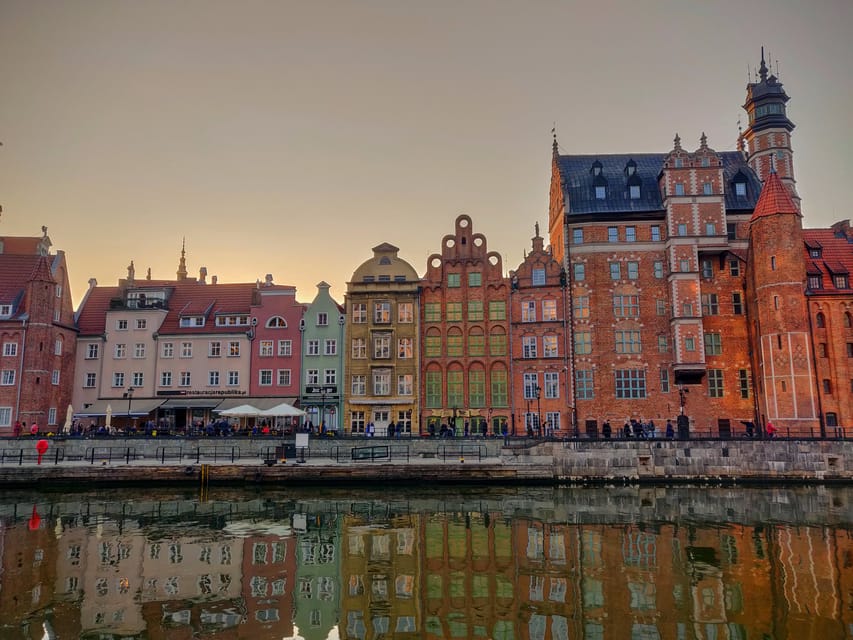
I like that the route does not treat each stop as a random “check the box.” It keeps pulling your attention back to the idea that Gdansk was shaped by local people with ideas, not only by external forces. The tour specifically frames this through the indigenous people of Gdańsk and the great ideas they created, which turns the walk into a story about agency.
More Historical Tours in Gdansk
- Gdańsk: Sunset Cruise on a Historic Polish Boat
★ 4.9 · 977 reviews - Gdansk: Jewish Heritage Guided Private Walking Tour
★ 5.0 · 4 reviews
The medieval crane: labor, ingenuity, and muscle power
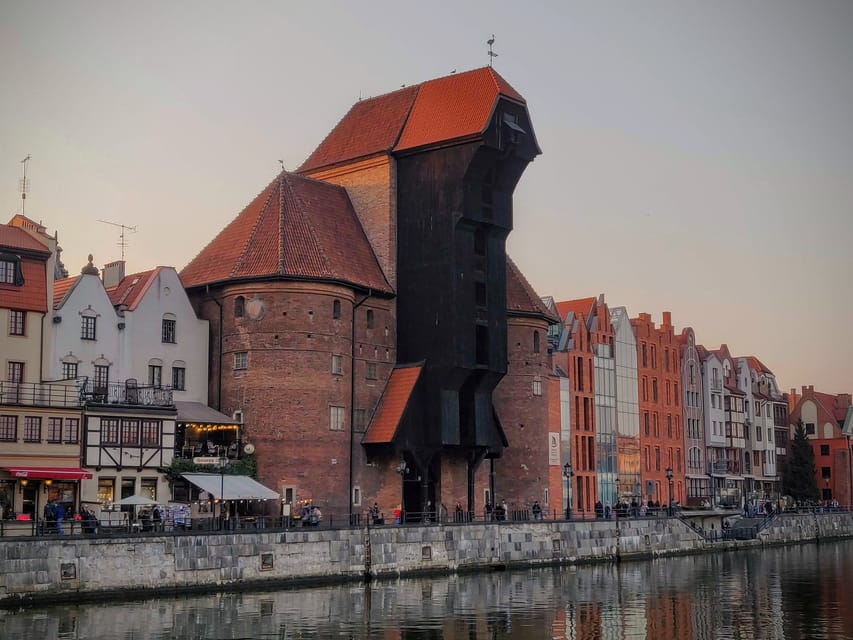
Next up is one of Europe’s most memorable machines: the crane, described as the largest medieval crane in Europe. You might think of cranes as industrial, modern gear. This one is different. The tour connects it to a time when lifting heavy loads depended on human muscle power, which makes the structure feel more human than mechanical.
Here is what I think you will take away if you listen closely. When you see a crane like this, you stop treating trade as an abstract economic word. You start imagining the physical effort behind shipping, unloading, and moving goods through the harbor city. The city’s prosperity was not automatic. It required tools, teamwork, and a willingness to solve practical problems.
This stop also gives your brain a break from churches and town halls. It is still history, but it is history you can touch with your imagination. It is also a great place for photos because you can often get the crane framed with nearby streets and buildings.
Polish Post Office in the Free City of Danzig: communication as power
Finally, the tour includes the Polish Post Office in the Free City of Danzig. This is a thoughtful addition because it shifts the focus from buildings that represented authority to a place tied to messages and movement of information.
The “Free City” context matters here. When cities gain special political status, communication becomes even more important. A post office is where letters, documents, and official signals travel. So you get a bridge between the city’s political landscape and the everyday tools people used to stay connected.
This is also a good moment to reflect on the tour’s theme: local ideas shaping local outcomes. If you want history that feels usable, look for the connection between civic institutions, trade infrastructure like the crane, and communication systems like the post office. It is one system, not separate stories.
Price and value: what $26 buys you in real terms
At $26 per person for 150 minutes, this tour sits in the “good value for time and guidance” category. You are not just paying for access to landmarks. You are paying for a live German guide who turns a pile of sights into one connected narrative.
Walking tours can become hit-or-miss if the guide only lists dates and names. The tour ratings are strong, and the German-language feedback you have suggests a clear pattern: engaging explanations and helpful recommendations. One highlight you can plan for is asking your guide for practical food stops, because some guides, including Sandra in at least one session, are known for offering good suggestions for where to grab a coffee or a meal after the walking part ends.
Still, you should be honest with yourself about pacing. If you hate hearing lots of historical details in one go, you may find parts of the tour information-dense. That does not make it bad. It just means you should come with a strategy: listen for the main threads, and let secondary details land when they do, instead of trying to catch everything.
Tips for getting the most out of the German-guided walk
This is a German-language tour. If you are comfortable with basic listening, you will get a lot out of it. If German is hard for you, do not worry, the setting does the visual work. But you will still want to focus on the landmarks and the guide’s connections between them.
A few practical moves can help:
- Dress for outdoor time and cold. The tour runs rain or shine, so plan for real weather, not just forecast optimism.
- If you like structure, take quick notes on the main stops: Golden Gate, St. Mary’s Church, town hall, crane, post office. You can fill details later.
- If you want shorter explanations, ask questions. A good guide can often adjust on the spot and give you the version you can actually hold in your head.
- If it is winter, warm layers matter. In at least one winter session, cold weather did not stop the tour from feeling pleasant and engaging, but you still need to be physically comfortable.
Who should book this tour, and who might skip it
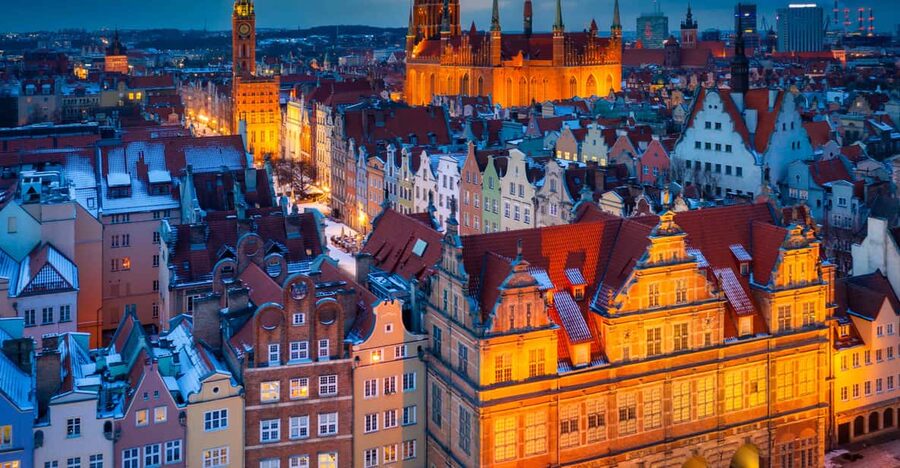
This tour is a strong fit if you want:
- A guided walk through Gdansk’s key Old Town landmarks without wasting time figuring out what is where
- A story-led approach, with the church, town hall, crane, and post office connected into one narrative
- German practice in a real-world setting, with enough stopping points to stay engaged
You might consider skipping or choosing a smaller private option if:
- You prefer very short explanations with minimal dates
- You know you want a more personal pace and less group flow
- You are specifically looking for a lighter focus on church context
Should you book this Historic City Center Tour in German?
Yes, if you value a guided, signpost-based walk and you like history that connects institutions, labor, and communication. For $26, you get a focused 150-minute route with major sights like St. Mary’s Church, the medieval crane, and the Free City post office, all framed by a German live guide.
Book it if you are going to be in Gdansk anyway and you want the Old Town to make sense fast. I would also book it if you are traveling in cold season, because the tour is designed to keep moving and stay engaging even in chilly conditions.
FAQ
How long is the Historic City Center Tour in Gdansk?
The tour lasts 150 minutes (about 2.5 hours).
Where does the tour meet?
You meet at the Golden Gate (Złota Brama). Look for yellow umbrellas.
What language is the guide?
The live tour guide speaks German.
What is included in the price?
The price includes a walking tour and a guide.
Is hotel pickup or drop-off included?
No, hotel pickup and drop-off are not included.
Is the tour wheelchair accessible?
Yes, the tour is wheelchair accessible.
Will the tour run in bad weather?
Yes, it takes place rain or shine.
How much does the tour cost?
The price is $26 per person.
Can I cancel for a refund?
Yes. You can cancel up to 24 hours in advance for a full refund.
Can I reserve and pay later?
Yes. You can reserve now and pay later.
Fresh Gdansk reviews
- City Game Tour Gdańsk★ 5.0 · 19 reviews
- Room of Plenty★ 4.5 · 19 reviews
- Sopot Private City Walking or Bike Tour with a local architect★ 5.0 · 19 reviews
- Electric Scooter Tour: Old Town Tour – 1,5-Hour of Magic!★ 5.0 · 19 reviews
- First Time in Gdańsk? Private Tour of Old Gdańsk’s Highlights★ 5.0 · 20 reviews
- Gdańsk Shore Excursion: Private Gdańsk, Sopot & Gdynia Tour★ 5.0 · 20 reviews
- Private Transfer Gdansk City Center to Gdansk Airport (GDN)★ 5.0 · 21 reviews
- Malbork Castle Tour: 6-Hour Private Tour to The Largest Castle in The World★ 5.0 · 21 reviews
Historical Tours, compared.

POLIN Museum of the History of Polish Jews Ticket
Read our review →

Gdańsk City Sights & History Guided Walking Tour in English
Read our review →

Tipsy Polish Food Tour With History, Pierogi & Shots
Read our review →

Small-Group Historical Guided Tour of Warsaw with pick up/drop off. Public Tour.
Read our review →Browse the lists this tour appears in