
Reviewed · GDANSK TOURS
Gdansk: European Solidarity Centre Guided Tour
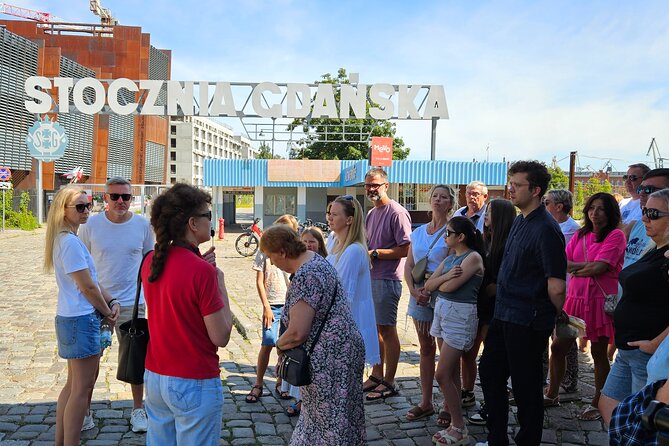
This guided tour is interesting because it treats history like a living argument, not a set of quiet labels. You walk through how ordinary people challenged communist power, and you do it with a real guide keeping the story clear.
I love the interactive, modern museum style and how it uses recreated scenes, multimedia, and key negotiation moments. I also like that you do not just focus on Poland, you follow Solidarity’s influence across Eastern Europe and beyond.
One possible drawback is practical: the tour involves climbing and descending staircases, and you cannot bring luggage or large bags inside.
Key takeaways before you go
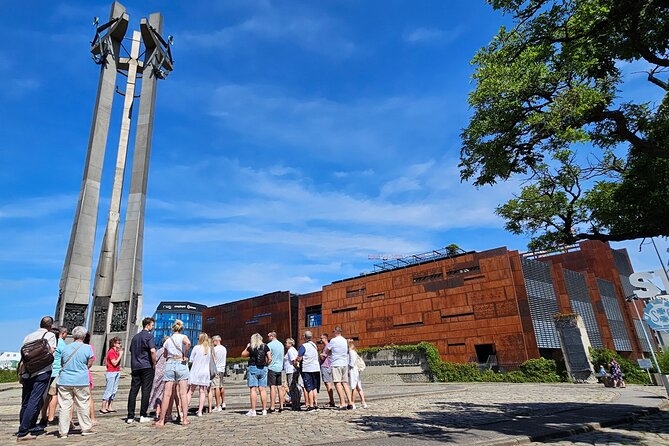
- A guide makes the story click: You get context that helps you connect strikes, negotiations, and outcomes.
- You will see the movement, not just read about it: Recreated strikes and multimedia displays bring the struggle into focus.
- Round table negotiations are a focal point: This is where political change starts to look real and human.
- It expands beyond Poland: Exhibits trace Solidarity’s impact and how it inspired revolutions across Eastern Europe.
- You get a discussion layer: Workshops, film screenings, and thought-provoking exhibits keep the themes current.
European Solidarity Centre in Gdańsk: why a guided walk matters
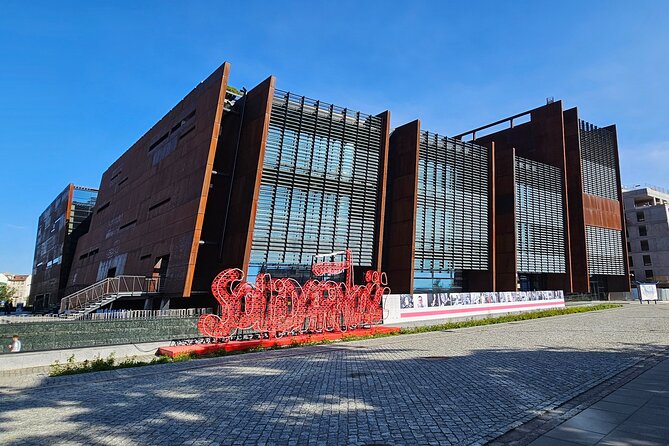
The European Solidarity Centre is built for learning, but a guided visit changes the tempo. Instead of wandering room to room and guessing what connects to what, you get a steady thread through the fight for freedom.
This tour also helps you handle the emotional weight. Communist-era repression, labor strikes, and political negotiations can feel abstract if you are moving fast. With a guide, you can slow down mentally and understand why these moments mattered to real people.
One name shows up in the best feedback: Pani Marta. A booking from Poland specifically praised her as a wonderful guide and pointed to excellent organization and a memorable atmosphere.
More to book in Gdansk:
- Gdansk: City Cruise on Historical Polish Boat
★ 4.8 · 2,913 reviews - Gdańsk: Sunset Cruise on a Historic Polish Boat
★ 4.9 · 977 reviews - Gdańsk City Sights & History Guided Walking Tour in English
★ 4.8 · 876 reviews
What 150 minutes inside feels like, and how the pace works
You are looking at about 150 minutes total. That is long enough to do more than a quick hit, but short enough that you likely will not feel trapped in a single room.
Expect a guided route that moves through key parts of the museum rather than a full stop-and-start crawl. The tour includes climbing and descending staircases, so plan on real movement. If stairs are tough for you, keep that in mind early when you decide whether this fits your day.
Also, meeting point details can vary by option booked, so arrive early. The guidance here is to show up at least 10 minutes before start time, so you are not rushing when the group is getting ready.
Step into the story: strikes, multimedia, and the fight for freedom
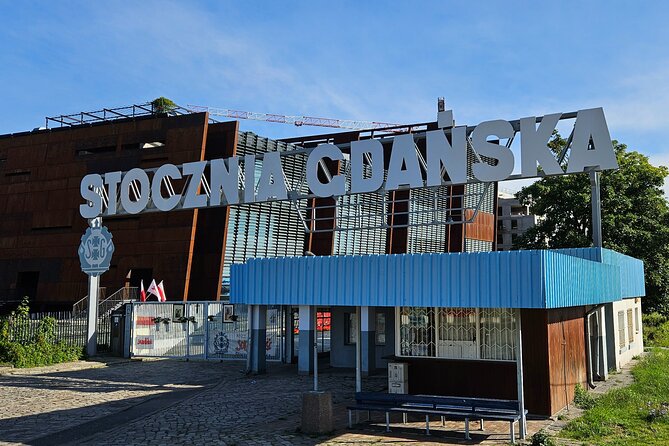
The heart of the experience is walking through how Solidarity formed and why it gained power. You will encounter recreated strikes and story-driven displays that help you picture what it meant to organize as workers under communist rule.
The museum approach is hands-on in feel. Multimedia elements and interactive storytelling keep the pace active, which is important because the subject matter is heavy. You are not just reading about repression and resistance, you are guided through what those pressures looked like day to day.
One thing I appreciate is that the tour does not treat events as distant. It frames the struggle as something people chose, negotiated, and risked for. That turns the big political picture into something you can actually track.
Lech Wałęsa on the route: connecting key figures to real pressure
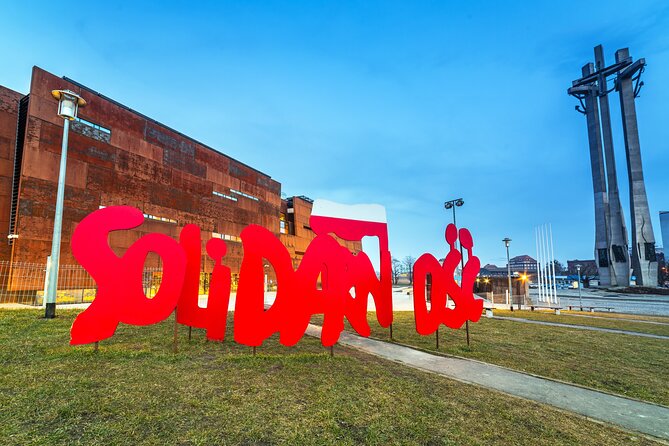
A major attraction is the way the tour ties the movement to recognizable names, including Lech Wałęsa. You will walk alongside Polish workers in a way that emphasizes their roles, not only the leaders.
This matters because labor history can get flattened if it becomes a list of slogans. When the guide keeps attention on the workers, you see Solidarity as a collective effort. You can also better understand how negotiations happened at all, since leaders were answering pressure from the ground.
If you come in expecting a simple biography, you may be surprised. The point here is not just who said what, but how collective action forced the system to react.
More Gdansk bookings to weigh
- Gdansk: Guided Round-Trip Cruise to Westerplatte
★ 4.3 · 865 reviews - Gdansk: City Tour Live Guided by Golf Cart/Buggy Sightseeing
★ 4.9 · 715 reviews - Gdansk: Shared/Private Golf Cart City Tour with Local Guide
★ 4.9 · 604 reviews - Gdańsk: City Sightseeing Tour by Buggy/Golf Cart LIVE GUIDED 1H
★ 5.0 · 208 reviews
The round table negotiations: where compromise becomes history
The tour includes the iconic round table negotiations moment, and it is one of the places where the museum format really helps. Negotiations can sound like abstract politics until you see how they function as decision points.
You will get context that ties the negotiations to what came before, especially strikes and organized pressure. That link is the difference between memorizing dates and understanding how change happens.
The practical takeaway for you is to go slower here. If you are tempted to sprint through the museum, this part rewards your attention. It is where you start seeing the story shift from resistance toward transformation.
Solidarity’s global ripple: why Eastern Europe comes into the picture
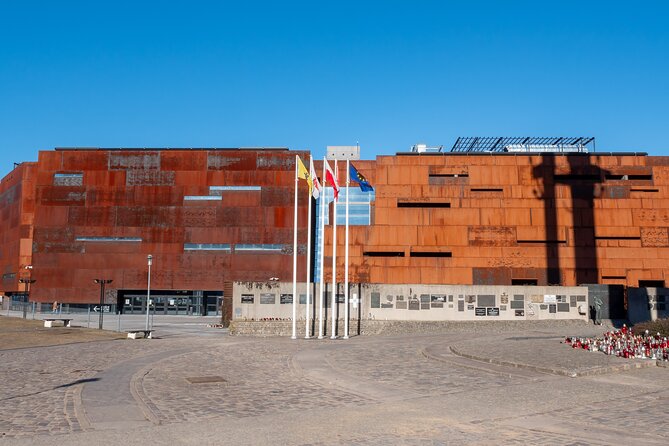
One of the most useful angles of the tour is how it goes beyond Poland. Exhibits explain Solidarity’s influence and how it inspired revolutions across Eastern Europe.
This section works for two types of visitors. If you like comparative history, you get a framework for how one movement’s success can strengthen others. If you care about today’s activism, you get a reminder that change often spreads through ideas, not only through borders.
I also like that it keeps the scale human. The goal is to connect legacy to action, not to overwhelm you with names and timelines.
Workshops, film screenings, and the discussion layer
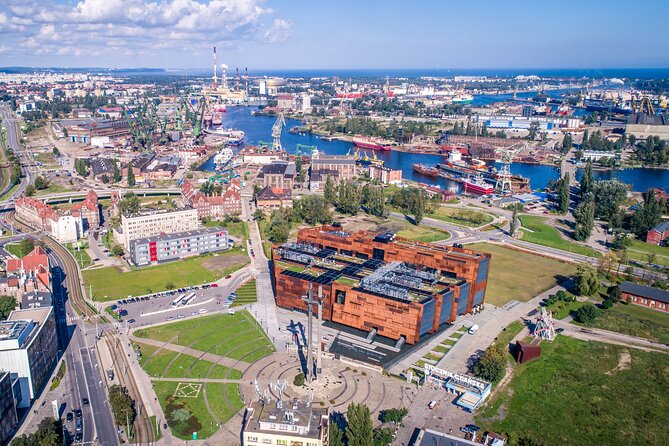
The European Solidarity Centre is not only a museum of the past. It is also set up like a place for thinking. The tour experience includes elements tied to workshops and film screenings, plus thought-provoking exhibits that explore social justice and human rights.
You might not experience every program listed on a given visit, because what is running can depend on the day. But even when specific activities are not active during your route, the museum themes push you toward discussion.
This part is a good fit if you like tours that end with questions rather than a final trivia test. It helps you leave with something to talk about, especially if your group has different politics and different comfort levels with the topic.
Organization and guide quality: what the best ratings tell you
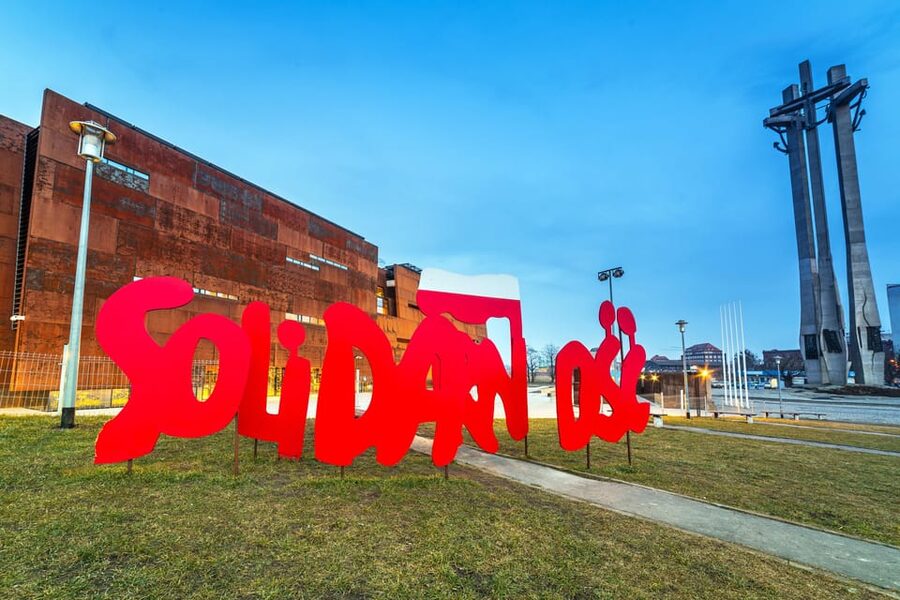
The ratings are high, and the recurring strengths are practical. People highlighted great organization and a modern museum presentation that makes the content feel approachable.
The strongest single praise in the provided feedback is about guidance quality, specifically Pani Marta. That is a useful clue for you: if your goal is to understand what you are seeing, choose the English or Polish option and plan to engage actively.
There is also a small counterpoint. One booking noted that the tour was excellent but suggested the guide could be better. That does not mean the tour is bad, but it does remind you to show up on time and be ready to ask questions if anything feels unclear.
Price and value: is $83 for 150 minutes worth it
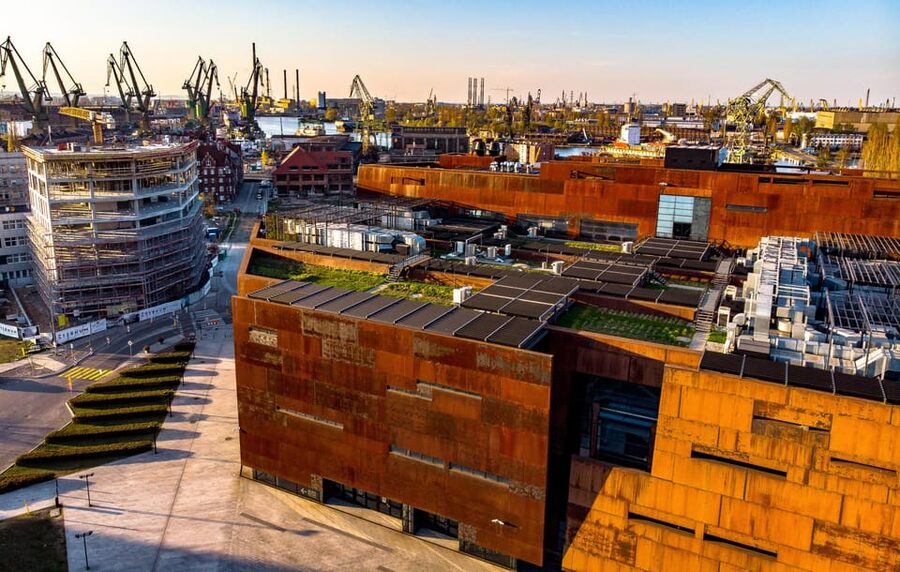
At about $83 per person for a 150-minute guided visit, you are paying for two things: a professional guide and entrance tickets. The fact that tickets are included matters because it turns the cost into a single, predictable package rather than separate purchases.
Is it good value? It is good value if you fall into at least one category:
- You want context and structure, not just museum wandering
- You care about understanding Solidarity as a political and social process
- You want a guided explanation of round table negotiations and the museum’s interactive storytelling
If you already know the subject deeply and prefer to move independently, a guided tour may feel pricey. But for most people, the guide saves time and improves comprehension, especially in a museum that uses recreations and multimedia.
Who should book this tour, and who should think twice
This tour fits best if you want a guided, emotionally serious experience about freedom, labor organizing, and human rights. It is also a smart choice if you want a museum that connects history in Poland to wider Eastern Europe change.
It may not fit as well if you:
- Have trouble with stairs, because climbing and descending are part of the tour
- Are traveling with large bags, since luggage or large bags are not allowed
- Prefer light, casual sightseeing, because the content is about struggle and repression
If you have a group with mixed interests, the format can still work. The interactive museum style helps the non-experts follow the story, while the political moments satisfy people who like key turning points.
Practical tips: bags, stairs, language, and timing
First, pack light. You cannot bring luggage or large bags, so keep essentials small and easy to manage. Second, plan on stairs. Even with a guided route, you will be climbing and descending as part of the museum layout.
Language options are English and Polish, so choose the one that matches your comfort level. The tour is also described as wheelchair accessible, which is helpful if you use mobility aids, but remember that the route still involves stair activity, so you will want to confirm what that means for your exact needs.
Timing matters in small ways. Start times can shift slightly due to guide availability, so do not schedule another timed activity too tightly right after your tour.
Should you book the European Solidarity Centre guided tour?
If you want to understand Solidarity in a way that is structured, interactive, and guided by a professional, I would book it. The $83 price makes sense because entrance tickets and a guide are included, and the museum format benefits a lot from interpretation.
I would also book it if you like museums that do not stop at the past. The global ripple into Eastern Europe, plus the discussion-minded elements like workshops and film screenings, helps this tour feel relevant instead of purely historical.
Skip it only if stairs or luggage restrictions are deal-breakers for you, or if you are looking for a casual, low-emotion experience. Otherwise, this is exactly the kind of place where a guided walk turns a museum visit into a real learning experience.
FAQ
How long is the guided tour of the European Solidarity Centre?
The tour duration is 150 minutes.
What is included in the price?
The price includes a professional guide and entrance tickets to the European Solidarity Centre.
What languages are the guides?
The tour is available in English and Polish.
Does the tour include skipping the ticket line?
Yes, the tour includes skip the ticket line.
Is the European Solidarity Centre guided tour wheelchair accessible?
Yes, it is listed as wheelchair accessible.
Are large bags or luggage allowed?
No, luggage or large bags are not allowed.
Do I need to be 18 years old to book?
You must be 18 years or older, or be accompanied by an adult, to book.
Where is the meeting point?
The meeting point may vary depending on the option booked.
Is free cancellation available?
Yes, you can cancel up to 24 hours in advance for a full refund.
Can I reserve now and pay later?
Yes, you can reserve now and pay later. You keep your spot and pay nothing today.
Fresh Gdansk reviews
- City Game Tour Gdańsk★ 5.0 · 19 reviews
- Room of Plenty★ 4.5 · 19 reviews
- Sopot Private City Walking or Bike Tour with a local architect★ 5.0 · 19 reviews
- Electric Scooter Tour: Old Town Tour – 1,5-Hour of Magic!★ 5.0 · 19 reviews
- First Time in Gdańsk? Private Tour of Old Gdańsk’s Highlights★ 5.0 · 20 reviews
- Gdańsk Shore Excursion: Private Gdańsk, Sopot & Gdynia Tour★ 5.0 · 20 reviews
- Private Transfer Gdansk City Center to Gdansk Airport (GDN)★ 5.0 · 21 reviews
- Malbork Castle Tour: 6-Hour Private Tour to The Largest Castle in The World★ 5.0 · 21 reviews
Gdansk Tours, compared.

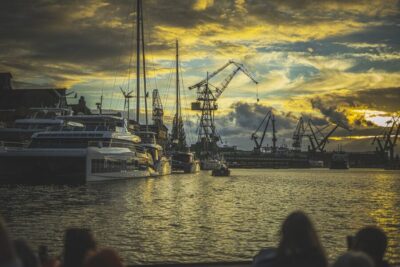

Gdańsk City Sights & History Guided Walking Tour in English
Read our review →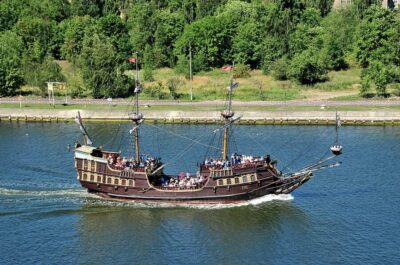
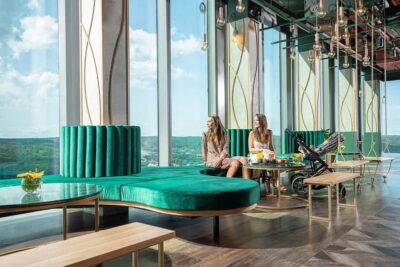
Olivia Star Sky-High Views, Dinner, and Cocktails
Read our review →
Shared or Private City Tour Sightseeing by Golf Cart
Read our review →
Sightseeing EcoCruise around the Old Town of Gdansk
Read our review →Browse the lists this tour appears in