
Reviewed · CITY TOURS
City Pass with almost 40 Museums and Attractions
This pass is interesting because it turns Krakow into a choose-your-own-adventure museum day. You pick up a KrakowCard, then use it at ticket offices for a bunch of big names and smaller local stops, all while riding the city’s trams and buses with the same ticket. It is a practical way to see a lot without playing ticket-hunting every day.
I especially like two things. First, the inclusion of Fabryka Emalia Oskara Schindlera (Schindler’s Factory Museum), one of the strongest wartime-history experiences in Krakow. Second, the way the public transport pass makes it easy to hop between neighborhoods without stressing about individual tickets.
The main drawback is pacing and navigation. Some museums are short, some feel a bit quirky or small, and if you jump around too fast, you can burn time. Also, the bus side of the network can be confusing if you do not plan your routes ahead.
Key highlights to plan around
- You control the days the card is active, after validation and signature during pickup
- Unlimited tram and bus rides are included with the CityPass
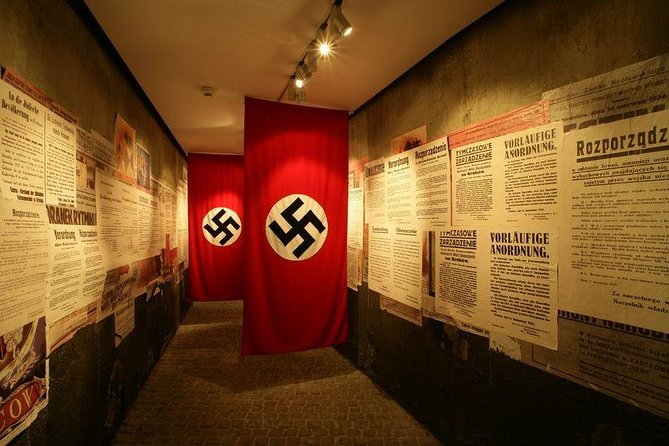
- Schindler’s Factory Museum is built into the pass and is a standout use of your time
- Rynek Underground needs advance booking before you show up
- Many stops are short (30 to 60 minutes), so you need a simple game plan
How the KrakowCard and CityPass work, and why it matters
This is not a guided tour with a fixed schedule. It is a pass that gives you admission to listed museums and attractions when you show your card at the ticket office. The card is valid for 1, 2, or 3 days starting from the day it is issued, but you are not locked into using it immediately.
Here is the useful part: the card needs to be validated at the time of exchanging it. Then you can choose when you will use it, meaning which days. After you sign, it is activated. I like this because it lets you match the pass to your real travel days, not your best guess.
On the transportation side, the CityPass includes unlimited city public transport. That matters in Krakow because museums are spread out, and you do not want to be doing math on how much each tram or bus ride costs. With unlimited rides, you can make decisions based on energy and lines, not on ticket budgets.
One more practical point: most stops list admission as free with the pass, but the experience depends on what kind of visit each site is. Some are straightforward museum rooms. Others are exhibits in unusual buildings or basement spaces, where your pace and comfort matter more than you expect.
More City Tours in Krakow
- Krakow: City Sightseeing Tour by Electric Golf Cart
★ 4.5 · 3,264 reviews - Krakow: City Sightseeing Tour Eco Electric Buggy Golf Cart
★ 4.7 · 3,143 reviews - Creepy Krakow: 2-Hour City Walking Tour
★ 4.7 · 1,131 reviews
Picking up your card in Krakow, then plotting your first day
You collect the card at Krakville Tours, Sienna 17, open 08:00 to 22:00 every day. Since that pickup window is long, you can usually arrange it around your hotel and sightseeing rhythm.
Because you can access attractions by presenting the card at the ticket office, I recommend you treat your first day as a warm-up. Go to one or two close locations, confirm the flow at ticket desks, then build the rest of your plan from there.
Also, do not underestimate how much your route planning affects how much you enjoy the pass. You want fewer transfers, shorter rides, and a clean line between museum time and transit time. With trams being a comfortable option, I’d plan around tram-friendly movement when possible, then fill the gaps with buses only when you have to.
Price and value: why $27.21 can work if you use it well
At $27.21 per person, the value comes from volume. This pass is set up for people who want to hit many sites across 1 to 3 days. If you only visit one or two places, the price will feel too high for what you actually use.
But if you treat it like a museum circuit, it starts to make sense quickly. The itinerary includes major categories that can each otherwise cost you a separate admission ticket: history and museums, art and culture, wartime exhibits, photography, and specialized science-type collections. Add in unlimited tram and bus rides, and the pass stops being just a discount card. It becomes a time-saver, too.
My rule of thumb: plan to use the pass at least several times each day you activate it. Many listed sites are 30 minutes to 1 hour, so you can stack visits without needing huge blocks. And when you do land on a longer stop, you get a clear payoff, like Schindler’s Factory.
Getting around on trams and buses without losing your day
One thing I appreciated from how people describe using this pass is the transit advantage. Trams can be an easy, comfortable way to move between neighborhoods. When you are running multiple museum stops, comfort matters, because you spend more time in transit than you expect.
The tricky part is the bus network. It can be hard to figure out if you are not used to Krakow routing, especially when you are balancing museum opening times and your own energy. My advice is simple: set yourself a route plan for each day before you start. If you see yourself making last-minute decisions every hour, the bus confusion risk goes up.
Since most attractions are short visits, you also need to control transit bounce. If you jump too far away for a 30-minute museum, you might regret it. I would rather do one small museum plus one nearby bigger one than spend half the day in transit.
More Museums in Krakow
- Auschwitz-Birkenau Museum and Memorial Guided Tour from Krakow
★ 4.5 · 1,510 reviews - Krakow: Rynek Underground Museum Guided Tour
★ 4.6 · 1,122 reviews - Krakow: City Card with Public Transport and Museums
★ 3.9 · 675 reviews - Krakow Schindler’s Factory Museum Guided Tour in English
★ 4.5 · 650 reviews
A smart pacing plan for 1 to 3 days
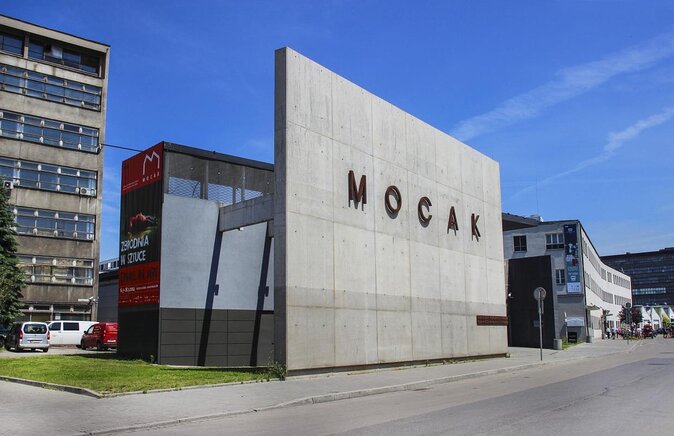
The included sites have a range of time blocks. A lot of them land around 30 to 60 minutes. A few are longer, like Schindler’s Factory (about 2 hours) and MOCAK (about 2 hours), plus Rynek Underground (about 2 hours) and Europeum (about 2 hours).
So plan your day like this:
- Mix one longer stop with several shorter ones
- Build in buffer time for moving through buildings and ticket desks
- If you feel rushed, cut the shortest stops first, not the best ones
Also, some places are repeat listed under different timing options. For example, Church of St. Adalbert appears as both a shorter and longer visit, and the Gallery of 19th-century Polish Art is also listed with different time lengths. Use that as a clue, not a puzzle. Pick the version that matches your mood that day.
Stop-by-stop guide to the included museums and attractions
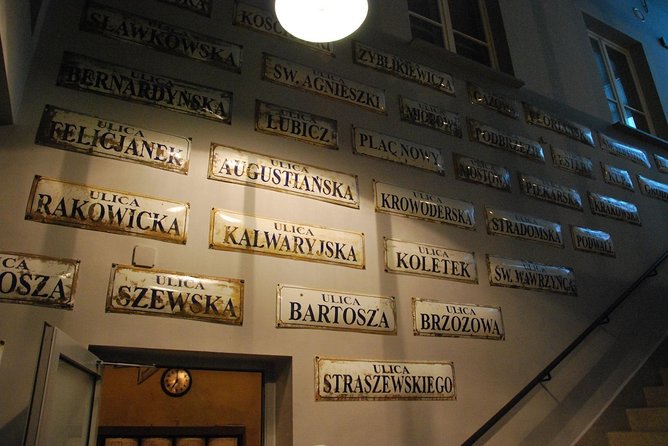
Below is how I’d think about each included site, what you can expect from the visit time, and where you might feel a drawback.
Old Krakow archaeology and the Main Square area
Archaeological Museum (about 1 hour) is a solid start if you like origins and layered city history. It is the kind of museum where you can come away with a clearer mental map of how Krakow’s story developed.
Eagle Pharmacy, Museum of Krakow (about 30 minutes) works well as a quick, atmospheric stop. Short means you should go in ready to look, not ready to linger.
Church of St. Adalbert is listed twice (about 30 minutes and also about 1 hour 30 minutes). The longer slot is especially useful if you want the basement exhibition, since it focuses on the Main Square, the church, and St. Adalbert, including traces of older floors and Romanesque walls.
Ethnographic Museum (about 1 hour) is your texture stop. If you want a break from wartime-focused museums and big-name national narratives, this one can reset your brain.
House of Jan Matejko, Krakow National Museum (about 30 minutes) is a good fit if you like artist homes. The time limit tells you it is a focused visit, not an all-day deep study.
Jozef Mehoffer House, Krakow National Museum (about 30 minutes) is similar. Plan it as a calm pause in between busier sites.
Wyspianski Museum, Szołayski Tenement House (about 30 minutes) is the kind of stop that feels like it belongs in a historic neighborhood walk. Since it is short, you’ll want to prioritize what you want to see rather than trying to read everything at once.
Kamienica Hipolitow, Museum Krakowa (about 1 hour) is a practical choice if you want local building history and context in a manageable time.
Hutten-Czapski Museum (about 30 minutes) is another shorter interior stop. Great when you want something culture-heavy without spending the whole day indoors.
Rydlowka, Rydel’s Museum of Polish Modernism (about 30 minutes) is a nice change of pace. Short time means it should work as a breather rather than the main event.
Jewish heritage and wartime history
Galicia Jewish Museum (about 1 hour) is one of the key history stops on the pass. If you care about Krakow’s Jewish past and how the region shaped identities, you’ll likely want real time here, not a rushed scan.
Museum Krakowa, Stara Synagoga (about 1 hour) pairs well with the Galicia Jewish Museum. Together, they give you more than one angle on the story, and they keep your day focused on the same major theme.
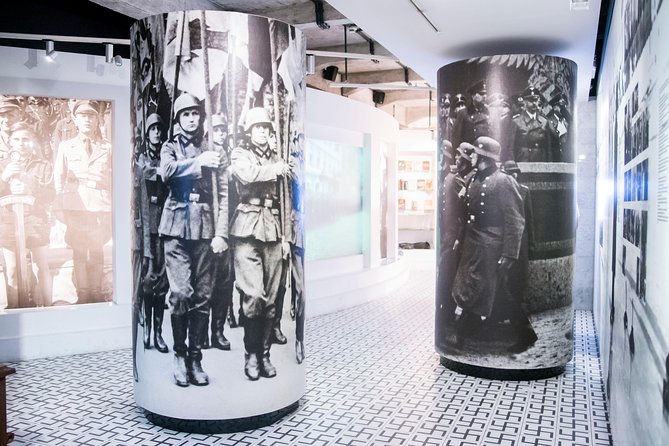
Fabryka Emalia Oskara Schindlera, Schindler’s Factory (about 2 hours) is the big standout that earns its space on this pass. I like using longer time slots on museums that are emotionally heavy but also extremely informative, because you get room to slow down and actually process what you see.
Home Army Museum, Muzeum Armii Krajowej (about 1 hour) adds another wartime layer. If you want a broader picture of resistance and underground life, it is a strong partner to the Schindler visit.
Pomorska Street, Former Nazi Prison during II WW (about 1 hour) is a serious stop. With a limited visit time, you will want to read signs and focus on exhibits rather than treat it like a quick photo stop.
Rynek Underground (about 2 hours) is included, but here’s the key constraint: book an entrance before visiting. If you ignore that, you can waste time. When it works, it is a unique kind of city history experience, because you see Krakow below street level.
Podziemna Nowa Huta, Muzeum Krakowa (about 1 hour) brings you into the Nowa Huta district story with a more underground feel. It is a good match if you want Cold War and socialism-era perspectives in addition to WWII focus.
Museum Nowej Huty, Muzeum Krakowa (about 1 hour 30 minutes) is listed as a longer local story. The time allocation suggests you will get more than a quick exhibit sweep, especially if you want the context about the Cold War and socialism experience.
Art, photography, and design-minded culture
Cricoteka, Centre for Documentation of the Art of Tadeusz Kantor (about 30 minutes) is a compact cultural stop. It can work best if you already like theater or performance art documentation, because it is short and focused.
MOCAK, Museum of Contemporary Art in Krakow (about 2 hours) is one of your best long art breaks. Two hours lets you slow down enough to connect ideas rather than just race through rooms.
Museum Gallery of the 19th Century Polish Art is listed (about 1 hour and also about 1 hour 30 minutes). Treat it as a flexible museum stop. If you love Polish art, spend closer to the longer time. If you just want the highlights, the shorter slot can keep your schedule on track.
Muzeum Fotografii w Krakowie, MuFo Jozefitow (about 1 hour) is a good stop if you want something different from painting and history. Photography museums tend to reward calm looking, so give yourself enough time to actually stand in front of prints.
Legends of Cracow, Legendy Krakowa (about 20 minutes) is the fun wildcard. It is short and interactive through a robotic show format. I like squeezing this in when you need a break from serious exhibits.
Big institutional museums and grand buildings
National Museum in Krakow (about 1 hour) can be a smart use of your pass if you want one major institution rather than lots of small stops. One hour can still feel full, so pick what you want to see first.
The Archdiocesan Museum (about 1 hour) is for religious and art-adjacent curiosity. It tends to feel like a place where artifacts and context matter, so it is better if you do not over-stack your day.
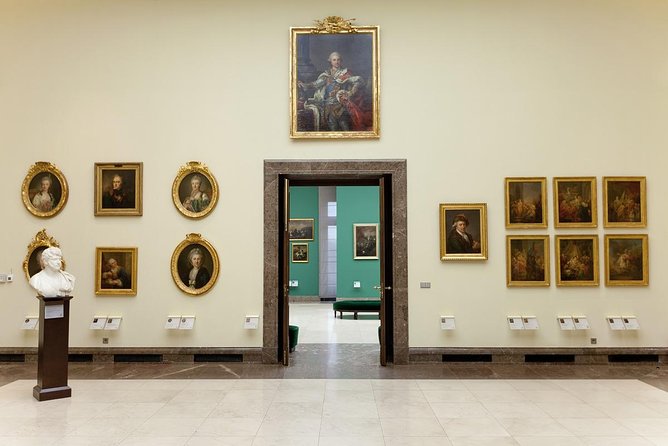
Europeum, The European Culture Centre, National Museum in Krakow (about 2 hours) fits well when you want a longer, big-picture experience. The time length signals it is meant to be more than a quick wander.
The Archdiocesan Museum (about 1 hour) and Europeum (about 2 hours) are both good “anchor” stops. Use them to build a day around them and keep shorter museums as side dishes.
Barbican, Museum of Krakow (about 1 hour) is a strong historic structure visit. If you like city fortifications, you can pair it with other defensive-themed sites so the theme stays coherent.
Museum Krakowa, Town Hall Tower (about 1 hour) is another classic “scale and views” style stop, even if your pass visit time stays limited. Towers are worth it when you want the city shape in your head.
Bishop Erazm Ciolek Palace, National Museum in Krakow (about 1 hour) is a good choice when you want an elegant interior and a clear museum focus without spending all day in one place.
The Bishop Erazm Ciolek Palace and Krzysztofory Palace, Museum Krakowa (about 1 hour) can be used together if you like historic residence museums. Just do not cram too many similar palace interiors back-to-back.
Krzysztofory Palace, Museum Krakowa (about 1 hour) works especially well if you like how museum storytelling connects to architecture. With one hour, focus on one storyline rather than trying to see everything.
Science, aviation, and the more unusual corners
Polish Aviation Museum (about 1 hour) is a nice break from art and history museums. It helps balance your day when you have spent hours in buildings that deal with politics and war.
Geological Museum of the Polish Academy of Sciences, History of the Academy of Mining and Metallurgy Museum (about 30 minutes) is likely the quickest science stop here. Quick does not mean shallow, but it does mean you should go with curiosity for what you see first.
Muzeum Krakowa, Celestat (about 30 minutes) is another short, distinctive option. It is included because it offers a different kind of experience than the standard museum room circuit.
Cricoteka and MOCAK bring art variety. Polish Aviation Museum and the science stops break the pattern again. That mix is exactly why a pass like this can feel fun instead of tiring.
Defense walls, ramparts, and quick outdoor time
Museum Krakowa, Mury Obronne, Ramparts (about 30 minutes) fits perfectly as a short outdoor history moment. It is ideal if you want a little fresh air without losing time.
Kosciuszko’s Mound, Kopiec Kosciuszki (about 30 minutes) is a quick outdoor viewpoint-type stop. It is short in the plan list, so treat it as a stop that refreshes your day more than it exhausts it.
Contemporary culture center and photography of the city
MuFo Jozefitow gives you a city-imagination break through photography. MOCAK gives you modern art questions. Together, they can turn your pass day from history-only into something more personal.
The “short stops that can surprise you”
Several sites are listed at 30 minutes. That does not make them bad. It makes them good for strategic use. If you feel museum fatigue setting in, a 30-minute stop can still leave you with a sense that you used your pass wisely.
At the same time, this is where you might notice the pass drawback: some short stops can feel odd or too small for your taste. I solved that by choosing my longer anchors first, then using 30-minute stops only when they are genuinely aligned with my mood.
Who should book this pass, and who might not like it
This is a great fit for you if you want lots of admissions and you are comfortable planning your own route. You also like using public transport as part of the sightseeing rhythm. The transit inclusion is a big part of the value.
It is also a strong choice if you want serious history plus art and culture in the same package. Schindler’s Factory is a major anchor, and the rest of the list supports that theme with additional wartime and city-history stops.
If you travel with kids, I found one example of practicality: a very young child did not need a second card because she had free access to all. That is not a universal rule in the information you provided, so I’d still check at the ticket office for your child’s age. But it suggests the pass can be cost-effective for families who visit many sites.
You might not love it if you hate decision-making. Since you choose when to activate and you plan the order, the pass rewards organization. If you want a fully scheduled guided day, a self-paced card may feel like work.
Should you book the Krakow Museums and Transport Pass?
Book it if you plan to do multiple museums across 1 to 3 days, and you want unlimited tram and bus rides folded into one price. If Schindler’s Factory is on your must-see list, this pass is an efficient way to add many other sites around it.
Think twice if your plan is only one or two attractions, or if you know you will not enjoy stacking short visits. This pass shines when you treat it like a museum circuit, not when you use it like a backup ticket.
If you do book, I’d activate your days on your busiest museum hours. Then start with one longer anchor, like Schindler’s Factory or MOCAK, and build outward with the shorter stops you are most excited about. That approach keeps the value high and the day from turning into a rushed checklist.
FAQ
How many days is the KrakowCard valid for?
The card is valid for 1, 2, or 3 days, starting from the day of issuing the card.
Can I choose which days I use the card?
Yes. The card is validated at the time of exchanging it, then you choose when you will use it (which days). After you sign, it is activated.
Does the pass include public transportation?
Yes. The CityPass includes unlimited city public transport, using the transport pass included with the experience.
Where do I pick up the KrakowCard?
You can collect it from Krakville Tours at Sienna 17. The pickup hours listed are 08:00 to 22:00 every day.
How do I enter the museums and attractions?
You present the card at the ticket office for admission to the listed museums and attractions.
Do I need to book Rynek Underground in advance?
Yes. For Rynek Underground, you need to make sure to book an entrance before visiting.
Are food and drinks included?
No. Food and drinks are not included.
How long is the experience?
It is listed as lasting 1 to 3 days, approximately.
What is the cancellation policy?
Free cancellation is available. You can cancel up to 24 hours in advance for a full refund.
How far in advance is it usually booked?
On average, this is booked 29 days in advance.
Fresh Krakow reviews
- Krakow Zakopane Cable Car Vodka Cheese and Hot Springs Tour★ 3.5 · 3 reviews
- Krakow Skip The Line Wawel Castle & Old Town Guided Tour★ 5.0 · 3 reviews
- Krakow: Zakopane and Thermal Pools Tour with Hotel Pickup★ 5.0 · 3 reviews
- Museo Czartorisky : Visita in Lingua Italiana salta fila…★ 3.5 · 3 reviews
- Half-Day John Paul II Route Tour from Krakow★ 5.0 · 3 reviews
- Krakow: John Paul II Home & Black Madonna Sanctuary – Guided Tour★ 5.0 · 3 reviews
- 1-Hour Tour to Krakow’s Old Town by Electric Golf Cart★ 5.0 · 3 reviews
- Auschwitz and Birkenau WITHOUT GUIDE private transport from Kraków★ 5.0 · 3 reviews
City Tours, compared.
Gdańsk City Sights & History Guided Walking Tour in English
Read our review →
Extended City Sightseeing Tour – Eco Buggy Golf Cart
Read our review →
Shared or Private City Tour Sightseeing by Golf Cart
Read our review →
City Tour Live Guided by Golf Cart/Buggy Sightseeing
Read our review →Browse the lists this tour appears in