
Reviewed · 2-HOUR EXPERIENCES
2-Hour Guided Tour in Kraków-Płaszów Concentration Camp
Plaszów Concentration Camp is one of those places near Kraków that hits you fast, then stays with you. What makes it especially interesting is that it is not preserved like a museum. It is mostly open ground and silence, and a good guide helps you read the history into the landscape.
I also love two things about this tour: you start by connecting Podgórze Ghetto history to what came next, and you hear the story of Oskar Schindler and the work-permit path that helped save more than a thousand people. The material is heavy, so one possible drawback is that you will see few intact buildings, which means you really rely on the guide and the pacing to make sense of what is there.
Key Highlights You’ll Remember
- Ghetto Heroes Square first, with its memorial chairs that symbolize forced departures and absence
- Plaszów camp layout on foot, including spots like the Grey House and roll-call area
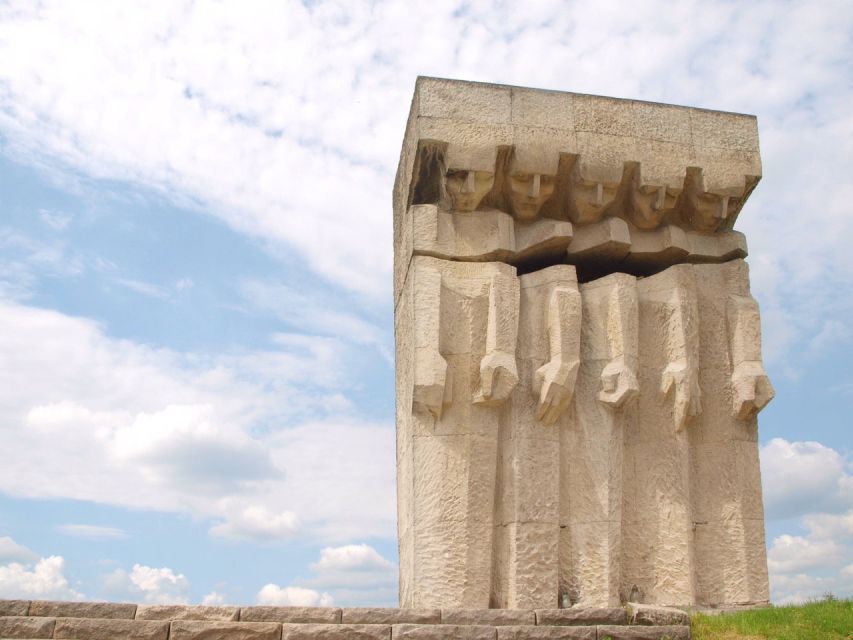
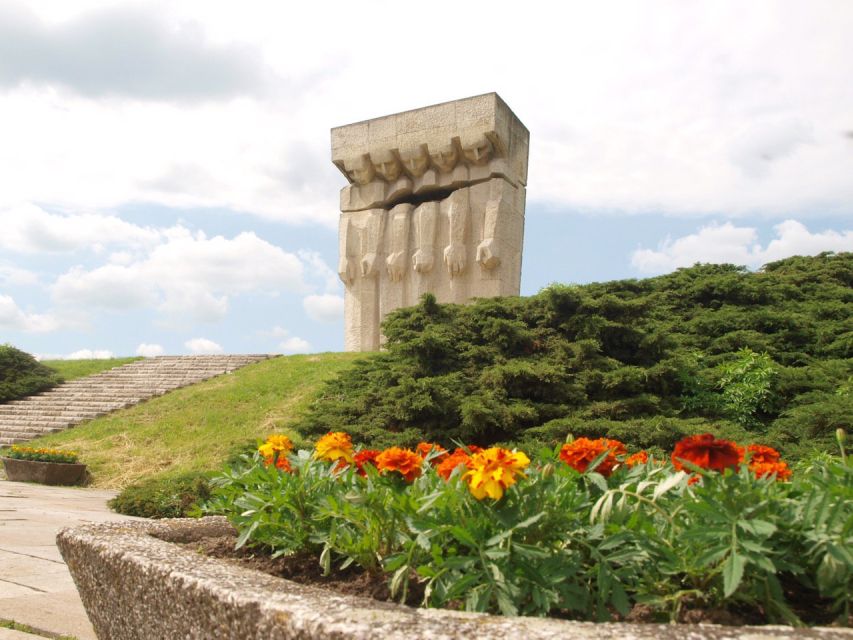
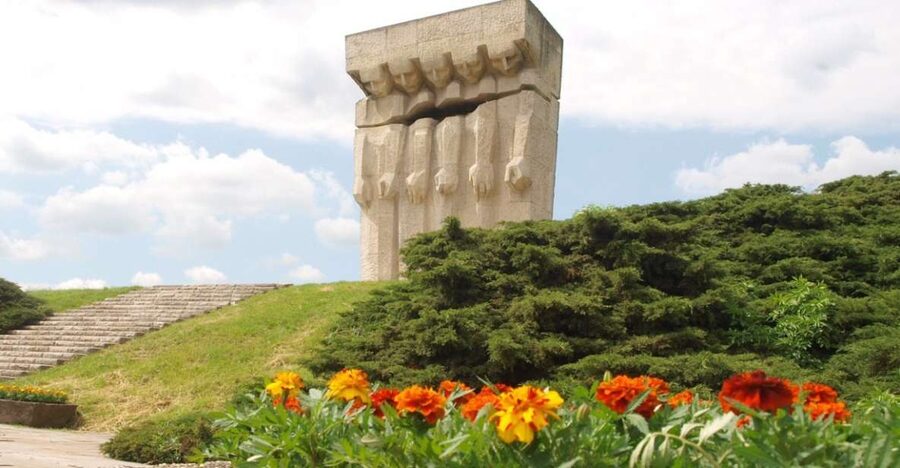
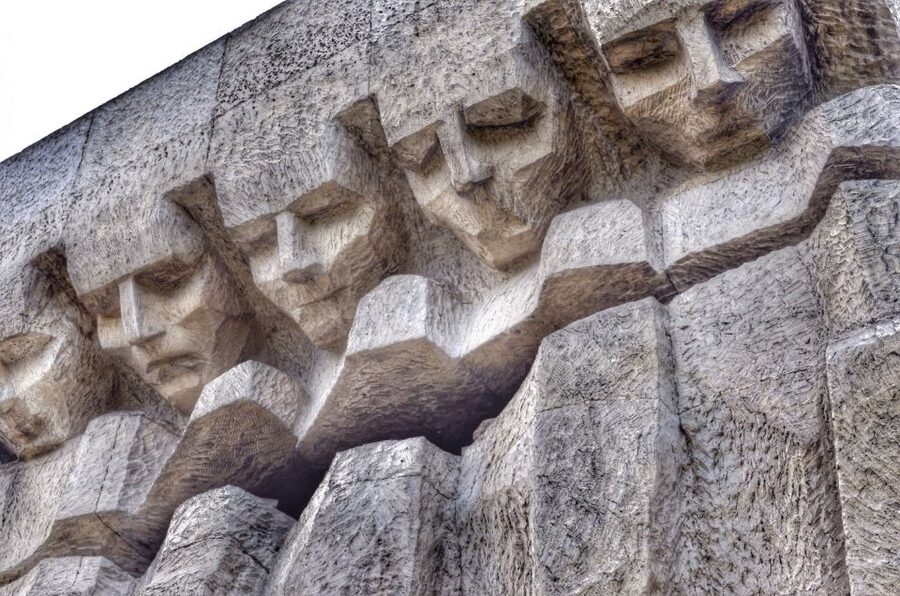
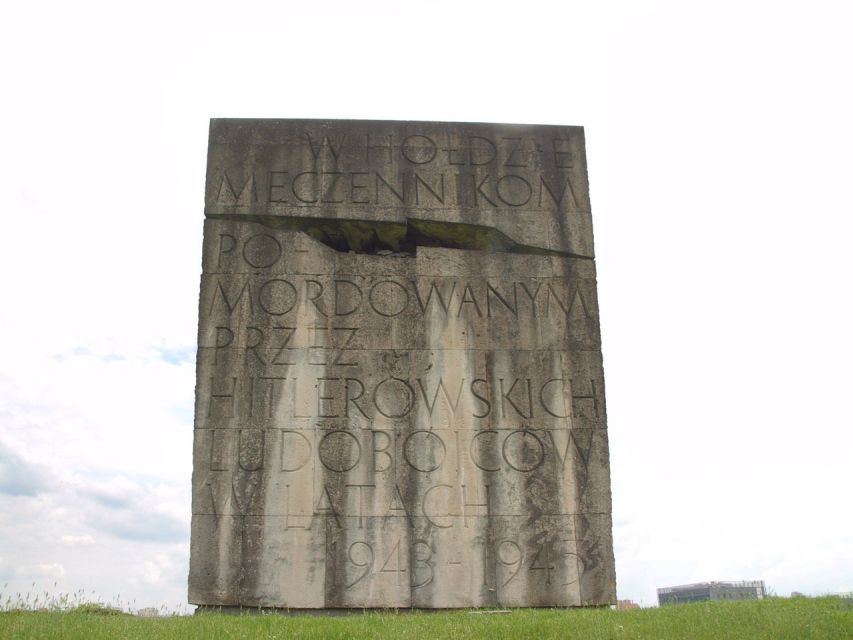
- Memorial elements that teach through absence, including the Monument of Torn-Out Hearts
- Oskar Schindler’s role, especially how work permits and transfers enabled survival
- A two-hour format that stays focused, with an expert local licensed guide
- Weather-ready walking, because the tour runs rain or shine over open areas
Why Plaszów Feels Different From Other Camps
If you have visited other WWII sites, you might expect big buildings and obvious ruins. Plaszów is different. Much of the camp is now open space, and what remains is often fragmentary. That sounds like a drawback on paper, but it is also part of why the experience lands so hard. You feel the scale more than you see it, and the quiet around you does not let you skim.
On this guided walk, the guide helps you understand the camp’s shape and how daily control worked. You do not just hear general facts. You are encouraged to notice the former layout in real time, including where people would have stood for roll call and where key buildings once anchored camp life. The result is more than education. It becomes remembrance with room to think.
And yes, it is sad. That is the point. This is a tour built around honoring victims, not sightseeing. Treat it like a focused, respectful learning experience, not a quick stop between other Kraków highlights.
More Krakow bookings to weigh
- Creepy Krakow: 2-Hour City Walking Tour
★ 4.7 · 1,131 reviews - Krakow Old Town Segway Tour – 2H of History, Fun & Discovery
★ 4.8 · 91 reviews - Krakow: 2h Kazimierz (Jewish Quarter) Walking Tour
★ 4.5 · 75 reviews
Podgórze and Ghetto Heroes Square Before You Enter the Camp
The tour begins in Podgórze, with a walk past Ghetto Heroes Square. This matters because Plaszów did not appear out of nowhere. The Kraków area’s Jewish communities were displaced, confined, and then pushed through a chain of persecution that intensified over time. Starting with the square gives you the human and historical bridge.
Ghetto Heroes Square was transformed in 2005 into a memorial space. The installation uses large metal chairs, and the symbolism is direct: they represent forced departures and the presence of absence. It is not subtle, and that is what makes it powerful. Before you reach the camp ground, you get a clear cue that this is a memorial designed to be felt, not just read.
A practical tip: I like starting early in a tour like this because it puts you in the right mindset. You are less likely to feel rushed as you move from memorial art to the more difficult geography of Plaszów.
Tracing the Camp Layout: Grey House, Roll-Call, and Open Silence
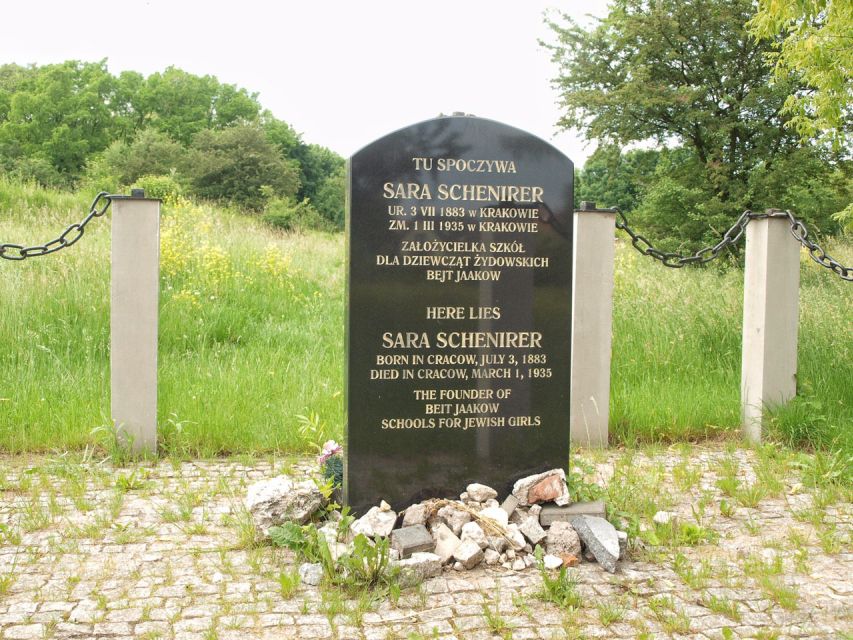
Once you reach the former camp area, you are guided through the places that still allow you to reconstruct what happened there. Plaszów was established in 1942 on grounds that included Jewish cemeteries. It began as a forced-labour camp and later became a concentration camp. By the time the war’s machinery fully ground forward, more than 35,000 people were imprisoned there, and thousands lost their lives.
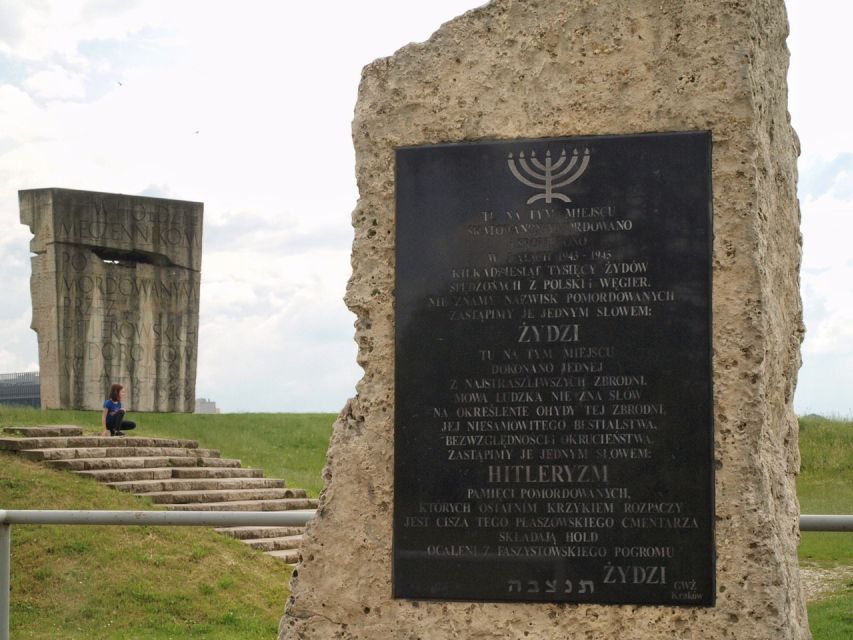
Because there are fewer intact structures, the guide does a lot of interpretation. You walk past surviving elements and key reference points, like the Grey House, the roll-call area, and remnants of important buildings. You also visit memorial locations tied to mass suffering, including mass graves and the Monument of Torn-Out Hearts.
Here is what I think you should expect emotionally: the experience uses open space and silence on purpose. It can feel stark, even empty, especially if you are used to ruins that look dramatic. But the guide’s job is to keep the history anchored in specific details. Without that framing, Plaszów can become just a large fenced-off area in your mind. With the framing, it becomes legible and real.
Also, pay attention to the pace. This is not meant to be a fast march. You will likely slow down naturally at the memorial points, and that is a good thing. Give yourself time to understand each stop rather than rushing through for information.
Memorial Stops That Teach Without Spectacle
Some historic sites try to wow you with preserved architecture. Plaszów does not. Instead, it relies on memorial geography and carefully chosen points of remembrance. That is an important value of this tour: you learn through what is missing and what remains.
You will come across:
- The Grey House, a key landmark tied to camp administration and suffering
- Roll-call grounds, where control and punishment were part of daily life
- Mass-grave memorial spaces, which force you to confront the scale
- The Monument of Torn-Out Hearts, a stark memorial marker that communicates trauma directly
The best tours at places like this help you connect the meaning of each stop to the broader story. They do not let you treat memorial elements as photo backdrops. They explain why these specific locations matter, and how the camp’s system shaped lives.
One thing I appreciate is the balance between tragedy and survival. Even though you are learning about extreme violence, you also hear how some people resisted, endured, and survived through complicated, risky channels. That is not “lightening the mood.” It is keeping the human story from becoming only statistics.
If you are touring with teens, keep expectations realistic. One of the challenges noted by past visitors is that Plaszów can feel visually sparse compared to other sites. That does not mean it lacks impact. It means you need the guide to keep your attention focused and your understanding anchored.
More to book in Krakow:
- From Krakow: Auschwitz-Birkenau Guided Tour & Hotel Pickup
★ 4.5 · 33,358 reviews - From Krakow: Auschwitz-Birkenau Guided Tour & Hotel Pickup
★ 4.5 · 29,340 reviews - Krakow: Auschwitz Guided Tour with Optional Hotel Pickup
★ 4.5 · 15,280 reviews - Krakow: Wieliczka Salt Mine Tour with Entry Ticket
★ 4.6 · 10,927 reviews
Oskar Schindler’s Story, Work Permits, and a Path to Survival
A major reason this tour is worth your time is the emphasis on Oskar Schindler. The camp story does not end with imprisonment. It continues into the question of how survival was sometimes possible, even when the machinery of persecution seemed absolute.
You will hear how Schindler arranged work permits for prisoners registered in Plaszów. Those permits were not abstract paperwork. They were the mechanism that could reposition people out of the most immediate danger and into forced labor connected to Schindler’s sphere of work. The story continues with transfers to his factory, which ultimately helped save more than a thousand lives.
This part of the tour gives you a different kind of perspective. Plaszów was designed to destroy dignity and reduce people to numbers. Schindler’s actions, as explained during the tour, show how individuals and fragile systems could still alter outcomes. It is complicated, and it should stay emotionally grounded.
What I like about hearing this as part of a guided walk is that it does not feel like a separate movie plot you watch at the end. It is tied directly to the place you are standing in. You understand that the camp’s registration process mattered, that permits mattered, and that the same structures that enabled control could, in rare cases, provide a narrow chance to live.
If you remember just one thread from this tour, make it this: history here is not only what happened. It is also how people navigated impossible choices.
Time, Pace, and What to Wear for a Two-Hour Walk
This tour lasts two hours, and the format matters. You get enough time to cover multiple stops, but it is not an all-day endurance event. For a memorial site like this, that can be a good thing. You can absorb the meaning without burning out.
Still, you should plan for walking and open-air conditions. The tour runs in all weather, rain or shine. Bring weather-appropriate clothing and shoes that handle uneven ground. Hot weather is especially worth thinking about, since Plaszów’s open space does not offer much shelter.
A practical note from past participants: a stroller may not be suitable for this experience. The tour is designed as a walking route through memorial and camp-related terrain, so it is better to plan for a walking group rather than expecting stroller use.
Also, arrive early. The guide asks you to show up about 10 minutes before departure. Once the group leaves, latecomers cannot join, and tickets cannot be refunded. You want to start with the group so you do not miss the opening context.
If you are sensitive to heavy topics, give yourself a decompression plan after the tour. A calm meal, a quiet walk, or a return to your hotel can make the whole experience feel less jarring.
Getting Value at $29: What You Pay For and What You Get
At about $29 per person for a two-hour guided experience, you are paying for three key things: a licensed local expert guide, a structured walking route across the memorial sites, and transportation support via a one-way public tram ticket included with the tour.
The value here is not that you are buying access to a special building. It is that you are buying interpretation. Plaszów’s power comes from open space and sparse physical remains. That means the guide is not optional if you want understanding. Without a guide, the site can feel difficult to read.
Two hours also fits well into a Kraków trip. You can add this without sacrificing your whole day. It is a manageable length for an emotionally intense subject, and it gives you enough time to link the opening Podgórze memorial to the camp stops and then to Schindler’s survival pathway.
One more value point: language selection. Tours operate in French, Italian, Spanish, and English, and group tours run in one language. That keeps things coherent, and it helps your guide maintain the flow of storytelling.
Who This Tour Suits Best
I think this tour works especially well if you want more than headline history. You will enjoy it if you like guided interpretation, if you care about how memorials communicate meaning, and if you want the Schindler story explained in connection to the camp’s specific registration and survival mechanics.
It is also a strong choice for first-time visitors to Plaszów, because it sets expectations clearly: this is remembrance through space, not through lots of standing buildings.
On the other hand, you might want to consider your style if you prefer visually dramatic ruins or hands-on museum displays. Plaszów is quiet and spare. You will get the most from it when you let yourself slow down and listen.
If you are a history buff, you will appreciate the structured route through recognizable elements like the Grey House and roll-call area. If you are not, do not worry. The guides are there to make difficult history understandable, and some guides bring personal context that can make the story feel immediate and human.
Should You Book This Tour?
Yes, I would book it if you are visiting Kraków and you want a respectful, guided way to understand Kraków-Płaszów. The biggest reason is practical: Plaszów’s open-space layout means your understanding depends on the guide, and this tour is built to give you that guided reading.
I would pass or rethink only if you know you will struggle with a very sad, open-air walking experience, or if you need lots of preserved buildings to feel satisfied. If you can handle the emotion and the silence, this is a powerful two-hour use of your time.
If you decide to go, come with steady shoes, weather-ready clothing, and enough time afterward to decompress. This tour does not ask for speed. It asks for attention.
FAQ
Where is the meeting point for the tour?
Meet your guide in front of the entrance of Apteka Pod Orlem. Look for the guide holding the Former Concentration Camp Plaszow Guided Tour sign.
How long is the guided tour?
The tour lasts 2 hours.
Is the tour guided in English and other languages?
Yes. Live guided tours are offered in French, Italian, Spanish, and English, and group tours run in one selected language.
Will the tour run in bad weather?
Yes. The tour goes ahead in all weather, rain or shine. Wear weather-appropriate clothing.
What should I bring or wear?
Bring weather-appropriate clothing and wear suitable footwear for walking. The route includes open areas, so plan for comfort.
Can I bring a stroller?
Based on participant feedback, you cannot use a stroller with a baby on this tour. Plan for walking instead.
Fresh Krakow reviews
- Zakopane PRIVATE TOUR from Krakow★ 5.0 · 18 reviews
- Czestochowa Black Madonna Private Day Tour from Krakow★ 5.0 · 18 reviews
- Chopin Candlelight Concert with Wine in Krakow★ 5.0 · 18 reviews
- Krakow City Pass – Museums, Atractions & City Transport★ 4.0 · 18 reviews
- Krakow: Garden of Lights Pinocchio Entry Ticket★ 4.7 · 18 reviews
- Half-Day Wieliczka Salt Mine Tour from Krakow★ 5.0 · 18 reviews
- Auschwitz Birkenau Memorial and Museum group tour from Krakow★ 5.0 · 18 reviews
- Krakow: Schindler’s Factory & Ghetto Guided Tour★ 5.0 · 18 reviews
2-Hour Experiences, compared.
Private Old Town Guided Walking Tour (2 hours)
Read our review →
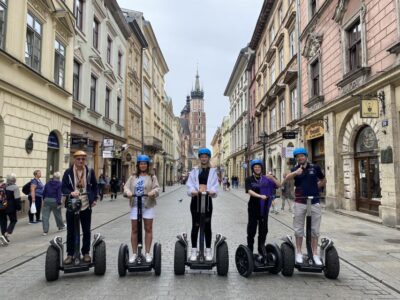
Krakow Old Town Segway Tour – 2H of History, Fun & Discovery
Read our review →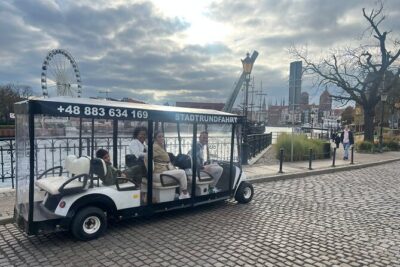
2H City Sightseeing Tour LIVE GUIDED by Buggy/Golf cart
Read our review →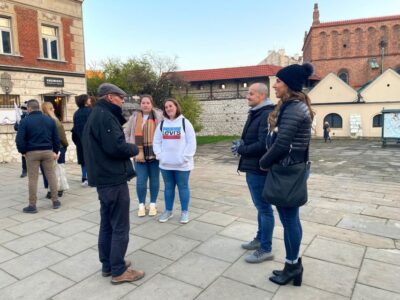
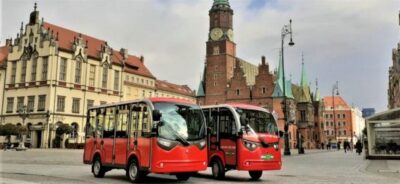
2-Hour Tour by Electric Car with a driver-guide
Read our review →Browse the lists this tour appears in