
Reviewed · WIELICZKA SALT MINE TOURS
Krakow: Auschwitz-Birkenau & Wieliczka Salt Mine with Lunch
Krakow turns out to be an efficient launchpad for a heavy, unforgettable day: Auschwitz-Birkenau in the morning, then the Wieliczka Salt Mine underground. I like that this combo is handled start to finish, so you spend less time figuring things out and more time paying attention to what matters.
I like the way the Auschwitz visit is split into Auschwitz I and Birkenau, with a licensed guide helping you connect the artifacts, layouts, and survivor-era details. The main drawback is that it is a long, physically demanding day, with security lines and lots of walking, including 700 steps down in the mine.
Key things to know before you go
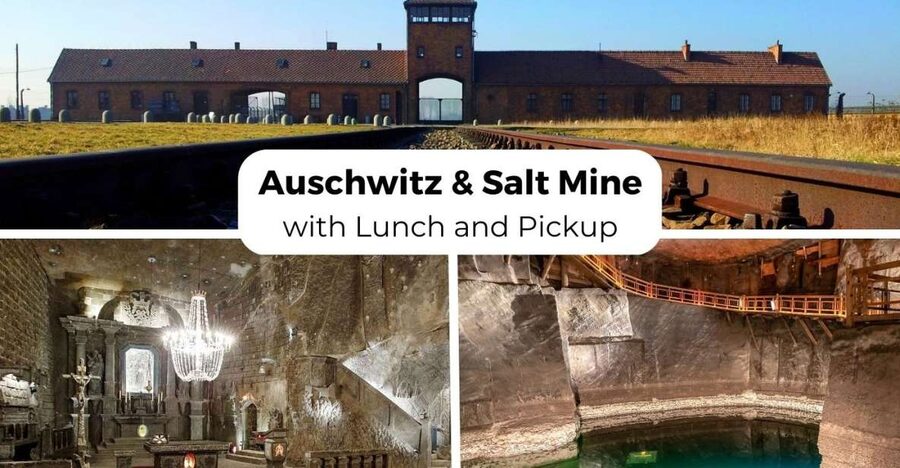
- Two major sites, one guided day: Auschwitz I and Birkenau, plus the salt mine, all led by licensed guides
- Underground work-out: about 3 km of mine corridors and roughly 700 steps down
- Headsets included: you can hear the guide clearly even when crowds are thick
- Respectful and strict security: airport-style screening before entry at the sites
- Optional lunch box: ham or vegetarian or vegan options may be available depending on your selection
A full-day plan from Krakow pickups to the final drop-off
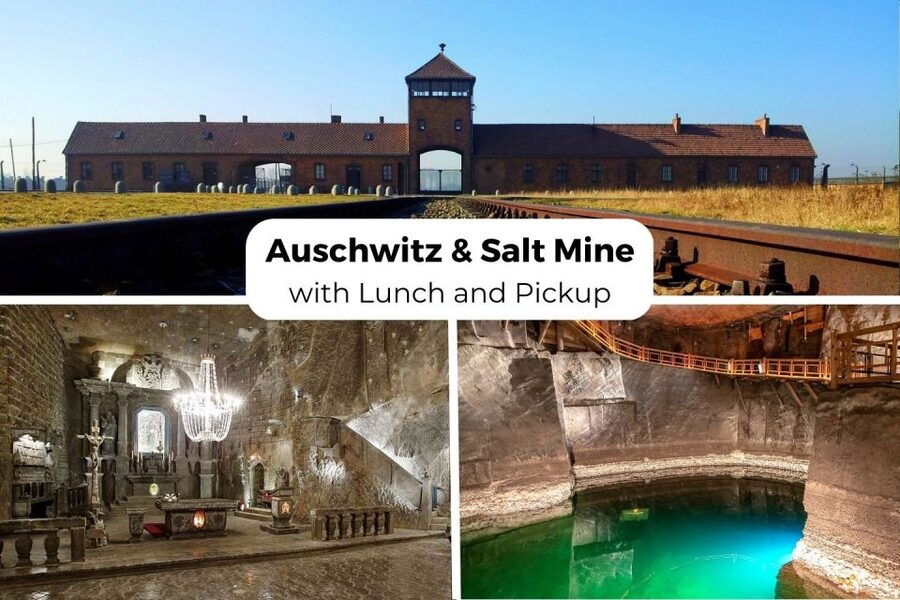
This is an 11-hour day that starts with pickup in Krakow and ends with drop-off at Wielopole 2. Travel time is built into the schedule, with about 1h15 between Krakow and Auschwitz, then about 1h15 onward to Wieliczka, plus around 40 minutes back toward Krakow. You will also have waiting time before entry at Auschwitz because so many people visit each day, and that can make the first half feel slower than you expect.
Pickup is arranged from places within 1.5 km of Krakow’s city center. You should be ready at your pickup point about 10 minutes before the scheduled time, because drivers wait no longer than 5 minutes after pickup time. If you are aiming for a relaxed start to your vacation, plan a calmer morning, maybe nothing timed right before pickup.
One more reality check: this is not a stroll day. You are looking at long periods of walking, standing, and going up and down paths at both sites. The salt mine adds 700 steps underground, and the total walking can be a lot for a single day, even if you are used to city touring.
More Auschwitz-Birkenau visit options:
- From Krakow: Auschwitz-Birkenau Guided Tour & Hotel Pickup
★ 4.5 · 33,358 reviews - From Krakow: Auschwitz-Birkenau Guided Tour & Hotel Pickup
★ 4.5 · 29,340 reviews - Krakow: Auschwitz Guided Tour with Optional Hotel Pickup
★ 4.5 · 15,280 reviews
Auschwitz I and Birkenau in one guided flow
You get a licensed guide and headsets, so you are not stuck reading fragments alone while trying to follow a large museum complex. The Auschwitz portion is split into two parts. Auschwitz I is about 2 hours, then you transfer to Auschwitz II-Birkenau for about 1 to 1.5 hours with a guided walkthrough.
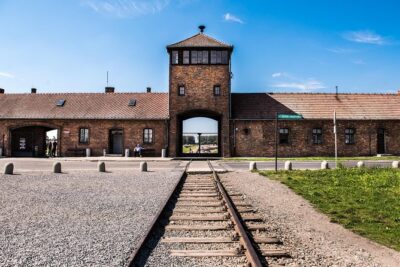
The tour begins as you enter through the main gate with the inscription Arbeit Macht Frei. From there, the guide helps you make sense of what you see: brick barracks, prisoner artifacts, photographs from the past, and reconstructions of areas that are hard to picture when you are standing in the present-day grounds.
This guided structure is the best part of bundling the two sites. Auschwitz I tends to be denser and more indoor or courtyard-based. Birkenau is more open-air. Having one narrative thread across both helps your brain connect the different pieces without you needing to be a historian first.
What you will see at Auschwitz I, and why the pacing matters
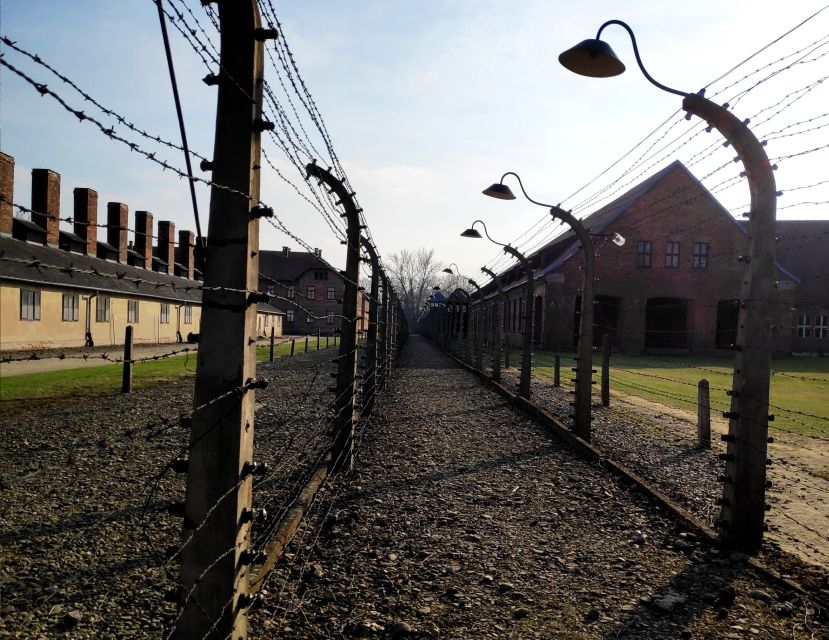
Auschwitz I is where many people feel the museum side most strongly: the layout is tighter, and the artifacts and photographs can hit like a wall. On this tour, you are not just looking at objects. You are hearing facts, stories, and also clarifications around myths that people sometimes pick up elsewhere.
Expect to see the prisoner artifacts and photographs tied to the complex, plus reconstructions that explain how different parts fit together. You will also encounter the remaining gas chambers and crematories. It is not comfortable, but the guide’s job is to keep the information organized, so you do not get lost in the scale of what you are seeing.
Pacing matters because Auschwitz can be extremely busy. Even when the guide keeps things moving in a sensible order, crowds can make it harder to stop and absorb. If you need moments to breathe, use the pauses for restroom breaks, water, and a quick reset. This is a day where your attention span is part of the experience, not a side issue.
Birkenau’s outdoor spaces and ruins, plus the hardest details
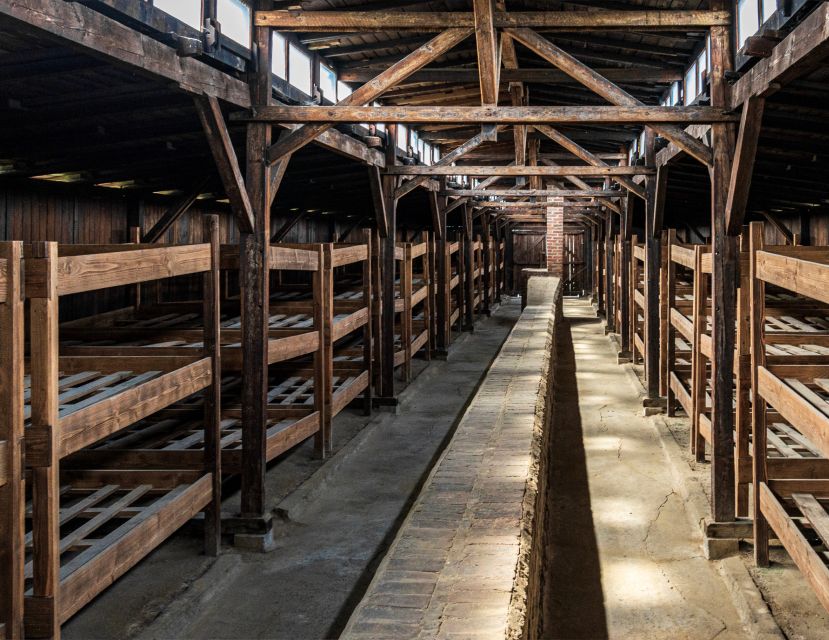
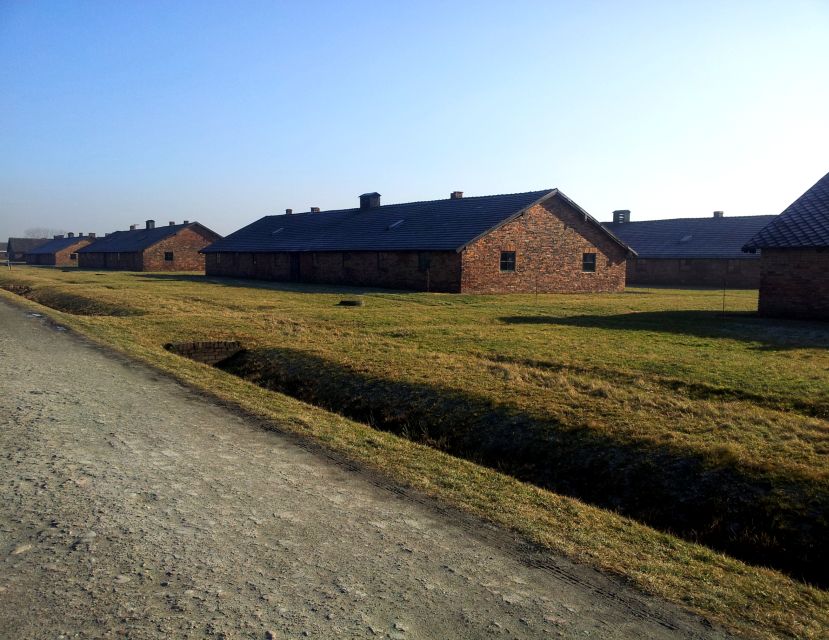
Birkenau is the part of the day that tends to feel most exposed. Wooden blocks and ruins of the chambers and crematoria are visible across open grounds, and the guide explains the history of Nazi Germany in a way that ties back to what you saw in Auschwitz I.
Because Birkenau is more outdoors, the emotional tone shifts slightly. There is less of the museum enclosure feeling, and more of the sense of space, separation, and scale. That outdoor quality can make the history feel more immediate, especially when the light changes and crowds thin out in some areas.
You will still be dealing with crowds, but outdoors you can sometimes find small pockets to focus on one detail at a time, like a block layout or what remains of a structure. This is also one reason the guided flow works. You get context before you try to interpret the ruins yourself.
More of the Wieliczka Salt Mine:
- Krakow: Wieliczka Salt Mine Tour with Entry Ticket
★ 4.6 · 10,927 reviews - From Krakow: Wieliczka Salt Mine Tour
★ 4.6 · 9,393 reviews - Krakow: Auschwitz-Birkenau and Salt Mine Guided Tour
★ 4.7 · 9,020 reviews - Krakow: Wieliczka Salt Mine Fast-Track Ticket & Guided Tour
★ 4.5 · 5,872 reviews
Between camps: waiting time, buses, and staying sane
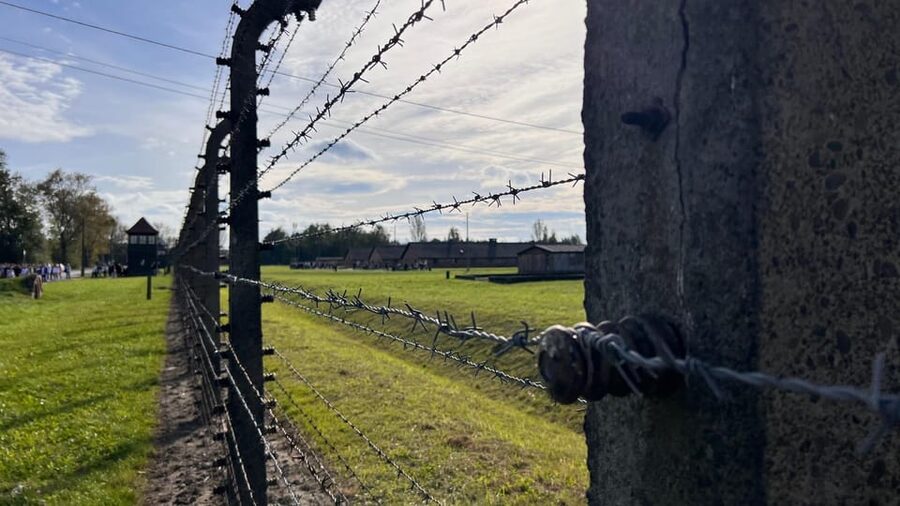
Between Auschwitz and Birkenau, you ride a short bus transfer, and the day includes breaks where you can regroup. You should expect airport-style security and possible waiting time before entry at Auschwitz because of ticket demand. That waiting can be long enough that warm clothing matters, even if Krakow’s daytime weather feels mild.
Transportation is included, but comfort can vary by bus and timing. Some people found the bus cramped, and a late start can happen when multiple buses are on the road. You cannot control that, so your best move is to show up prepared: water, layers, and comfortable shoes that work for standing.
If you are traveling with someone who gets stressed by schedules, this is not the day to be too rigid. The experience is controlled by museum visitor services, so the pace and duration are set there. Think of the day as a guided timeline, not a flexible hop-on hop-off plan.
Wieliczka Salt Mine: 3 km underground and the Chapel of Kinga
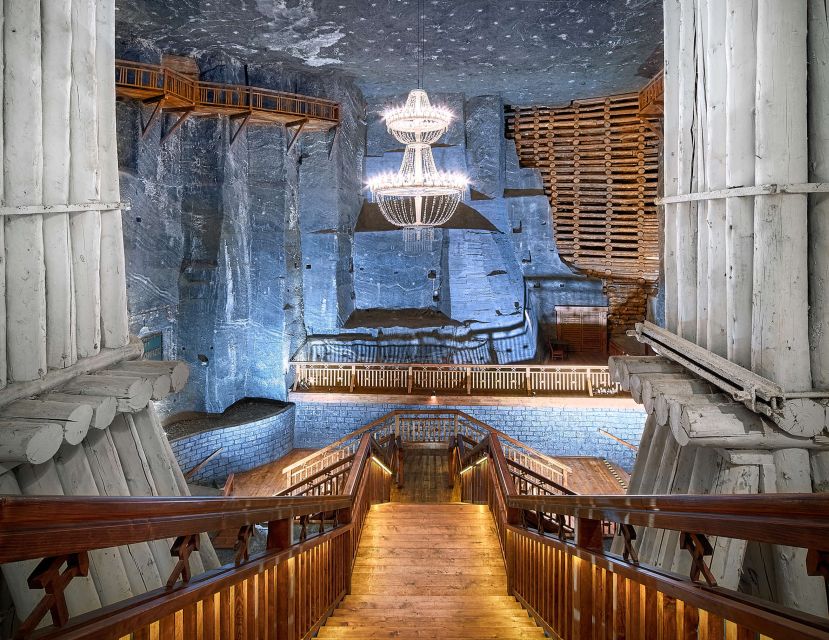
After the emotional morning, Wieliczka can feel like a hard pivot. That is normal. The salt mine is stunning, and the tour makes sure you see more than just a single hallway.
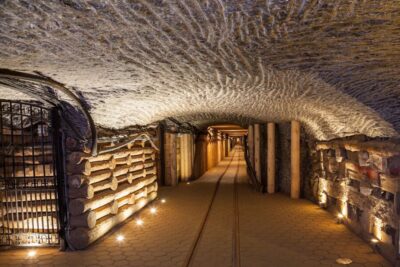
Your mine visit is about 2.5 to 3 hours and includes descending about 700 steps and traveling roughly 3 km of underground corridors. You will hear explanations, stories, and even myths tied to the mine. This is also one of the oldest operational mines in the world, so the guide’s job is to link the working mine past with the tourist-present interpretation.
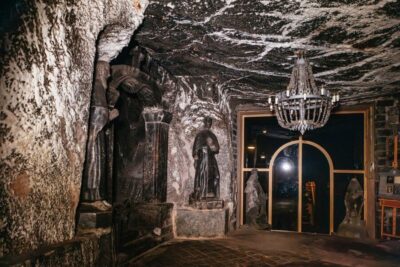
The mine includes two lakes and the Chapel of the Blessed Saint Kinga. Those stops are a big part of why the mine is famous. You will likely feel the change in air temperature too. Temperatures underground stay around 14 to 17°C, so a light layer is smart even in summer.
If you love photos, this is your chance. Just remember you are underground in a working-adapted environment, so keep your footing and do not treat it like a theme park run. Also, there can be souvenir shopping inside the mine areas, so if you prefer fewer commercial touches, keep that in mind.
Practical mine advice: temperature, footwear, and 700 steps
This is where you win or lose the experience with one decision: shoes. Comfortable, supportive footwear is not optional. Between the steps, uneven surfaces in places, and longer walking segments, flimsy shoes turn into fatigue fast.
Also plan for cool air. Even if you start the day in Krakow warmth, the mine will feel cooler. Bring a jacket or layer you can handle wearing all day, not just a light top you will hate by step 300.
Headsets are included on the tour, which helps in the mine because groups can spread out. Still, keep your voice level and your attention on the guide. Timing can feel “scheduled but changing,” since the mine itself controls some flow once you are inside.
Lunch box reality and snack strategy for an 11-hour day
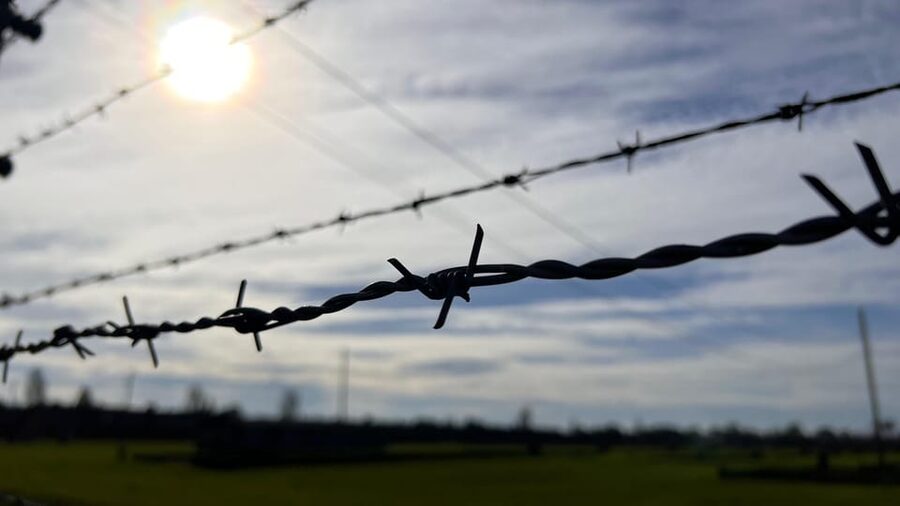
Lunch is optional and comes as a packed lunch box with ham or vegetarian or vegan options, depending on what you select. In practice, it is better to treat the lunch box as fuel, not a meal you are excited about. Some people reported the lunch was basic, and a few had issues such as missing lunch or a low-quality box.
Because your day is long and the schedule can be tight, I recommend bringing extra snacks you like. If you are the type who gets hangry, a backup helps you stay focused through both the museum and the underground walking. A small bottle of water can also save you during queue time and before you get settled at a stop.
If you are strict about food needs, confirm what you selected when you book, and do not assume the lunch will always match perfectly. The day has enough moving parts already. Your job is to reduce the number of surprises you face.
Price and value: what $251 is really buying you
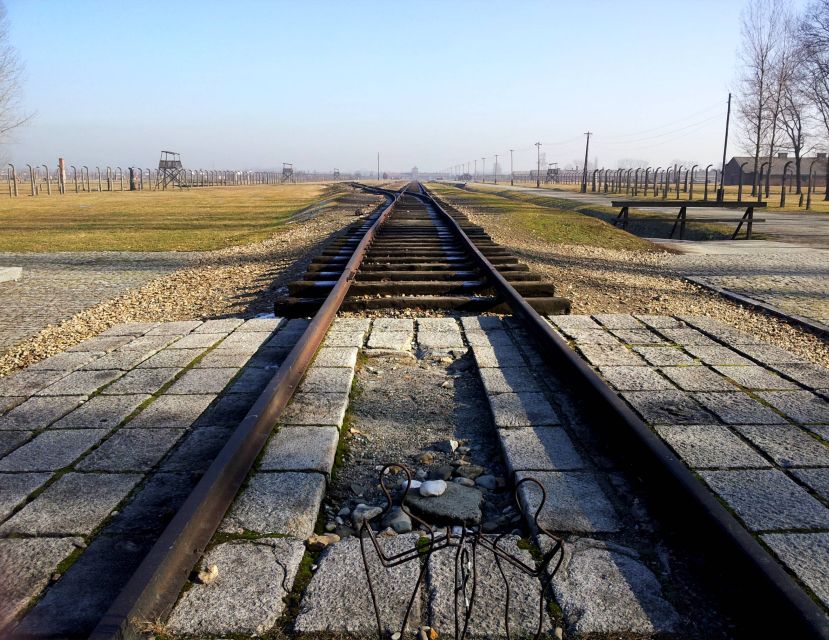
$251 per person sounds like a lot until you break it down. You are paying for more than entry tickets. You are buying guided interpretation at two major sites, licensed guides, headsets, and transportation across three key legs of the day. You are also paying for the “stitched together” convenience, where you go from Krakow to Auschwitz, then onward to Wieliczka, and back again without having to coordinate everything yourself.
If you only compare ticket prices, this looks expensive. If you compare the full day logistics plus guided help in English, it starts to look like value, especially if you do not want to spend your day handling logistics and timing.
Still, it is not cheap, and the emotional content is intense. You should only book this if you truly want both sites on the same day. If you would rather linger, decompress, or go at your own pace, doing them separately can be a better fit. This is a day where you earn the payoff with your attention and stamina.
Should you book this Auschwitz and Salt Mine tour from Krakow?
Book it if you want a structured, English-guided day that covers both of Poland’s top destinations without the hassle of arranging transport and tickets yourself. The headsets, licensed guides, and guided flow between Auschwitz I and Birkenau make the history easier to follow, and the Wieliczka stop gives you a memorable change of scenery underground.
Skip this combo or consider splitting days if you are sensitive to crowds, or if walking 11 hours is already pushing your limit. This tour includes serious walking and 700 steps in the mine, and security lines at Auschwitz can add waiting. Also, remember that Auschwitz is emotionally heavy. If you want more space to process, you might prefer fewer stops per day.
If you do book, pack like a pro: comfortable shoes, layers for cold and warm weather swings, and a few extra snacks for the long stretch. And show up early for pickup. This day runs on timing, and small delays can ripple.
FAQ
How long is the tour and how much time do you spend at each site?
The total duration is 11 hours. Auschwitz I is guided for about 2 hours, Birkenau is guided for about 1 to 1.5 hours, and the Wieliczka Salt Mine visit is about 2.5 to 3 hours.
What is included with the $251 per person price?
The tour includes Auschwitz-Birkenau Memorial and Museum entry tickets, Wieliczka Salt Mine entry tickets, a licensed tour guide, headsets to hear the guide, and transportation from Krakow. If you select it, lunch is a packed lunch box (ham, vegetarian, or vegan).
Do I need to bring my passport or ID card?
Yes. You should bring a passport or ID card. Student cards are also mentioned, and the full names of all participants must be provided when booking.
Is the tour offered in English?
Yes. The live tour guide is English, and headsets are provided so you can hear the guide.
How many steps are there in the salt mine, and how cold does it get underground?
The mine visit includes descending about 700 steps and covers about 3 km of underground corridors. Temperatures in the salt mine remain around 14 to 17°C.
What are the main things you are not allowed to bring?
Pets are not allowed. You also cannot bring luggage or large bags, and alcohol and drugs are not allowed.
Is this tour suitable for people with mobility impairments?
No. It is listed as not suitable for people with mobility impairments.
Fresh Krakow reviews
- Czestochowa Black Madonna Private Day Tour from Krakow★ 5.0 · 18 reviews
- Zakopane PRIVATE TOUR from Krakow★ 5.0 · 18 reviews
- Krakow City Pass – Museums, Atractions & City Transport★ 4.0 · 18 reviews
- Chopin Candlelight Concert with Wine in Krakow★ 5.0 · 18 reviews
- Krakow: Garden of Lights Pinocchio Entry Ticket★ 4.7 · 18 reviews
- Half-Day Wieliczka Salt Mine Tour from Krakow★ 5.0 · 18 reviews
- Auschwitz Birkenau Memorial and Museum group tour from Krakow★ 5.0 · 18 reviews
- Krakow: Schindler’s Factory & Ghetto Guided Tour★ 5.0 · 18 reviews
Wieliczka Salt Mine Tours, compared.
Day Trip: Auschwitz-Birkenau and Wieliczka Salt Mine from Krakow
Read our review →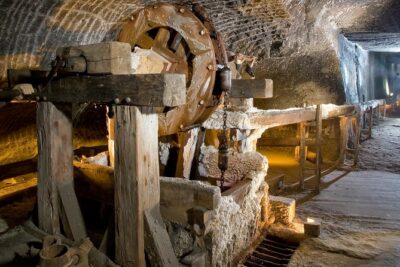
Krakow to Wieliczka: Salt Mine Guided Tour with Ticket & Transfer
Read our review →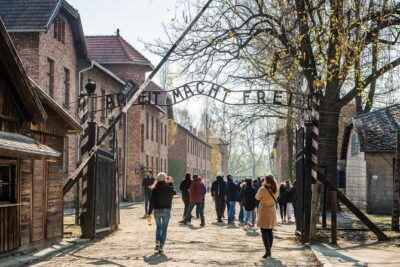
Auschwitz Birkenau and Wieliczka Salt Mine Guided Full Day Tour
Read our review →
Auschwitz & Wieliczka Salt Mine Guided Day Tour
Read our review →Browse the lists this tour appears in