Reviewed · GUIDED
Guided Tour of Plaszow Concentration Camp, Kraków
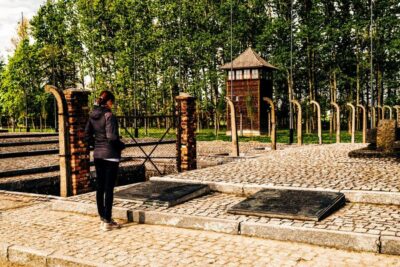
Plaszow Concentration Camp is one of those places where the setting is painfully open. There are no grand buildings to hide behind, just traces in the ground, memorials, and space for reflection. It is an intense visit, but it is also carefully paced, so you can actually take it in, not just rush through it.
What I like most is the way your licensed guide connects the visible remains to the camp’s real layout and daily function, from the Grey House to the roll-call square. I also like the inclusion of Schindler’s List filming locations and Oskar Schindler’s story, which helps you understand how life could be manipulated, even at the edge of annihilation.
One possible drawback: because Plaszow is mostly open ground with few physical structures preserved, some people expect more “seeable” ruins. If you come wanting photo-friendly sights or a polished museum setting, this visit may feel stark and emotionally heavy.
Key Points That Make This Tour Worth Your Time
- Route paced for reflection, so you are not hurried between memorials
- Grey House, roll-call area, and pre-burial ruins explained in context
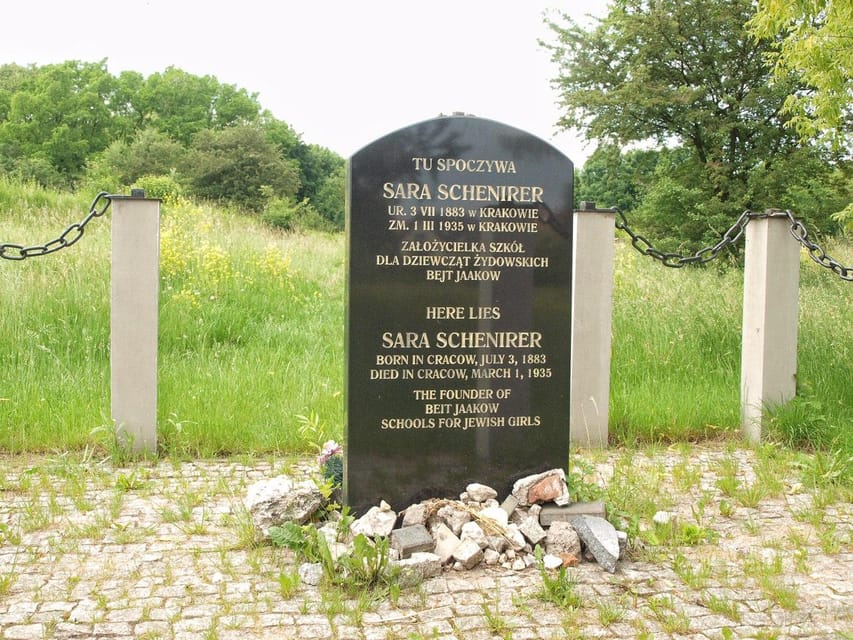
- Paths marked by fragments of gravestones, a detail that lands with real weight
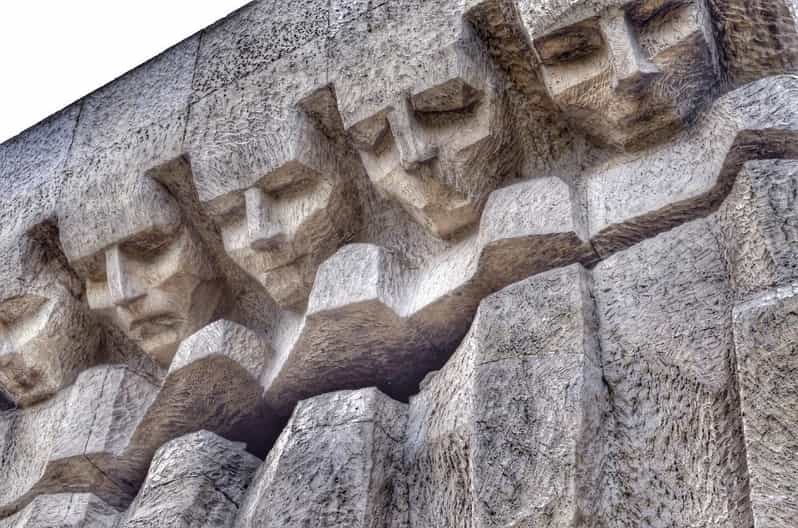
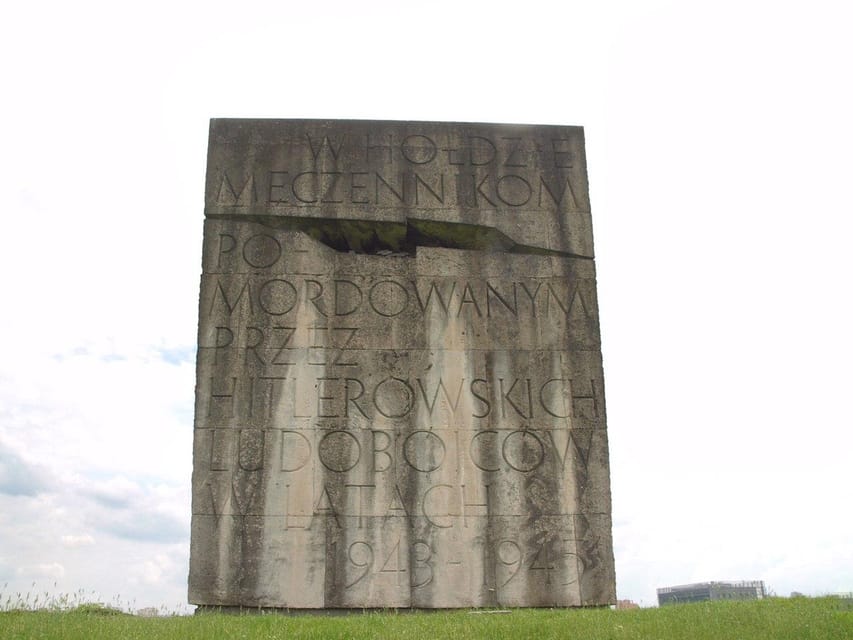
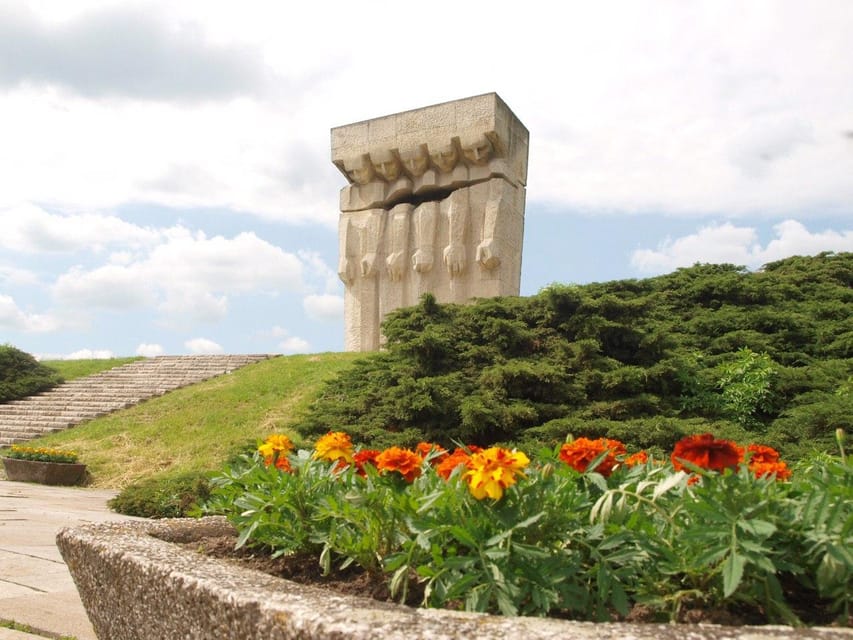
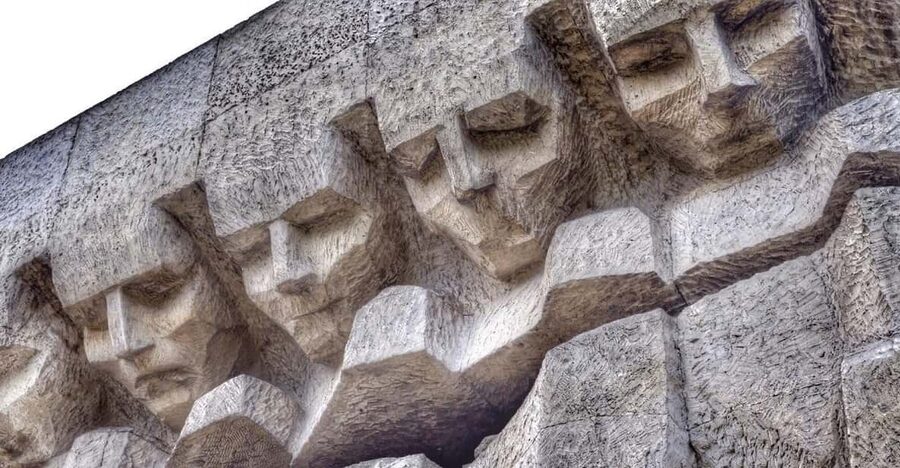
- Monument of Torn-Out Hearts and other memorial stops built for remembrance
- Schindler’s List filming locations, tied to the real Oskar Schindler story
- Licensed, English-speaking guide with time for questions during the walk
Plaszow Feels Different From Camps With Preserved Buildings
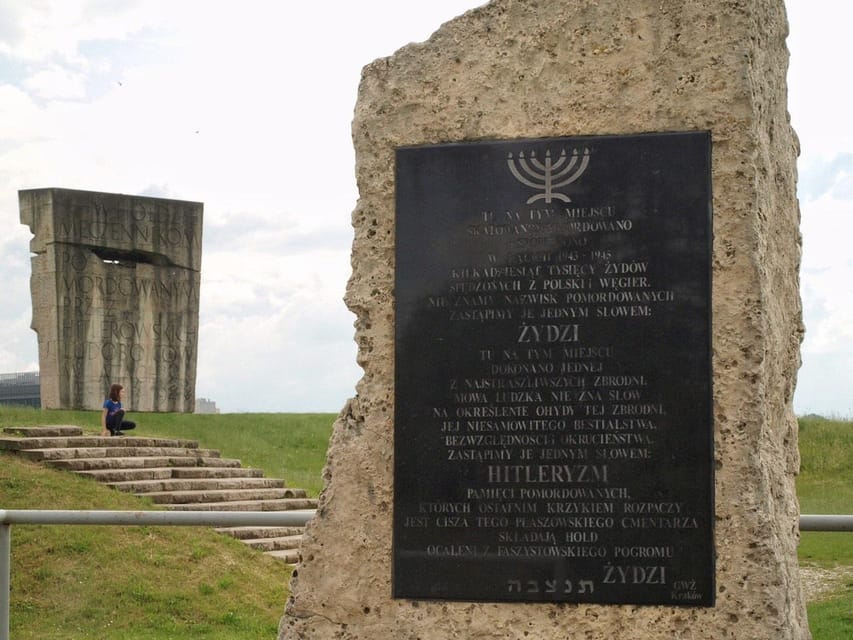
In many Holocaust sites, preserved buildings can help you picture the past. Plaszow works differently. Here, the camp is remembered through what remains in the ground and through memorials, so the visit depends heavily on your guide’s explanations and the quiet you give it.
That can be a good thing. You are not distracted by reconstruction or spectacle. Instead, you slow down and notice how the camp was organized, and how the landscape of confinement shaped people’s days.
More to book in Krakow:
- From Krakow: Auschwitz-Birkenau Guided Tour & Hotel Pickup
★ 4.5 · 33,358 reviews - From Krakow: Auschwitz-Birkenau Guided Tour & Hotel Pickup
★ 4.5 · 29,340 reviews - Krakow: Auschwitz Guided Tour with Optional Hotel Pickup
★ 4.5 · 15,280 reviews
Camp History You Should Know Before You Start Walking
Plaszow was established by Nazi German occupiers in October 1942, on the grounds of two Jewish cemeteries in Kraków. It began as a forced-labor camp for Jews from the liquidated Kraków Ghetto. Then, in July 1943, a penal-labor section for Poles was added.
In January 1944, the camp was redesignated as a concentration camp. It later also functioned as a transit camp for Hungarian Jews being sent to Auschwitz. Over its existence, more than 35,000 people were imprisoned there, and around 6,000 were murdered.
Knowing these basics helps the walk make sense. When you hear about roll-call routines, hospital areas, or industrial sections, you understand this was not one single purpose. It was a system that shifted roles over time, while still crushing people.
Grey House and the Pre-Burial Hall Ruins
One of the first anchors on the walk is the Grey House, a key point for understanding what camp life was like beyond the outer fences. Even without intact walls begging for attention, the guide can point you toward what that space represented in the camp’s functioning.
You will also learn about the ruins connected to the pre-burial hall. In a place like Plaszow, even a “ruin” matters because it tells you where death processing happened and where the camp managed bodies as part of its daily machinery. Your guide ties these physical reminders to what the prisoners faced.
And then there are traces linked to the Jewish cemeteries that previously existed on this ground. That detail matters more than it might sound at first. It reminds you that the camp was built on someone else’s sacred history, not empty land.
Roll-Call Square and What “Space” Means in a Prison System
The roll-call square is where the camp’s logic becomes hard to ignore. When you stand near it, you start to grasp how control worked: order, counting, exposure, and endurance under watch.
On this walk, you will also follow paths once paved with fragments of gravestones. This is one of those details that can feel physically unreal until your guide explains what you are seeing. The fragments are not just “old stone.” They are broken markers of lives, turned into material within the camp’s world.
I find that this part of the tour gives you something powerful: a clear sense of how the camp used space. You can almost feel the difference between places meant for administrative decisions, work routines, and confinement.
More Krakow bookings to weigh
- Krakow: Auschwitz-Birkenau Guided Tour with Pickup & Lunch
★ 4.5 · 9,800 reviews - Krakow: Auschwitz-Birkenau and Salt Mine Guided Tour
★ 4.7 · 9,020 reviews - Krakow to Auschwitz Birkenau Guided Tour with Transfer and Ticket
★ 5.0 · 8,197 reviews - Krakow: Wieliczka Salt Mine Fast-Track Ticket & Guided Tour
★ 4.5 · 5,872 reviews
Memorial Stops That Prioritize Remembrance Over Spectacle
Plaszow today is not built like a conventional attraction. With few preserved buildings, it becomes a place of memory, not a place of staged visuals. The guide keeps the route paced for reflection, so memorial moments have room to land.
A major stop includes the Monument of Torn-Out Hearts. Your guide explains what it represents in the broader story of loss and persecution, and you are given time to absorb the meaning without being pushed along.
You will also learn how the camp was organized into sections, including living, hospital, administrative, and industrial areas. That structure is not just trivia. It helps you understand that the camp was run as an operating system, with different spaces serving different roles in the same brutal plan.
This is also where the emotional tone of the tour matters. If you have ever visited historical sites and felt the pace was too brisk, this walk aims to do the opposite. The goal is respect and remembrance, not checking boxes.
Schindler’s List Film Locations and Oskar Schindler’s Choices
If you know Schindler’s List, you might expect this tour to be mostly movie references. It is not. Yes, you learn about filming locations from Schindler’s List, but those scenes are tied back to the real-world events that surrounded them.
The heart of this part is Oskar Schindler. Through his enamelware enterprise, he obtained work permits for Jewish prisoners registered through Plaszow. That meant people could be shielded from further transports, at least temporarily, by being tied to work.
Later, Schindler organized the transfer of those prisoners to his wartime plant in Brünnlitz. This is remembered for saving over a thousand lives.
I like that the guide presents Schindler’s actions as part of the historical system you are standing in. It avoids turning him into a one-note hero story. Instead, it shows how survival could depend on permits, paperwork, and access to specific work opportunities, even in a world designed to destroy.
How the 2-Hour Walk Is Built for Questions and Quiet
The total duration is about 2 hours. That time is long enough to cover key sites, but short enough that you are not stuck moving endlessly through a heavy subject.
One practical advantage: a licensed guide is leading you on a route paced for reflection, not a sprint. This matters at Plaszow, because your brain needs time to process what you are learning while also staying respectful in an open, solemn space.
The tour also runs in English only, and it is designed for a single language group. If you are comfortable in English, that is a big help. It means the guide’s explanations stay clear and consistent throughout the walk.
Route Logic: What You Will See, and Why Each Stop Matters
Here is the tour flow in the way you will likely feel it, stop by stop:
- Start with the camp’s foundation: you get the sense of where it was placed, why it started there, and how it evolved.
- Move to the Grey House and pre-burial area connections: you see how administration and death-processing were part of the same system.
- Follow the ground lines to the roll-call square: this is where the camp’s daily control becomes concrete.
- Notice traces of Jewish cemeteries: it anchors the site in what existed before the camp, not just what happened after.
- Reflect at memorial points: including the Monument of Torn-Out Hearts, with the guide steering you toward meaning.
- Close with Schindler’s thread: including Schindler’s List filming locations and the real work-permit story tied to Plaszow.
This structure works because it layers understanding. You start with “what this place became,” then move to “how it operated,” then end with “how individuals tried to survive within it.”
Price and Value: What $29 Covers, and Why It Adds Up
The price is $29 per person for a 2-hour, guide-led experience. You also get a single tram ticket included.
That matters because it makes the visit easier to access without extra planning. You are not just paying for a walk, you are paying for a licensed guide who explains how specific remnants connect to the camp’s organization and timeline.
Also, the tour’s emphasis on pacing for reflection is part of the value. A rushed tour can turn a heavy subject into a blur. Here, the format is built so the site can stay human in your mind, not just historical information on a checklist.
Meeting Point, Timing, and the One Thing to Do Before You Leave
You meet by looking for the guide holding a sign that says excursions.city. Plan to arrive about 10 minutes early. Once the group departs, latecomers cannot join, and tickets cannot be refunded.
This is one of those tours where being on time helps everyone. You are stepping into a respectful, emotionally serious setting, and the guide needs the group to start together so the pacing works.
If you are booking last minute, the option to reserve first and pay later can help you keep your schedule flexible. Free cancellation up to 24 hours in advance is also a practical safety net if Kraków weather or tram delays throw a wrench in plans.
Who Should Book This Plaszow Tour?
This walk is a strong choice if you want:
- a licensed guide who can connect scattered remains to the camp’s real structure
- a visit that includes Schindler’s List locations without reducing history to film trivia
- a route paced for reflection, with memorial stops that are not rushed
It is also a good fit for people who like understanding the “how” behind history, not just the “what.” The tour explains organization into living, hospital, administrative, and industrial sections, which is the kind of detail that turns general knowledge into something you can actually picture.
On the other hand, if you need preserved buildings to feel oriented, Plaszow may feel challenging. The site is open, and it relies on your guide to help your eyes make meaning from what is left.
Should You Book Plaszow With Hello Cracow?
If your goal is an honest, guide-led memorial visit in Kraków, I think this is an easy yes. You get a licensed English-speaking guide, a focused 2-hour route, and key stops like the Grey House area, roll-call square, and the Monument of Torn-Out Hearts. You also get the Schindler thread, including Schindler’s List filming locations and why Oskar Schindler’s work permits mattered.
Book it if you value reflection and clear explanations, and you are comfortable with a somber, open-site experience. Skip it only if you are expecting a conventional museum feel or you know you want a lighter, more visual outing.
FAQ
How long is the Guided Tour of Plaszow Concentration Camp?
The tour lasts about 2 hours.
How much does the Plaszow guided tour cost?
It costs $29 per person.
What is the meeting point in Kraków?
Meet by looking for the guide with the excursions.city sign.
What language is the tour offered in?
The tour is offered in English only.
Is the tour wheelchair accessible?
Yes, the tour is wheelchair accessible.
What should I do about timing on the day of the tour?
Arrive about 10 minutes before the tour begins. If the group has departed, latecomers cannot join and tickets cannot be refunded.
What is included in the price?
You get a licensed guide and a single tram ticket.
Fresh Krakow reviews
- Czestochowa Black Madonna Private Day Tour from Krakow★ 5.0 · 18 reviews
- Zakopane PRIVATE TOUR from Krakow★ 5.0 · 18 reviews
- Chopin Candlelight Concert with Wine in Krakow★ 5.0 · 18 reviews
- Krakow City Pass – Museums, Atractions & City Transport★ 4.0 · 18 reviews
- Krakow: Garden of Lights Pinocchio Entry Ticket★ 4.7 · 18 reviews
- Auschwitz Birkenau Memorial and Museum group tour from Krakow★ 5.0 · 18 reviews
- Krakow: Schindler’s Factory & Ghetto Guided Tour★ 5.0 · 18 reviews
- Half-Day Wieliczka Salt Mine Tour from Krakow★ 5.0 · 18 reviews
Guided, compared.
Auschwitz-Birkenau Guided Tour & Hotel Pickup
Read our review →
Auschwitz Guided Tour with Optional Hotel Pickup
Read our review →

Krakow to Auschwitz Birkenau Guided Tour with Transfer and Ticket
Read our review →
Wieliczka Salt Mine Fast-Track Ticket & Guided Tour
Read our review →
Schindler’s Factory Ticket and Guided Tour Option
Read our review →