
Reviewed · WROCLAW TOURS
Jewels of Lower Silesia
Lower Silesia is one of those regions where history never stays put. This day trip moves you from Ksiaz Castle to the Church of Peace in Swidnica, with a greenhouse break in between, all in one smooth run by Viadrina Tours. I love the tight, small-group size, since the pace feels human. One thing to plan for, though, is that the underground tunnel areas around the castle involve a lot of stairs if you choose to go down.
My other big like is the human factor. The guiding you get, with English that’s easy to follow (I’ve seen notes about Adam Wronecki, and also Matthias and Maciej), tends to turn monuments into stories, without turning the day into a lecture.
Key Highlights You’ll Notice Fast
- Max 8 people means you move through each stop without that cattle-car feeling
- Ksiaz Castle admission included with time to enjoy the site at an unhurried pace
- Palmiarnia Walbrzych is a short greenhouse walk tied to the Hochberg story, and you may spot animals like lemurs and peacocks
- UNESCO Church of Peace in Swidnica gives you a rare, peace-bargain kind of architecture, built with strict 17th-century rules
- Air-conditioned vehicle plus parking fees removes a lot of the stress from an out-and-back day
A Small-Group Morning from Wroclaw to Ksiaz Castle
You start early, 8:30 am, meeting at Cinema New Horizons on Kazimierza Wielkiego 19a/21 in Wroclaw. The location is close to public transportation, which matters because you do not want to spend your morning hunting for a ride. The tour runs for about 7 to 8 hours, and the group stays small, up to 8 people.
This is the kind of day trip that works best when you keep your expectations simple. You are not trying to cram in every single building in Lower Silesia. You’re picking three anchor experiences and getting enough time to actually see them, not just stand in line.
You also get an air-conditioned vehicle and parking taken care of. That sounds basic, but on a long day, it is the difference between feeling fresh at your first stop and already tired before the castle doors open.
More to book in Wroclaw:
- Wroclaw: E-Car Tour and Audio Guide
★ 4.6 · 1,738 reviews - Wroclaw: 2-Hour Private Guided Tour by Electric Car
★ 4.8 · 805 reviews - Wroclaw: Ticket for Old Town Boat Cruise
★ 3.9 · 361 reviews
Inside Ksiaz Castle: Hochberg Power Meets Older Polish Roots
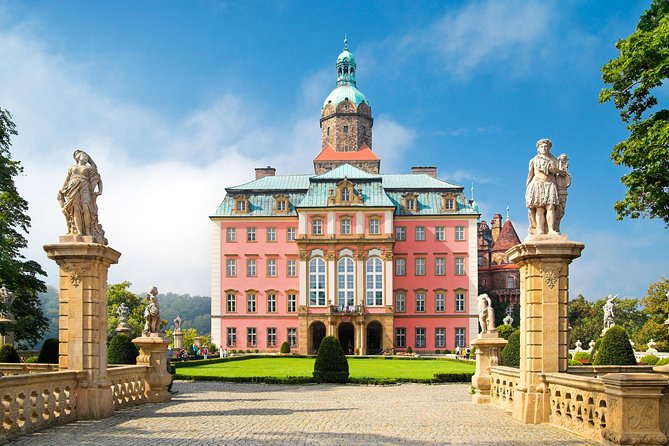
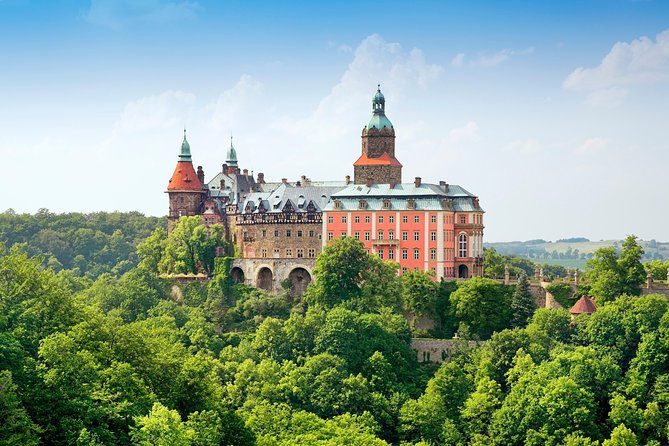
Ksiaz Castle, in Walbrzych, is the main reason this tour exists. Your scheduled time at the castle is about 3 hours, and admission is included. More importantly, this is not one clean “royal castle” story. It is a layered one.
You’ll hear how the castle’s story ties to a local dynasty from Swidnica, connected to the Polish royal Piast lineage. Ownership later shifts through Bohemian kings, robber barons, a Hungarian ruler, and then ends up with the Hober family, also known as Hochberg. That is where the German industrial revolution angle comes in, because the Hochbergs were major entrepreneurs in the 19th century.
For me, the value of that setup is simple: you get to see how the same walls can hold very different meanings depending on who controlled them. And that matters in Lower Silesia, where borders and identities shifted over time.
One practical tip: castle interiors and decorations can look a bit uneven depending on what survived. In at least one winter visit, the castle was decorated for Christmas with careful, beautiful touches. So if you’re the kind of person who likes seeing how places transform by season, pay attention to what’s on display when you go.
The Underground Tunnels: A Must-Ask Question Before You Go Down
Ksiaz is famous for its underground tunnels. On this tour, you’ll have the chance to visit underground areas, but the big heads-up is physical: there are many stairs down and back up.
If you are traveling with limited mobility, or you’re managing knees, hips, or breathing issues, you should decide upfront whether tunnels are worth it for you. It is not that you must miss them, it’s that you should not be surprised by the number of steps. I like that the day gives time for choices, because you can still enjoy the castle and grounds even if you skip the tunnels.
If you do go down, expect a more intense experience than the airy rooms above. The setting is closer to a wartime reality, and it can be emotionally heavy. The upside is that it gives the castle context beyond architecture, and you understand the place as something more than a postcard.
Palmiarnia Walbrzych: A Quick Green Break with Hochberg Links
Next comes Palmiarnia Walbrzych, scheduled for about 25 minutes, with admission included. This is not a long sit-and-stare museum stop. It’s a walk through colorful greenhouse spaces designed to help you understand the Hochberg family’s wealth and status, translated into plant collections and horticultural ambition.
What makes it fun is the contrast. You go from castle stone and history, down to glass-and-greenhouse calm. You’re typically admiring rare plants, and in many seasons the setting feels lively. In one of the most specific notes I saw from past participants, the Palmiarnia experience included lemurs and peacocks.
That means you can bring two kinds of expectations. If you want plants and atmosphere, you’ll get it. If you’re traveling with someone who gets bored at “just plants,” the animals can help keep the energy up.
Timing matters here. At 25 minutes, you want to walk with purpose, not circle the same path forever. If you love a photo moment, pick one or two priorities, then move. You’ll still have time to enjoy the greenhouse vibe without rushing the rest of the day.
Another way through a Wroclaw day:
- Wrocław: Old Town and Ostrów Tumski Walking Tour in English
★ 4.8 · 311 reviews - Wroclaw: Private Old Town Guided Walking Tour (2 hours)
★ 4.8 · 275 reviews - Old Town Wrocław Walking Tour
★ 5.0 · 249 reviews - Wrocław Dwarfs & Sightseeing Tour by Electric Mini Bus
★ 4.9 · 214 reviews
Church of Peace in Swidnica: UNESCO Built from Compromise
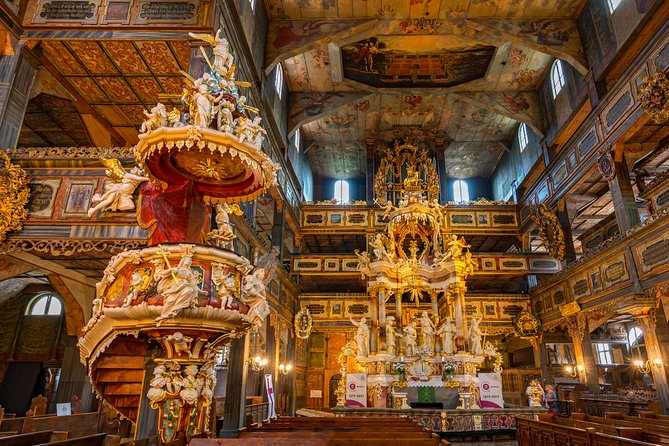
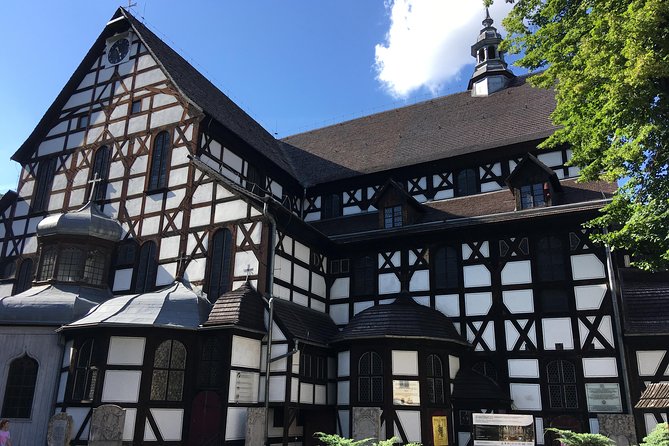
The final anchor stop is the Church of Peace in Swidnica, scheduled for about 35 minutes, again with admission included. This is a UNESCO World Heritage site, and it is the kind of place that changes how you think about religious conflict in Europe.
You’ll be told that the church itself dates to the 17th century during Habsburg rule, and that it reflects centuries of religious division across the continent. The unusual part is how it was required to be built. It was erected under very strict conditions, and those constraints are exactly what make it such an impressive historic and artistic example.
One extra detail that helps the whole story click is the connection to the 1648 Treaty of Westphalia terms and what followed after the Thirty Years’ War. In plain terms, it was built with solid oak and mortar, and that construction approach is tied directly to the rules of the peace settlement. So you’re not just looking at a church. You’re looking at a physical record of a political compromise.
In my kind of travel, the best moments happen when a place is more meaningful than its outward look. The Church of Peace is like that. Pictures can help, but the wow factor tends to show up when you’re standing there and your brain starts connecting the building choices to the tense historical circumstances that created them.
Price and What You Actually Get for $150.03
At $150.03 per person, this is priced for a day trip that includes meaningful admissions plus real transportation. You are not paying only for a drive and a vague itinerary. Admission tickets are included for all three main stops, and parking fees are covered too.
That is what makes the price feel reasonable. If you tried to assemble this day yourself, you would likely spend money on transport and parking, then add separate tickets for a major castle and a UNESCO site, and you’d still need to manage timing across multiple towns.
Also, the group size max of 8 helps justify the cost. Small groups cost more to run, and you feel it in the way the day moves. You’re getting time at each stop: about 3 hours at Ksiaz, around 25 minutes at Palmiarnia, and about 35 minutes at the Church of Peace. That’s a balanced spread, even if you are not a castle person or not a greenhouse person.
If you’re a value-focused traveler, the best part is this: the tour is structured so you can enjoy each place without feeling like you’re sprinting the whole time.
Comfort, Timing, and Stamina Tips for the 7 to 8 Hours
Because the trip is scheduled for roughly 7 to 8 hours, how you prepare makes a difference. Start with the reality check: you’ll spend part of the day traveling between Wroclaw, Walbrzych, and Swidnica. So it helps to wear comfortable shoes and plan for a full day out.
Lunch is not included. That’s common on day tours, but it changes how you should approach the schedule. I suggest you eat before the tour if you can, or plan an early meal near the end, since you’ll likely finish back around your starting meeting point.
Hydration helps too, especially if you visit during warmer months. There is air-conditioned transport, so you get relief on the drive. Still, you will be walking at each stop, and castle stairs are not optional if you explore.
And again, if tunnels are on your list: mentally prepare for many steps. The castle and grounds are easier physically than underground areas, so you can adjust on the spot depending on how you feel.
The Guides Matter: Adam, Matthias, and Maciej Style
One pattern shows up again and again in how people describe this tour: the guides do more than recite dates. They explain connections, and they keep the schedule understandable.
Names that came up include Adam Wronecki, Matthias, and Maciej. Past participants specifically called out excellent English, prompt and gracious handling, and clear instructions about meeting points and timing. That last part is underrated. On a day with multiple towns and fixed entry times, it is a huge quality marker when the guide makes things easy, not confusing.
I also like that you’re not locked into one tone. Some guides bring humor, and the best days feel human. You can learn history and still enjoy the ride.
Who This Day Trip Fits Best
This is a strong match if you want a focused taste of Lower Silesia without doing the logistics yourself. It also fits well if you like variety in a single day: a grand castle, a greenhouse walk, then a UNESCO church with a political-and-religious backstory.
You’ll probably enjoy it most if you:
- like historic sites that connect to Central Europe’s shifting borders
- want English explanations with a small group size
- are okay with standing and walking for hours
- can handle steps if you choose to visit tunnels
If you hate stairs, you can still enjoy Ksiaz and the Church of Peace. Just treat tunnels as optional, not mandatory.
Should You Book Jewels of Lower Silesia from Wroclaw?
Yes, if you want an efficient, high-impact day trip that actually includes the big-ticket admissions and gives you time to see each stop. The price makes more sense when you factor in that castle and UNESCO entry plus a greenhouse stop, along with transportation and parking. The small group size makes the whole day easier to manage.
Book sooner rather than later. This tour averages being booked about 43 days in advance, which is a clue that popular dates go fast.
If you are deciding between this and a do-it-yourself plan, I’d lean toward booking. Managing timing across Wroclaw, Walbrzych, and Swidnica is the hard part. This tour turns that into a one-and-done day where you can focus on what matters: Ksiaz Castle, the Palmiarnia Walbrzych break, and the UNESCO Church of Peace.
FAQ
What time does the tour start in Wroclaw?
The tour starts at 8:30 am from Cinema New Horizons on Kazimierza Wielkiego 19a/21, 50-077 Wrocław.
How long is Jewels of Lower Silesia?
The duration is about 7 to 8 hours.
How big is the group?
The tour has a maximum of 8 travelers, and it is offered as a small-group experience.
Is the tour in English?
Yes, the tour is offered in English.
What tickets are included in the price?
Admission tickets are included for Ksiaz Castle, Palmiarnia Walbrzych, and the Church of Peace in Swidnica.
Is lunch included?
No, lunch is not included.
What’s included besides admissions?
The tour includes an air-conditioned vehicle and parking fees, plus a mobile ticket.
Where does the tour end?
It ends back at the meeting point.
How does confirmation work after booking?
You receive confirmation within 48 hours of booking, subject to availability.
Can I get a refund if I cancel?
There is free cancellation. You can cancel up to 24 hours in advance of the experience for a full refund.
Fresh Wroclaw reviews
- Legends of Old Town 1 Hour Walking Tour in Wroclaw (English)★ 4.9 · 20 reviews
- Wroclaw: NO LIMIT BEER City Tour Sightseeing By Golf Cart★ 4.8 · 21 reviews
- Wrocław: Guided City Tour with a Local★ 5.0 · 22 reviews
- Wroclaw: Private Tour to Project Riese★ 4.6 · 22 reviews
- #1 Bestseller Gun Shooting Package with Hotel Transfers Wroclaw★ 4.5 · 23 reviews
- The Classic E-Scooter (3 wheeler) Tour of Wroclaw – everyday tour at 6:00 pm★ 5.0 · 24 reviews
- Wrocław Architecture Cruise by Catamaran★ 4.7 · 25 reviews
- Wroclaw: 2-Hour Private Electric Bus Tour with Guide or Tape★ 4.7 · 28 reviews
Wroclaw Tours, compared.
Old Town and Ostrów Tumski Walking Tour in English
Read our review →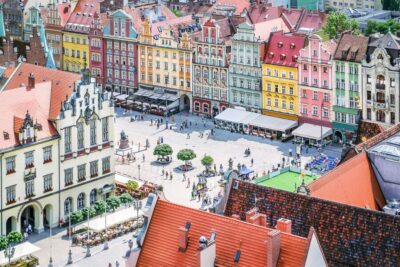
Private Old Town Guided Walking Tour (2 hours)
Read our review →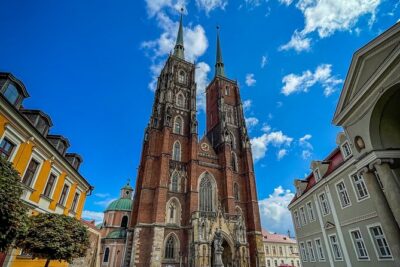
Wrocław Dwarfs & Sightseeing Tour by Electric Mini Bus
Read our review →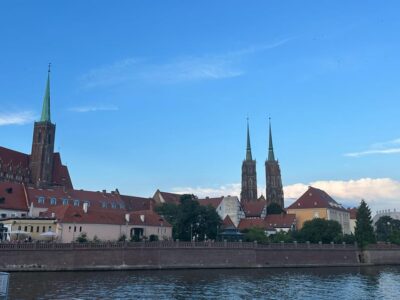
Group city tour (walking tour) through Wroclaw in German
Read our review →Browse the lists this tour appears in