Reviewed · WARSAW TOURS
Warsaw Highlights of Old & New Town Private Guided Tour
Warsaw has a rare talent for holding two stories in one street. This private tour threads Old Town and New Town together, then adds the heavier parts you should not skip, like the ghetto and Warsaw Rising memorials. You get local recommendations from your guide, plus a route that mixes big sights with small pauses for understanding.
I especially like the private, licensed guiding part. You can ask questions as you go, and the plan can be adapted to what your group actually wants to see. One consideration: this is still a walking tour, and the pace depends a lot on your guide and your group comfort level.
Key highlights worth planning around
- Old Town reconstruction you can walk through, with stops like Castle Square and the Royal Castle
- WWII memory in the open, from ghetto remnants to Warsaw Rising monuments
- A guide who can steer you, with local restaurant and patisserie tips along the way
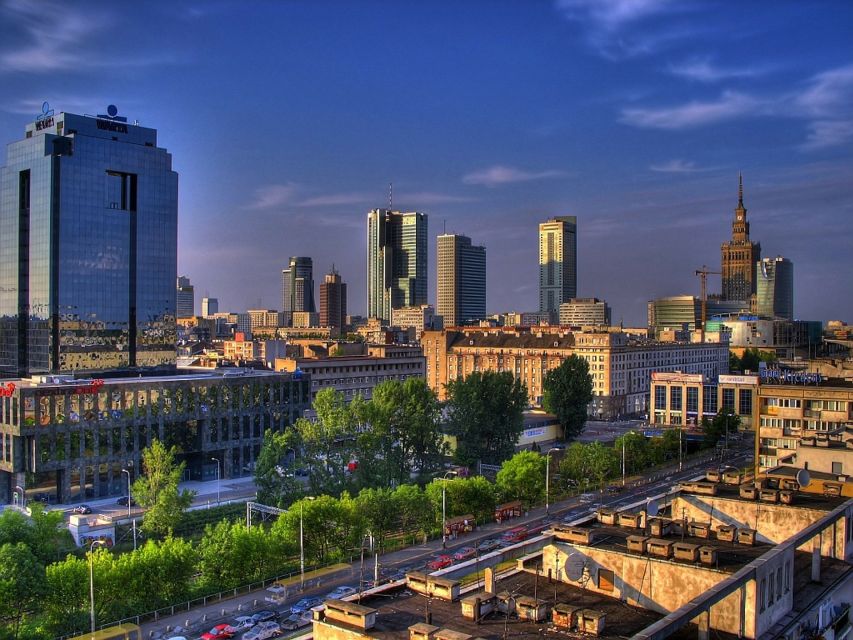
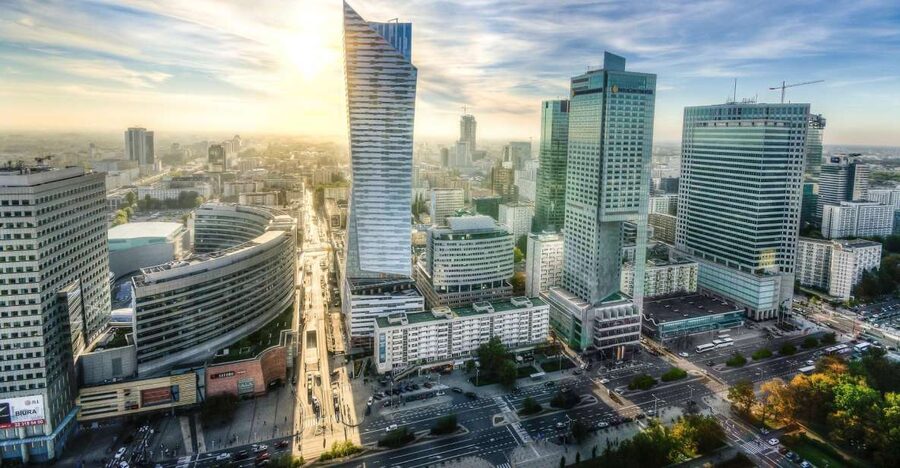
- Modern Warsaw stops mixed in, like the Palace of Culture and Science and Hala Koszyki
- Optional viewpoints and interiors, such as the St. Anne bell tower and certain churches (when requested)
Why this Warsaw Old Town plus ghetto route makes sense
The Old Town in Warsaw is not just pretty cobblestones. It is the setting for a comeback story after destruction in the Second World War, rebuilt with real attention to style and layout. So when you move from places like the Royal Castle area into memorial stops, the contrast hits harder, in a useful way.
This is also a practical way to understand Warsaw. You see the Royal and ceremonial center, then you see how the city was forced to change under occupation and violence. If you only do the postcard parts, you miss what the city is actually trying to remember.
More to book in Warsaw:
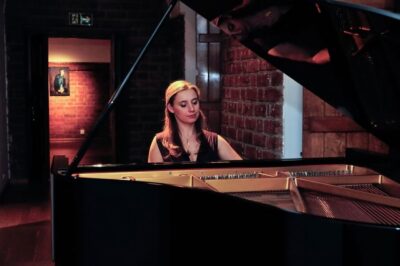
- Warsaw: Chopin Concert in the Old Town
★ 4.8 · 2,287 reviews - Warsaw: Traditional Galar Cruise on The Vistula River
★ 4.6 · 1,640 reviews - Warsaw: Old Town Highlights Walking Tour in English
★ 4.7 · 1,516 reviews
Pacing, comfort, and the real walking time
The tour is listed at 4 to 6 hours, with a walking focus. In practice, there can be a lot of stops, so the time feels longer if you stop often for photos, rest breaks, or discussion.
You also want to be ready for days where the “walking part” is the main event. If you know you cannot comfortably stand and move for long stretches, I would treat this as a “shorter option” or pick another format with fewer stops.
From Palace of Culture to Nowy Swiat, starting with big contrasts
The opening move is smart: you start with something unmistakably Warsaw, then ease into the pedestrian spine of the center.
- Palace of Culture and Science (Stop 1): Warsaw’s towering landmark, a monumental building with a Soviet-era look that dominates the skyline.
- Hala Koszyki (Stop 2): A food hall built around chefs and restaurateurs, a great place to refuel and sample flavors from many places at one stop.
- Nowy Swiat (Stop 3): A long, well-kept central street that connects key attractions, with plenty of coffee stops for mid-walk breaks.
- Zlote Tarasy (Stop 4): A big mall complex, useful for seeing modern Warsaw architecture and the city’s everyday rhythm.
These early stops also set the tone for your guide’s approach. A good guide will connect what you see now to what Warsaw became after war, and you can feel that storytelling coming into focus later.
Seeing the ghetto remnants without rushing them
This part of the route matters, and you do not want it flattened into a quick photo stop.
- Fragment of Ghetto Wall (Stop 5): A Holocaust relic tucked between buildings, easy to miss if you are not looking with intent.
- Warsaw Ghetto (Stop 6): A short look at the ghetto area, with the note that it is possible to see by request. Ask for what you can handle in terms of time and emotional intensity.
- Pomnik Bohaterow Getta (Stop 15): A powerful monument to Polish Jews and the persecution during the German occupation, just outside the Polish Museum of Jewish history.
- Monument to the Fallen and Murdered in the East (Stop 36): Another heavy stop, memorializing Poles sent to Soviet labor camps, including children and the elderly.
I like that the tour does not treat WWII memory as a single stop. It spreads meaning across locations, so it lands as a sequence, not a jump scare.
More Warsaw bookings to weigh
- 3-Hour Guided Cycling Tour of Warsaw
★ 4.9 · 624 reviews - Warsaw: Old Town Guided Walking Tour
★ 4.9 · 599 reviews - Half-Day Polish Food Walking Tour with Guide and Dinner
★ 4.5 · 381 reviews - From Warsaw: Guided Tour to Auschwitz-Birkenau and Krakow
★ 4.4 · 363 reviews
Old Town core: Old Town streets, Rynek Starego Miasta, and Castle Square
Once you shift into the Old Town core, the walking becomes more fun because you can start reading the city like a storybook. You will spot churches, courtyards, and the sense of scale that comes from reconstructed streets.
- Old Town (Stop 8): Cobblestone Gothic streets and alleyways, with baroque palaces and tiered merchant houses rebuilt to match older atmosphere.
- Rynek Starego Miasta (Stop 9): The central square with 17th and 18th century merchants’ houses, plus cafes and shops if you want a quick pause.
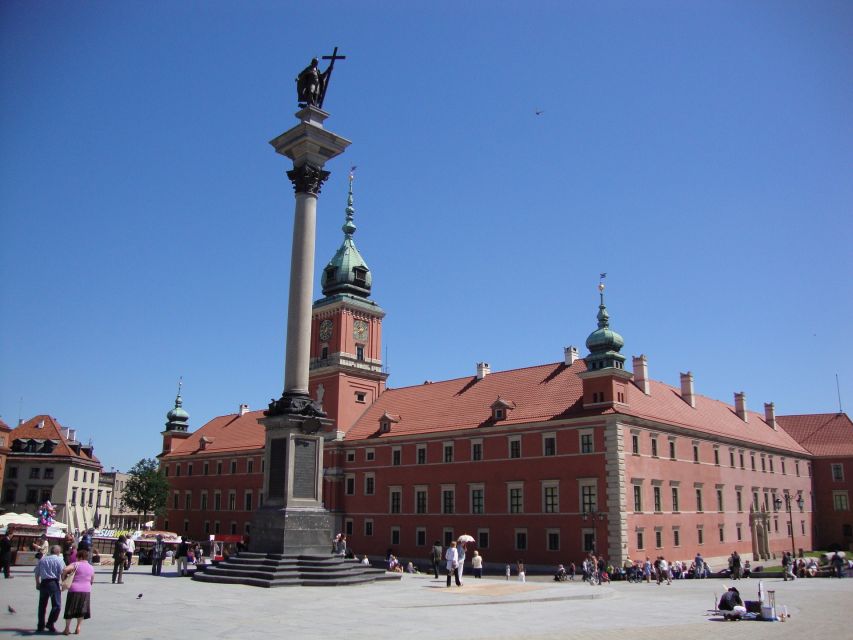
- Castle Square, Plac Zamkowy (Stop 10): The open plaza with the column of King Zygmunt III in the middle.
- Royal Castle in Warsaw, Museum (Stop 11): The major anchor. It served as a central building of the Polish Commonwealth, was destroyed after the Warsaw uprising, then rebuilt to recreate 17th-century architecture and interiors. Tickets are included on the 6-hour version of the tour.
If you like history you can see with your own eyes, this is where you will feel the tour earning its price. A guided context makes a rebuilt palace feel less like a set and more like a city trying to remember itself.
St. Anne’s bell tower, churches, and royal symbolism at walking speed
This route is packed with religious architecture, and the good part is that you get to choose how much you want to enter versus simply view.
- Observation Terrace on the Bell Tower of St. Anne’s Church (Stop 12): A viewpoint option, listed as possible by request, with a climb that rewards you with close-up Old Town views and the city center in the distance.
- St. Anne’s Church (Stop 18): Rich decoration inside, with a calmer vibe once you step in.
- Archikatedra Sw. Jana Chrzciciela (Stop 19): A major church with roots going back to the 13th century and known for royal coronations and national celebrations. Entry is noted as possible by request.
- Church of Jesuits (Stop 26): Red exterior, very ornate interior, and a size that can feel bigger than your first glance suggests.
- Church of the Jesuits and other stops like these help your guide do the storytelling, because architecture here is political, cultural, and personal all at once.
Then come the landmarks that act like visual bookmarks:
- Warsaw Mermaid (Stop 20): A mermaid sculpture with a legend connected to the city’s folklore and identity.
- King Sigismund’s Column, Kolumna Zygmunta (Stop 21): Dating to the 1600s, one of the Old Town’s most recognizable monuments.
- Wishing Bell (Stop 27): A 17th-century bronze bell in a courtyard, one of those small stops that feels charming even when the rest of the tour is serious.
- Field Cathedral of the Polish Army (Stop 24): Outside view only, with a simple, rebuilt look that feels strong rather than overly decorated.
And because you can only do so many climbs and entries in a half-day, this is also where your guide’s pacing matters. I would treat churches and monuments as “pick your comfort level,” not a checklist.
Barbican, memorials, and the edge of Warsaw’s defenses
Some stops are more about structure than emotion, and others are the opposite. You get both.
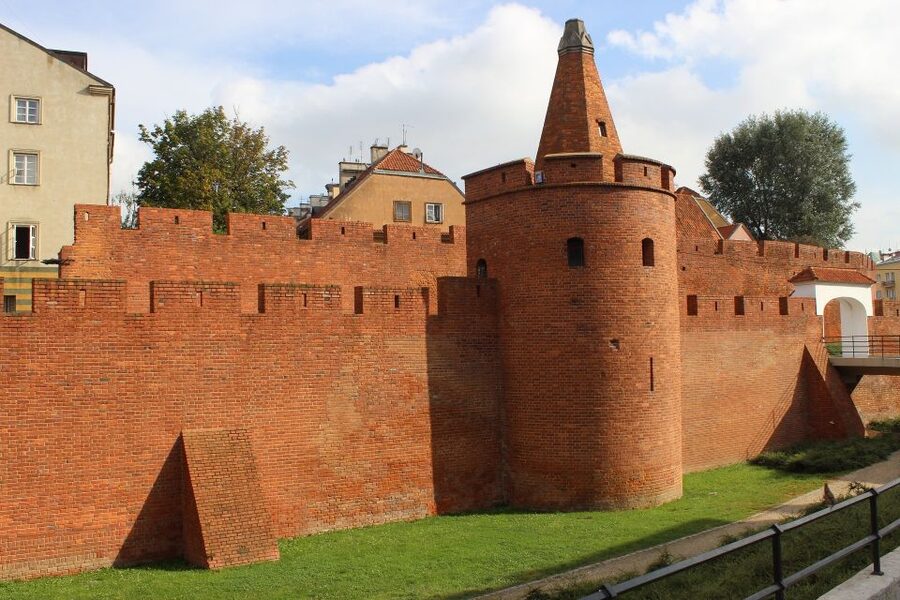
- Warsaw Barbican, Barbakan Warszawski (Stop 16): A 16th-century fortress portion of medieval defenses, guarding the northern entrance area.
- Warsaw Uprising Monument (Stop 14): One of the most moving monuments in the city, designed to show effort, strength, and sacrifice.
- Statue of the Little Insurgent (Stop 17): A small bronze statue honoring children who died in the Warsaw Rising, which makes the scale feel even more intense.
These sites work best when you slow down for a minute. Let the guide’s context land, then do the photo. Trying to snap everything first usually turns these stops into busywork.
National Philharmonic and the arts spine of the city
Warsaw loves music, and this tour touches that in a direct way.
- National Philharmonic (Stop 7): A major pride point for classical music, with a note about selected performances and a strong musical legacy.
- Teatr Narodowy (Stop 25): The National Theatre exterior, big and impressive in daylight or at night when lit up.
- Teatr Wielki – Polish National Opera (Stop 33): Poland’s leading opera, ballet, and concert venue, highlighted here through its remarkable exterior architecture.
If your group likes the arts, a guide who weaves in short stories about performance culture can make these stops feel alive, not just impressive.
Beyond the Old Town wall: palaces, squares, and “Road of Kings” views
As you move outward, the streets keep doing their job: they guide you toward the ceremonial and civic heart of Warsaw.
- Krakowskie Przedmiescie (Stop 13): A long “Road of Kings” feel, lined with old and interesting buildings, great for walking and people-watching.
- Zacheta Gallery, Galeria Zacheta (Stop 41): A white modern-feeling building that is beautiful to view even when you do not go inside.
- Carmelite Church, Our Lady of the Assumption (Stop 43): Baroque with double pillars and grand lamps, a favorite kind of stop for architecture lovers.
- Plac Marszalka Jozefa Pilsudskiego (Stop 44): A huge parade square and home to the Unknown Soldier memorial.
- New Town Square (Stop 42): Renaissance architecture tied to John III Sobieski, plus the baroque church of the sisters of the Holy Sacrament.
- Grzybowski Square (Stop 47): Now a dining and drinks area around renovated Prozna street, useful as a relaxed break.
These are the stops that help you understand Warsaw as a working city, not only a museum.
University of Warsaw, rooftop quiet, and the science-minded side
One reason I like this tour is that it refuses to be only churches and monuments. You also get Warsaw’s education and modern thinking.
- University of Warsaw Library rooftop garden (Stop 30): A quieter, peaceful viewpoint option, possible to see for request.
- Copernicus Science Centre (Stop 29): Exterior view only noted, but it is a huge science center building with lots to look at from outside.
- Multimedia Fountain Park (Stop 31): A light and music fountain area, also possible by request.
- Muzeum Marii Sklodowskiej-Curie (Stop 34): Exterior view only, connected to Marie Curie’s life and work.
- University of Warsaw (Stop 35): The university buildings and gardens, plus decorated architecture and balconies.
If you want a break from the heavy WWII stops, these moments can reset your head. They also show a different Warsaw value system: build knowledge, build institutions.
Chopin and Polish cultural icons around the city center
This is where “Warsaw the music city” turns into “Warsaw in details.”
- Holy Cross Church (Stop 32): Houses the heart of Chopin, with rich decoration and the entrance detail surviving bombings.
- Chopin’s Bench (Stop 40): A multimedia bench that presents Chopin’s music, built for a more modern listening moment.
- Monument of Nicolaus Copernicus (Stop 37): A major Warsaw landmark tied to Polish astronomer and mathematician fame.
- Adam Mickiewicz Monument (Stop 46): A poet monument with stairs and sculptures around it.
For me, these stops create a “cultural spine.” You can go from memorial seriousness to art and intellect without the tour feeling like it lost its purpose.
Vistula waterfront, fountains, and the modern Warsaw mood
Warsaw’s riverfront keeps changing, and this tour uses that energy as a way to end your mental map.
- Vistula (Stop 28): The developing waterfront with new boulevards and waterside pubs, giving a laid-back atmosphere.
- St. Mary’s Church (Stop 45): The church is one of the few Gothic examples left, with a small park behind it and steps leading down toward the river banks.
- Palac Prezydencki (Stop 38): The Presidential Palace exterior and surroundings, guarded, and worth seeing for the scale and setting.
- Monument to the Heroes of Warsaw (Stop 48): Known as the Nike of Warsaw, commemorating those who fought against Nazi occupation.
This ending stretch helps the city feel whole. You leave with both the memory side and the live-now side of Warsaw in your head.
Who guides you, and why that can change everything
This tour’s quality depends heavily on the guide’s communication and pacing. Some names that have stood out in past experiences include Natalia, Ewa, Igor, Grace, and Barbara, each described as engaging and strong on history and city context.
At the same time, I’d be cautious if you need very clear English. There has been at least one account of poor English and weak organization. So if language clarity is a must for you, message the operator before booking and ask for confirmation that your guide can comfortably meet an English-speaking group.
Also note the meeting point can be tricky if you are arriving fast. The official start is Museum of Warsaw, Rynek Starego Miasta 42, so I’d use that address in your map app and give yourself a few extra minutes.
Price and value: what $137.33 buys you
At $137.33 per person, this is not a low-cost “see the sights” deal. You are paying for a private experience with a licensed guide, route adaptation, pickup (only from Warsaw Old Town hotels), and restaurant and patisserie tips.
The value improves if:
- you have more than one person splitting the private guide cost
- you want commentary that connects buildings to real events
- you plan to do the Royal Castle on the 6-hour version, since Royal Castle entry tickets are included there
It can feel overpriced if you only want a quick visual scan and you do not plan to ask questions. One negative experience also highlighted that it did not feel like a good fit for people who cannot stand for more than about three hours. If you fall into that category, I’d look for a shorter or less stop-heavy alternative.
Quick practical tips so you enjoy every stop
- Wear shoes you trust. This is a lot of walking plus steps if you choose the bell tower.
- If you want an optional stop like the St. Anne bell tower, specify it in advance so it fits the flow.
- If you care about comfort and emotional pacing, tell your guide what you can handle for the ghetto and uprising memorial areas.
- Bring a small bottle of water. A long old-city loop adds up fast in real time.
Should you book this Warsaw Highlights of Old and New Town private tour?
I would book this if you want a single guide-led route that covers the postcard center, the ceremonial monuments, and the WWII memory stops, all without turning it into a frantic sprint. It is especially good for first-time visitors who want context, and for groups that enjoy asking questions and getting local food tips.
I would skip or switch plans if:
- you want minimal walking time and cannot comfortably be on your feet for long stretches
- you strongly depend on excellent English clarity and you cannot communicate your needs in advance
- you are only after a quick overview and not interested in the why behind the city
If you book, go in with a simple mindset: let the guide lead, take short photo breaks, and use the heavier stops to slow down. That is when this tour pays off most.
Fresh Warsaw reviews
- Warsaw: Wolf’s Lair & Swieta Lipka Small-Group Tour + Lunch★ 5.0 · 3 reviews
- World War II Warsaw Old Town, Military Cemetery Walking Tour★ 4.7 · 3 reviews
- Warsaw: Old Town Walking Tour, Hidden Gems & Hot Chocolate★ 4.3 · 3 reviews
- Warsaw: Explore the Vistula on Its Longest Speedboat Route★ 4.6 · 3 reviews
- 5-hour: Royal Castle, Old Town and POLIN Museum/inc.Pick-up/★ 5.0 · 3 reviews
- Museum of Modern Art in Warsaw★ 5.0 · 3 reviews
- Majdanek – German camp from II World War – Private Tour – 1 DAY TRIP FROM WARSAW★ 5.0 · 3 reviews
- Warsaw Outdoor Paintball with Transfers (all year round)★ 5.0 · 3 reviews
Warsaw Tours, compared.
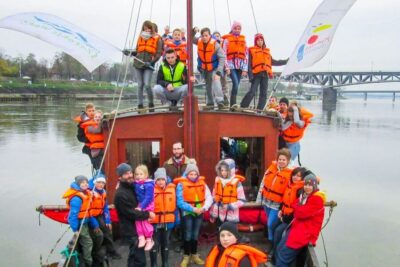
Traditional Galar Cruise on The Vistula River
Read our review →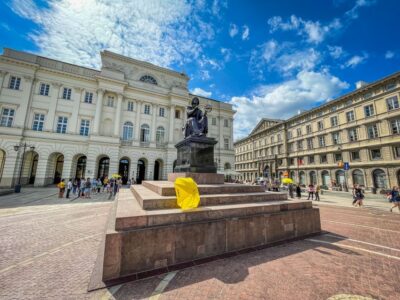
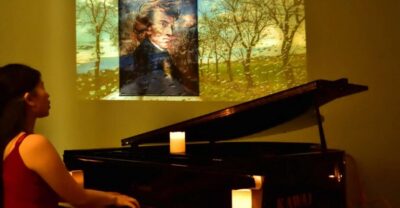
Warsaw Concert: Chopin – Painted by Candlelights with Wine
Read our review →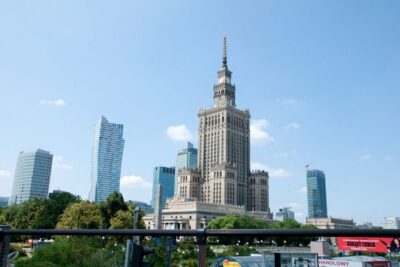
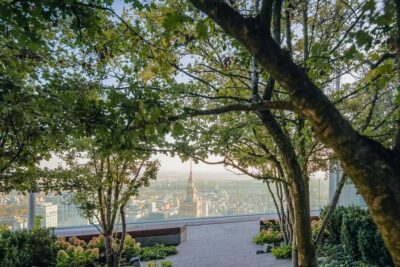
Highline Warsaw Entry With 360° Views & Rooftop Bar
Read our review →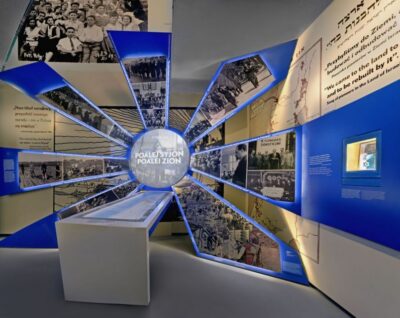
POLIN Museum of the History of Polish Jews Ticket
Read our review →