Reviewed · KRAKOW TOURS
WOMAI Cracow – Into the darkness experience
Krakow has plenty of great sights, but WOMAI Cracow Into the Darkness is different because you turn your attention away from the world and into your own senses. In total darkness, a blind guide leads you through the experience so you can see how everyday life changes without sight. It is not about scary tricks. It is about learning through doing.
What I love about this setup is the hands-on nature of it. You spend about an hour navigating everyday tasks in complete dark, so your brain has to switch gears quickly and you get a real feel for what “getting around” means. I also like that you end with a braille moment, including time to ask questions and learn how it works.
One key consideration: this tour is not recommended for severe claustrophobia. If you feel trapped easily, the idea of total darkness plus guidance in close quarters may not feel right for you.
Key things to know before you go
- Total darkness, guided the whole way: You do not just sit and watch. A blind guide supports you through the experience.
- Everyday tasks, not special effects: The point is daily life without sight, so you learn by trying real actions.
- Questions and braille at the end: You get direct answers and a practical introduction to braille.
- English-language tour: The experience is offered in English, making it easier to follow every step.
- Moderate physical fitness helps: You should be comfortable with basic movement during the session.
- Not for everyone: It is not recommended if you have hearing problems, significant mobility disabilities, or severe claustrophobia.
Turning Off One Sense in Krakow: What Into the Darkness Means
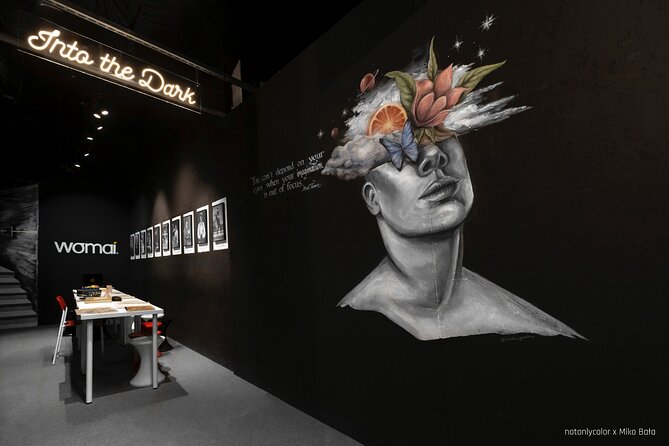
Into the Darkness is built around a simple idea with big results. You walk into a space where sight is taken away, so you start relying on hearing, touch, and the rest of your senses to figure out what is going on. That shift is the whole point. You are not being tested for a score. You are being shown a new way of living and understanding.
In Krakow, this kind of experience is valuable because it is not a distant concept. You feel the difference in your body in real time. The dark also changes how you interpret space. Even when you know you are still safe and guided, you may still have moments where you feel completely alone when you cannot feel a person or object in front. That feeling tends to make people pause and pay attention, which is when empathy turns from idea into understanding.
The experience is about control too, in a good way. You get a structured introduction so you know what is expected, then the dark does the rest. You learn by coping with uncertainty, making small choices, and adjusting as your senses sharpen.
And yes, the blind guide matters. This is not a “theater darkness” that tries to simulate disability as a gimmick. It is guidance from someone who lives with low or no vision, which brings clarity and respect to every minute.
More to book in Krakow:
- From Krakow: Auschwitz-Birkenau Guided Tour & Hotel Pickup
★ 4.5 · 33,358 reviews - From Krakow: Auschwitz-Birkenau Guided Tour & Hotel Pickup
★ 4.5 · 29,340 reviews - Krakow: Auschwitz Guided Tour with Optional Hotel Pickup
★ 4.5 · 15,280 reviews
Your Start at WOMAI: How the Session Gets Moving
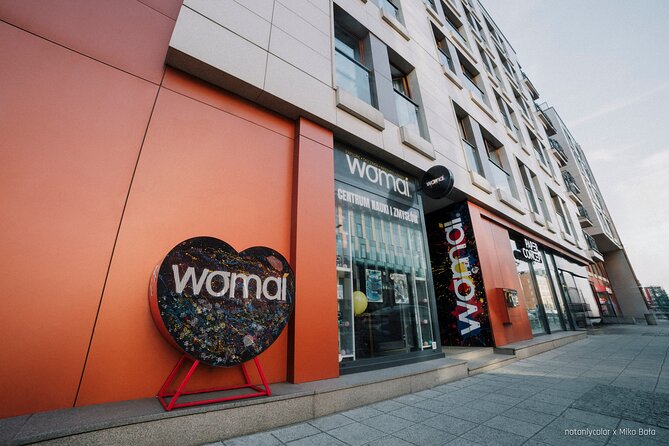
The tour meets at WOMAI for the Into the Darkness experience. From there, you step into a new routine. Since this is offered in English, you can expect clear instruction about what will happen and what you should do next, which helps a lot when you cannot rely on visual cues.
One thing I appreciate about experiences like this is how quickly they shift from expectation to action. There is no long sightseeing ramp up. Instead, you get oriented and then you learn by moving and responding. That is why the timing is so tight: you are looking at about one hour total, so you stay focused and the learning stays fresh.
The guide is a key part of the “first ten minutes” experience. You are not just walking in the dark on your own. You are guided by a blind person who helps you orient, manage your pace, and understand what to do without sight. That makes the experience feel human, not mechanical.
If you like tours where the host is engaged and you can ask questions, this one tends to deliver. There is time built in at the end to talk and learn, so you do not have to guess what you experienced or why it matters.
Inside the Darkness: Everyday Tasks and Sense Switching
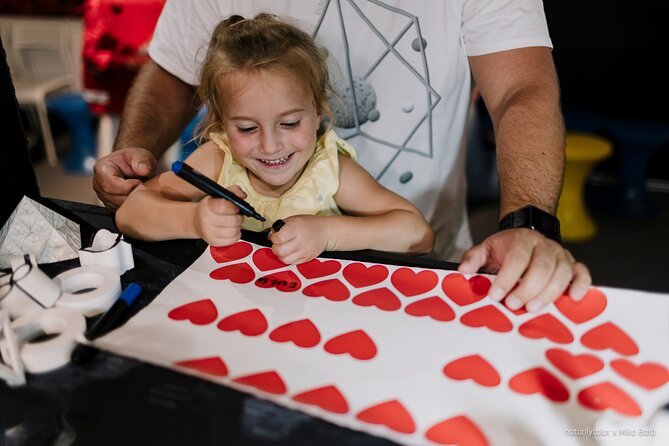
Once you are in total darkness, the session focuses on practical situations. You will navigate everyday tasks without sight, which is exactly what makes this more meaningful than a generic “dark room” activity. Your hands become tools. Your ears become your map. You start paying attention to spacing, movement, and subtle signals you would normally ignore.
For me, the most useful part of this is that you feel how quickly your brain rewires. At the start, you may feel slow or unsure. Then you start figuring out patterns: where to reach, how to keep balance, and how to orient yourself without visual landmarks. That sense-switching is not just emotional. It is physical learning.
And it is not all smooth. Some people find the silence or the lack of reference points to be unsettling at first. Others get frustrated that they cannot “look around” to confirm what they think is happening. That friction is part of the lesson. It shows you how much sight usually handles for you without effort.
What surprised me in the feedback is how real the emotional edge can feel. One common theme in the description of the experience is how you can sometimes feel alone for a moment when you cannot feel where the person or objects ahead are. That is not the point to scare you. It is the moment that makes the world feel different, and it builds respect for the calm routines blind and partially sighted people practice every day.
The moderate physical fitness note matters here. This tour is not described as a strenuous hike, but you should be able to move, turn, and handle guided navigation in dark conditions. If you expect to be mostly seated, or if you have limits that affect balance, you should think carefully.
The End Moment: Questions and a Braille Introduction
The experience does not stop when the lights come back or when you exit the dark. The ending is designed for understanding. You get an opportunity to ask lots of questions, and then you are taught how braille works.
That braille moment is a smart final step. Without it, you might walk away with a strong feeling but not much practical takeaway. With it, you leave with something concrete you can mention and use to interpret what you just experienced. You also get a chance to connect empathy with knowledge.
From a tour value standpoint, this ending is where the learning becomes sticky. It is one thing to feel the dark. It is another to learn a tool people use in daily life to read, identify, and communicate. Even a basic introduction can change how you look at braille signs and materials afterward, because you now understand what you are seeing.
You will also appreciate the tone if you ask questions and the guide answers in plain language. The best part is the way questions tend to make the guide share personal insights, not just generic facts. That is what turns the session from an hour of darkness into a short education.
Another way through a Krakow day:
- Krakow: Wieliczka Salt Mine Tour with Entry Ticket
★ 4.6 · 10,927 reviews - Krakow – Zakopane: Cable Car, Chocholow Baths, Cheese & Vodka
★ 5.0 · 10,720 reviews - Krakow: Auschwitz-Birkenau Guided Tour with Pickup & Lunch
★ 4.5 · 9,800 reviews - From Krakow: Wieliczka Salt Mine Tour
★ 4.6 · 9,393 reviews
Price and Value in Krakow: Is $17.33 Worth One Hour?
At about $17.33 per person, this experience sits in the lower to mid range for Krakow activities, especially when you compare what you get. You are paying for a structured, guided session that lasts about one hour and includes both the sensory experience and a braille learning segment.
The real value is not only the duration. It is the “two-part” nature: you first live the conditions, then you process them with questions and practical learning. Many paid experiences in travel feel one-track, either entertainment or instruction. This one mixes both, and that tends to justify the price because you leave with memory plus meaning.
It also helps that the session is offered in English. If you have limited Polish, language can be a hidden cost on tours. Here, English support makes the experience more accessible and reduces the risk of leaving confused.
Another value factor is that the tour is near public transportation. That matters in Krakow, where you might otherwise spend time and effort squeezing sights around transit. A tour that fits easily into your day can be worth more than a slightly cheaper one that is harder to reach.
Finally, the booking rhythm tells you something. This is often booked about 18 days in advance on average, which suggests steady demand. When demand is strong, it usually means the experience has repeatable quality, not just a one-time novelty.
Who Should Book This and Who Should Skip It
This tour is a strong match if you want a unique Krakow experience that teaches through real-life sensation and direct interaction with the guide. You should also be comfortable following instruction and moving a bit in low visibility.
It is also a good fit if you like experiences where you can ask questions at the end. The braille lesson plus Q and A turns it into an exchange, not a one-way show.
Here is where you should slow down and check yourself. This is not recommended for people with severe claustrophobia. If darkness plus close guidance makes you panic, do not “test it” on vacation. Choose a different type of learning experience that feels safer.
Also, it is not recommended for people with hearing problems or with significant mobility disabilities. The data is explicit about these limitations, so trust it. Even if you are curious, the environment and guidance style may not work for you.
If you have moderate physical fitness, plan on being able to navigate the space as directed. That does not mean you need to be an athlete. It does mean you should be comfortable enough to participate.
Getting There and Planning Your Hour
WOMAI is described as near public transportation, which makes it easier to fit this into a flexible itinerary. You also get a mobile ticket, so you can avoid hunting for paper on your phone or in your bag.
Because the experience lasts about one hour, you can plan it like a stop, not a whole day event. That helps when you are juggling museum time, walking time, and a few needed breaks.
One practical note: you will be in total darkness, so it helps to arrive calm and not rushed. If you come in sprinting, you will feel the contrast more. Slow down in your schedule, give yourself buffer time, and use the tour as a reset.
Also consider what you bring in terms of comfort. The tour data does not list specific items to carry or not carry, so I would keep it simple: wear comfortable shoes, keep your day bag secure, and make sure you can follow instructions quickly once you start.
Should You Book WOMAI Into the Darkness in Krakow?
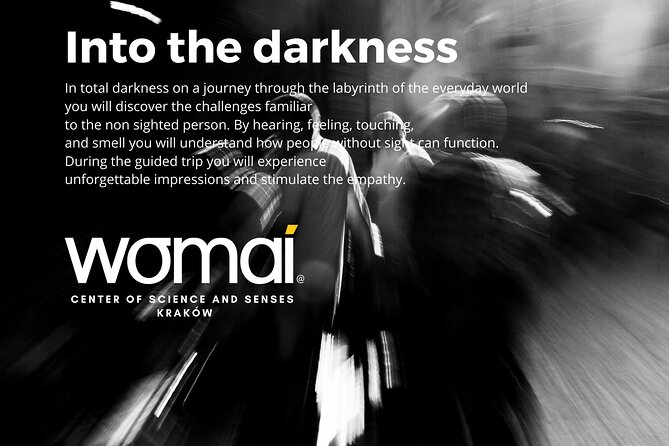
I think this is a smart booking if you want something different from the usual photo and monument routine. The structure matters. You get a guided introduction, you practice everyday tasks without sight, and then you walk away with a braille lesson plus questions. That combination makes the experience useful, not just memorable.
Book it if:
- You want a hands-on way to understand daily life without sight
- You like learning from a blind guide and asking questions
- You can handle total darkness calmly
- You are able to move with moderate physical effort
Skip or reconsider if:
- You have severe claustrophobia
- You have hearing problems that could limit your ability to follow or participate
- You have significant mobility disabilities and need a different kind of tour
If you do book, treat the hour as education through sensation. Go in with curiosity, not expectations of entertainment. You will likely find that the biggest takeaway is how much you normally rely on sight, and what it takes to manage daily life without it.
FAQ
How long is the WOMAI Cracow Into the Darkness experience?
It lasts about one hour.
What language is the tour offered in?
The experience is offered in English.
Do I need a paper ticket?
No, it uses a mobile ticket.
Is the tour near public transportation?
Yes, it is described as near public transportation.
What kind of physical condition do you need?
Travelers should have a moderate physical fitness level.
Is it recommended for people with hearing problems?
No, it is not recommended for people with hearing problems.
Is it recommended for claustrophobia?
No, it is not recommended for people with severe claustrophobia.
Is it recommended for people with mobility disabilities?
No, it is not recommended for people with significant mobility disabilities.
What is the cancellation policy?
You can cancel for free up to 24 hours before the experience starts for a full refund. If you cancel less than 24 hours before, the amount paid is not refunded.
Fresh Krakow reviews
- Zakopane PRIVATE TOUR from Krakow★ 5.0 · 18 reviews
- Czestochowa Black Madonna Private Day Tour from Krakow★ 5.0 · 18 reviews
- Chopin Candlelight Concert with Wine in Krakow★ 5.0 · 18 reviews
- Krakow City Pass – Museums, Atractions & City Transport★ 4.0 · 18 reviews
- Krakow: Garden of Lights Pinocchio Entry Ticket★ 4.7 · 18 reviews
- Half-Day Wieliczka Salt Mine Tour from Krakow★ 5.0 · 18 reviews
- Auschwitz Birkenau Memorial and Museum group tour from Krakow★ 5.0 · 18 reviews
- Krakow: Schindler’s Factory & Ghetto Guided Tour★ 5.0 · 18 reviews
Krakow Tours, compared.
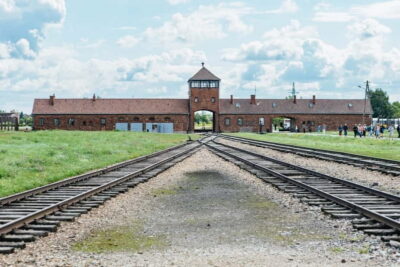
Auschwitz-Birkenau Guided Tour & Hotel Pickup
Read our review →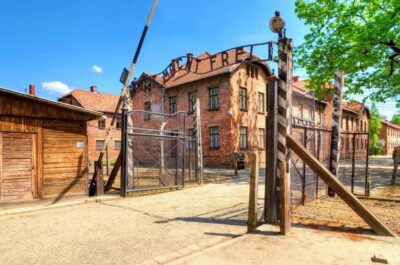
Auschwitz Guided Tour with Optional Hotel Pickup
Read our review →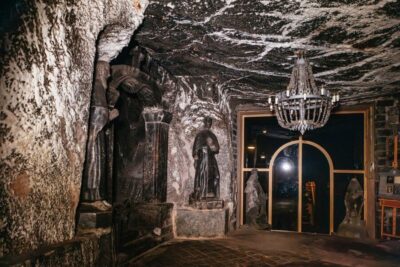
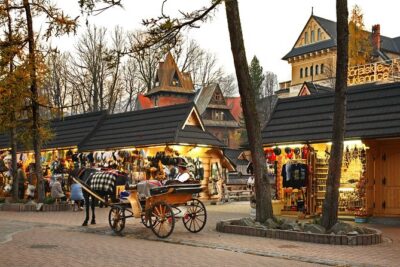
Zakopane: Cable Car, Chocholow Baths, Cheese & Vodka
Read our review →

Krakow to Auschwitz Birkenau Guided Tour with Transfer and Ticket
Read our review →