
Schindlers Factory in Krakow hits hard in a real way, not a movie way. I love the private guide approach, which keeps the story clear and human, and I also love the added documentary stop that ties the timeline together. One thing to consider: this is WWII subject matter, so plan for a heavy emotional tone, not background sightseeing.
I am especially glad you can catch it in the morning window, and you get admission included along with expert interpretation in English. The tour also returns you to where you started at Lipowa 4, so it feels easy to plug into a day. If you prefer a lighter, strictly factual visit with no emotion, this tour may feel too intense.
In practice, the tour is built around Fabryka Emalia Oskara Schindlera, the same factory connected to Schindlers List, and it moves at a calm pace with thoughtful guidance from people like Alicja, who comes through as organized, patient, and very focused on detail.
Key highlights to know before you go
- Private English tour for your group, with a guide leading the full experience
- Fabryka Emalia Oskara Schindlera as the main site, starting right at the entrance
- Documentary screening in a cinema space during the tour
- Admission included, so you do not have to scramble for tickets
- A guide like Alicja often noted for clarity, care, and a careful pace
Why Schindlers Factory Matters, and Why a Private Guide Helps
Schindlers Factory Museum is one of those places where the details matter. Not because you need trivia, but because the story is built out of daily choices, forced systems, and consequences that still feel close. Standing in an actual industrial space makes the history feel physical. You are not just hearing about it, you are seeing the setting where people were processed and exploited.
A private guide changes how you experience it. With a group tour, you can end up following the pace of the slowest step. With this setup, you can take a little more time with the parts that land for you. That matters here, because the tour is not only about Oskar Schindler. It is about Krakow under Nazi occupation, and that needs clear explanation.
I also like how the experience includes time in a cinema for a documentary, not just a museum walk. That combo helps you connect the facts you are seeing on site with the broader story. It is easier to remember what you saw when you get a guided thread through the timeline.
One more practical point. The tour starts and ends at the same meeting point, Lipowa 4. That is a small detail, but it reduces stress on travel days. You can plan your lunch and other stops without worrying about a long walk to regroup.
More Museums in Krakow
- Auschwitz-Birkenau Museum and Memorial Guided Tour from Krakow
★ 4.5 · 1,510 reviews - Krakow: Rynek Underground Museum Guided Tour
★ 4.6 · 1,122 reviews - Krakow: City Card with Public Transport and Museums
★ 3.9 · 675 reviews
The 2 hours 30 minutes Plan, Stop by Stop at Fabryka Emalia Oskara Schindlera
This tour is timed for about 2 hours 30 minutes. That is long enough to cover the key museum content without feeling rushed, and short enough to keep the day flexible.
You begin at Lipowa 4, near public transportation. Your guide meets your group and walks you into the museum starting at the entrance. From there, you move through the site and step back into the period of Krakow under Nazi occupation. The guide role is important because industrial buildings can feel confusing at first. A good guide helps you see what the space meant, how it worked, and why the museum layout is built the way it is.
A standout part of the flow is that the tour does not just name-drop Schindler. It also places the story inside the wider occupation context. That means you should expect discussion of how Nazis treated Jewish people and also other Polish citizens who were incarcerated. The wording you get from the guide tends to be direct, and that is usually what makes this tour memorable and emotional.
Then you move into a cinema segment as part of the tour plan. This is not an add-on you have to find on your own. It is scheduled into the experience, which helps you stay on track and keep your focus.
After the documentary portion, the tour wraps back near the start point. It is designed to keep you from turning this into an all-day logistics problem.
What could be a drawback? If you are the type who hates emotional topics or wants a casual, quick visit, plan for the opposite. This tour deals with real suffering. A thoughtful guide will slow you down rather than speed through.
Spielberg Connection to Schindlers List, and What It Actually Adds
Fabryka Emalia Oskara Schindlera is the core site, and it is famous partly because it appeared in the film Schindlers List. That connection can tempt you to watch for movie scenes. Here is the better approach: treat the film link as a door into place, not the whole point.
When you start at the museum entrance, the film association is part of the framing. But the tour focus stays on what happened and how the occupation system worked. The guide helps you connect what you may have seen in the movie to the actual environment and the museum presentation.
I like this method because it prevents a common tourist trap. You do not end up on autopilot, hunting for a shot from a film. Instead, you use the film memory as a reference while the guide explains the history behind it.
Also, the factory setting is a key reason this works so well. Industrial spaces have a way of making abstract cruelty feel practical and real. The tour helps you hold both views at once: the physical fact of the building, and the human consequences that unfolded there.
If you are curious about film history, you will get a lot of meaning from the connection. If you are not, it still holds up because the tour delivers context and guided structure around the museum experience itself.
The Documentary Screening: Turning Dates Into a Clear Story
A cinema stop is included during the tour. You watch a documentary about Oskar Schindler as part of the guided path. This matters more than it sounds.
Museums can work like a scrapbook. You see artifacts and displays, but the timeline can feel scattered unless someone stitches it together. A documentary gives you that stitch. It is especially useful when you are trying to understand motivations, turning points, and how events unfolded across time.
Because the documentary is scheduled inside your guided tour, you are not left wondering what you should focus on. Your guide can set you up for what to watch for, then help you interpret what you just saw.
One practical benefit is pacing. After walking through museum spaces, sitting for a documentary gives your brain a breather. It also gives your emotions a structured moment to settle, before you move on.
The drawback to know up front is simple. This is not a light documentary vibe. It is built around WWII themes, and the broader occupation context is part of the overall experience. If you need time to recover from intense scenes, bring that need with you and be ready to take it slowly.
Another way through a Krakow day:
- From Krakow: Auschwitz-Birkenau Guided Tour & Hotel Pickup
★ 4.5 · 33,358 reviews - From Krakow: Auschwitz-Birkenau Guided Tour & Hotel Pickup
★ 4.5 · 29,340 reviews - Krakow: Auschwitz Guided Tour with Optional Hotel Pickup
★ 4.5 · 15,280 reviews - Krakow: Wieliczka Salt Mine Tour with Entry Ticket
★ 4.6 · 10,927 reviews
Price and Value for a Private English Tour in Krakow
At $120.16 per person, this is not a budget add-on. You should look at what is included and what you are buying: guided interpretation plus admission.
Your ticket is included, and you also get a private guide. That combination is where the value usually shows. In a museum setting like this, the ticket alone does not create understanding. A strong guide can save you from staring at labels and missing the big connections between sections.
You also get an English tour, which is a major plus in Krakow. If you are traveling with someone who does not want to rely on a phone app for everything, this is a smart way to keep the experience coherent.
The tour is also private, meaning only your group participates. That matters for questions. On emotionally heavy topics, you often want clarification. A private format supports that kind of back-and-forth.
There is a mention of group discounts, which could help if you are traveling with multiple people. If you can split the cost among a small group, this can feel more reasonable fast.
The one value question to ask yourself is this: do you want a guided, English interpretation for this specific topic? If you do, the price is easier to justify. If you are happy self-guiding at your own pace, you might decide differently.
What Its Like With a Guide Like Alicja, From Reviews to Reality
The name Alicja shows up again and again in feedback, and the themes are consistent. People describe her as organized, professional, and very patient. They also say she explains things thoroughly and does not rush you through the content.
That pacing is a big deal in a place like this. A rushed guide turns the experience into a checklist. A careful guide lets the story land. In this tour, the overall tone is emotional and respectful, not performative. That matches what you want when the subject is mass incarceration and terror.
You can also expect a guide who connects details to meaning. Comments about her giving new insight suggest she does more than recite facts. She tends to explain why certain displays matter and how the occupation shaped daily life in Krakow.
Another theme is her passion for Polish history. Passion is not the same as entertainment. Here it reads as commitment, clarity, and a steady tone. That kind of guiding is often what makes you feel like you truly understood what you saw.
If you are the type of traveler who cares about the human side of history, this tour sounds like the right format. If you are the type who prefers to stay detached, you may find it too personal. Either way, the guide approach is central.
Practical Tips for Your Morning Visit at Lipowa 4
This tour runs in the morning, with opening hours listed as Wednesday to Sunday, 9:00 AM to 11:00 AM (for the dates shown). Plan your schedule around that window. If your Krakow trip has limited mornings, you will need to lock in your day early.
The meeting point is Lipowa 4, 32-051 Kraków, and the tour ends back at the meeting point. That makes it easier to plan the rest of your day, but also means you should arrive on time so your group does not fall behind.
It is also noted as near public transportation. That is helpful if you are staying somewhere walkable but not right in the center. You should still expect a short walk and some standing while the group regroups.
Language is English. If you are traveling with mixed language comfort levels, this tour is likely fine. If you have a child or a friend who needs a gentler pace, consider how they handle emotional content before you choose.
What to wear? This is a museum environment in a factory setting. You will likely do a decent amount of walking inside and standing in exhibits. Comfortable shoes are the safest choice. For an emotional museum, I also suggest you plan a calm hour afterward. Grab coffee. Let the day settle. Not everyone does that, but it helps.
Should You Book This Schindlers Factory Private Tour?
Book it if you want a guided, English experience that explains the place, not just the name. This tour is especially worth it when you care about understanding how Krakow under Nazi occupation worked and what happened to Jewish people and other Polish citizens.
I would also recommend it if you appreciate a calm pace and a thoughtful guide. The strong feedback on Alicja points to careful organizing and patience. That is exactly what you want here.
Consider skipping it if you want something light or purely observational. This is emotionally heavy subject matter, and the tour is designed to make it clear and real.
My final advice is simple. If this topic is on your Krakow must-do list, the private format helps you get more meaning from your time. You pay for admission and interpretation, and that is the part that changes the experience from history you read into history you understand.
FAQ
What language is the private tour offered in?
The tour is offered in English. Your private guide leads the experience from start to finish for only your group.
Where do we meet for the Schindlers Factory private tour?
The meeting point is Lipowa 4, 32-051 Kraków, Poland. The activity ends back at the meeting point.
How long does the tour last?
The duration is approximately 2 hours 30 minutes.
What is included in the tour price?
The included items are the admission fee and a private guide. Admission is covered as part of the experience.
Does the tour include a cinema or documentary?
Yes. During the tour, you visit a cinema to watch a documentary about Oskar Schindler.
What is the cancellation policy?
You can cancel for free up to 24 hours before the experience start time for a full refund. If you cancel less than 24 hours before, the amount paid will not be refunded.
Fresh Krakow reviews
- Krakow Zakopane Cable Car Vodka Cheese and Hot Springs Tour★ 3.5 · 3 reviews
- Krakow Skip The Line Wawel Castle & Old Town Guided Tour★ 5.0 · 3 reviews
- Krakow: Zakopane and Thermal Pools Tour with Hotel Pickup★ 5.0 · 3 reviews
- Museo Czartorisky : Visita in Lingua Italiana salta fila…★ 3.5 · 3 reviews
- Half-Day John Paul II Route Tour from Krakow★ 5.0 · 3 reviews
- Krakow: John Paul II Home & Black Madonna Sanctuary – Guided Tour★ 5.0 · 3 reviews
- 1-Hour Tour to Krakow’s Old Town by Electric Golf Cart★ 5.0 · 3 reviews
- Auschwitz and Birkenau WITHOUT GUIDE private transport from Kraków★ 5.0 · 3 reviews
Museums in Krakow, compared.
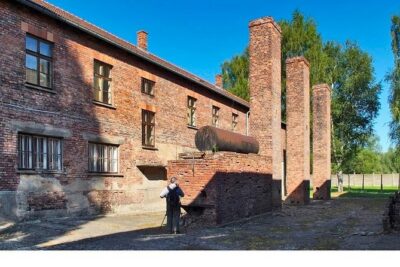
Auschwitz-Birkenau Museum and Memorial Guided Tour from Krakow
Read our review →

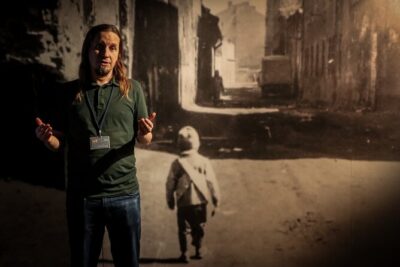
Krakow Schindler’s Factory Museum Guided Tour in English
Read our review →
Browse the lists this tour appears in