
Reviewed · SCHINDLER'S FACTORY TOURS
Schindler’s Factory Museum Guided Tour – Krakow
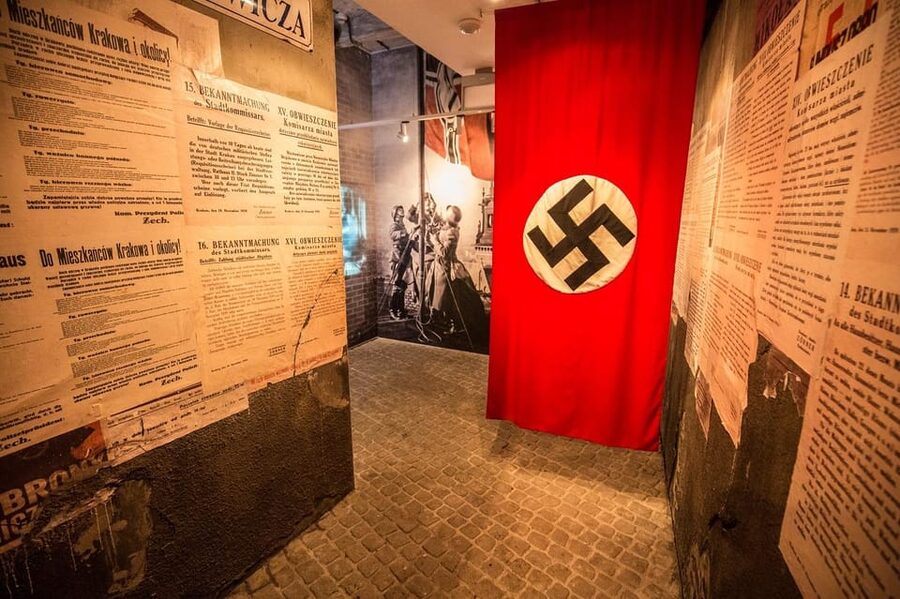
Schindler’s Factory Museum is interesting because it makes World War II feel close up, not distant. You do not just read facts, you move through a preserved wartime setting where ordinary objects, photos, and paperwork tell the story of occupied Krakow.
I especially like the professional live commentary that helps you connect the scenes into one clear timeline. And I like how the museum uses everyday items and multimedia to show what life was like for real people, not just big historical themes.
One possible drawback is the group pace. At 90 minutes, you will see the highlights and the strongest moments, but it can feel fast if you want to linger on every corner of the museum.
Key highlights at a glance
- Live guide narration that ties together 1939 to 1945 in plain language
- Ordinary objects that explain how occupation shaped day to day life
- Mini scenes including a photographer, a tailor, and a photo-artist space
- A tram sequence where film shows the city’s wartime rhythm through the windows
- The ghetto labyrinth leading to a Jewish apartment in period context
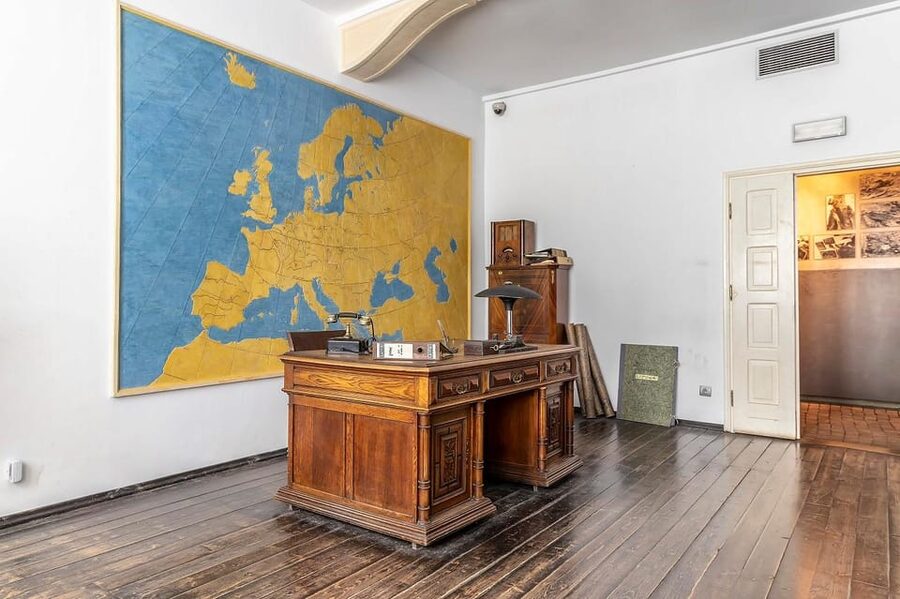
- Schindler’s office and the ark of survivors made from thousands of pots
Entering Schindler’s Factory: What You’re Really Walking Into
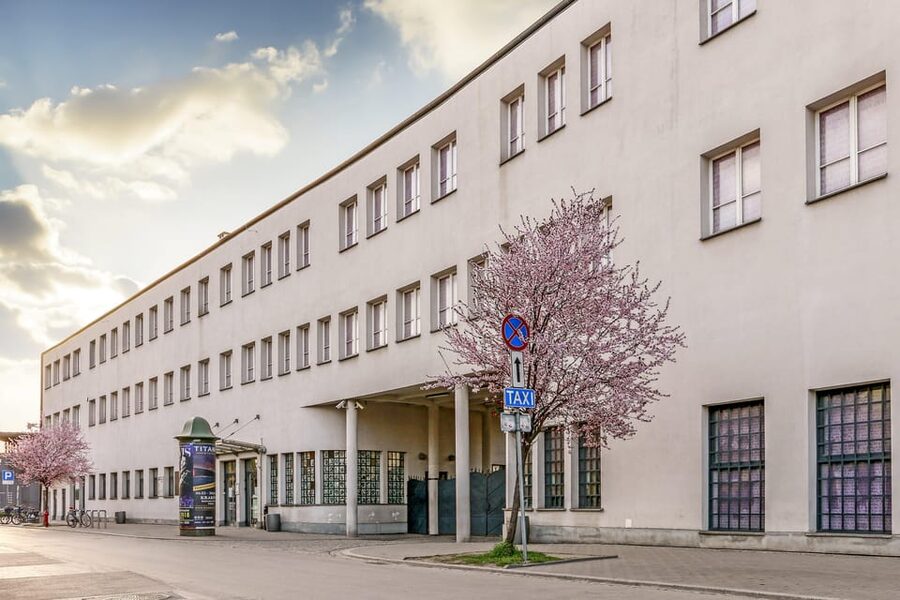
Your tour starts at Oskar Schindler’s Enamel Factory, at the museum entrance. Look for the guide holding a sign that says excursions.city. From the start, you’re in a place that feels industrial and real, which matters because this museum is not about tidy hero moments. It’s about a city under pressure, and what people carried in their daily lives while the war raged around them.
There’s a reason this site is famous. Even if you know the broad Schindler story from the film people associate with Krakow, you’ll quickly notice that the museum spends more time on Krakow itself, its inhabitants, and the machinery of occupation. The Schindler connection is there, but the point is larger than one man.
I like that the tour does not act like history is a lecture. With a guide speaking in real time, you get context quickly, so the museum’s many rooms feel connected instead of scattered.
More Museums in Krakow
- Auschwitz-Birkenau Museum and Memorial Guided Tour from Krakow
★ 4.5 · 1,510 reviews - Krakow: Rynek Underground Museum Guided Tour
★ 4.6 · 1,122 reviews - Krakow: City Card with Public Transport and Museums
★ 3.9 · 675 reviews
The Exhibition’s Big Message: War Told Through Daily Life
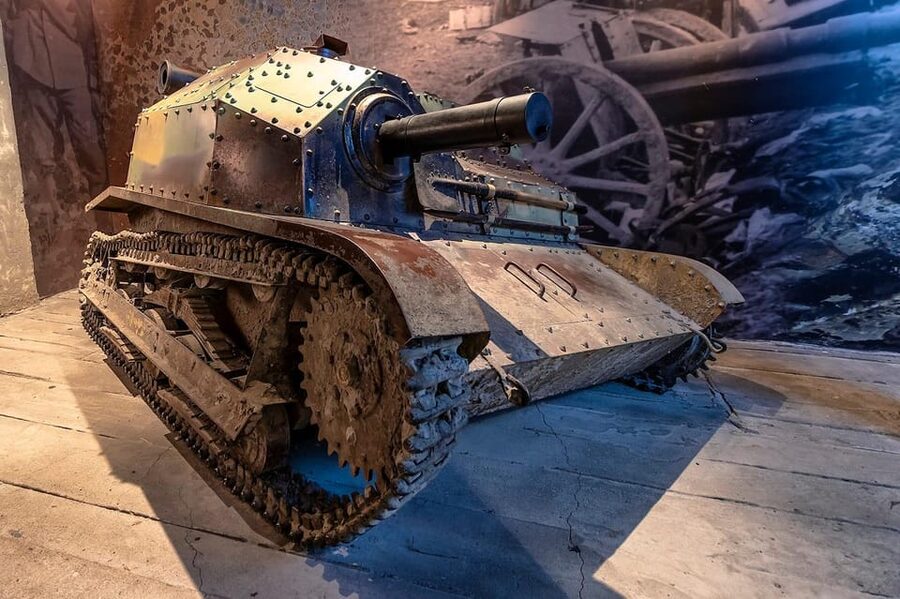
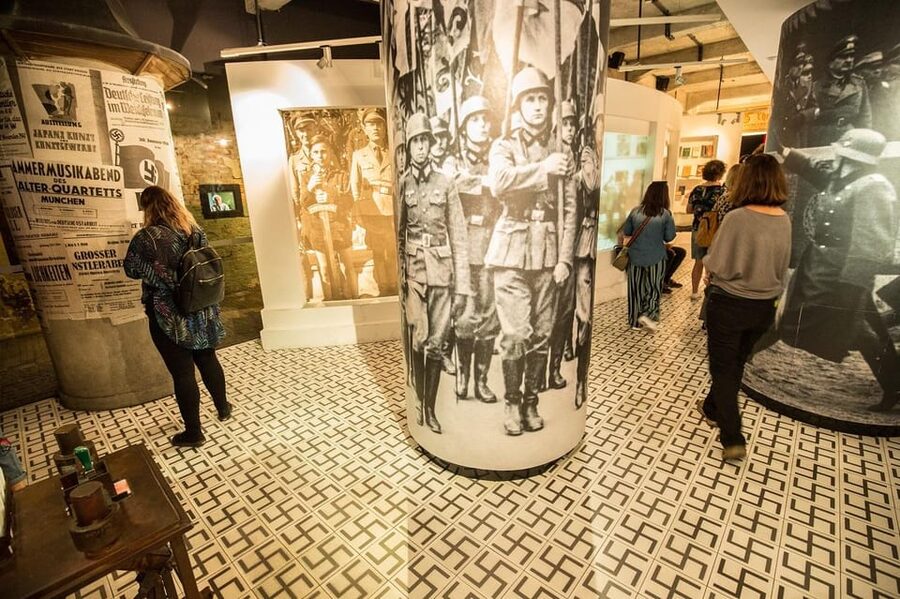
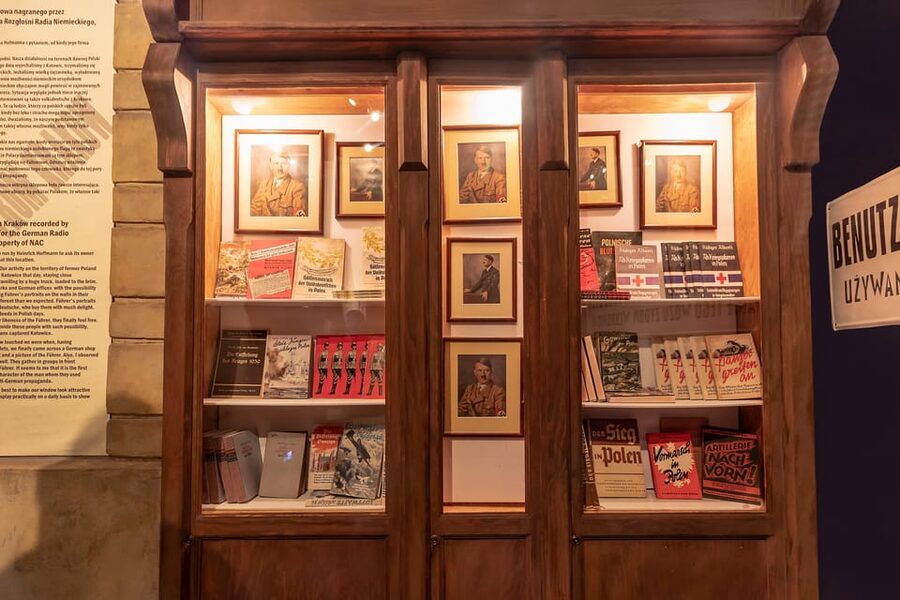
The permanent exhibition sits in the former Enamel Museum building, and it focuses on the tragedy of World War II through personal and collective experience. What makes it hit is the way the museum builds stories out of things that look harmless at first glance: everyday objects, photographs, newspapers, and personal plus official documents.
This is where a guided tour pays off. Without someone to frame what you’re seeing, it can be easy to treat each room like a separate display. With live commentary, the guide helps you read the details as evidence. You start noticing patterns, like how the same kind of object can feel normal in one context and unbearable in another.
A good way to think about it: the museum is not just showing you what happened. It’s showing you how people understood what was happening, day by day. That makes the history more usable and more emotional, because it’s grounded in the texture of life.
90 Minutes Through Wartime Krakow: How the Route Moves
This is a group tour lasting about 90 minutes. You’ll be guided through several key parts of the exhibition, but the idea is still one continuous walk, not a set of disconnected stops. That structure is important because this museum covers a wide emotional range, from ordinary routines to extreme violence.
Because the schedule can shift based on museum operations, you’ll want to plan a little breathing room around your start time. The tour offers starting times, but the exact timing can be approximate. In practice, that means you should avoid tight connections right after your tour.
Also, keep in mind this museum is presented through rooms and scenes. Your guide will help you follow the logic while you physically move through the space. That matters more than people expect because the museum uses preserved settings, filmed elements, and small-scale recreations that reward attention.
Photographer, Tailor, and the City in Mini Scenes
One of the most striking elements you’ll meet early is the idea of Krakow as a lived-in place. You’ll move through spaces featuring a photographer and a tailor, and you’ll also see an authentic photo-artist setting. These parts of the museum are powerful because they show how people earned a living, created memories, and went about their routines.
They also teach you to slow down just enough. A photo studio and a tailoring counter are not just props. They’re reminders that identity and livelihood existed before occupation hardened daily life. When the museum later turns toward confinement and persecution, it’s not an abstract shift. It feels like a door closing.
A practical note: if you like museums that explain how regular work becomes impossible under oppression, you will enjoy these scenes. If you prefer purely historical documents with no recreated spaces, you might find some of the staging emotional rather than academic. The guide usually helps balance that for you.
More of Schindler's Factory and wartime Krakow:
- Krakow: Schindler’s Factory Ticket and Guided Tour Option
★ 4.3 · 4,306 reviews - Krakow: Schindler’s Factory Tour with Entrance Ticket
★ 4.5 · 3,182 reviews - Krakow: Schindler’s Factory Skip-the-Line Ticket
★ 4.4 · 3,105 reviews - Krakow: Schindler’s Factory Tour with Entrance Ticket
★ 4.6 · 1,737 reviews
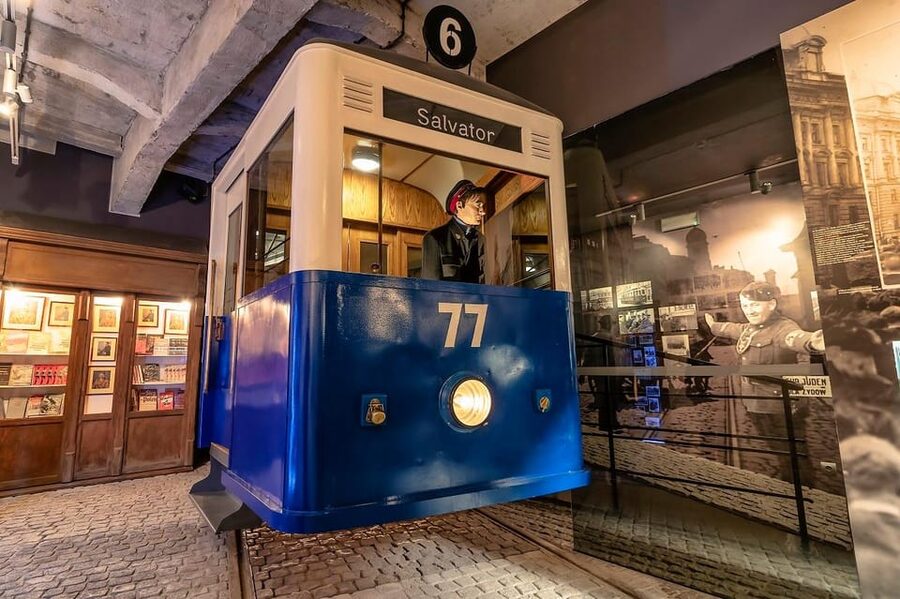
The Tram Through the Windows: Film of Occupied Life
Next comes one of those “only in a museum like this” moments. You’ll get on a tram and look through windows where a film plays, showing the city’s life. It’s a simple setup, but it changes how you experience time in the exhibition.
Instead of reading about movement, restrictions, and atmosphere, you watch it. That makes the museum’s argument easier to grasp: even under occupation, life continued in altered form. People still moved, still worked, still saw and heard things, even when the structures around them were crushing.
I like this part because it gives you a break from dense reading and small text. You still learn, but your brain can process it visually. It also helps you understand the social atmosphere the guide talks about, from 1939 onward.
The Ghetto Labyrinth and a Jewish Apartment
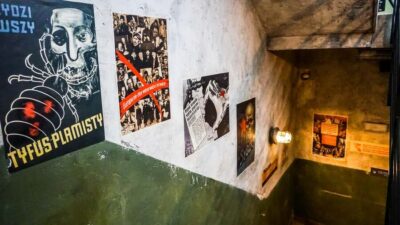
Then the tour takes a harder turn, into the tight labyrinth associated with the ghetto. You’ll encounter a Jewish apartment located within that recreated space, where the setting helps you picture how confinement changed what home meant.
This section is emotionally heavy. The museum uses the physical narrowness of the labyrinth and the intimacy of the apartment to communicate scale and control. You are not just hearing about persecution. You’re in a space designed to convey restriction.
A guided tour here is especially valuable. The guide can explain what you’re seeing without leaving you to guess. And they can connect the recreated apartment to the larger historical story so you do not get lost in one room.
If you’re sensitive to intense topics, go in knowing you will meet difficult scenes. This isn’t a light stop on a Krakow itinerary. But if you want a careful, structured way to understand what occupation did to homes and families, this is one of the most important parts of the tour.
Płaszów Camp Scenes: When the Story Becomes Brutal
After the ghetto section, you’ll find yourself in the camp context in Płaszów. The museum’s approach here focuses on the human cost, and it continues the pattern of using preserved artifacts and scene-like presentations to make the history tangible.
I recommend preparing yourself mentally for this part. The museum does not treat it like a background chapter. It’s presented as central to the tragedy of World War II in Krakow.
What makes the guided approach work is that you get context for why these sections matter, not just what they depict. Without commentary, some visitors can rush or disconnect because the content is overwhelming. With live narration, you’re more likely to understand the meaning behind the visuals and objects.
Oskar Schindler’s Place in the Story: Office and Ark of Survivors
Schindler is part of the exhibition, but he’s framed as part of Krakow’s complicated wartime history. You’ll see his figure presented through an office area preserved in the factory’s administrative building.
This is where many people expect a straightforward hero tale, and the museum manages to be more nuanced. The office setting helps you understand that Schindler’s actions happened in a real industrial environment, inside a real wartime city, not in a fantasy of pure good versus pure evil.
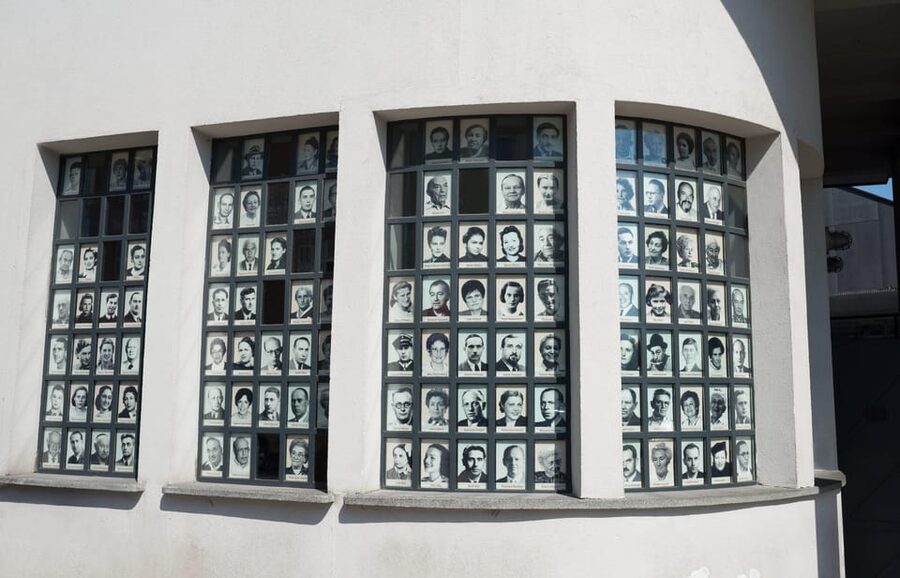
A memorable detail here is the ark of survivors. It is made of thousands of pots resembling those produced by his employees during the war. The symbolism lands because it ties survival to everyday labor and to the factory’s physical output. It’s not just a name on a wall.
Also, if you have seen the famous film version of the story, this part can work like a reality check. You might still recognize the emotional shape, but you’ll get grounded explanations about Krakow’s inhabitants and the wider wartime machinery.
Skip the Ticket Line and the Value of a Guided Visit
The tour includes an entrance ticket and skips the ticket line, which is practical in a museum that draws attention worldwide. A 90 minute visit can feel like a sprint if you go in on your own, because you have to decide what matters and where to focus. A guide does that work for you.
About price: at around $50 per person, you’re paying for two things. First, you’re paying for the guide’s live commentary, which turns rooms into a connected story. Second, you’re paying for time efficiency, since the tour hits major parts of the exhibition without you needing to figure out the best sequence.
Is it worth it? If you care about understanding the context behind what you see, yes. The museum is not just visually intense, it’s informational. A guide helps you get more meaning per minute.
If you already know the history well and you prefer to wander at your own pace, you might still enjoy it, but you could choose to visit unguided. For many people, though, a guide is what makes the experience feel coherent.
Languages, Group Tour Reality, and What That Means for Your Day
The tour offers live guide narration in English, French, German, Italian, and Spanish. So you should be able to find a language that keeps you fully oriented.
Because it’s a group tour, the pace is set for everyone. That’s the tradeoff. You get expert framing, but you might not have the time to stop at every display for long reading. If you like to linger, plan to spend extra time on your own after the tour, or accept that this one is designed for breadth rather than slow study.
One more practical point: you will need to provide full names for all participants when reserving, and you must bring a passport or ID for entry. The museum uses personalized tickets, so do not assume you can show a screenshot or rely on a mismatch of names.
Practical Tips So You Get More Out of Every Room
Here are the small decisions that make the tour smoother.
First, wear comfortable shoes. The route moves you through multiple spaces, including tighter areas. Even if you are not walking long distances, museum movement adds up.
Second, bring your ID. It’s tied to entry, and missing it can create a problem you could have avoided.
Third, bring a respectful mindset. This museum deals with war, occupation, and persecution. It’s not the kind of site where you want to multitask.
Finally, if you can, treat this as your main history anchor for Krakow. You’ll get more from it if you plan your other activities around it, rather than stacking too many different things on the same day.
Who This Tour Suits Best
This guided tour is a great fit if you want to understand occupied Krakow in a structured way and you like museums that use real artifacts and period materials. It also suits you if you care about the Schindler story but prefer not to center everything on one figure. The exhibition includes Schindler, yet it continuously circles back to the people and the city around him.
You might be less satisfied if you want total freedom to wander and read every label slowly. The 90 minute format is designed for guided highlights, not deep independent study.
It also works well for couples, solo visitors, and anyone who wants an adult, serious cultural experience without needing to plan the details of what to see.
Should You Book This Schindler’s Factory Museum Guided Tour?
Book it if you want more meaning per minute. The live commentary, the guided flow through major scenes, and the way the museum turns everyday objects into evidence make this far more powerful than a quick self-guided walkthrough.
Pass on it only if you already know the story extremely well and you prefer a slow, silent, do-it-yourself pace, or if you strongly dislike group logistics. Otherwise, this is one of the most efficient ways to experience Schindler’s Factory with context, respect, and real emotional clarity.
If you’re in Krakow, give this tour priority. It’s hard, it’s important, and it stays with you long after you step back out into the city.
FAQ
How long is the Schindler’s Factory Museum guided tour in Krakow?
It lasts about 90 minutes.
Where do we meet for the tour?
Meet in front of the entrance to Oskar Schindler’s Enamel Factory, and look for the person holding a sign with excursions.city.
Is the tour available in English and other languages?
Yes. Live guide narration is offered in English, French, German, Italian, and Spanish.
Do I need to bring identification for entry?
Yes. You must provide full names when reserving and bring a passport or ID for entry to Schindler’s Factory Museum, or entry may be denied.
Is this a group tour?
Yes, it is a group tour.
Can I skip the ticket line?
Yes. The tour includes entrance ticket and skips the ticket line.
Is the museum tour wheelchair accessible?
Yes, the tour is wheelchair accessible.
Fresh Krakow reviews
- Krakow Zakopane Cable Car Vodka Cheese and Hot Springs Tour★ 3.5 · 3 reviews
- Krakow Skip The Line Wawel Castle & Old Town Guided Tour★ 5.0 · 3 reviews
- Krakow: Zakopane and Thermal Pools Tour with Hotel Pickup★ 5.0 · 3 reviews
- Museo Czartorisky : Visita in Lingua Italiana salta fila…★ 3.5 · 3 reviews
- Half-Day John Paul II Route Tour from Krakow★ 5.0 · 3 reviews
- Krakow: John Paul II Home & Black Madonna Sanctuary – Guided Tour★ 5.0 · 3 reviews
- 1-Hour Tour to Krakow’s Old Town by Electric Golf Cart★ 5.0 · 3 reviews
- Auschwitz and Birkenau WITHOUT GUIDE private transport from Kraków★ 5.0 · 3 reviews
Schindler's Factory Tours, compared.
Schindler’s Factory Ticket and Guided Tour Option
Read our review →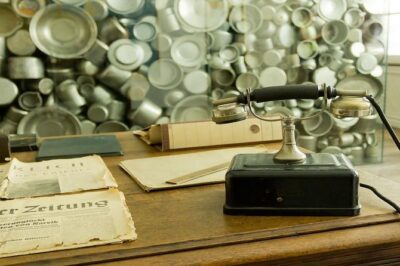
Krakow Schindler’s Factory Guided Tour with Admission Ticket
Read our review →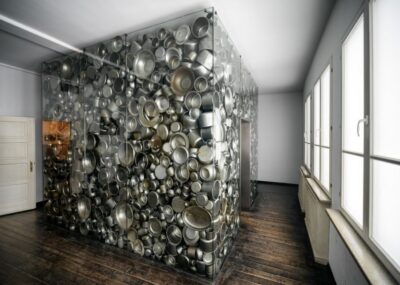
Kazimierz, Schindler’s Factory & Ghetto Guided Tour
Read our review →Browse the lists this tour appears in