
Reviewed · SCHINDLER'S FACTORY TOURS
Schindler’s Factory Guided Tour
Schindler’s Factory is interesting because it turns a famous rescue story into something bigger, the day-to-day reality of Krakow under Nazi occupation. I like that the tour frames Oskar Schindler’s choices inside what Jewish and non-Jewish residents faced every day, and I also like how the museum experience uses period items and rebuilt scenes to keep history grounded.
The only real drawback is time. You have about 90 minutes, the passageways are narrow, and the tour can feel a bit brisk if you want to stop for long reads and close looking in every room.
Key things I’d mark on your mental map
- Krakow under Nazi occupation, not just one man: the exhibition covers 1939 to 1945 through daily survival and oppression
- Artifacts plus reconstructions: photographs, personal objects, and recreated street-like moments help you picture the fear
- Your guide does the connecting: a licensed, language-specific expert ties objects to real human stories
- Schindler’s rescue is kept in context: you learn how Jewish workers survived and how Krakow residents endured
- Narrow layout means quicker movement: plan for a guided pace, not a slow museum wander
Schindler’s Enamel Factory Today, and Why the Building Still Hits
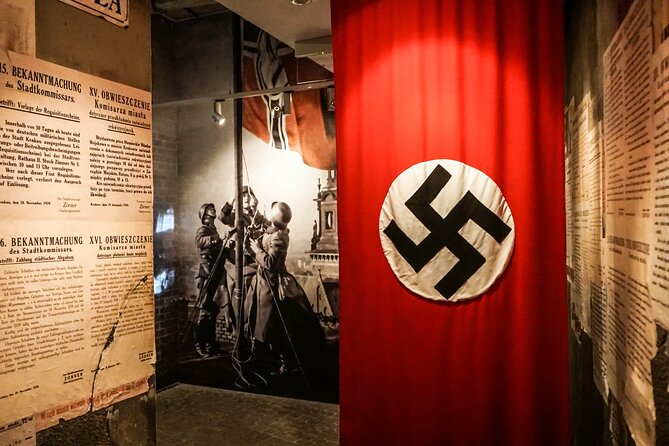
Schindler’s Factory is now a museum in Krakow’s Lesser Poland region, but it still feels like a workplace and a bottleneck at the same time. The setting matters here. You are walking through a real factory building that was later transformed into an exhibition space, so the story does not float off on its own.
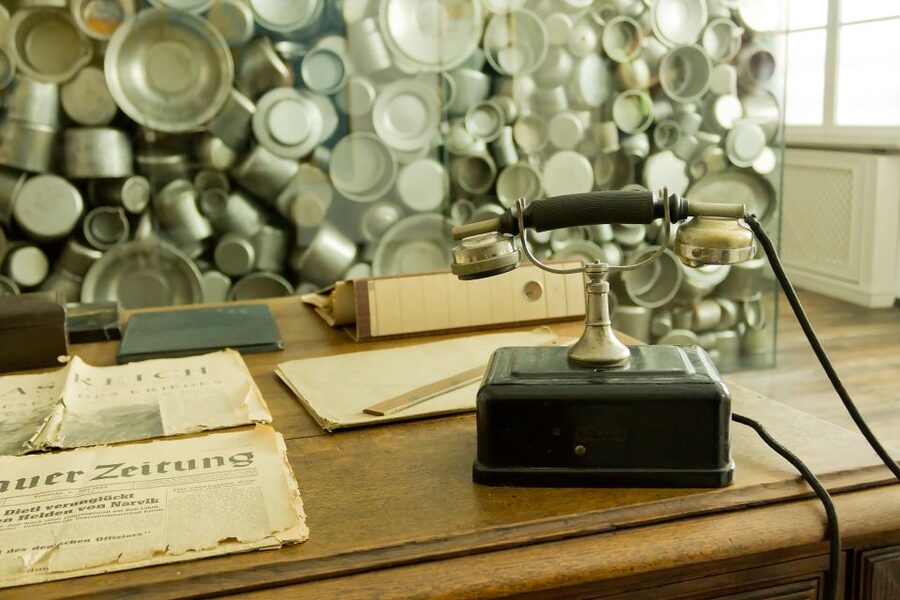
One practical note that helps you set expectations: the museum runs without original production equipment inside. So you are not doing a “see the old machines” tour. Instead, you are seeing a staged, historically designed presentation housed in the factory structure. That difference matters if you’re hoping for industrial artifacts. It’s more about how the place helps you understand the atmosphere and the human impact.
I also appreciate that this museum does not treat Schindler as a detached hero in a vacuum. The experience is built to show you the pressure around him, the way danger seeped into daily life, and how survival depended on more than one action. That approach is why people leave feeling like they understand Krakow, not just the Schindler spotlight.
Getting Started: Meeting Point, Fast-Track Entry, and the 10-Minute Rule
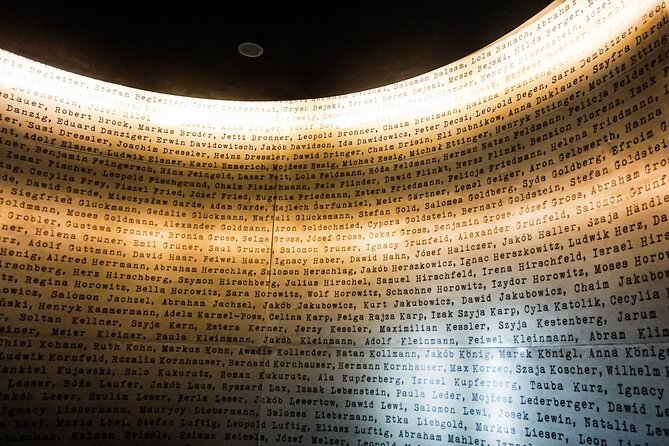
This guided tour is built for efficiency, and that’s a good thing, because museum time in Krakow can add up fast. You get fast-track admission, which means you skip the usual ticket line and spend your energy inside the exhibition.
You meet your guide in front of the main entrance to Schindler’s Factory Museum, on the right-hand side. The guide will hold a sign that reads Schindlers Factory Guided Tour. Arrive at least 10 minutes early. Once the group has entered, late arrivals cannot be accommodated, and tickets are non-refundable.
Group size is capped at 25 participants. That helps keep the tour from turning into a slow shuffle of bodies. It also affects your experience in a subtle way: small groups usually mean fewer bottlenecks, but the museum layout is still narrow, so you may still feel guided movement rather than free roaming.
Language is another early decision. Tours operate in one group language, and your booking needs the full names of all participants for personalized tickets. If you travel with more than one person, I strongly suggest you double-check spellings before you show up. That one step can save real stress when staff are matching names at entry.
More of Schindler's Factory and wartime Krakow:
- Krakow: Schindler’s Factory Ticket and Guided Tour Option
★ 4.3 · 4,306 reviews - Krakow: Schindler’s Factory Tour with Entrance Ticket
★ 4.5 · 3,182 reviews - Krakow: Schindler’s Factory Skip-the-Line Ticket
★ 4.4 · 3,105 reviews
Inside the Exhibition: What You’ll See in Krakow Under Nazi Occupation
The heart of the tour is the exhibition called Kraków under Nazi Occupation 1939-1945. Your licensed guide walks you through it and keeps the story focused through the lens of Oskar Schindler’s extraordinary life, without ignoring the wider context.
Expect the exhibition to use a mix of formats:
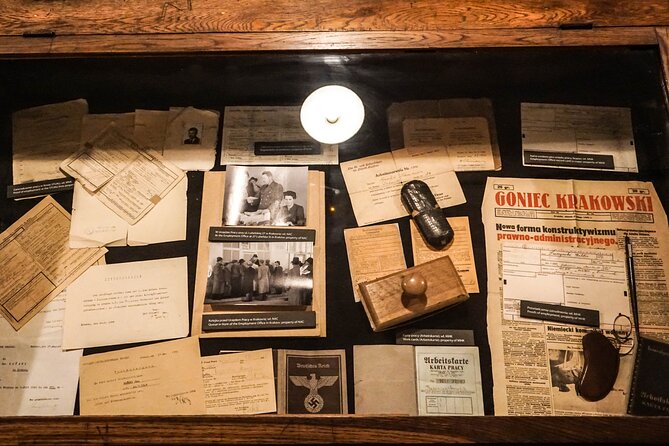
- Photographs that put faces and places to events
- Personal objects that carry weight because they come from real lives
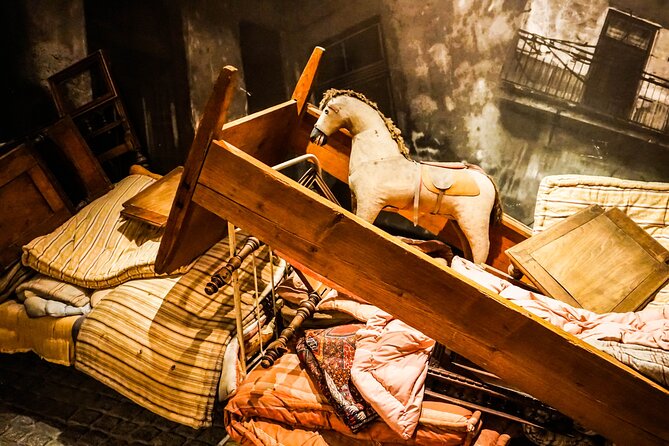
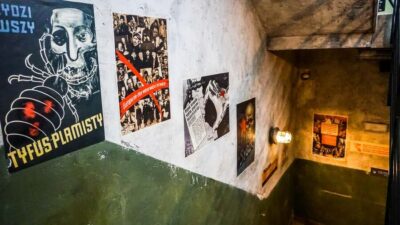
- Reconstructed streets and scenes that help you grasp how people moved, worried, and survived
The tour is designed so you feel the atmosphere of the city during World War II. Passageways are narrow, and the layout is immersive in the sense that you are not just reading wall text from a distance. You’re walking through rooms that keep you close to the material and close to other group members.
This is also where the guided approach earns its cost. A museum alone can be powerful, but a skilled guide helps you connect what you see to how people experienced it. The guide’s job here is to translate fear, uncertainty, and daily struggle into an understandable chain of events.
I also like that the tour doesn’t stop at the Schindler narrative. You learn how Kraków’s Jewish and non-Jewish residents endured the war, which gives you a fuller sense of what survival looked like beyond one name.
How the Guide Balances Schindler’s Story with Wider Survival
Here’s the key idea behind this tour: Schindler’s actions matter, but they matter most when you understand the system he was trying to survive inside. The story explains that Schindler employed Jewish workers and used his position, influence, and resources to protect them from deportation. More than a thousand men and women survived because of his courage and determination.
That’s the part everyone recognizes, but the strongest versions of this tour do something more. They treat Schindler’s work as part of Krakow’s wider story under occupation, where residents faced persecution and impossible choices.
In practice, your guide is bringing to life the people behind the term Schindlerjuden, including testimony that continues to resonate across generations. The effect is emotional, but it is also educational. You’re not just hearing a heroic tale. You’re learning how small decisions, backed by real risk, could turn into life-or-death outcomes.
About guides: you might notice different styles depending on who you get. Some past tours have highlighted guides such as Eva and Ewa for clear historical explanation and a friendly, social delivery. Others have mentioned Phil for being knowledgeable and approachable. Whichever language you choose, the best guides tend to do the same thing well: they slow down the story when it matters, then speed up the setup so you don’t get lost.
Artifacts and Reconstructions, and How to Look Without Missing Everything
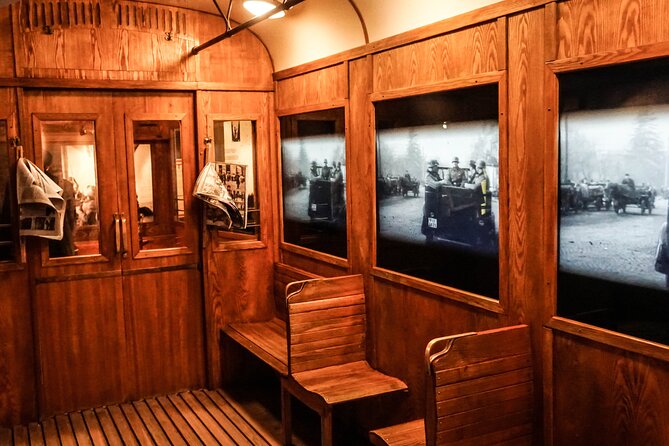
Because the tour is 90 minutes, you need a smarter way to look. I suggest you pick two or three objects or display areas that grab you and stay with them as long as you can. Then you can still benefit from the guide’s explanations without trying to read every single placard like it’s a textbook.
Here’s what tends to land best:
- The personal objects, because they make the story feel specific instead of general
- The reconstructed streets, because they help you picture how ordinary movement and routine became dangerous
- The photographs, especially when your guide ties them to a sequence of events rather than treating them like isolated images
One caution based on real experience patterns: some people feel the tour can be rushed inside the rooms. If you love to stop and read, you may not get as much quiet time as you’d like. The museum design supports walking and viewing, but it does not create lots of slack for slow studying in every corner.
If that’s your style, you can still make it work. When a room has multiple display items, do not try to take everything in at full depth during the guided portion. Instead, let the guide point you to what’s important, and plan to circle back with extra time later if you want.
More to book in Krakow:
- From Krakow: Auschwitz-Birkenau Guided Tour & Hotel Pickup
★ 4.5 · 33,358 reviews - From Krakow: Auschwitz-Birkenau Guided Tour & Hotel Pickup
★ 4.5 · 29,340 reviews - Krakow: Auschwitz Guided Tour with Optional Hotel Pickup
★ 4.5 · 15,280 reviews - Krakow: Wieliczka Salt Mine Tour with Entry Ticket
★ 4.6 · 10,927 reviews
Timing It With Auschwitz: Why This Tour Works as a First Step
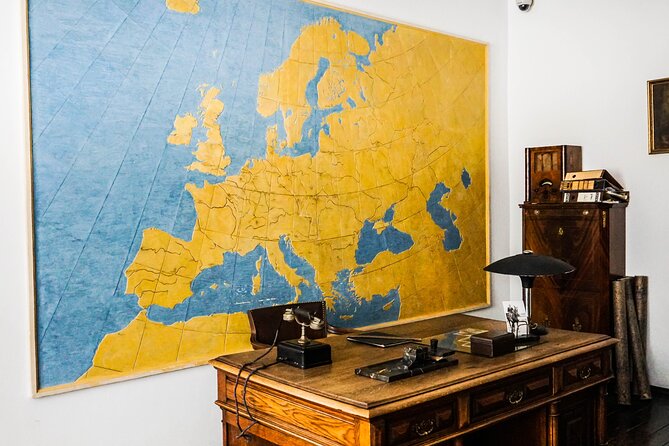
This is one of those places that can change how you understand the rest of your Krakow and Poland trip. A common approach is to visit Schindler’s Factory early, then use it as background before you go on to heavier sites like Auschwitz.
The reason is simple: this museum explains the mechanics and atmosphere of occupation in Krakow, including how everyday life warped under Nazi control. It’s not only about the Schindler story. It’s about what life became, and how Jewish and non-Jewish residents endured that reality.
So if you’re heading to Auschwitz next, this tour can help you recognize the sequence of events and the human decisions around survival. It gives you context that makes later visits more meaningful and less confusing.
Just keep your expectations honest. Schindler’s story is central, but the broader exhibition themes carry a lot of weight. If you come only for Schindler facts, you might feel the balance is more city-wide than person-wide. If you come for Krakow under occupation with Schindler as the lens, you’re in the right place.
Who Should Book This, and Who Might Prefer a Slower Museum Day
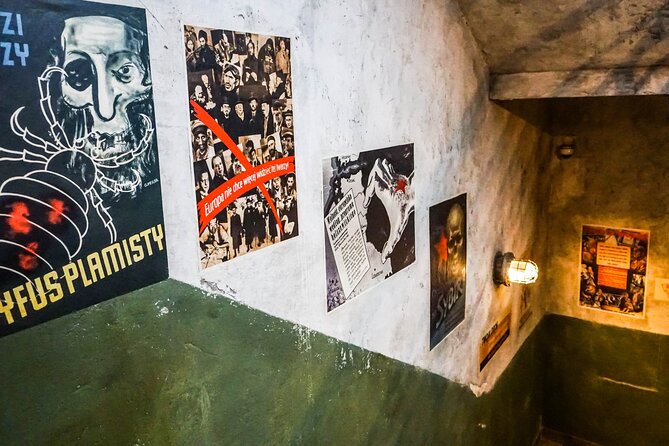
I’d recommend this guided tour if you want:
- a licensed guide to connect objects and scenes to a clear story
- strong context about Jewish life and wider Krakow survival under Nazi occupation
- a visit that goes beyond a standard exhibition by tying the museum sections together into one narrative
It’s also a good fit for first-time Krakow visitors who want a serious, grounded history stop without spending the entire day decoding everything alone.
On the flip side, you might prefer a self-guided museum visit if:
- you know you read slowly and want long time in each room
- you hate a guided pace in narrow spaces
- you want to linger on photos and documents without feeling pushed along by the group schedule
The tour can feel fast because it must cover a lot in a short window. That doesn’t mean it’s weak. It means you should match your learning style to the format.
Practical Value: Price for 90 Minutes, and What You Get for $49
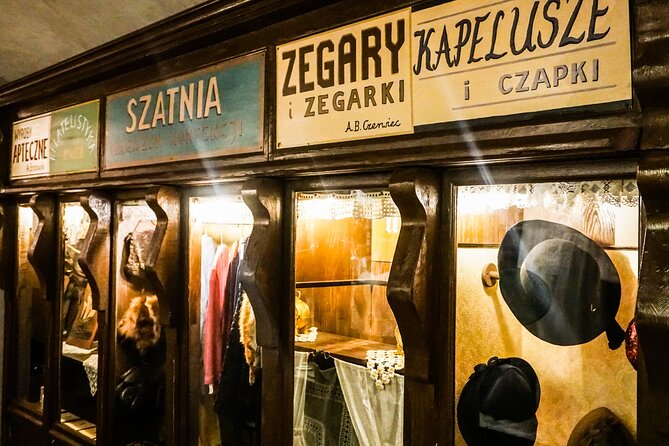
At about $49 per person for a 90-minute guided experience, the value comes from three things you don’t always get at museums:
- Fast-track admission so you can start quickly
- a professional licensed guide who explains what you’re seeing and why it matters
- a tightly structured route through a large, detailed exhibition
If you’re the kind of traveler who benefits from narration and context, the price is easier to justify. If you’re the kind of traveler who wants maximum quiet time and you’re comfortable reading and researching on your own, you may decide to spend less and slow down.
For me, the sweet spot is clear. Use this tour to get oriented and to understand the city-level story, then decide how much additional time you want afterward to revisit what moved you most.
Should You Book This Schindler’s Factory Guided Tour?
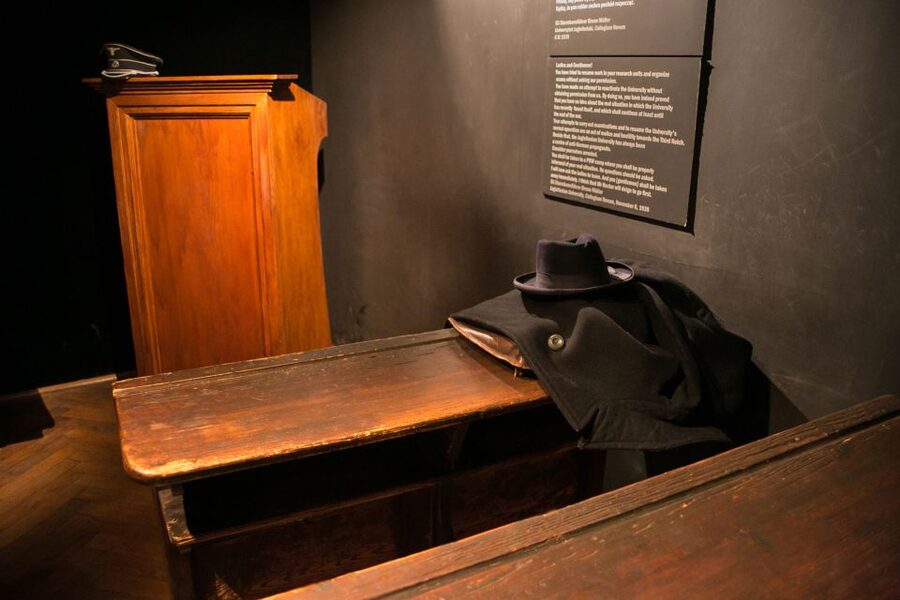
Book it if you want a guided, context-heavy visit that explains Krakow under Nazi occupation through the Schindler lens. The licensed guide, the fast-track entry, and the mix of photos, personal items, and reconstructed scenes make it a strong use of 90 minutes.
Skip or supplement it if you need long reading time. The museum layout is narrow, and the guided schedule can feel rushed if you’re a slow, close observer.
If you’re unsure, here’s my practical rule: if you’re going to Auschwitz or other major sites later, this tour is a smart first history step. If you only want a quick overview, consider saving your time for a slower self-guided visit.
FAQ
How long is Schindler’s Factory Guided Tour?
The tour lasts 90 minutes.
Where do I meet the guide?
Meet your guide in front of the main entrance to the Schindler’s Factory Museum, on the right-hand side. The guide will hold a Schindlers Factory Guided Tour sign.
Is fast-track admission included?
Yes, fast-track admission is included so you can skip the ticket line.
What languages are available?
The tour is offered in German, French, Spanish, Italian, and English.
Is the tour offered in multiple languages at the same time?
Group tours are conducted in a single language, so you select your preferred option when booking.
How big are the groups?
Group size is limited to 25 participants.
Are there any rules about arriving late?
Yes. Arrive at least 10 minutes early. Late arrivals cannot be accommodated once the group has entered, and tickets are non-refundable.
Do I need to provide full names for tickets?
Yes. Personalized tickets are issued, and you must provide the full names of all participants at the time of booking.
Does the museum still have the original production equipment?
No. Although the building originally functioned as Schindler’s factory, it now operates as a museum and no longer contains original production equipment.
Is free cancellation available?
Yes. You can cancel up to 24 hours in advance for a full refund.
Fresh Krakow reviews
- Czestochowa Black Madonna Private Day Tour from Krakow★ 5.0 · 18 reviews
- Zakopane PRIVATE TOUR from Krakow★ 5.0 · 18 reviews
- Krakow City Pass – Museums, Atractions & City Transport★ 4.0 · 18 reviews
- Chopin Candlelight Concert with Wine in Krakow★ 5.0 · 18 reviews
- Krakow: Garden of Lights Pinocchio Entry Ticket★ 4.7 · 18 reviews
- Auschwitz Birkenau Memorial and Museum group tour from Krakow★ 5.0 · 18 reviews
- Krakow: Schindler’s Factory & Ghetto Guided Tour★ 5.0 · 18 reviews
- Half-Day Wieliczka Salt Mine Tour from Krakow★ 5.0 · 18 reviews
Schindler's Factory Tours, compared.
Schindler’s Factory Ticket and Guided Tour Option
Read our review →
Krakow Schindler’s Factory Guided Tour with Admission Ticket
Read our review →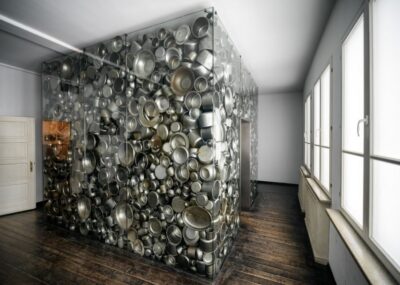
Kazimierz, Schindler’s Factory & Ghetto Guided Tour
Read our review →Browse the lists this tour appears in