
Reviewed · WALKING TOURS
Lublin Old Town Highlights Private Walking Tour
Lublin’s Old Town is interesting because it still feels like a living borderland between old power and everyday life. You’ll walk right past the defensive gates and through the core of the city, then step into major sacred buildings where music, art, and Catholic tradition all meet.
I especially love how this tour mixes big landmarks with the small, human details, like Polish customs and the stories tied to the city’s former kings and power centers. I also like that you’re not shuffled into a crowd, it’s just your group with a licensed guide, so questions come at the moments you actually care about.
One consideration: on Sunday mornings, churches are holding Mass, so sightseeing may be limited or only possible from outside to respect prayer time.
Key highlights at a glance
- Krakowska Gate meeting point, right where the Old Town stories start
- Market Square to former Town Hall, with renaissance-era sights and street-level context
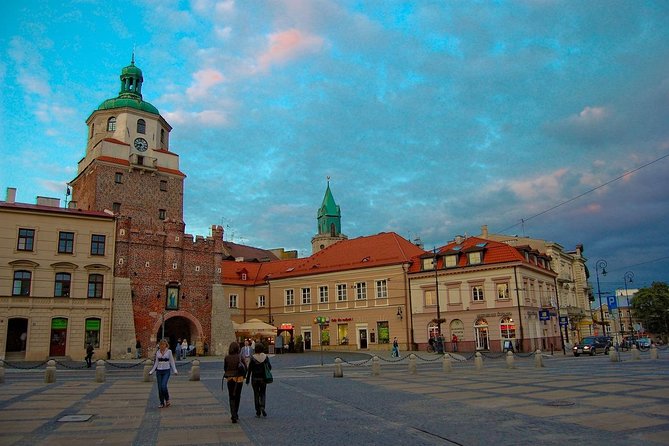
- Krakowska Gate and Grodzka Gate, remnants tied to 14th-century defensive walls
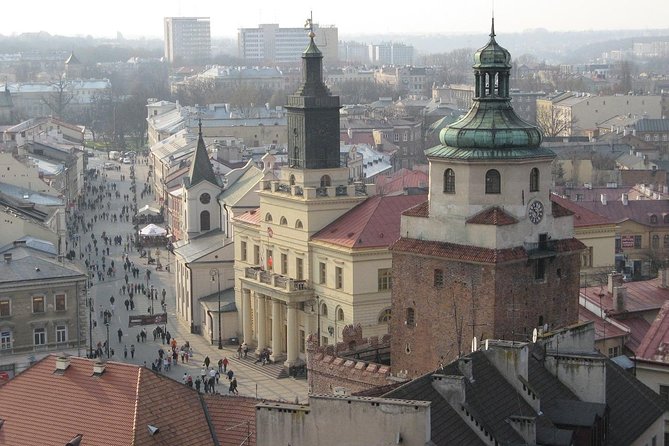
- Lublin Castle and Trinity Tower area, including neo-Gothic views and very old remains
- St. John the Baptist Cathedral, with a focus on interior details and the organs
- Church of the Holy Spirit altar, plus optional extra sacral stops if you extend to 3 hours
Lublin Old Town feels like a guided walk through power, faith, and street life
This is the kind of city walk that helps you see patterns. Lublin wasn’t only pretty, it was an administrative, trade, and military center in the Polish kingdom, and your route follows that logic in a very walkable way. You start near Krakowska Gate, then thread through squares and gates that once mattered for protection and control.
What makes this tour especially practical is that the guide connects the buildings to how the city worked. You’re not just looking at stone, you’re learning why those walls existed, why those churches mattered, and why rulers and institutions kept showing up here.
Because it’s private, you can pace it to your group. Want more time in front of the castle, or less time at a viewpoint? You can ask. That flexibility is one of the real value plays of booking a private walking tour like this.
More Walking Tours in Lublin:
- Lublin: Old Town Highlights Private Walking Tour
★ 5.0 · 6 reviews - Fascinating Highlights of Lublin – Private Walking Tour
★ 5.0 · 4 reviews
Meeting under Krakowska Gate and setting expectations for a smooth 2 to 3 hours
You’ll meet your guide under Krakowska Gate, which is a smart starting point because it immediately puts you on the historic defensive spine of the city. From there, the walk is designed to keep you close to the main Old Town highlights without needless zig-zagging.
The total time is 2 to 3 hours. Most groups see the core Old Town and key churches in two hours, then add extra sacral stops if you choose the longer option, so you can match the tour to your day.
Also, keep your schedule flexible. The tour is offered in English, German, and Polish, and it’s wheelchair accessible, which matters if mobility is a concern for any member of your group.
Market Square and the former Town Hall, where Lublin’s daily life met government
The heart of the walk is the Market Square area, where the city’s public life would have unfolded for centuries. You’ll get a sense of what people did here, not just what buildings look like now.
From the Market Square, your guide leads you to renaissance buildings and the former Town Hall. This is one of those stops where context changes everything. A Town Hall is not just an old facade, it’s where rules, taxes, announcements, and city decisions would have landed in real life.
The streets around the square are narrow and close, which makes the walk feel intimate. That’s good for photos and also good for listening, since the guide can keep the stories flowing without the group drifting apart.
One small practical note: if you plan to add the optional Trinity Tower visit, you may want a bit of extra time in your head for ticketing and waiting, since it’s not included.
Strolling the Old Town alleys, spotting renaissance details, and learning the city’s rhythm
After the Market Square, you’ll move through streets where the city’s layers show up in the architecture. This is where you start noticing style differences, and your guide helps you read what you’re seeing.
You’ll hear about the city’s role in the Polish kingdom and why Lublin mattered to administrators and traders. That explanation turns the walk into something like a story, not a checklist.
If you like walking tours that feel like a guided “how did this place function?” lesson, this part is for you. If you want only the most famous photo spots, you can still get there, but the Old Town lanes make the experience better.
Krakowska Gate and Grodzka Gate, the 14th-century walls that shaped the route
Two major remnants of the defensive walls are built into the tour: Krakowska Gate and Grodzka Gate. Even if you only pause for a minute at each, you’ll start to understand how a city protects itself and how gates funnel movement.
The guide’s stories help you see them as more than monuments. They’re part of a bigger system that influenced who entered the city, where commerce could happen, and how authorities monitored movement.
This stop also gives you a break from the “interior” focus. Gates and walls are a chance to reset your ears and eyes, and to look at the scale of what used to be a serious barrier.
If you’re coming in on a day when the light is good, you’ll probably enjoy the gate areas even more. Ask your guide when to take photos so you get the best angles without rushing.
Fara Square and Trinity Tower remains, seeing what’s left after time does its work
Lublin has very old remains tied to Fara Square and the Trinity Tower area, and this part of the route is surprisingly moving. It’s not about having every last detail preserved, it’s about recognizing what has endured.
Your guide ties these remnants to the defensive and religious energy of the city. That matters because in many Old Towns, ruins can feel vague. Here, the stories give you clear “why this matters” anchors.
You can treat this section like a mental reset. You go from gates to remnants, then on to major churches and Lublin Castle, so you get a strong rhythm across defensive and sacred power.
If you’re someone who loves archaeology-adjacent stops, even a quick look at the oldest remains can feel like a highlight, not a filler.
Entering the neo-Gothic Lublin Castle and understanding how rulers left fingerprints
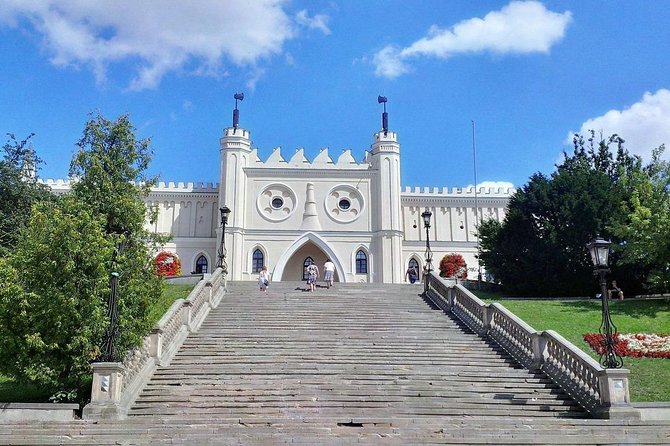
Next up is Lublin Castle, highlighted as neo-Gothic. It’s one of those places where architecture and authority show up at the same time.
Your guide explains the castle’s place in the city’s long story, including what Lublin’s prominence meant for the Polish kingdom. Even without going deep into every architectural term, you’ll understand the castle as a symbol of control and identity.
This stop is valuable because it bridges the route. You’ve been learning about gates and old cores, then the tour brings you to a major stronghold that feels like the city’s decision-making center.
Try not to treat it as only a viewpoint. If you listen to the guide’s connections to the kings and the city’s administrative role, the castle becomes far more than a pretty building.
St. John the Baptist Cathedral, organs and interior details you can actually notice
Inside St. John the Baptist Cathedral, the focus shifts from walls and power symbols to sacred space and sound. The tour calls out the rich interior and stunning organs, and this is where you slow down.
If you’ve ever walked into a big cathedral and felt overwhelmed, this stop helps because the guide points you toward what to notice. You’ll learn how the interior fits into the larger religious culture of the city.
The cathedral also works well as a “temperature check” for your senses. After outdoor walking, the shift into a church space tends to calm the group, and you’ll probably find it easier to absorb the story.
Keep in mind that this part of the tour can be affected on Sunday mornings due to Mass. If you’re visiting on a Sunday, plan to be respectful with timing and expect possible limits on sightseeing.
Church of the Holy Spirit and its spectacular altar
Another major sacred stop is the Church the Holy Spirit, known here for its spectacular altar. This is a strong contrast with the cathedral, because altars are designed to draw your attention and hold it.
Your guide’s explanation makes you look differently. Instead of only seeing decoration, you’ll understand why this kind of focal point matters in how worship happens.
If you’re the type of person who enjoys religious art, you’ll likely get a lot out of this stop. If you’re less into interiors, still give it a few minutes, because the altar is singled out for a reason and it’s an easy win in the overall experience.
Optional 3-hour extension for extra churches and architectural range
If you extend the tour to three hours, you add more extraordinary sacral buildings, including the Carmelite Church and the Roman Catholic Church of St. Piotr and Paul. This is a smart option if you’re staying multiple days in Lublin or if churches are a big part of your travel style.
It’s also a good move if you want more story variety. One church might feel more formal and grand, another may offer different artistic and devotional emphasis, and your guide can help you compare what’s similar and what’s different.
This extra hour can also help you slow the pace of the whole day. Instead of rushing through the main highlights, you spread them out so you can actually look at details.
Romanesque townhouses and the Theatre of Osterwy, a softer side of Lublin
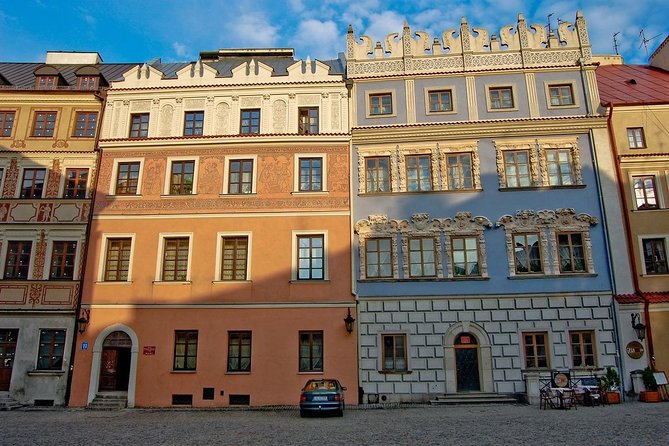
Between the big civic and sacred highlights, the tour includes time to notice everyday architectural character. Lublin is described as full of delightful architecture, including Romanesque townhouses, and the Theatre of Osterwy is specifically called out.
This matters because it keeps the walk from becoming all “big-ticket” monuments. You get a sense of what the city looks like in the places where culture and daily life overlap.
If you like theatre culture, this stop is an enjoyable pause. Even if you do not catch a show, you can appreciate the building as part of the city’s identity.
And if you’re traveling with family, this is often the kind of stop where everyone’s eyes can land, because it’s visually interesting without requiring deep technical background.
Lublin Union Monument, finishing with a story that sticks
The tour ends at the Lublin Union Monument, with time built in to learn the story behind it. A final stop like this is useful because it helps you tie the whole walk together.
Monuments are often where a city compresses its values, and in Lublin’s case, this ending point links back to themes of community, identity, and historical meaning. You’ll leave with a clearer idea of what Lublin wants to remember.
If you like souvenirs, even mental ones, this is a good place for that. Take a minute, look around, and let the guide’s final connections settle in.
Price and value: is $107 per person a good deal?
At $107 per person for a private tour lasting about 2 to 3 hours, the value depends on what you’d otherwise do.
If you’re comparing against a basic group walking tour, the private format is the key difference. You get a licensed guide, your own group time, and the ability to focus on what you want, which can be worth it for families or friends traveling together.
This price also includes key visits: St. John the Baptist Cathedral, plus local restaurant, patisserie, and pub tips. Those food tips can be surprisingly valuable in a place you don’t know yet. Even one well-chosen meal recommendation can pay for the tour in satisfaction.
There is an optional cost to keep in mind: the Trinity Tower entrance ticket is not included and is listed as about 2 EUR. That’s small, but it can affect timing, so it’s worth deciding in advance whether you care about that specific view.
In short, I think this is a solid buy if you want guided interpretation. If you’re happy reading on your own and only want photos, you might get a cheaper alternative. But if you want the city to “make sense” while you walk, this price can feel fair.
Who this private Lublin walk fits best
This tour is a strong fit for people who want structure without feeling boxed in. You’ll get the biggest highlights like Lublin Castle, the gates, and major churches, but you also get explanations about Polish traditions and customs, plus stories tied to kings and the city’s role as a trade and military center.
It’s especially good for:
- Families and friends who prefer a private group pace
- First-time visitors who want a guided way to understand Old Town quickly
- People who enjoy cathedrals and church art
- Anyone who likes history, but wants it translated into what you can see on the street
If you’re visiting on a Sunday morning, plan with care. Mass can affect what you can view inside, so you may need to accept outside views for some parts.
Should you book this tour?
If you want a guided walk that helps Lublin click, I’d book it. The combination of city gates, Lublin Castle, St. John the Baptist Cathedral, and the Church of the Holy Spirit gives you a full picture of what this town is about, without turning your day into sprinting from one site to the next.
Choose it especially if you like when a guide ties architecture to real purpose. One example from a past tour is a guide named Damien, who has been praised for keeping the group engaged through the full three hours. That kind of pacing matters, because a good story can make even familiar stone feel fresh.
Skip it only if you’re purely photo-first and don’t care about interpretation. Otherwise, this private format makes it easier to ask questions, linger where your eyes land, and end with a meaningful final stop at Lublin Union Monument.
FAQ
How long is the Lublin Old Town Highlights private walking tour?
The tour lasts 2 to 3 hours, depending on whether you keep it to the main route or extend it to include extra sacral buildings.
Where do we meet the guide?
You meet your guide under Krakowska Gate.
What’s included in the tour?
The tour includes a private walking tour with a licensed guide, a visit to St. John the Baptist Cathedral, and tips about local restaurants, patisserie, and pubs.
Is the Trinity Tower entrance ticket included?
No. The entrance ticket to the Trinity Tower is optional and costs about 2 EUR.
What languages are offered?
The live guide is available in English, German, and Polish.
Is the tour wheelchair accessible?
Yes, the tour is listed as wheelchair accessible.
What happens on Sunday mornings at churches?
On Sunday mornings, Mass takes place in Catholic churches, so sightseeing may be limited or possibly only from outside to respect prayer time.
Fresh Lublin reviews
- Fascinating Highlights of Lublin – Private Walking Tour★ 5.0 · 4 reviews
- Lublin: Old Town Highlights Private Walking Tour★ 5.0 · 6 reviews
Walking Tours, compared.
Gdańsk City Sights & History Guided Walking Tour in English
Read our review →
Browse the lists this tour appears in