
Reviewed · WARSAW UPRISING TOURS
4 hour: Warsaw Uprising Museum and POLIN Museum/inc.Pick up/
This Warsaw half-day combo is interesting because it links two different kinds of memory. One museum explains how ordinary people understood freedom in World War II and what that idea cost. The other traces how Polish Jewish life evolved over centuries, right up to today.
I love the small-group feel. With a vehicle for no more than 8 passengers and door-to-door pickup, you spend more time listening and less time figuring out logistics. I also like that you get audio guides for both museums in multiple languages, so you can move at your own pace within a tight timeframe.
One thing to consider: 4 hours goes fast for two major sites. If you want to linger in galleries or read every panel, the schedule may feel a bit tight.
Key points
- Two UNESCO-level stories in one session, Warsaw Uprising and 1,000 years of Polish Jewish history at POLIN
- Door-to-door pickup in a small van or car, no buses, maximum 8 passengers
- Audio guides included at both museums, in several languages including Yiddish at POLIN
- A city-wide 1-minute pause connects the museum story to a real annual ritual
- Guide-driven context helps you understand what you are seeing, with Maria praised for charm and insight
- Time discipline matters, you will cover a lot but not at a slow museum pace
Why this Warsaw combo fits a 4-hour window
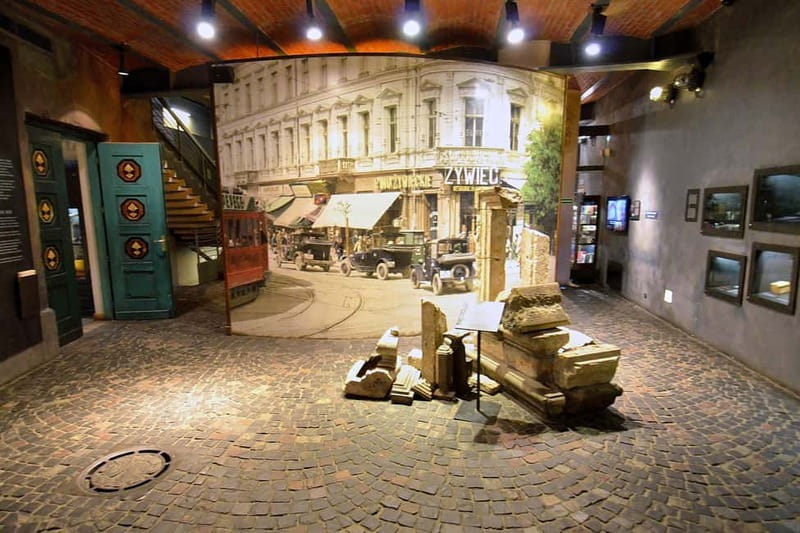
Warsaw can feel like a city of layers. You see reconstructed buildings, modern streets, and then suddenly a museum pulls you back into a very specific moment, with very specific stakes. This tour is built for that shift. You start with the Warsaw Uprising Museum, then move to POLIN to follow a long timeline of community life.
What I like about this format for your first visit is the way it balances perspective. The uprising part asks you to think about ideals and sacrifice. The POLIN part asks you to think about everyday life, neighborhoods, traditions, and how cultures lived side by side for centuries.
And because this is a small group, the day does not feel like a cattle-call. It feels like you are being guided through two emotionally heavy, information-dense places without spending hours on buses.
More Museums in Warsaw
- Warsaw: POLIN Museum of the History of Polish Jews Ticket
★ 4.7 · 1,142 reviews - Warsaw: Polish Vodka Museum Tour with Tasting
★ 4.6 · 788 reviews - Warsaw: Museum World of Illusion Entry Ticket
★ 3.9 · 666 reviews
Door-to-door pickup and the small-group setup that keeps you comfortable
This tour includes pickup from your hotel or apartment in Warsaw. You ride in a car or van, not a bus, with a maximum of 8 passengers. That matters more than it sounds. It reduces waiting time and makes it easier for your guide or coordinator to manage the group.
It also makes the experience feel more personal. In a small group, you can ask quick questions in the moment, and you are more likely to get helpful framing for what you are about to see.
Practical note: wear comfortable shoes. You will be inside museums where walking and standing are part of the deal, and you will not want sore feet to turn a meaningful day into a countdown.
Warsaw Uprising Museum: understanding freedom, not just history
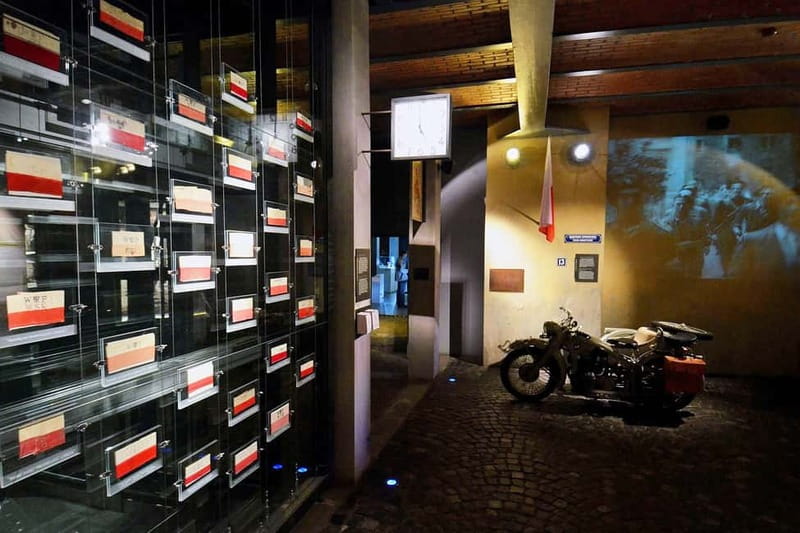
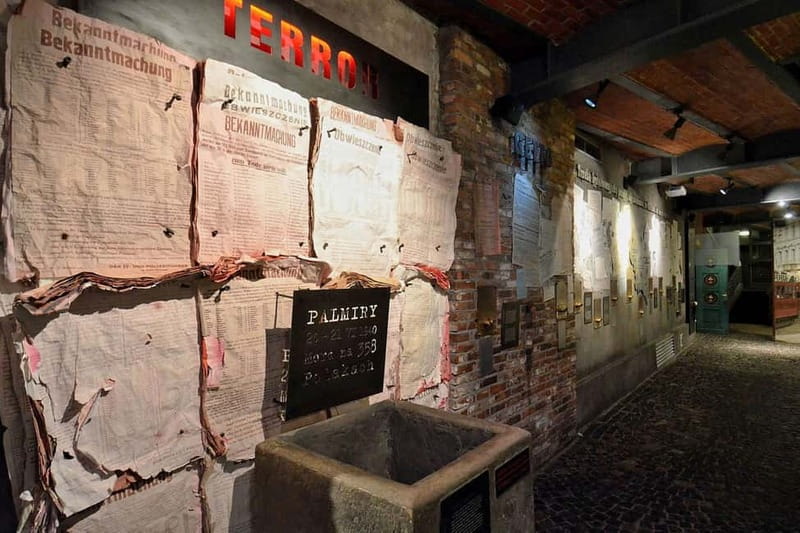
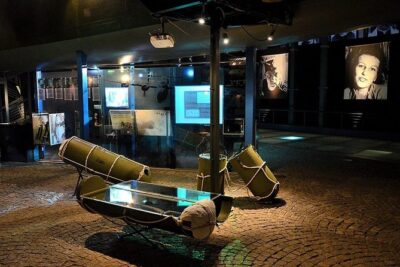
The Warsaw Uprising Museum is where the tour makes its first emotional turn. You go in expecting World War II context, but what you gain is a focused understanding of how freedom was perceived by people living through those events. It is not just dates and events. It is a sense of mindset, pressure, and the price paid for a belief in freedom.
You also get guided help through what the story means in human terms. The museum explains how a generation faced choices at an age that, in peacetime, most people would still consider youth. The city was demolished almost to the last building and even the last brick, and a huge loss came from people who were not even 20.
Why that matters for you is simple: it changes how you interpret Warsaw’s present. When you understand what was destroyed and what survived through memory, you read the city differently when you are back outside.
The annual 1-minute city pause, and what it teaches you as you watch
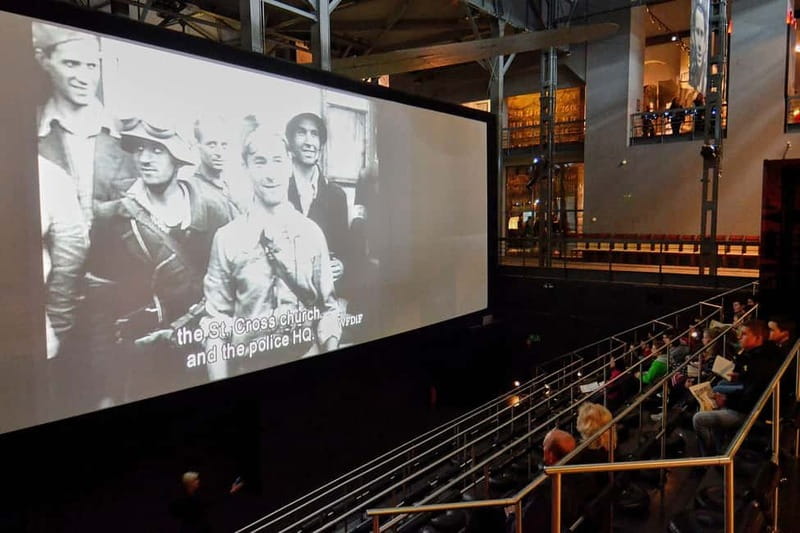
One of the tour’s most memorable details is the idea that each year the entire city stops for 1 minute. That annual pause connects the museum experience to a living ritual rather than a closed chapter in a textbook.
Even if you have never witnessed that moment in person, learning that the city still performs this pause helps you understand why the uprising story has weight. It is not only about the past. It is about how Warsaw teaches remembrance to the present.
I find that this kind of link does two things. First, it makes the history feel specific, not generic. Second, it encourages you to notice the tone of the museum, the seriousness of the materials, and the way the exhibits ask you to reflect.
More Warsaw Uprising history:
- Warsaw Uprising Museum (1944) : PRIVATE SERVICE /inc. Pick-up/
★ 4.5 · 18 reviews - Warsaw Uprising and WWII Old Town Walking Tour with Museum
★ 4.7 · 15 reviews - Warsaw Uprising Museum (1944) + POLIN Museum : SMALL GROUP /inc. Pick-up/
★ 4.5 · 14 reviews - 3-hour tour at Warsaw Uprising 1944 Museum /inc. Pick-up/
★ 4.9 · 7 reviews
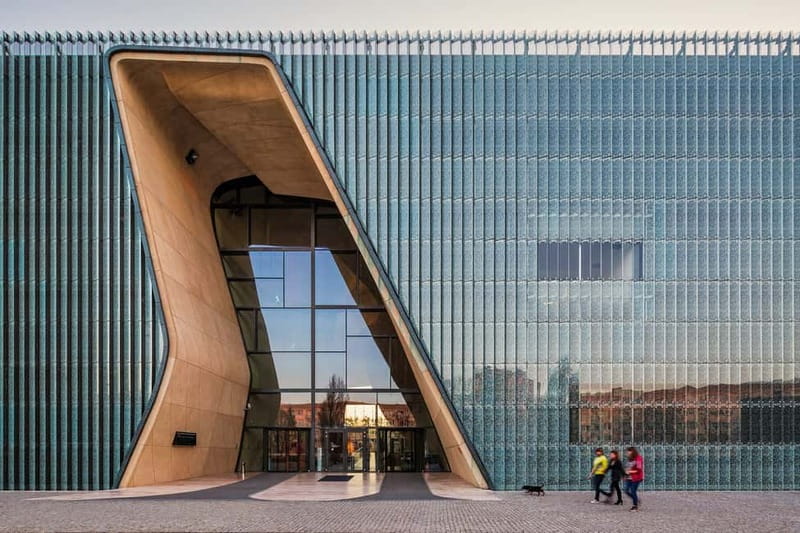
Moving to POLIN: a 1,000-year timeline with multimedia storytelling
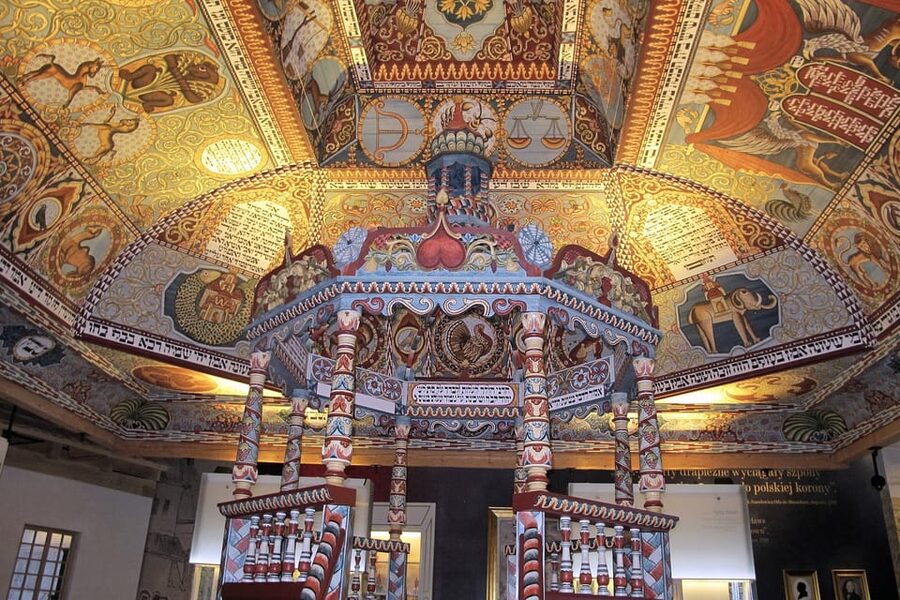
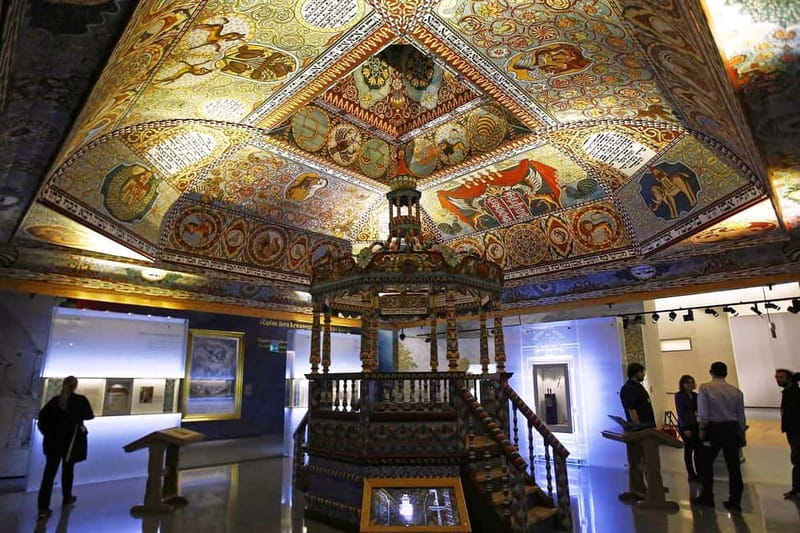
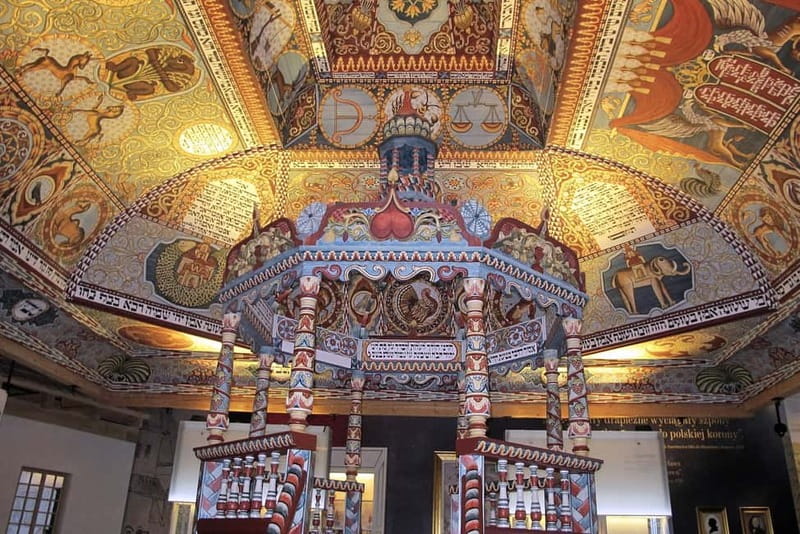
After Warsaw Uprising Museum, the tour shifts to POLIN Museum of the History of Polish Jews. This is where the experience broadens out. Instead of concentrating on one catastrophic period, you take a journey through 1,000 years of history, from the Middle Ages until today.
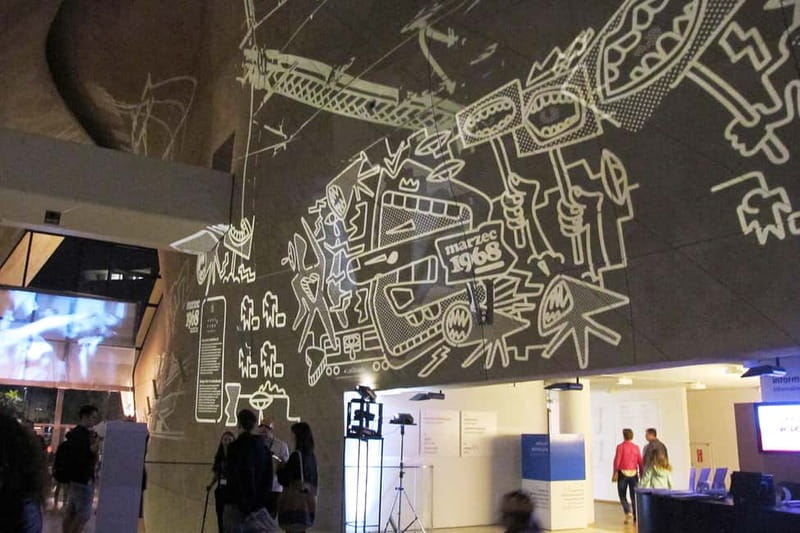
POLIN is built for storytelling across time. The exhibitions use multimedia, and the museum also includes more conventional spaces where you can connect with family and neighborly relationships. That is important because it keeps the experience from becoming purely symbolic.
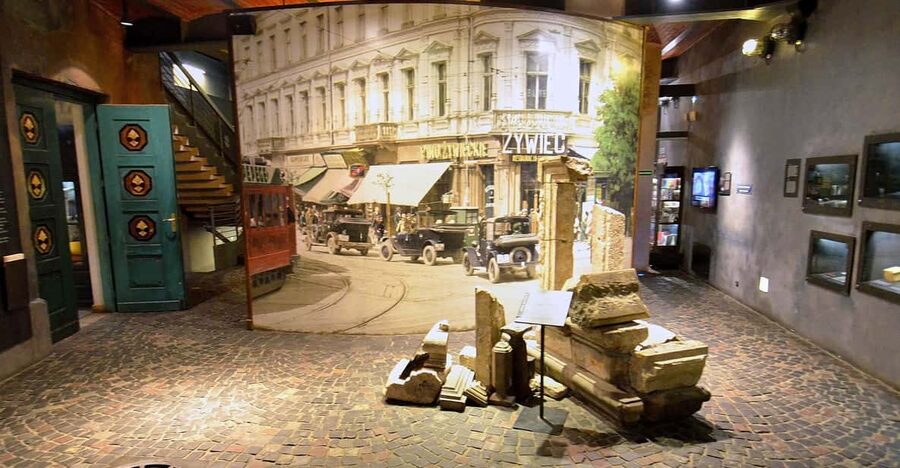
The CORE Exhibition, which is presented as a journey through those 1,000 years, helps you see patterns. You start to notice how community life changed across centuries, how Polish and Jewish cultures overlapped, and how daily living shaped the identity of the place.
If you like museums that explain how people actually lived, this is the part of the tour that tends to land hardest. You get a sense of how cultures merged through everyday contact, not only through major events.
Audio guides in multiple languages, plus how to use them well
Audio guides are included for both museums. At the Warsaw Uprising Museum, the listed audio-guide languages include Polish, English, German, Russian, French, Italian, and Spanish. At POLIN, the audio guides also include Polish, English, German, Russian, French, Yiddish, Italian, and Spanish.
That is a big deal for two reasons.
First, audio-guided museums reduce the stress of choosing where to focus. In two large sites, you can end up wandering without a thread. Audio guides give you that thread.
Second, the language options mean you can share the experience with friends who think differently about reading versus listening. If Yiddish is available to you, that can be an extra layer of connection at POLIN, since it reflects how language itself is part of identity.
How to make it work in real life: do not try to listen to everything word-for-word. Use the audio guide to anchor key moments, then look around. Give yourself a minute to take in how the room, objects, and multimedia visuals work together.
Timing reality check: the main drawback is coverage, not quality
The tour is designed to pack two heavyweight museums into a 4-hour window. That can be powerful, but it can also limit how deeply you go into any one section.
One clear drawback that shows up in feedback is not that the museums are weak, but that you may not get enough time at each site. If you are the kind of person who reads carefully, you may find yourself moving faster than you would like.
So here is the practical advice I would give you: decide in advance what matters most.
- If you want the uprising story to be your priority, focus on the big ideas behind freedom and sacrifice first, and let smaller side details be quick scans.
- If you are most excited by long-term community history, prioritize POLIN’s core timeline and the spaces that explain daily life and neighborly relations.
This is not one museum plus another museum. It is two museums competing for your attention. Managing that is part of getting value from the tour.
Price and value: what you are really paying for at $139 per person
At $139 per person for a 4-hour small-group experience, you are paying for more than museum entry. You are paying for the time-saver of door-to-door transport, the small van or car that avoids bus time, and the inclusion of tickets and audio guides for both museums.
That value makes the most sense if you are visiting Warsaw for a short stay or you want your first museum day to be organized and not stressful. With two major sites, even a bit of planning friction can turn a good day sour.
You also get a driver or coordinator, plus travel between the museums by car or van. For many visitors, that between-site transfer is where time is lost. Here, it is handled, and your focus stays on the content.
If you are someone who loves independent exploring and you already know your way around each museum, you might be able to build a cheaper DIY version. But when you factor in transport, tickets, and audio guides being included, this priced package becomes a lot more logical.
Who this tour suits best, and who should skip it
This tour suits you if you want a concentrated, guided introduction to two central chapters of Warsaw. It is also ideal if you like structure but still want to keep moving at a reasonable pace inside museums.
It is especially good for:
- your first visit to Warsaw and you want context fast
- history-focused travelers who appreciate emotional and human-scale storytelling
- people who like audio guides and multiple language options
It may not suit you if you need lots of time in one museum or if you prefer slow, unstructured gallery wandering. It is also not suitable for pregnant women based on the tour information.
The role of your guide: getting meaning from what you see
The guide or coordinator makes a difference in how the museums land. One name that comes up strongly in praised experiences is Maria. She is described as charming and enthusiastic, and she gives real insight into secrets of Warsaw.
Even without knowing your exact coordinator in advance, it is smart to expect that this is a guided experience, not just a drop-off. You get context for what you are seeing, and that helps you make sense of both the uprising narrative and the long timeline at POLIN.
If you tend to remember stories better than facts, you will likely enjoy the way this tour frames the exhibits. When a museum helps you interpret the material, your time feels more worthwhile.
Final verdict: should you book this Warsaw Uprising and POLIN tour
Book it if you want a tight, well-organized introduction that connects two different kinds of remembrance: the cost of freedom in World War II and the long arc of Jewish life in Poland. The small-group format, door-to-door pickup, and audio guides included make it a practical choice, especially when time is limited.
Skip or reconsider if you know you want slow time in one museum. With 4 hours covering two major sites, you may feel rushed, even if the experience is excellent. This tour is built for coverage and context, not for ultra-deep study.
If your goal is to understand Warsaw quickly, with guidance and smart logistics, this is a strong pick.
FAQ
How long is the tour?
The duration is 4 hours.
Is pickup from my hotel included?
Yes. The tour includes door-to-door transport from your hotel or accommodation in Warsaw by car or van.
How big is the group?
The experience uses a vehicle with a maximum of 8 passengers.
Which museums are included?
You visit the Warsaw Uprising Museum and the POLIN Museum of the History of Polish Jews.
Are tickets included?
Yes, tickets to all museums are included.
Are audio guides included, and in which languages?
Yes. Audio guides are included for both museums. Warsaw Uprising audio guides are available in Polish, English, German, Russian, French, Italian, and Spanish. POLIN audio guides are available in Polish, English, German, Russian, French, Yiddish, Italian, and Spanish.
What is the price?
The price is $139 per person.
What should I bring, and is the tour suitable for everyone?
Bring comfortable shoes. Pets are not allowed, and the tour is not suitable for pregnant women.
FAQ
How do I get between the two museums?
Transport to the POLIN Museum is included by car or van.
Do I need to pay extra for museum entry or guides?
No, tickets to all museums and the audio guides are included, along with all fees and handling charges. Personal expenses are not included.
Fresh Warsaw reviews
- Warsaw: Wolf’s Lair & Swieta Lipka Small-Group Tour + Lunch★ 5.0 · 3 reviews
- World War II Warsaw Old Town, Military Cemetery Walking Tour★ 4.7 · 3 reviews
- Warsaw: Old Town Walking Tour, Hidden Gems & Hot Chocolate★ 4.3 · 3 reviews
- Warsaw: Explore the Vistula on Its Longest Speedboat Route★ 4.6 · 3 reviews
- 5-hour: Royal Castle, Old Town and POLIN Museum/inc.Pick-up/★ 5.0 · 3 reviews
- Majdanek – German camp from II World War – Private Tour – 1 DAY TRIP FROM WARSAW★ 5.0 · 3 reviews
- Museum of Modern Art in Warsaw★ 5.0 · 3 reviews
- Warsaw Outdoor Paintball with Transfers (all year round)★ 5.0 · 3 reviews
Warsaw Uprising Tours, compared.
Warsaw Uprising Museum (1944) : PRIVATE SERVICE /inc. Pick-up/
Read our review →
Warsaw Uprising and WWII Old Town Walking Tour with Museum
Read our review →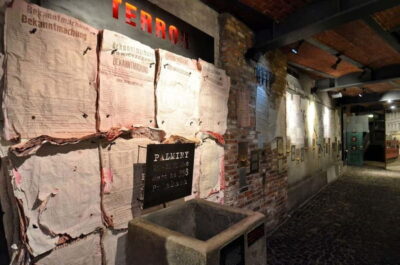
3-hour tour at Warsaw Uprising 1944 Museum /inc. Pick-up/
Read our review →
Palace of Culture & Science + Warsaw Uprising Museum: SMALL GROUP /inc. Pick-up/
Read our review →Browse the lists this tour appears in